
21 Countries Condemn Israel's West Bank Settlement Project
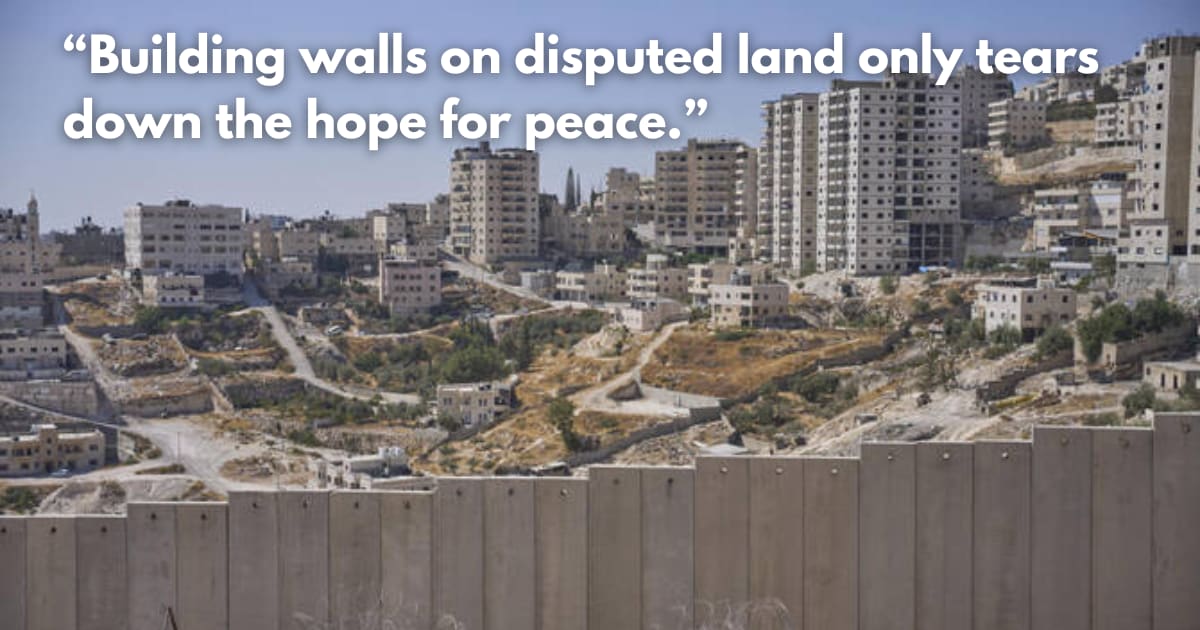
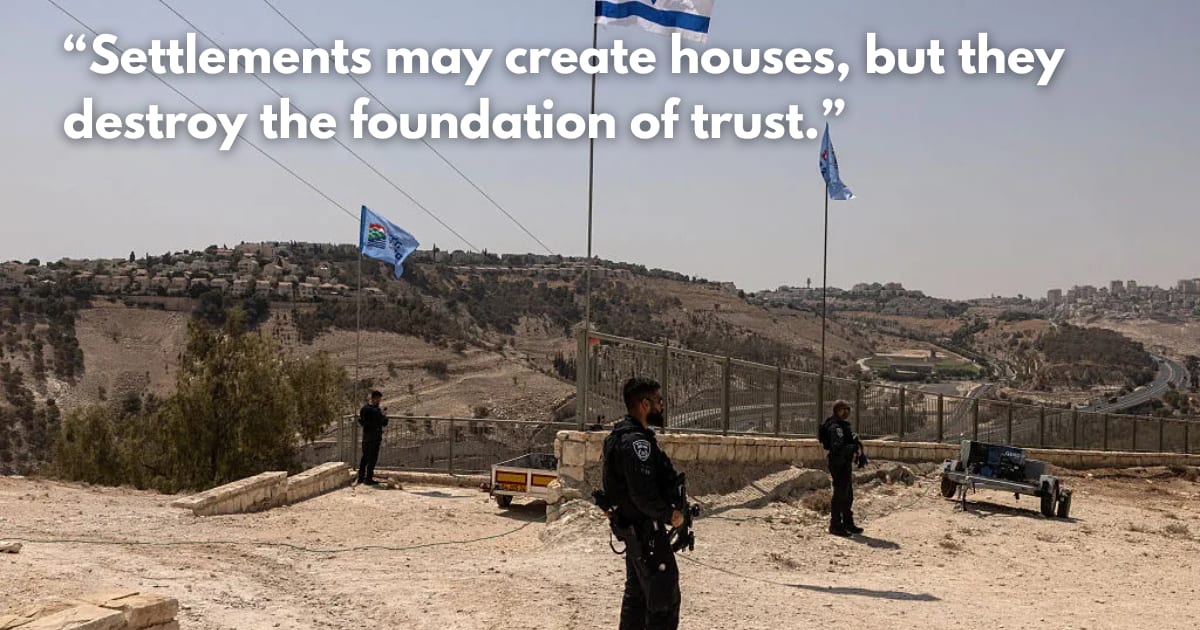

FazTimes Media: For the first time in a while, 21 countries, including Britain, France, Canada, and Australia, have all spoken out against Israel's recent approval of a big settlement project in the occupied West Bank. On Thursday, they released a shared statement saying Israel's choice was "unacceptable" and that it goes against international law and is a big threat to regional peace.
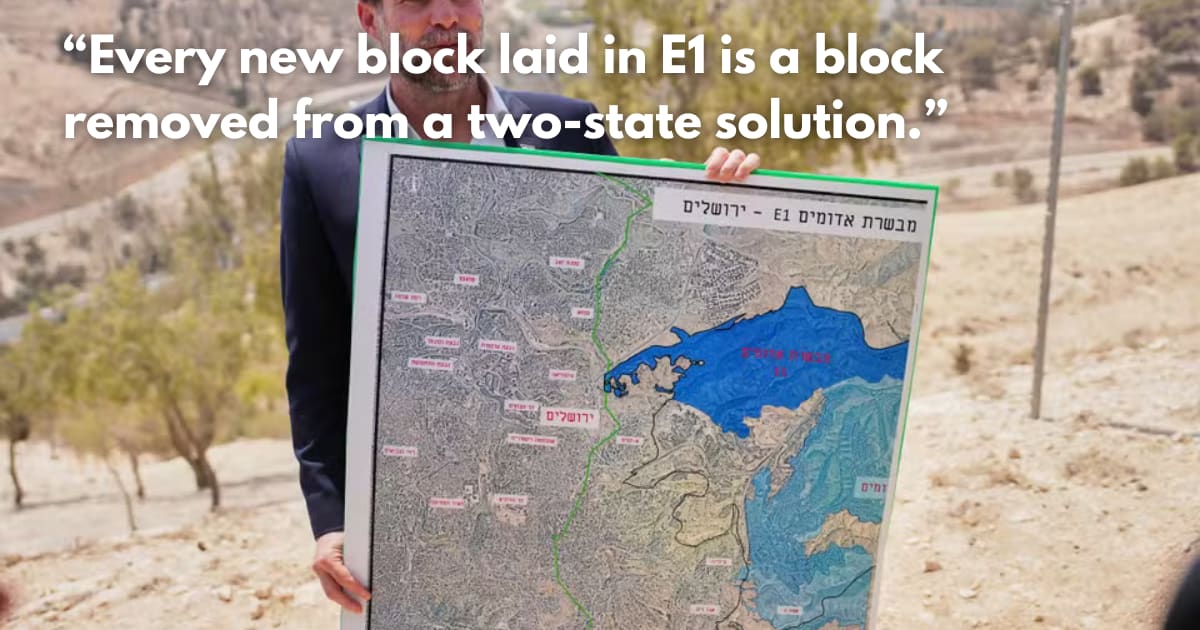
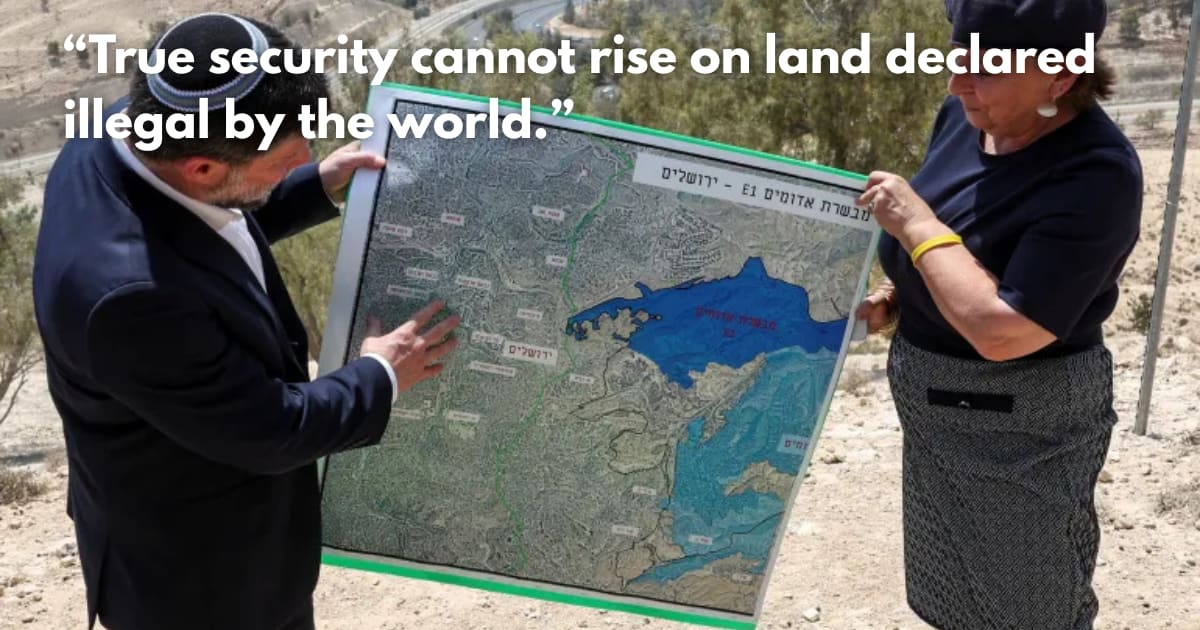
The project focuses on a place called E1, which is about 12 square kilometres of land located just east of Jerusalem. This land connects the city to a settlement named Maale Adumim. People have been saying for a long time that building there would divide the West Bank in two, making it almost impossible for a real Palestinian state to be created.
What the Joint Statement Said
The foreign ministers from these 21 countries said they “condemn this decision and call for its immediate reversal.” The group includes big European countries like Belgium, Denmark, Spain, and Sweden, as well as Japan, Iceland, Norway, and more.
The statement also mentioned Israeli Finance Minister Bezalel Smotrich, who is a strong supporter of expanding settlements within Prime Minister Benjamin Netanyahu’s right-wing government. Smotrich has said that moving forward with the E1 project would stop the possibility of a Palestinian state forever, ensuring that Israel keeps control of Jerusalem and the surrounding areas.
The statement said, “This brings no benefits to the Israeli people. Instead, it risks undermining security, fuels more violence, and pushes both sides further away from peace.”
International Outrage and Warnings
This condemnation comes as there is growing worry that Israel's settlement policies are making it harder to restart peace talks. United Nations Secretary-General António Guterres also expressed concern, highlighting that all Israeli settlements in occupied areas are illegal under international law and should be stopped immediately.
In addition, the British Foreign Office called Israeli Ambassador Tzipi Hotovely to formally complain. The UK’s statement said, “If these settlement plans are carried out, they would be a serious violation of international law and would greatly harm the two-state solution.”
What is the E1 Plan?
The E1 corridor has been a major point of tension in the Israeli-Palestinian conflict for a long time. The plan involves building around 3,400 homes and developing infrastructure to link them to current Israeli settlements.
For Israel, supporters say the project helps connect Jerusalem with Maale Adumim, which they believe will improve security and help control the population. However, Palestinians and many others around the world see it as very harmful:
Territorial Division: It would split the northern and southern parts of the West Bank, leaving Palestinians with land that is not connected, making it harder to govern or live in a unified area.
Access to Jerusalem: It would limit Palestinian access to East Jerusalem, which they consider the future capital of their state.
Palestinian Response
The Palestinian Authority, based in Ramallah, strongly opposed the plan, calling it an attack on Palestinian rights and hopes. Officials said Israel’s decision shows it has no real interest in peace. “A construction project like this is not just about building houses. It is an effort to remove the chance of a Palestinian state,” said a PA spokesperson.
Local Palestinian groups also protested in Ramallah and Hebron, holding signs that read, “Stop the theft of our land.” Many people feel frustrated that governments around the world criticise Israel's actions, but there are no real steps to stop settlement growth.
Growing Divide in Israeli Politics
Interestingly, the E1 plan has also caused disagreement among Israelis. While the far-right group strongly supports settlement expansion, some people in the middle and left parts of the political spectrum believe that these projects make the conflict worse.
Human rights organisations in Israel, like Peace Now, have warned that building in E1 will “end the two-state solution.” Even some former security officials have worried that isolating Palestinians could make violence worse, not better.
According to BBC News, several Israeli legal experts have also said that going ahead with construction in E1 could put the country at risk of sanctions or legal problems from the international community.
Regional and Global Implications
The criticism of the settlement project comes at a time when the Middle East is already unstable.
Experts think that Israel’s move could make things worse not just for Palestinians but also for nearby Arab countries. Countries like Jordan and Egypt, which have historically helped mediate peace talks, are worried that building settlements near Jerusalem could lead to more unrest.
Even though they have peace treaties with Israel, both countries have publicly expressed concern about the project. At the same time, Western countries that usually back Israel, like the U.S. and Canada, are being pushed by human rights groups to take stronger stances against settlements. Despite not signing the recent statement, U.S. officials have expressed deep concern about the E1 plan.
Why This Matters to Local Readers
For many people, particularly those in areas affected by significant displacement, the E1 story feels very personal. Settlement expansion isn’t just about building houses—it’s about power, identity, and the right to decide your future.
The fact that 21 countries have condemned the project shows the growing gap between Israel and its international allies. It also raises an important question: Can the two-state solution still work if settlement expansion keeps happening?
Experts say that without quick international action, projects like E1 could become permanent, leaving Palestinians without a clear path to self-rule.
A Turning Point?
People are now watching carefully to see if Israel’s government will move forward even though many countries are against it. Although criticism has become common, some people say that just saying things isn’t enough. Without real actions, the building of settlements is probably going to keep happening.
Reuters says that diplomats are already thinking about what to do next, like pushing harder at the United Nations or maybe putting new sanctions in place. But it’s not clear yet if these steps will happen.
Conclusion
The issue with Israel’s E1 settlement project isn’t just another part of the long-standing conflict—it could be a big turning point. By building on land that goes through the middle of the West Bank, Israel is risking not only being left alone internationally but also losing any chance for a two-state agreement.
The world is paying attention, as demonstrated by the statement from 21 countries. But the real question is whether this group of warnings will lead to real action—or whether it will just be another warning that doesn’t change anything. Currently, Palestinians are stuck between hopes for peace and the real situation of more settlement construction.
Our primary goals at FazTimes Media are to be accurate and confident and adhere to the highest journalistic standards. We check every news story we share against several trustworthy and separate sources to ensure its accuracy.
We have reviewed this report, along with articles from major news outlets worldwide, including BBC News, Reuters, Bloomberg, Al Jazeera, NDTV, The Economic Times, and The Indian Express.
We want to keep the highest standards in global journalism so that our readers can trust the information they acquire.


Discussion0
Join the conversation on this story
Loading comments...