
General
5 missing, 6 houses washed away in cloudburst in Uttarakhand's Chamoli
By Saquib Ansari
Published: Sep 18, 2025, 05:39 AM
Last updated: Sep 18, 2025, 06:58 AM
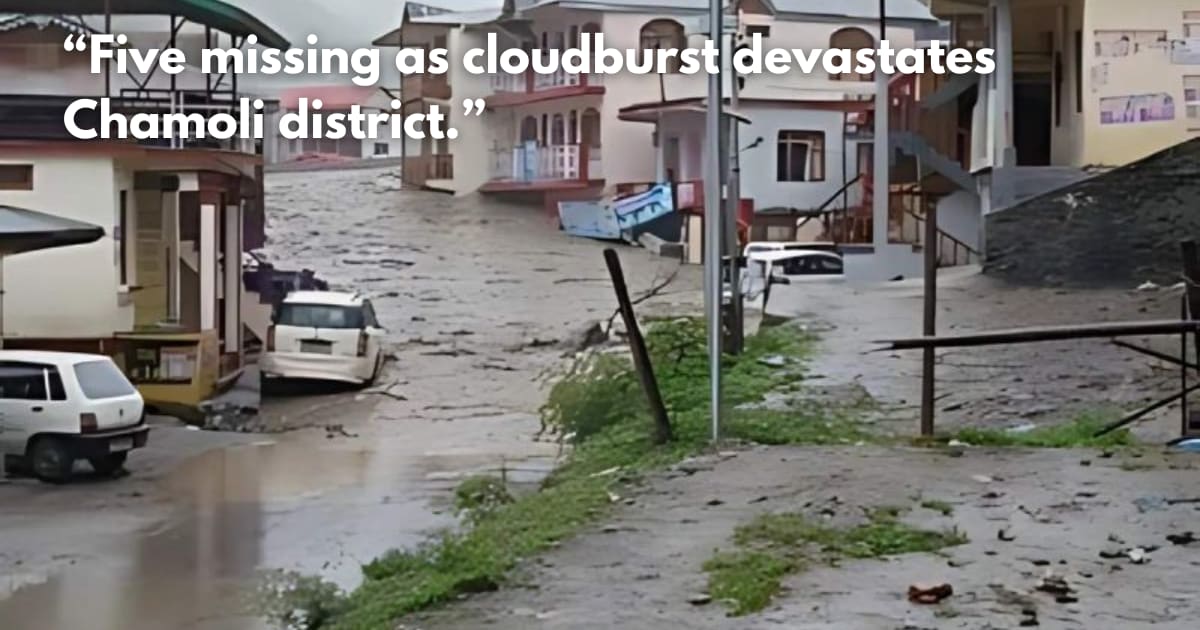
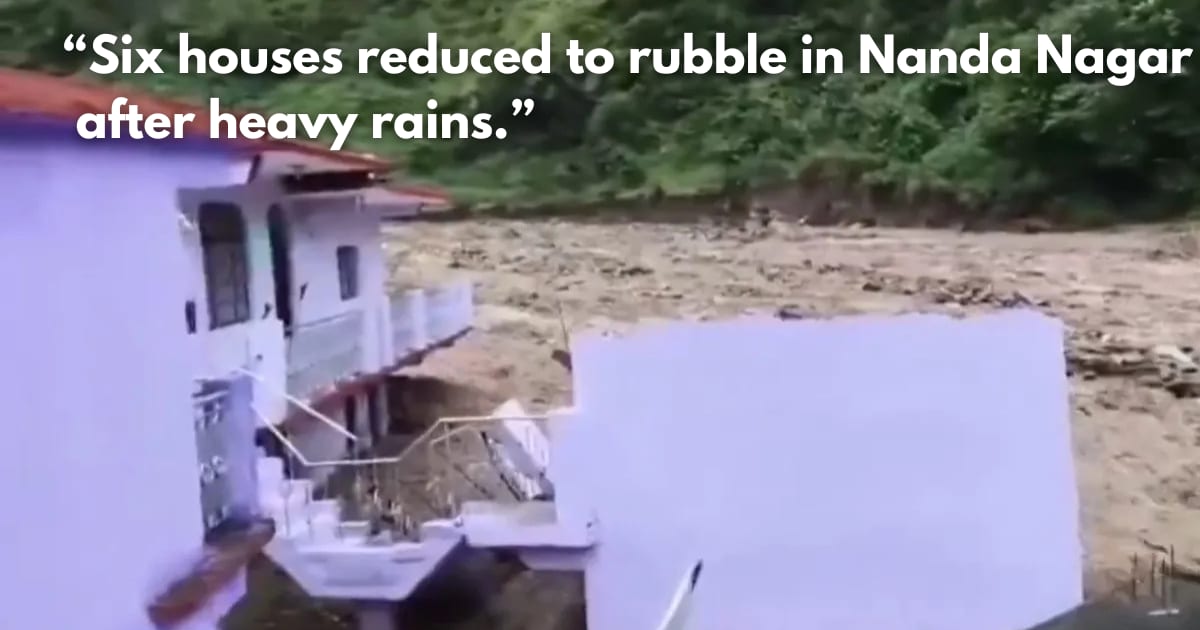


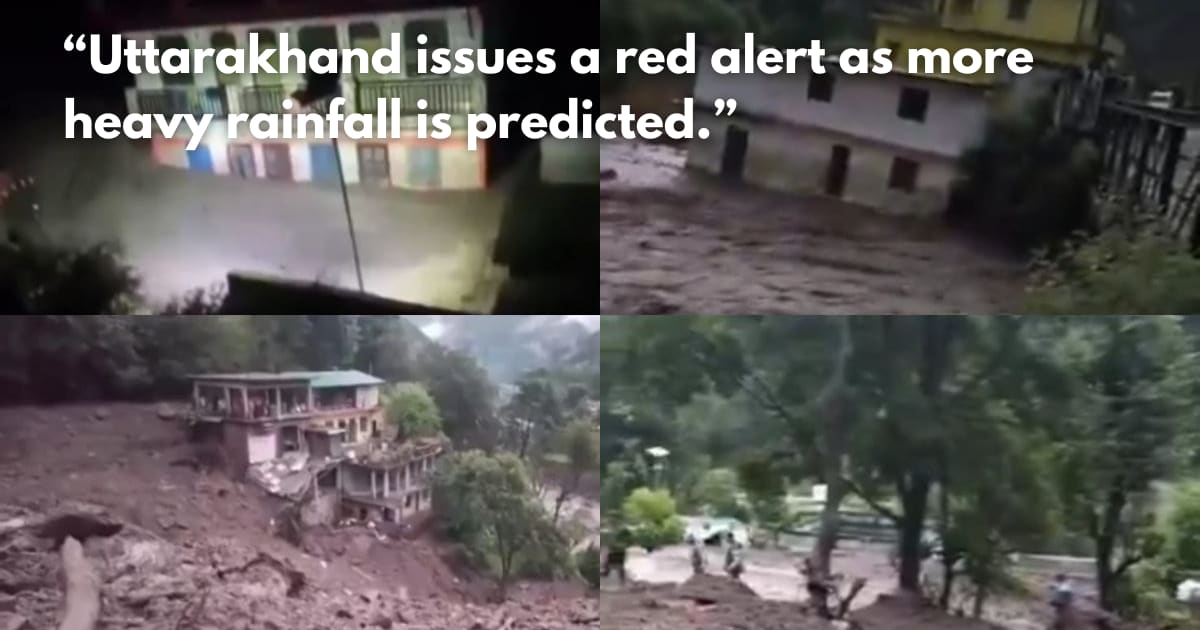
FazTimes Media: Heavy monsoon rains dealt a fresh blow to Uttarakhand late Wednesday night, as a sudden cloudburst in Chamoli district triggered flash floods and landslides, destroying six houses and leaving at least five people missing. The incident once again exposed the fragile relationship between the Himalayan environment and human settlements. Within hours, six homes were reduced to rubble.
Rescue teams from the State Disaster Response Force (SDRF) and the National Disaster Response Force (NDRF) rushed to the site overnight, joined by engineers from the Public Works Department. Despite their efforts, the relentless downpour and unstable terrain have slowed operations.
“Two people were pulled alive from the debris, but the situation remains critical. Our teams are working around the clock to trace the missing,” said a senior SDRF officer on Thursday morning.
Villagers in Panic → Fear Grips Villages
Residents described a terrifying night of chaos. Several families managed to escape as floodwaters approached, but many could do little to save their belongings. Eyewitnesses said that screams and cries for help echoed across the valley as the waters surged.
“It was like the mountains broke open. The sound of rocks crashing and water gushing was deafening. By the time we realised what was happening, homes were already being torn down,” recalled Ramesh Rawat, a villager from Nanda Nagar.
The cloudburst also blocked smaller connecting roads, cutting off access to several hamlets in the upper reaches of Chamoli. With power lines snapped and mobile networks disrupted, communication remains difficult.
Search Operations Amid Adverse Weather → Rescue in Rough Weather
Heavy rainfall continues in Chamoli, raising fears. The India Meteorological Department (IMD) predicts more intense showers in the region over the next 48 hours. A red alert has been issued for Chamoli and several other districts, including Dehradun, Champawat, Tehri Garhwal, and Pithoragarh. “Rescue workers are risking their lives in highly unstable conditions. The soil is loose, boulders are rolling down, and every hour brings fresh challenges,” said an NDRF official.
Recent Spate of Disasters → Disasters on the Rise
This latest disaster follows a deadly cloudburst in Dehradun’s Sahastradhara area, which killed at least 13 people. That event destroyed two major bridges, swept away several shops, and submerged roads, leaving the state capital partially cut off from surrounding regions.
Himalayan Fragility in Focus → Fragile Himalayas Exposed
Dr Meera Joshi, a geologist based in Dehradun, said, “The Himalayas are young mountains and geologically unstable. With rising global temperatures, we are seeing more erratic rainfall patterns. Deforestation, road cutting, and unplanned construction further weaken slopes, amplifying the impact of cloudbursts.”
She added that Chamoli, which witnessed the catastrophic 2021 Rishiganga flash floods, remains particularly vulnerable due to its topography and expanding human settlements near rivers and streams.
Government Response → State Steps In
After the Chamoli disaster, Chief Minister Pushkar Singh Dhami showed concern and told officials to give all the help needed. “Saving people is our main goal. I have told teams to move affected families to safe places and give them food, water, and medical help,” Dhami said during a news meeting.
The state government also told people to stay away from riversides and areas where landslides might happen. Schools in many areas have been told to stay closed until more information is available. At the same time, Nitin Gadkari, the Union Minister for Road Transport and Highways, promised to fix the damaged roads quickly. He said more machines and workers have been sent to open the roads that were blocked in Chamoli.
Human Stories of Loss → Lives Behind the Tragedy
Beyond the numbers, the disaster has caused a lot of heartache. Families who lost their homes are now living in temporary shelters, unsure of what comes next. Kids are upset because they are crying for their lost toys and books. Farmers are worried about their fields being washed away, which means they won’t have money for the next season.
“Everything is gone. We only saved ourselves. Where will we go now?” said Kamla Devi, a 55-year-old woman whose house was one of six destroyed in Chamoli. Relief workers expect a tough time getting people back on their feet, especially since rebuilding in unstable land requires careful planning.
Climate Change and Policy Questions → Climate & Policy at Crossroads
Environmentalists say we should look at Uttarakhand’s disasters through the eyes of climate change and how we plan development. According to BBC News, South Asia is seeing more unpredictable rain, with heavy downpours in short periods causing floods and landslides.
Activists are also questioning the construction of large projects—like dams, roads, and tunnels—in sensitive parts of the Himalayas. They say that while progress is important, bad planning and ignoring environmental rules are increasing dangers for people.
“Every year, Uttarakhand faces problems. But leaders still choose tourism and buildings over nature. Without balance, disasters like Chamoli will happen again,” said Ravi Thakur, a local activist from Joshimath.
Our primary goals at FazTimes Media are to be accurate and confident and adhere to the highest journalistic standards. We check every news story we share against several trustworthy and separate sources to ensure its accuracy.
We have reviewed this report, along with articles from major news outlets worldwide, including BBC News, Reuters, Bloomberg, Al Jazeera, NDTV, The Economic Times, and The Indian Express.
We want to keep the highest standards in global journalism so that our readers can trust the information they acquire.
Link:
https://www.faztimesmedia.com/viewpost/5-missing-6-houses-washed-away-in-cloudburst-in-uttarakhands-chamoli


Discussion0
Join the conversation on this story
Loading comments...