
General
6.3 Magnitude Earthquake Hits North Afghanistan: 7 Dead, 150 Injured in Samangan
By Mohamed Areif Mubarack
Published: Nov 03, 2025, 05:50 AM

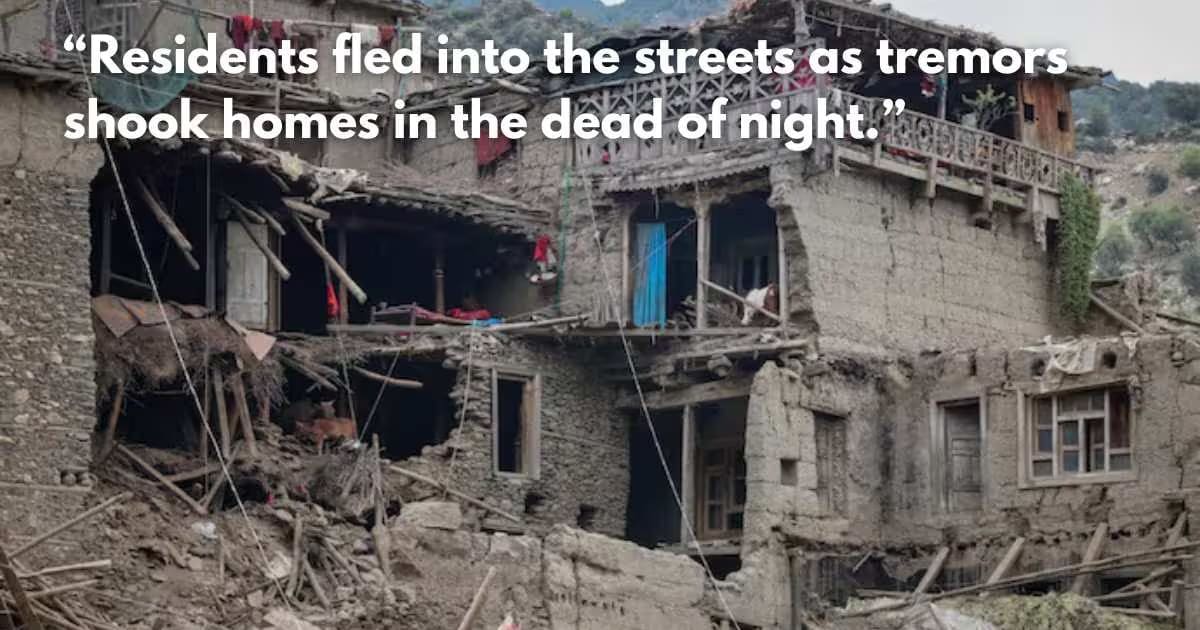
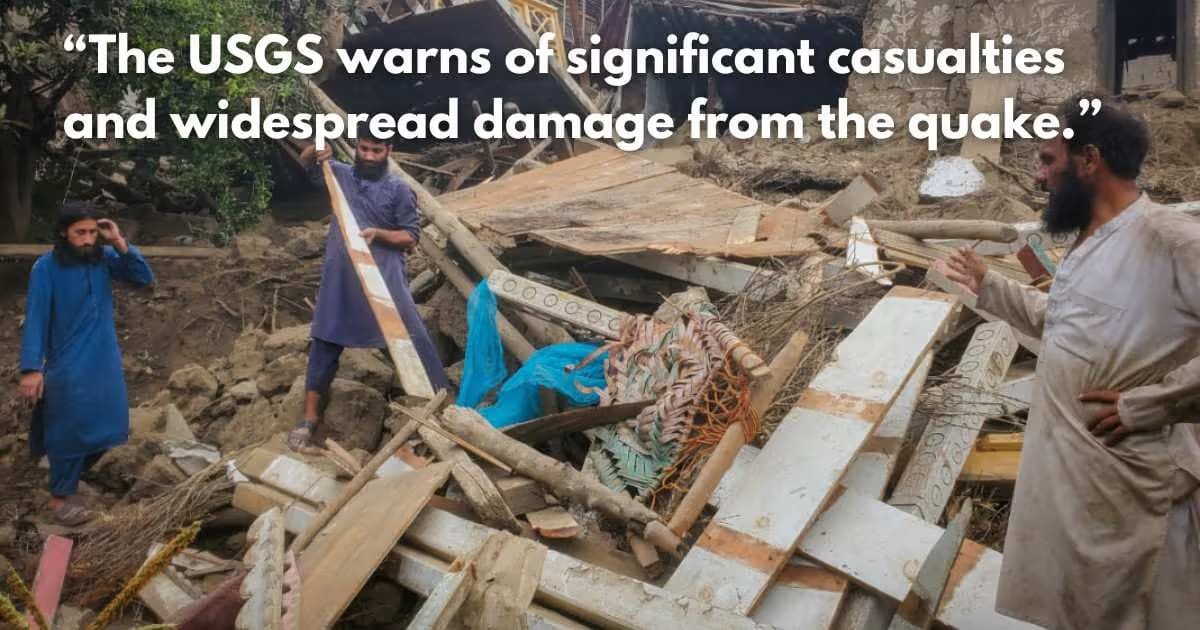
FazTimes Media, Mazar-i-Sharif, Afghanistan—03, Nov, 2025: The USGS said the earthquake was 28 kilometers deep and occurred at 12:59 a.m. local time (20:29 GMT). It shook parts of Balkh and Samangan provinces. People said the shaking was intense and made them run outside in fear as walls cracked and ceilings fell.
People in Mazar-i-Sharif, a city with more than half a million people, were suddenly shocked by the quake. “It felt like the ground was moving under my bed,” said Ahmad Khan, a local shopkeeper who took his family outside. “We could hear people screaming in the dark, praying for safety.”
People described the streets as busy with families rushing out, holding their kids, and praying. The shaking lasted several seconds but was strong enough to damage buildings in tightly packed neighborhoods.
An AFP reporter said many people stayed outside for hours, worried that more shaking might collapse weakened buildings. Homes made of mud and bricks, which are common in rural areas of Afghanistan, were turned into piles of rubble.
Samim Joyanda, a spokesperson for the Ministry of Public Health in Samangan province, announced early Monday that seven people were killed and 150 others were hurt in the earthquake.
“The injured and those who lost their lives have been sent to local hospitals and clinics,” Joyanda told Reuters. “Our teams are working hard to give them immediate medical help.”
Health officials warned that the number of casualties might go up as emergency workers try to reach remote villages near the earthquake’s center, where communication lines are still down.
The USGS PAGER system, which predicts the impact of earthquakes, issued an “orange alert,” meaning “many people are likely to be hurt, and the disaster could affect a wide area.” Past earthquakes with this level of alert usually require national or regional emergency responses.
One of the most noticeable things damaged was the historic Blue Mosque, also called the Shrine of Hazrat Ali. It is one of Afghanistan’s most sacred religious sites and a symbol of Balkh’s spiritual identity.
Haji Zaid, a spokesperson for the Balkh provincial government, said parts of the mosque’s outer walls were damaged. “Several walls and the decorative tiles have cracked or fallen,” he said. “It’s very sad for our people—this shrine is the heart of our city.”
The mosque, known for its centuries-old turquoise domes and detailed tilework, draws thousands of pilgrims and tourists each year. Local authorities have closed parts of the site for safety while engineers check how badly it is damaged.
This earthquake is another painful moment in Afghanistan’s history of natural disasters. Since the Taliban took control of the country in 2021, there have been three major deadly earthquakes, each making an already weak economy and healthcare system even worse.
In many rural areas, houses are built from mud, wood, and stones that are not strong enough to hold up during even small earthquakes.
“Rescue work in these areas is really hard,” said Brian Baptie, a seismologist from the British Geological Survey. “Many of the affected places are in mountains, far away, and connected by unsafe roads. It can take several hours just to get medical help to people who need it.”
Emergency workers and volunteers have been sent to the hardest-hit regions, but there aren’t enough resources or heavy machinery to help quickly. Local hospitals, which are already short on medicine and equipment, are having a challenging time taking care of all the injured people coming in.
A representative from Afghanistan's National Disaster Management Authority said more detailed information about the damage would come later, as they are still figuring out how bad the destruction really is.
Human aid groups like the Red Crescent and Doctors Without Borders (MSF) have asked for quick help to give medical care, food, and temporary homes to those who have been displaced.
“People in Afghanistan are going through one tough situation after another,” said Farida Nazari, a humanitarian worker based in Kabul. “They need more than just temporary help—they need long-term investment in better infrastructure, stronger buildings, and homes that can resist earthquakes.”
After the quake, hundreds of families have set up temporary camps outside their damaged homes, facing cold weather and continuing aftershocks.
Local mosques and schools have opened their doors to give shelter to those who have lost their homes.
FazTimes Media has been providing you with unique and standard breaking news related to general, business, sports, entertainment, politics, and more.
Reference: Al Jazeera
Link:
https://www.faztimesmedia.com/viewpost/63-magnitude-earthquake-hits-north-afghanistan-7-dead-150-injured-in-samangan


Discussion0
Join the conversation on this story
Loading comments...