
US Heat Wave Grips West Coast: Extreme Risk in California & Arizona

FazTimes Media: The western United States is once again dealing with a major heatwave that's affecting Washington, Oregon, California, Nevada, and Arizona. Millions of people are now at risk for health issues, energy problems, and daily life disruptions. BBC News reports that experts have labelled this heat event as one of the most dangerous of the summer. Temperatures in several cities have hit record highs.
Record-Breaking Temperatures
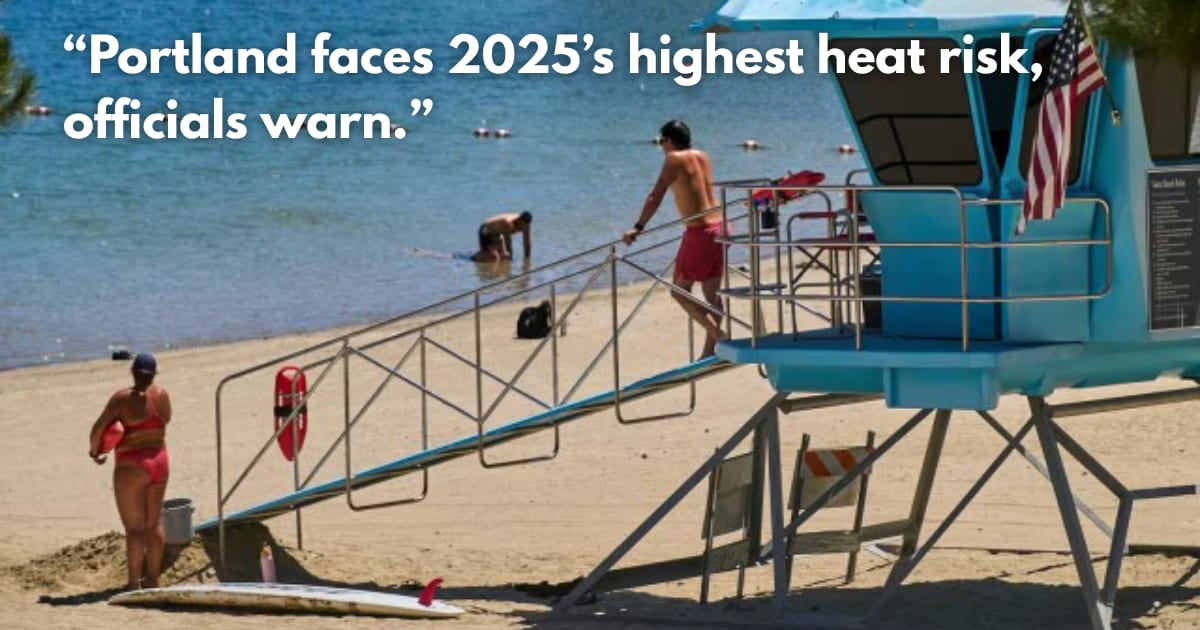
In Portland, Oregon, the temperature reached 102°F (38.9°C), breaking the previous August 22 record of 98°F from 1942. If confirmed, this would be another troubling record for Portland, which already faced a deadly heat dome in June 2021 that led to over 100 deaths.
Phoenix, Arizona, continues to have very high daytime temperatures, usually between 104°F and 107°F (40–42°C), with little to no cooling at night. Tucson and parts of Southern California are also experiencing extreme heat. Meteorologists have warned that these areas may not cool down enough after sunset, leading to higher chances of heat stroke and dehydration, especially for those who are already at risk.
Human Impact: From Athletes to the Elderly
While numbers often highlight climate reports, real stories from people on the ground show the real impact.
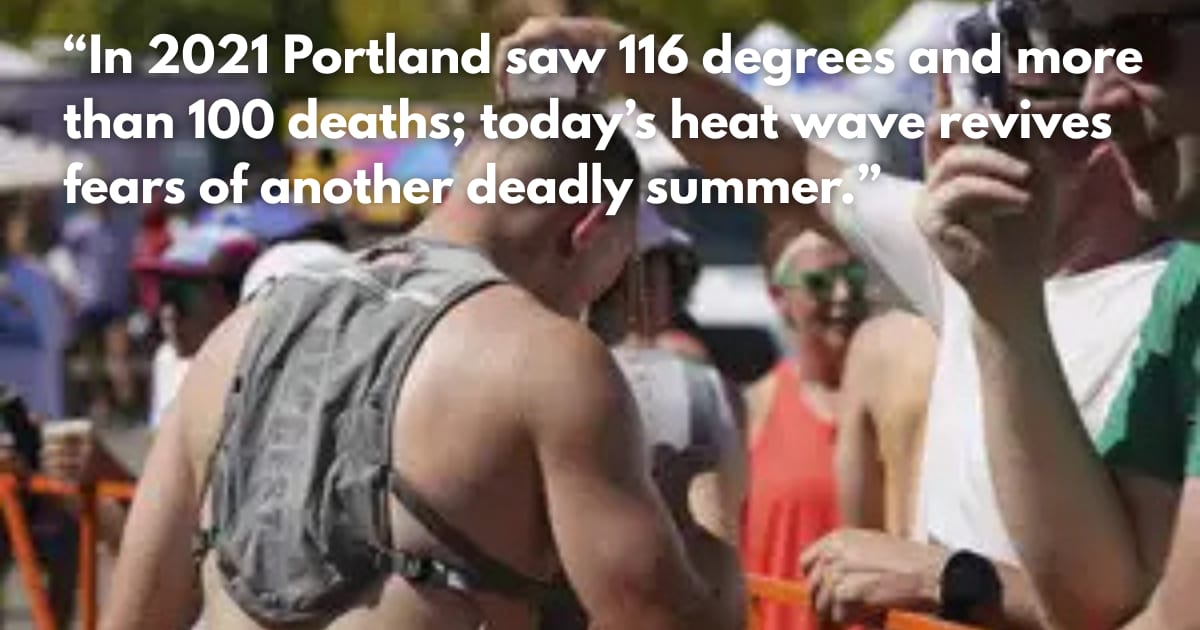
During the Hood to Coast relay race in Portland, which runs from Mt Hood to the Pacific Ocean, many participants had a tough time in the intense heat. One runner, David Loftus, collapsed after just four miles of his part of the race. He told local news, “I don’t even remember falling. Friends told me I started to wobble, and a stranger caught me before I hit the ground.”
He had drinking water before the race, but like many others, he didn’t realise how fast the heat could affect the body. After emergency care and being kept overnight, Loftus recovered—but health experts say not everyone is that lucky.
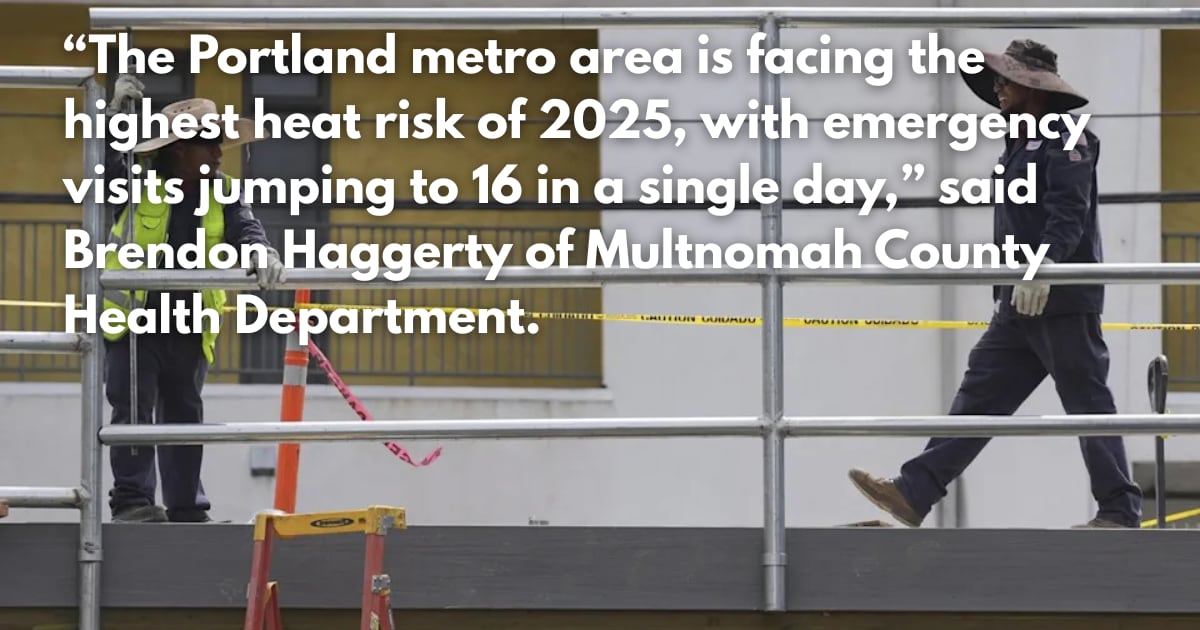
In Portland, the number of people visiting hospitals for heat-related issues jumped sharply. The Multnomah County Health Department said on Friday alone, 16 people came in with heat-related problems; six of them were part of the relay. Usually, the city sees just one or two such cases each day.
This sudden rise in hospital visits is causing more discussion about how prepared the city is for extreme weather events. This comes after the memory of 2021, when dozens of elderly and isolated residents died alone in apartments that weren’t cooled.
Why This Heatwave Is Different
Scientists say the current heat event is special because it doesn't just have very high temperatures during the day but also lasts a long time and doesn't cool down much at night. Al Jazeera reports that in cities with few trees and lots of concrete, the heat gets trapped and creates what's called an "urban heat island". This makes it harder for places like Phoenix, Las Vegas, and Portland to cool down at night. Without relief after the sun goes down, people's bodies stay under stress, especially those with heart or breathing problems.
The National Weather Service says about 1.2 million people are in an "extreme heat risk" area, meaning dangerous heat conditions happen all day long. Another 18 million are in a "major heat risk" zone, where staying outdoors for long periods or not having access to cooling can be life-threatening.
Broader Implications: Climate Change at the Forefront
Experts say that although heat waves have always happened in the U.S., they are happening more often and are getting worse. A study mentioned by The Washington Post shows that the Pacific Northwest, which used to be a cooler area, has warmed much faster than the global average.
Dr Sarah Kaplan, a climate researcher in Seattle, said, “This isn’t a one-time thing. We’re now having summers in a row where records are being broken, not just matched. This matches exactly what scientists have been predicting about global warming.”
In cities like Portland, Seattle, and Phoenix, rising temperatures are already changing how infrastructure is built, how much energy is needed, and how healthcare systems prepare. Cooling centres, shaded bus stops, and outreach programs for the elderly are becoming standard public services instead of just emergencies.
Strain on Daily Life and Economy
The heatwave is having a big impact beyond just health. In Southern California, officials are watching closely how much electricity people are using, especially because air conditioning is being used a lot. In Arizona and California’s Central Valley, farmworkers who work outside for long hours are especially at risk. Groups that help workers are asking for better safety rules, like making sure they get rest breaks, have shaded places to sit, and can get clean water to drink.
Some schools in Nevada and Arizona have put off outdoor sports practice, and community events have been cut back or cancelled. The people who organise Portland’s relay race said they didn’t think the heat was as dangerous as it turned out to be and promised to check on safety rules in the future.
Lessons from Past Tragedies
The terrible heat in June 2021 still reminds people in the Pacific Northwest of how dangerous high temperatures can be. Temperatures reached 116°F (46°C), and over 100 people died in Oregon alone. Most of the victims were older people who didn’t have air conditioning in their homes.
But there are still problems. Many low-income families can’t afford to use air conditioning all the time because energy costs are going up. Supporters say that long-term fixes, like helping pay for energy bills and building more environmentally friendly infrastructure, are very important.
Looking Ahead
Meteorologists say the temperatures will stay very high during the weekend, but things might start to cool down a bit by the middle of the week. However, many people are already dealing with the effects—like going to the hospital, losing work time, or just having a hard time dealing with the constant heat without enough help.
The bigger worry is whether this situation will get worse in the future. Scientists are saying that if we don't reduce the gases we put into the air, extreme heat could happen more than once a year, maybe even every season. This change could affect life in the western part of the US in big ways.
Right now, health experts are reminding people to take simple but important steps: drink plenty of water, avoid heavy exercise during the hottest parts of the day, and check on family and friends—especially older people and kids. As one person from Portland said, “We used to think heat waves were rare, happening once every ten years. Now, it feels like they're becoming our usual part of life.”
Our primary goals at FazTimes Media are to be accurate and confident and adhere to the highest journalistic standards. We check every news story we share against several trustworthy and separate sources to ensure its accuracy.
We have reviewed this report, along with articles from major news outlets worldwide, including BBC News, Reuters, Bloomberg, Al Jazeera, NDTV, The Economic Times, and The Indian Express.
We want to keep the highest standards in global journalism so that our readers can trust the information they acquire.


Discussion0
Join the conversation on this story
Loading comments...