
Russia-Ukraine War: Key Events on Day 1,278



FazTimes Media: The Russia-Ukraine war has now lasted for 1,278 days, and the fighting is still very intense. What started as a full invasion in February 2022 has become a long and difficult battle with no clear end in sight. Both sides keep attacking each other and exchanging words in diplomacy, while civilians suffer the most from the damage.
According to BBC News, Russian and Ukrainian forces carried out heavy shelling in several disputed areas on Sunday, resulting in several civilian deaths and causing worry around the world about the possibility of the war getting even worse.
This article covers the most important events from August 25, giving a clearer picture of a war that continues to influence global politics and impact energy markets, food supplies, and international relations.
Strong Fighting Along the Front Lines
Russian soldiers increased their attacks on Ukraine’s Donetsk region, firing 23 times in a single day. The region’s governor, Vadym Filashkin, confirmed that at least one civilian was killed in Kostiantynivka, with others injured. Similar attacks hit Ukraine’s Kherson region, where the local governor, Oleksandr Prokudin, reported one death and two injuries as Russian artillery and drones targeted homes.
In Ukraine’s Dnipropetrovsk region, a Russian drone strike killed a 47-year-old woman in the Dubovykivska community. The region’s governor, Serhiy Lysak, said this attack was another sad reminder that “no part of Ukraine is safe from long-range attacks.”
Ukraine also responded with counterattacks. A strike on a bridge in a Russian-occupied area of Kherson killed a woman and an 11-year-old child, according to a Russian-appointed official, Pavel Filipchuk. These events show that civilians are still caught in the middle, no matter which side starts the attack.
Territorial Gains and Losses
On the battlefield, Ukraine achieved some military successes. Commander-in-Chief Oleksandr Syrskii said that Ukrainian forces took control of the villages of Mykhailivka, Zeleny Hay, and Volodymyrivka in Donetsk. These small victories are important for boosting the confidence and spirits of both Ukrainian soldiers and civilians.
At the same time, Russia’s Defence Ministry claimed that its forces captured the village of Filiya in Ukraine’s Dnipropetrovsk region. If that is true, it would be a rare win for Russia in a war where both sides often claim more than they actually achieve for their own propaganda.
Nuclear Plant Fears at Kursk
One of the most worrying events happened in Russia’s Kursk region, where officials said Ukraine attacked the Kursk Nuclear Power Plant. The authorities said there was a fire near an auxiliary transformer caused by a drone strike.
The International Atomic Energy Agency (IAEA) responded quickly, saying radiation levels were normal and that the fire was put out without any injuries. However, the incident again raised concerns about the dangers of nuclear accidents during the war, especially since the Zaporizhzhia NPP, Europe’s largest nuclear plant, has been targeted multiple times.
According to Al Jazeera, nuclear experts say that repeated attacks near such plants increase the risk of an accident, even if no one intends to cause one. For nearby countries like Poland and Romania, the chance of radioactive contamination remains a serious worry.
Prisoner Exchange Brings Brief Relief
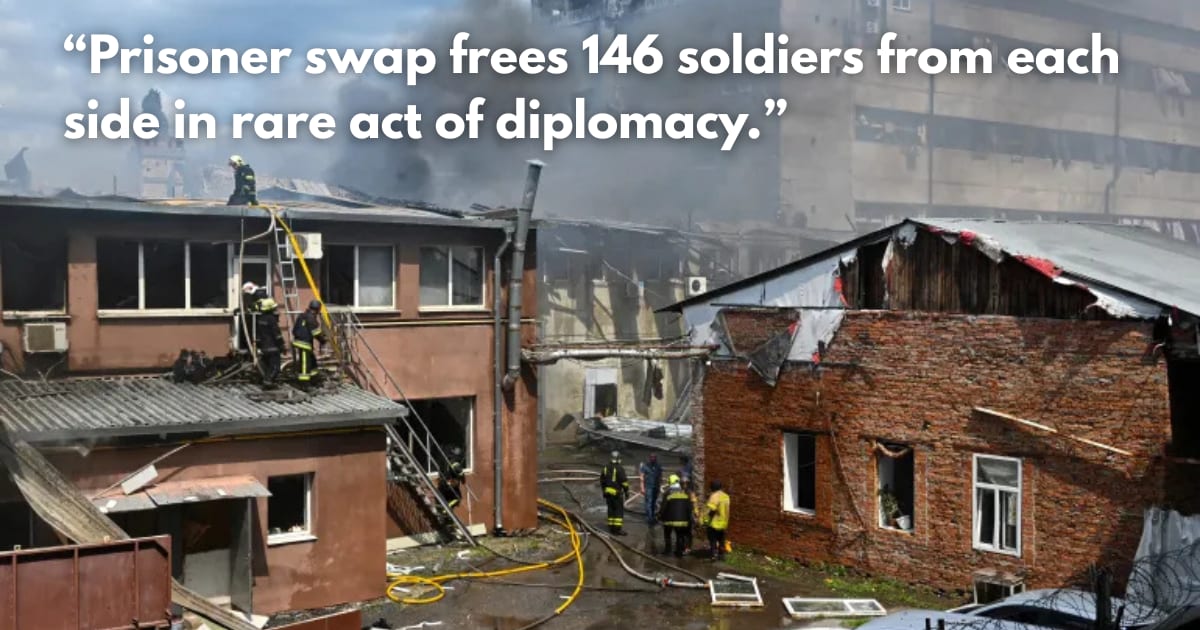
In the middle of the fighting, a rare act of cooperation took place when Russia and Ukraine swapped 146 prisoners from each side. The deal was arranged by the United Arab Emirates, which has been quietly helping with peace talks in the conflict.
For the families of those who were released, it was a small but meaningful moment of comfort in a time of constant worry. Ukrainian President Volodymyr Zelenskyy thanked the involved parties and said Ukraine would keep working hard to bring back all its soldiers.
Although these exchanges are much smaller than the ongoing war, they show that there are still ways to show compassion and keep lines of communication open.
International Support and Diplomacy
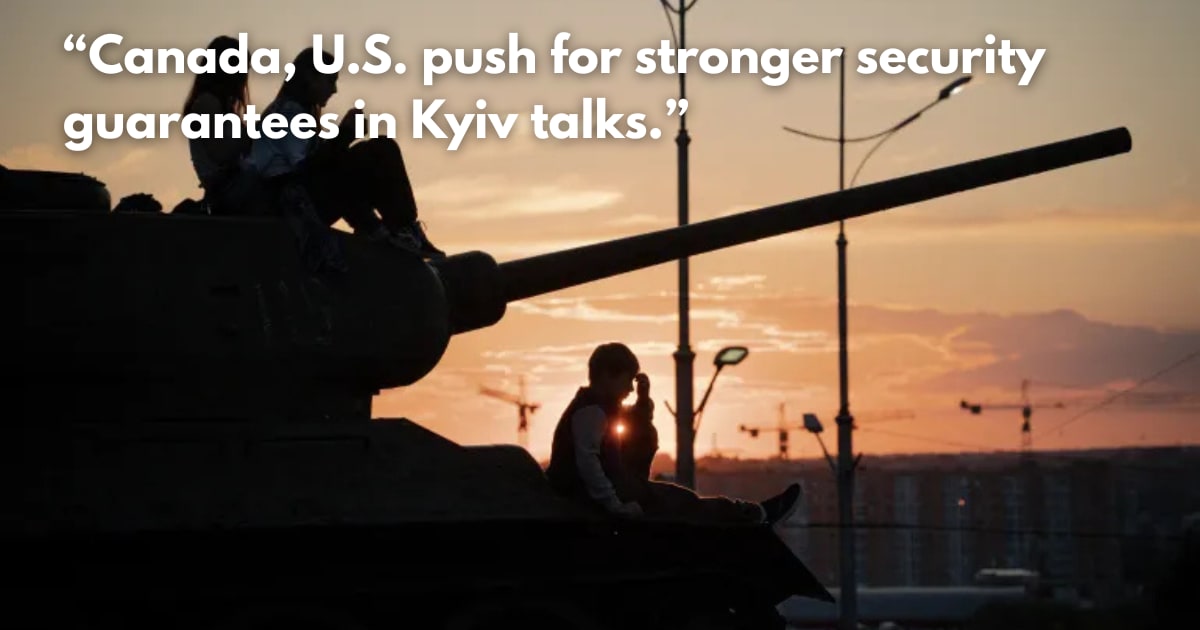
Diplomatic efforts were a big part of the weekend news. Canadian Prime Minister Mark Carney travelled to Kyiv to join President Zelenskyy at the Independence Day event. During his visit, Carney said Canada would support Ukraine’s efforts to get international promises of security in any future peace agreement.
Carney told reporters, “It’s not realistic to think Ukraine can protect itself just by using its army.” He added, “Support from around the world is necessary to make sure Ukraine stays independent.” Along with Carney, Keith Kellogg, the U.S. special envoy for Ukraine, met with Ukrainian leaders to talk about both military teamwork and agreements on minerals. These talks show that the war is now affecting global trade, especially rare earth minerals that are important for making technology and weapons.
On the other hand, U.S. Vice President JD Vance said Russia had already made “big moves” in talks. He mentioned that Russia now admits it can’t force a government in Kyiv and has agreed in principle to give Ukraine protection for its borders.
Russia’s Foreign Minister, Sergey Lavrov, suggested a group of trusted countries, including some members of the UN Security Council, could help manage Ukraine’s safety in the long run. Experts believe this might be Russia’s way of delaying decisions while it strengthens control over areas it has taken.
Global Impact and Local Concerns
For people not near the fighting, the war is still causing problems. High prices for food and fuel and safety risks are clear results of the ongoing conflict. Countries in South Asia, like India, are especially worried about changes in food supplies, as Ukraine is a major exporter of wheat and Russia supplies a lot of fertilisers.
According to BBC News, the war has changed NATO’s plans, made European countries spend more on defence, and led to new partnerships in Asia and the Middle East. People in South Asia might not feel the war directly, but its effects—like higher prices, food shortages, and changes in how countries relate to each other—are felt around the world.
Looking Ahead
After more than three years, the war isn’t ending. Every day brings more deaths, changes in who controls villages, and dangerous situations near nuclear sites. Still, there are moments when prisoners are exchanged and top leaders talk, showing that there’s still hope for talks.
Right now, the world is watching as Ukraine fights to keep its country safe and Russia tries to take more land. With winter coming to Eastern Europe, both the military situation and the needs of people in need are going to get worse. As countries like Canada and the United States speak up for long-term safety, the next big steps in this war might not just happen on the front lines but also in meetings around the world.
Our primary goals at FazTimes Media are to be accurate and confident and adhere to the highest journalistic standards. We check every news story we share against several trustworthy and separate sources to ensure its accuracy.
We have reviewed this report, along with articles from major news outlets worldwide, including BBC News, Reuters, Bloomberg, Al Jazeera, NDTV, The Economic Times, and The Indian Express.
We want to keep the highest standards in global journalism so that our readers can trust the information they acquire.


Discussion0
Join the conversation on this story
Loading comments...