
US to Impose Additional 25% Tariffs on India from August 27
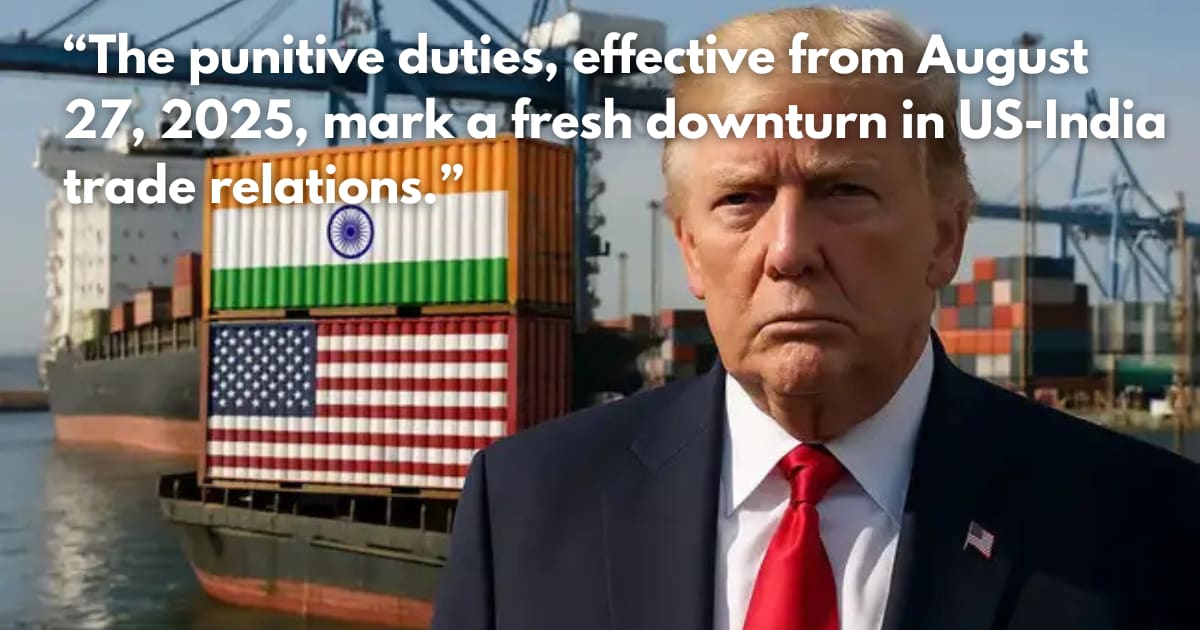

FazTimes Media, Washington/New Delhi: The United States has implemented a new policy that has triggered significant reactions in global markets. It has announced new tariffs of 25 per cent on goods from India, which will start on August 27, 2025. This latest move was announced by the US Department of Homeland Security and shows that trade tensions between India and the US are getting worse. The official notice says these tariffs will apply to all products brought to the US from India for use within the country from that date forward.
According to reports from NDTV, the US is linking this action to India's ongoing purchase of Russian crude oil. The US government, which is still under the Trump administration, says that buying Russian oil helps Moscow keep fighting in Ukraine.
This is not the first time the US has taken such steps. Before this, the US had already imposed heavy tariffs on several Indian products. Experts say that putting these new tariffs in place could harm the growing economic relationship between the two countries, which had been improving over the past ten years.
Why Did the US Take This Step?
The US government links its actions to the ongoing conflict with Russia. The US is trying to reduce Russia's financial support by cutting off its access to global markets. The US claims that by buying Russian oil at lower prices, India is helping Russia maintain its war efforts even though the world has imposed sanctions on Moscow.
A senior US official, as reported by Reuters, stated:
"These measures do not target India's development." They are about making sure Russia doesn't find ways to get around sanctions through its allies and trading partners.”
But many experts believe that India, like other countries, buys Russian oil because it needs it for economic reasons and to ensure a stable energy supply, not because of political reasons.
India’s Response: “We Will Stand Strong”
At home, Prime Minister Narendra Modi talked about the issue during a rally in Ahmedabad, stressing that New Delhi will not give in to international pressure. No matter how much pressure we face, India will continue to grow stronger. We will stand by our farmers, small businesses, and industries.”
The prime minister emphasised that economic strength and self-reliance would be India’s main protection against such challenges. He also said that his government would provide direct help to entrepreneurs, agricultural workers, and the livestock sector to reduce the effects of the tariffs.
India's dependence on oil makes it difficult to suddenly change policies. “We cannot risk energy shortages or very high fuel prices for our people,” said a government official who didn’t want to be named.
Possible Economic Fallout
The new tariff system is likely to affect many Indian exports, such as textiles, agricultural products, and small-made goods.
Political Undertones
The choices made by the Trump administration have sparked discussions about how politics might be influencing economic decisions. Many Indian political writers think the tariffs aren't just about oil but also about the US election, where being “hard on trade” is often used as a way to gain votes.
As Al Jazeera pointed out, “The US has often talked about strong friendships with India in Asia, but trade disagreements show how tricky it is to balance friendship with competition.”
New Delhi is showing it won’t give up its freedom to make its own decisions. It keeps working with different countries around the world to protect its interests.
Experts are calling for talking instead of fighting.
Several economists and experts in foreign policy have said that discussion is better than conflict.
Dr Rakesh Mohan, who once worked at the Reserve Bank of India:
India needs to focus on its energy needs and seek other sources of supply. At the same time, the USA should not push India too hard, as working together with India is important for bigger plans in the Indo-Pacific region.”
Some people believe that these new taxes might not be a good idea. They argue that this could lead India to strengthen its ties with other countries, such as Russia, China, and oil exporters in the Middle East.
The Bigger Question: What's in It for India?
In a speech, Prime Minister Modi said, “In today's world, every country tries to look after its interests. India should do the same.” This development shows a bigger trend where countries are looking out for themselves more, and old alliances are being tested by things like energy needs, supply chains, and national interests.
According to The Hindu, India has bought almost twice as much oil from Russia since 2022. This is because the cheaper oil helps keep inflation low in India. Some people say it's unfair to punish India for choosing Russia, since the global economy can be tough.
What Comes Next?
Will India hit back with its tariffs? Or will there be secret talks to ease the situation?
Currently, India seems ready to stand firm, showing strength and confidence even when facing pressure.
Conclusion
Putting a 25% tax on Indian goods from the US is more than just a trade issue. While this move will impact businesses and individuals, it also has the potential to assist India in exploring new markets, expanding its own industries, and demonstrating its global competitiveness.
As things settle, one thing is clear: the future of US-India relations will depend on careful talks, smart trade changes, and a shared belief that big problems can't be solved by just looking out for ourselves.
Our primary goals at FazTimes Media are to be accurate and confident and adhere to the highest journalistic standards. We check every news story we share against several trustworthy and separate sources to ensure its accuracy.
We have reviewed this report, along with articles from major news outlets worldwide, including BBC News, Reuters, Bloomberg, Al Jazeera, NDTV, The Economic Times, and The Indian Express.
We want to keep the highest standards in global journalism so that our readers can trust the information they acquire.


Discussion0
Join the conversation on this story
Loading comments...