
HHS Orders States to Remove 'Gender Ideology' from Sex Ed
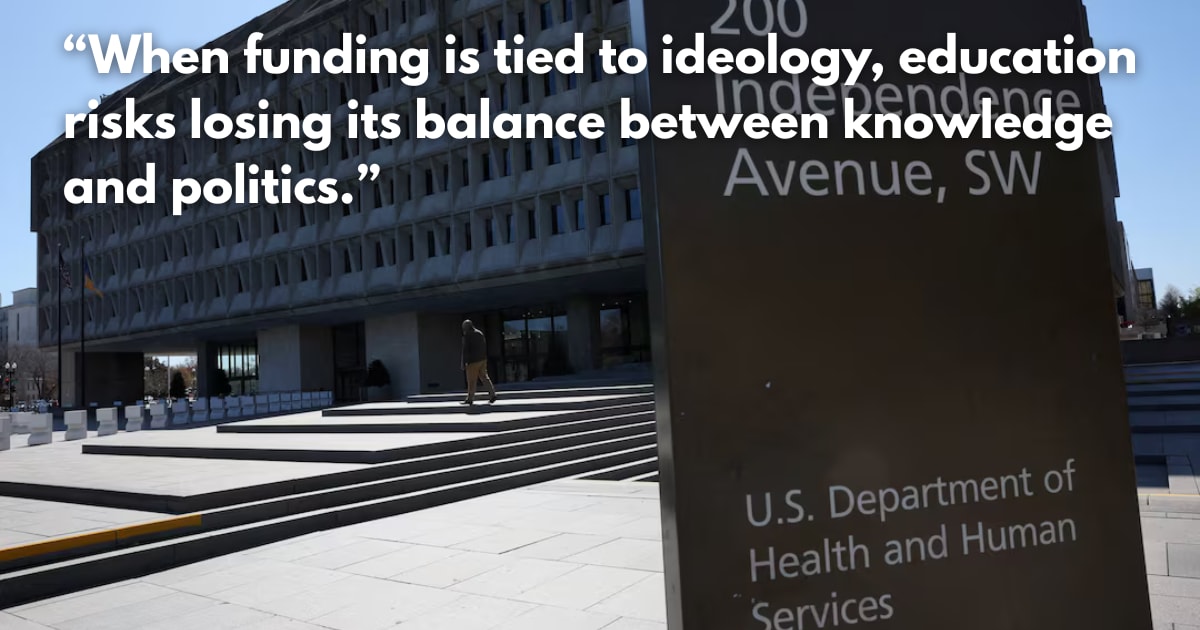
A Political Backdrop
We can't look at this HHS action on its own. It's part of a bigger national discussion—sometimes very heated—about gender and sexuality in schools, sports, and other public places. Recent efforts have worked to roll back policies that support transgender rights. During Donald Trump's term in office, the administration stopped transgender people from joining the military, limited transgender athletes from competing in women's sports, and withdrew federal support from education programs that were seen as promoting "gender ideology."
Those who back the latest HHS rule say the agency is just going back to what PREP was meant to do—teaching sex education that focuses on biology, abstinence, and birth control. But critics argue the government is ignoring the identities and needs of transgender and LGBTQ+ youth.
“According to Al Jazeera, advocacy groups are worried that removing discussions about gender identity will hurt already vulnerable young people who often deal with bullying, mental health problems, and a higher risk of becoming homeless.”
The Stakes for Students
For many teachers and community leaders, this rule brings up a serious question: Can you teach sexual health without talking about gender and identity?
Health experts say gender identity issues often connect with health problems. LGBTQ+ youth are more likely to face discrimination, depression, and trouble getting medical care. Supporters of including them in sexual health education believe leaving them out could make these problems worse.
Dr. Elaine Rodriguez is a public health researcher based in New York.
“Teaching sexual health without recognising gender diversity is like teaching nutrition without mentioning different dietary needs. You're ignoring a real part of people's lives. And when young people feel invisible, the effects on their mental health can be really bad.”
On the other hand, opponents say federal programs should steer clear of cultural arguments. They argue that parents, not schools, should decide when and how children learn about complex topics like gender.
Voices on the Ground
People in places like Alabama and West Virginia, known for their traditional views on education, expect officials to swiftly implement the HHS order. makers have even supported the directive, calling it a way to bring back “store values”.
However, more progressive states like New York and Massachusetts, where education that includes all students has been a key part of their policies, are already experiencing pushback. Rights groups are considering taking legal action against the federal order, arguing that it violates constitutional rights and harms students.
Emily Turner, an LGBTQ+ rights activist from Massachusetts, expressed her anger:
“The government is saying our kids don’t matter. It’s not just about money—it’s about respect and being seen. Taking out gender identity from the curriculum sends a harmful message to young people who are already feeling left out.”
A Deep Divide in Public Opinion
Recent polls show a split in US opinion on the issue. According to a Pew Research Centre study, most Republican voters support limiting how much schools teach about gender identity, while Democratic voters strongly disagree.
This divide reflects a bigger cultural disagreement that goes beyond schools into sports, healthcare, and even jobs. Experts think the directive might bring both sides closer to action before the next elections, making education policy a key topic in national politics.
What Comes Next
The states and regions affected now have a short time to follow Tobey. They only have 60 days to change their textbooks, training guides, and lesson plans. If they don’t, they might lose federal funding—something that could hurt their education budgets, especially for states with fewer resources.
Legal experts say the fight isn’t over. States are probably going to sue over the HHS order in federal court. The result could decide how much control the federal government has over what’s taught in schools.
A Crossroads Moment
Currently, the future of PREP is not clear. Will the states follow the HHS order to keep the funds safe, or will they fight legally to maintain their inclusive teaching programs?
Our primary goals at FazTimes Media are to be accurate and confident and adhere to the highest journalistic standards. We check every news story we share against several trustworthy and separate sources to ensure its accuracy.
We have reviewed this report, along with articles from major news outlets worldwide, including BBC News, Reuters, Bloomberg, Al Jazeera, NDTV, The Economic Times, and The Indian Express.
We want to keep the highest standards in global journalism so that our readers can trust the information they acquire.


Discussion0
Join the conversation on this story
Loading comments...