
Punjab Floods: Thousands Stranded on Rooftops Await Relief


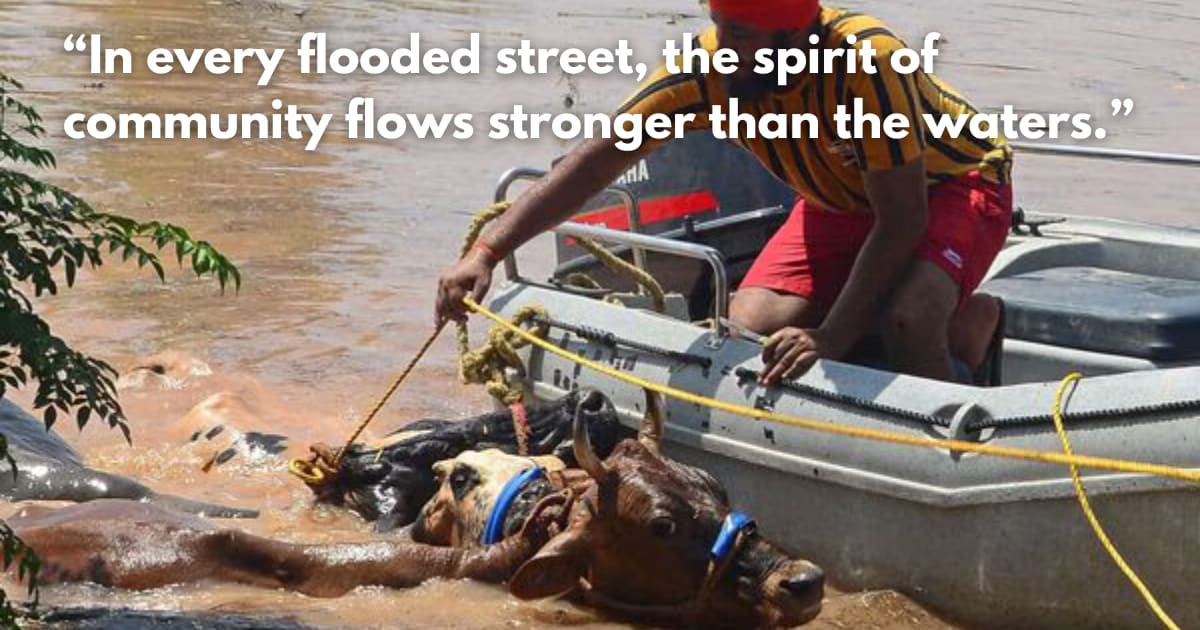

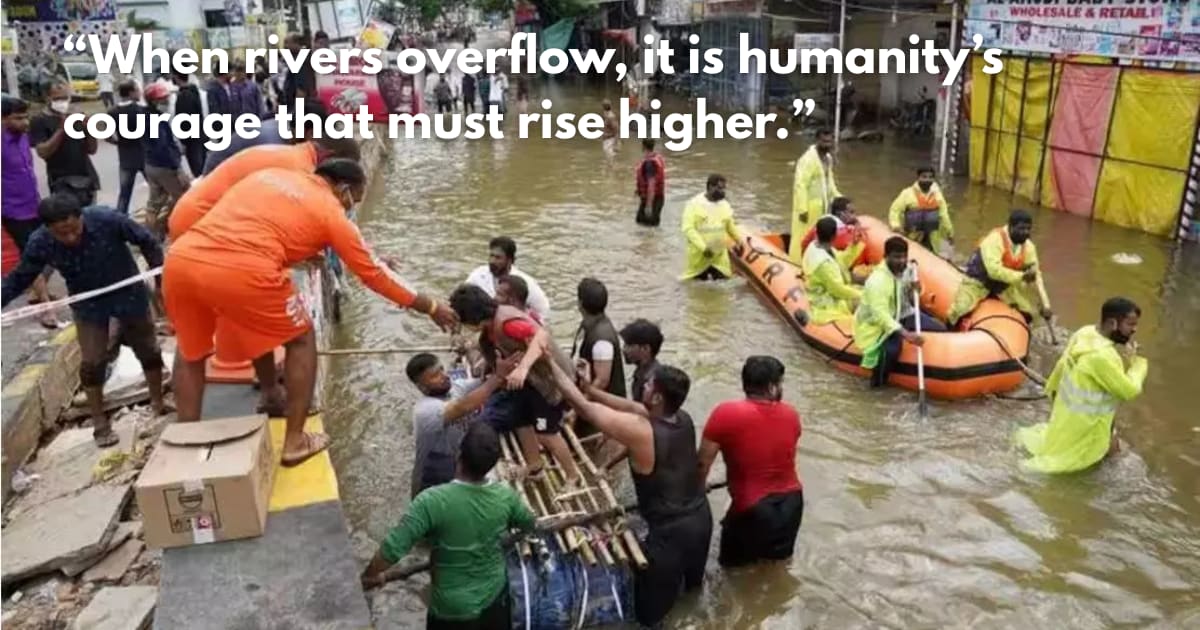
FazTimes Media, Chandigarh: Heavy rain, swollen rivers, and failed embankments have once again trapped thousands of families in different parts of Punjab. From Gurdaspur to Ferozepur, and from Pathankot to Amritsar, people are spending nights on rooftops, waiting for food, water, and help because their homes and fields are underwater.
Officials say the continuous rain and the release of too much water from dams have made it look like a flood in many parts of Punjab. Farmers, already grappling with increased farming costs, face significant challenges due to the destruction of numerous crops, particularly new rice plants.
Thousands Trapped on Rooftops
Families in the flooded areas spent the night on rooftops as water came into their homes. “We have no clean water, no food, and no feed for our animals. We are waiting for supplies to come,” said a farmer in Ferozepur, whose family of seven has been stuck since Tuesday evening.
BBC News says border areas like Gurdaspur, Ferozepur, Tarn Taran, Pathankot, and Amritsar have been hit the hardest. Other areas, including Hoshiarpur, Jalandhar, Kapurthala, Ropar, Anandpur Sahib, and Fazilka, are also affected, with families losing their homes and income.
Border Security Force Steps In
Even the Border Security Force (BSF), typically responsible for guarding the India-Pakistan border, is now assisting those in need. The floodwater damaged or washed away many BSF posts near the border. In Ferozepur, BSF teams navigated the rising Sutlej River in boats to rescue villagers. The force also acted quickly when floodwater entered an army camp nearby. “Our people saved six Army soldiers, along with weapons and important equipment, making sure both people and important things were safe,” said a BSF official in a statement posted on X.
Indian Air Force Starts Big Rescue Missions
The Indian Air Force is conducting significant rescue operations to assist those stranded due to the floods. In Pathankot, they used helicopters to rescue 46 people trapped on rooftops. Moreover, the Indian Air Force dropped over 750 kilogrammes of crucial relief supplies, including food, medicine, and clean water, into completely cut-off areas.
In Gurdaspur, another big rescue happened. The rising water levels trapped 38 soldiers from the Army and 10 Border Security Force (BSF) personnel. They had to be lifted out of the water using special equipment.
Furthermore, three floodgates at the Madhopur headworks near Pathankot broke because of the heavy flow of water.
This made it even harder for rescue teams to work.
The Punjab Chief Minister, Bhagwant Mann, has told all ministers, MLAs, and senior officials to stay in their areas and help the people. He said, “This is a time when everyone has to work together. Leaders and officials shouldn’t be in their offices while people are in danger. They should be on the ground helping.”
District officials have been working around the clock to move people to safer places. In Amritsar, Deputy Commissioner Sakshi Sawhney and Senior Superintendent of Police Maninder Singh were seen helping families move to higher ground using tractors and boats. A government official told reporters that officers are even entering the flooded areas to make sure everyone is safe.
Sant Balbir Singh Seechewal Helps People
Eco-activist and Member of Parliament Sant Balbir Singh Seechewal, who is famous for cleaning up the Kali Bein river, has been one of the first people to reach the most affected areas. He and his volunteers are delivering food and other supplies by boat in Jalandhar and Kapurthala districts.
He said, “Our team is also helping the government fix the broken parts of the water barriers. Many families have lost everything, and the only hope they have is timely help.” His group has already provided aid to over 400 villages, including Ropar, Anandpur Sahib, and Kapurthala. Al Jazeera reported that the losses from this year's flooding could be in the hundreds of crores, making it harder for small farmers who rely on seasonal harvests.
More than 400 villages are underwater, and thousands of people have had to leave their homes. Punjab is facing a big humanitarian problem that needs both quick help and long-term solutions. Experts say the state needs better systems for managing rivers, stricter rules on building in flood areas, and newer infrastructure to deal with extreme weather.
Our primary goals at FazTimes Media are to be accurate and confident and adhere to the highest journalistic standards. We check every news story we share against several trustworthy and separate sources to ensure its accuracy.
We have reviewed this report, along with articles from major news outlets worldwide, including BBC News, Reuters, Bloomberg, Al Jazeera, NDTV, The Economic Times, and The Indian Express.
We want to keep the highest standards in global journalism so that our readers can trust the information they acquire.


Discussion0
Join the conversation on this story
Loading comments...