
Chicago Residents Prepare for Possible Trump National Guard Deployment


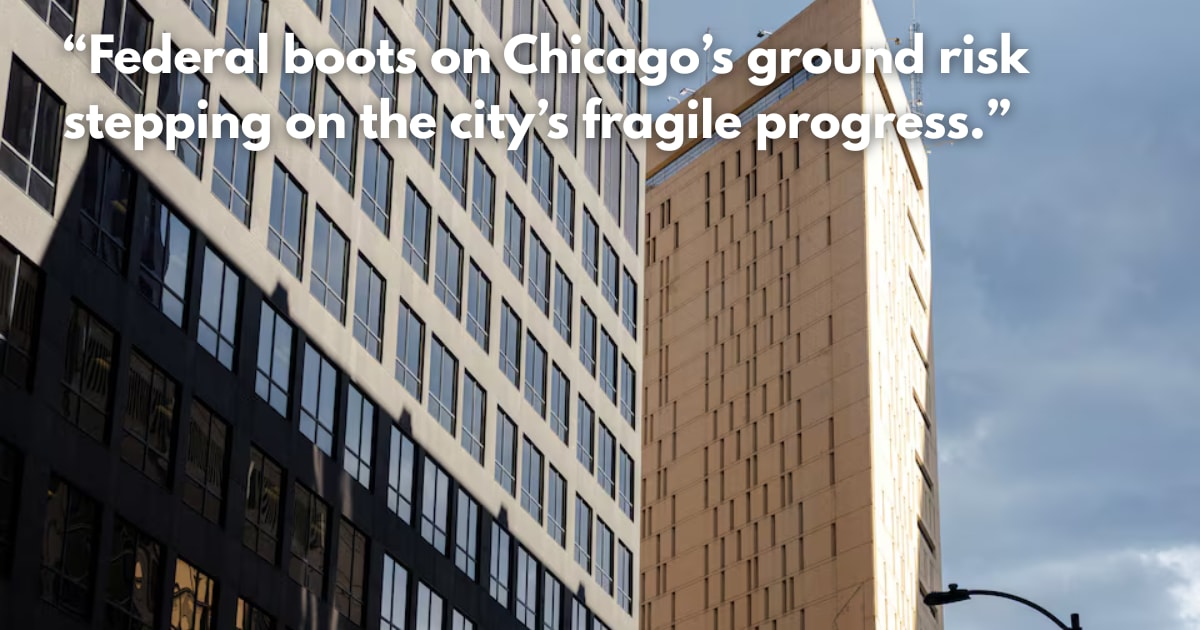
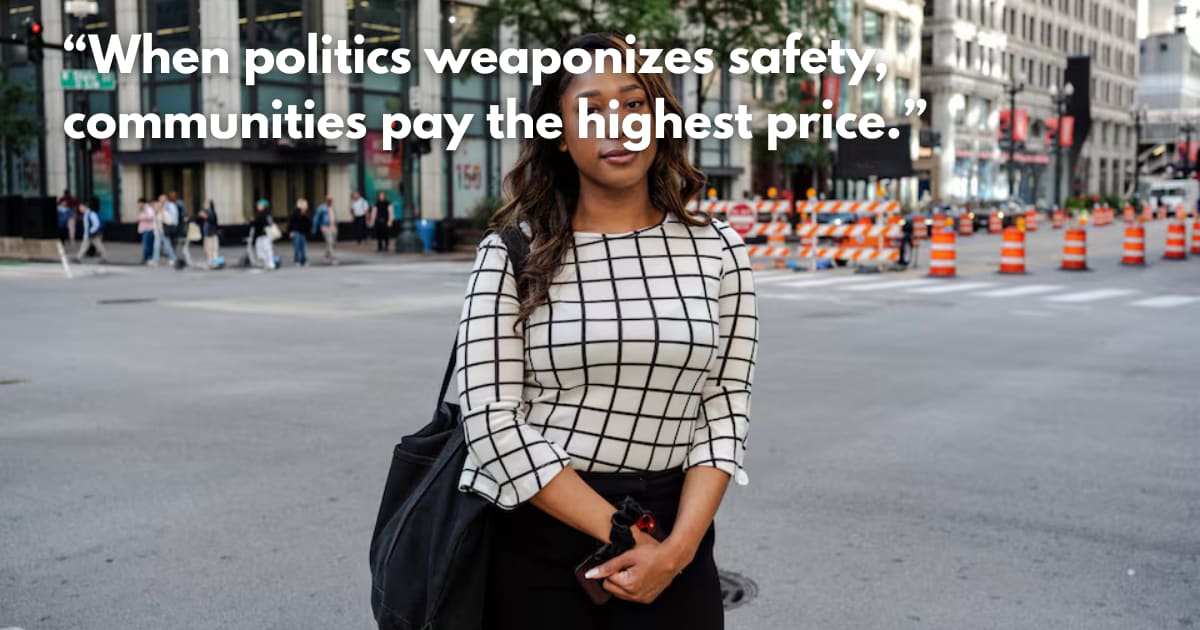


FazTimes Media, Chicago, August 28 – Tension is growing slowly in Chicago as people, city leaders, and community groups get ready for the chance that U.S. President Donald Trump might send National Guard troops and federal immigration officers into the city. Trump has been talking about this recently, and it has caused a lot of discussion and brought up old worries about how to balance public safety, people’s rights, and the power of the federal government.
Chicago has had National Guard troops before, but this time it might be different. In the past, local officials worked closely with the federal government, but Trump’s idea seems more like a strong federal action. The proposal has been strongly opposed by Illinois Governor J.B. Pritzker and Chicago Mayor Brandon Johnson.
Standing alongside senior Democratic leaders along the city's riverfront this week, Governor Pritzker made it clear: "Mr President, don't come to Chicago." You are not welcome and not needed here.”
Legal Struggles and Few Choices
City and state officials are quietly getting ready for what they think could be a difficult and uncertain situation. According to Al Jazeera, Illinois’ Attorney General Kwame Raoul is already working on legal plans to fight against a troop deployment if it happens. Legal experts say that under U.S. law, especially the 19th-century Posse Comitatus Act, the president can’t send in the military to enforce civilian laws without the state’s agreement.
But while sending in the military is hard, the president can still send in Immigration and Customs Enforcement (ICE) agents. That possibility is already causing worry among immigrant communities in Chicago, where the city’s “sanctuary” status has always been a big political issue.
Community Concerns: Trust in Danger
Many local leaders worry that bringing in outside forces could damage the trust that has been slowly built between residents and police over the years. René Hall, president of the National Organisation of Black Law Enforcement Executives, said, "Bringing people with no connections and no training into the mix could create a bad relationship between local police and federal agencies." This approach would reverse progress by 20 steps.
Local groups in the South and West Sides—areas that face a lot of gun violence—are especially worried.
Volunteers and social workers in these communities say that having federal troops on the streets won’t resolve the real problems that cause crime, like poverty, lack of jobs, and poor schools. Instead, they think it could make things worse, especially in places where people already don’t trust the police.
Trump’s Reason: Crime in Chicago
Trump has been saying that Chicago is in a dire situation and that the city is a “disaster”. His supporters, including some Illinois Republicans, believe that stronger federal help is needed to stop violence. State Senator Neil Anderson, a Republican, said in a statement, “Families need leaders who will finally make Chicago safe.”
But the data shows a different story. According to the Chicago Police Department, fatal shootings from January to late August have gone down by more than a third compared to the same time last year. Although July still had a high number of killings, it was lower than in some other big cities like Washington, D.C., and New Orleans.
Researchers at the University of Chicago’s NORC institute say that the drop in shootings isn’t just happening in Chicago. Other U.S. cities are observing similar trends. They believe the improvement is because of billions of dollars in federal funds given during the pandemic for community programs, schools, and police support.
However, some of that money has been cut. BBC News reported that the Trump administration reduced over $150 million in grants for violence prevention earlier this year. The move has raised questions about how serious the president is about fighting crime.
Migrants, Sanctuary Rules, and Politics
Besides crime, immigration has become a big topic in the discussion. Chicago is known as a sanctuary city, which means it protects people who are not citizens. Because of this, it has been a target for criticism from Donald Trump. Since 2022, tens of thousands of migrants—many coming on buses from Texas and other southern states—have arrived in Chicago. By mid-2023, more than 46,000 migrants had been placed in shelters, which has led to loud arguments about resources, housing, and how well the city’s systems are working.
People who support Trump, like Danielle Carter-Walters from Chicago Flips Red, say sanctuary policies have made city systems too busy. Earlier this year, she told Congress, "Chicago is drowning because it is a sanctuary city."
The fear of a federal raid has been a significant source of concern for Chicago residents. Even permanent residents and U.S. citizens with Latino backgrounds experience anxiety about wrongful detention. Groups like The Resurrection Project are working hard to train more people in legal matters and grow their team, expecting more government action.
People in Chicago have different opinions. On the South Side, Joleen Reese, a mother of four, feels "relatively safe" but keeps her children indoors after dark. She doesn’t like Trump’s ideas and would rather have positive jobs and investment than more troops in the streets.
MWyatt, who works downtown, believes that federal assistance is necessary. "We require assistance," he stated, drawing attention to the rising rate of homelessness and the closure of numerous shops in the city centre.
This split shows a bigger picture: even though crime has gone down, the sense of safety is still shaky.
A survey conducted by NORC earlier this year found that almost half of Chicago residents still feel unsafe walking in their neighbourhoods at night.
What Comes Next?
The main question now is whether Trump will follow through on his threat—and if he does, what that means for Chicago’s future. Some experts think this move is as much about national politics as it is about local crime, with Chicago acting as a symbolic battleground before the 2024 election.
AA Duncan, a former U.S. education secretary and founder of a violence prevention group called Chicago CRED, said the plan is more about creating a certain image than safety. “Putting the National Guard in the city brings to mind Klan patrols—that’s the image he wants, and it’s very disturbing,” Duncan said to reporters.
Civil rights groups are ready to fight against any big federal presence. They are planning peaceful protests and setting up legal challenges. Craig Futterman, a law professor at the University of Chicago, explained the legal issues by saying, “A basic rule in our legal system is that we don’t use our military against our citizens.”
A City Holding Its Breath
Currently, Chicago is waiting. City lawyers are writing legal documents, immigrant advocates are training volunteers, and neighbourhood leaders are holding meetings to calm residents. On the streets, people are going about their daily lives—children go back to school, workers ride the train to work, and shopkeepers open their stores each morning. Yet, beneath the usual rhythm of daily life, there’s a sense of uncertainty.
No matter if federal troops come or not, one thing is clear: Chicagoans are preparing for a political conflict that will test not only their city’s strength but also the bigger question of how the United States balances security, freedom, and democracy.
Our primary goals at FazTimes Media are to be accurate and confident and adhere to the highest journalistic standards. We check every news story we share against several trustworthy and separate sources to ensure its accuracy.
We have reviewed this report, along with articles from major news outlets worldwide, including BBC News, Reuters, Bloomberg, Al Jazeera, NDTV, The Economic Times, and The Indian Express.
We want to keep the highest standards in global journalism so that our readers can trust the information they acquire.


Discussion0
Join the conversation on this story
Loading comments...