
Germany, France, UK Trigger Sanctions on Iran Amid Nuclear Concerns


FazTimes Media: A new wave of tension has appeared around the world as Germany, France, and the United Kingdom—known together as the E3—have started the process to bring back United Nations sanctions on Iran. This announcement comes after several weeks of talks that didn’t lead to any progress in restoring the 2015 nuclear deal, which is also called the Joint Comprehensive Plan of Action (JCPOA).
This action could change how Iran interacts with other countries and affect the balance of power in the Middle East. For people who closely follow international politics, it's important to know why this is happening, what is at risk, and how it might influence regional security.
What Caused This Move?
The foreign ministers from the E3 officially informed the UN Security Council on Thursday that Iran has repeatedly broken the JCPOA. The letter says Iran has built up its supply of highly enriched uranium, which experts say could be a step towards making nuclear weapons.
The ministers wrote that since 2019 and up to now, Iran has been refusing to follow its JCPOA obligations.
They claim the uranium stockpile has no valid reason related to civilian use. As reported by BBC News, this step activates the “snapback mechanism”, a part of the original nuclear agreement that allows for a quick reapplication of UN sanctions if Iran is found to be in violation.
This decision gives 30 days before sanctions go back into effect unless all UN Security Council members agree to block them. Iran has strongly opposed the actions taken by the E3 group. Foreign Minister Abbas Araghchi called the move “unjustified, illegal, and without any legal basis.” He said Tehran will respond in a way that protects and secures its national rights and interests.
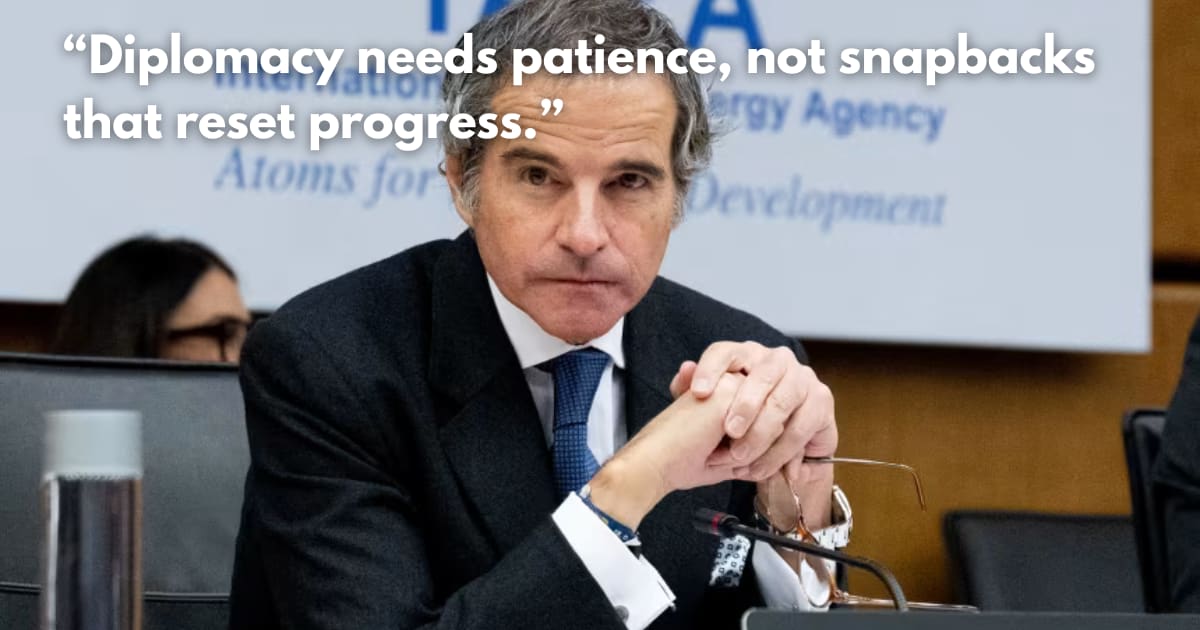
But Iran hasn’t ruled out talking. Officials say they are still open to dialogue, but only if European countries are sincere and honest in their approach. According to Al Jazeera, Iranian Deputy Foreign Minister Kazem Gharibabadi asked the international community to give diplomacy “time and space” instead of moving too quickly towards punishing measures.
If the sanctions are reimposed, Iran will face limits similar to those before the 2015 agreement was signed:
A ban on buying or selling most weapons.
Tight restrictions on developing ballistic missiles.
Freeze assets and ban travel for key people and groups linked to Iran's nuclear program. Combined with existing U.S. penalties, these measures would heavily impact Iran’s economy, which has already been struggling due to years of isolation and recent military tensions.
The timing of the E3’s decision is crucial. Ongoing talks in Geneva and other locations have not resulted in significant progress. Analysts say recent events, including Israel’s attacks on Iranian nuclear and civilian sites in June and changes in the U.S. stance, made things more complicated.
Iran, which denies wanting nuclear weapons, had been having indirect talks with the U.S. through European intermediaries. But those discussions ended after the joint Israeli and U.S. attacks that killed hundreds inside Iran. Al Jazeera’s Gabriel Elizondo reports that the E3’s move doesn’t immediately bring back sanctions.
Instead, it starts a political process that allows for secret talks behind the scenes.
A Cycle of Escalation
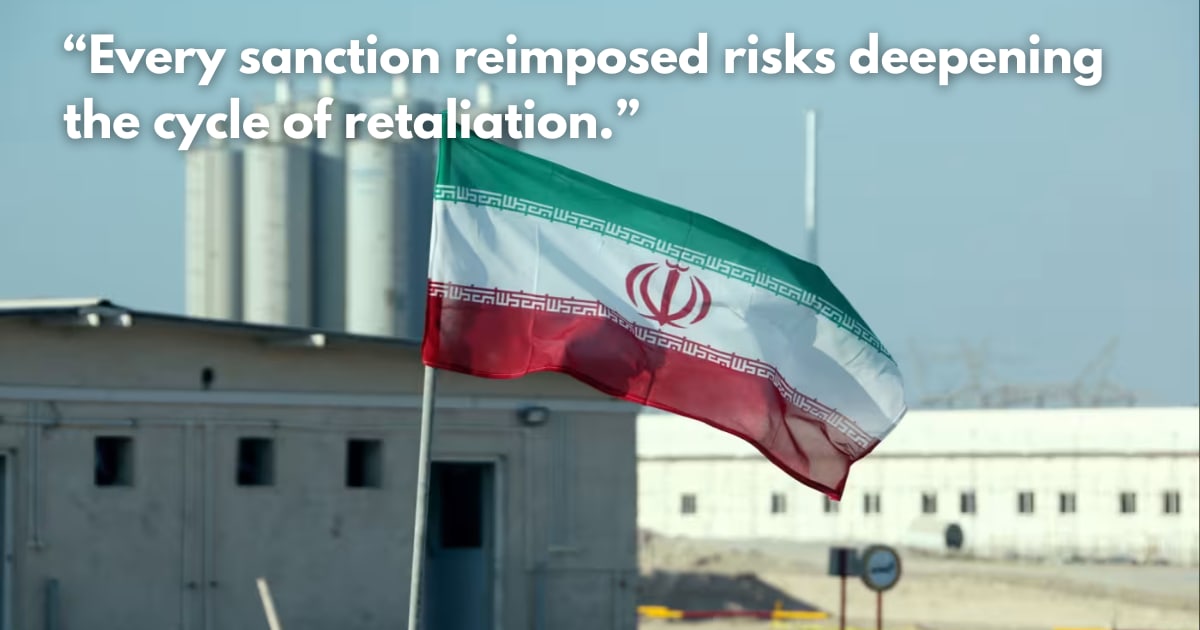
Experts are concerned that the latest actions could drive both sides deeper into a cycle of retaliation. Sina Toossi, a senior fellow at the Centre for International Policy, said Europe’s move looks more like an effort to push Iran into giving in quickly rather than a way to restore cooperation. He wrote for Responsible Statecraft that trust between nations is mutual, and Iran was attacked even though it was already in talks. Escalation could trap both sides in a cycle of pressure and retaliation with no way out.
The U.S. Role: Inconsistent Policies
Iranian officials and analysts often blame the U.S. for being inconsistent, which leads to instability.
As Al Jazeera Diplomatic Editor James Bays explained, Iran has always said it wants a peaceful nuclear programme.
How Iranians See It
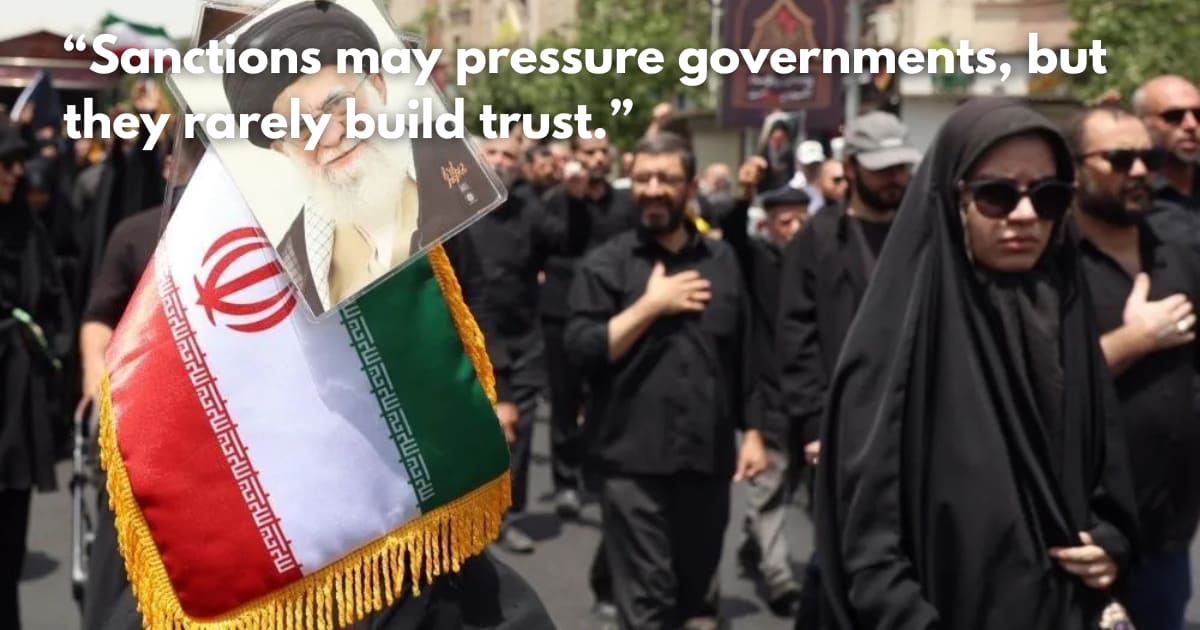
For regular people in Iran, the E3’s move has caused anger and frustration. Foad Izadi, a professor at the University of Tehran, told Al Jazeera that many believe Iran is being punished regardless of what it does. “Iran has tried agreements, Iran has tried diplomacy—nothing has worked. All Iran has seen are more sanctions, sabotage, and attacks on scientists,” Izadi said.
He added that some politicians are now suggesting Iran leave the Non-Proliferation Treaty (NPT), which is a major part of global nuclear rules. This move could greatly worsen the situation and make international security more unstable.
What Lies Ahead?
With a 30-day deadline before sanctions come back, there is a limited time left for diplomats to find a solution.
For Europe, the challenge is to manage pressure while still keeping lines of communication open. Much will depend on whether confidential negotiations can ease tensions before October, as BBC News pointed out.
Why It Matters for Local Readers
Even though this story might seem far away from daily life, its effects reach around the world.
Final Thoughts
The E3 group’s choice to use the snapback mechanism marks a big change in the complex story of Iran’s nuclear ambitions and its relationships with other countries. The next 30 days could determine whether diplomacy continues or if another period of sanctions, isolation, and conflict starts.
Our primary goals at FazTimes Media are to be accurate and confident and adhere to the highest journalistic standards. We check every news story we share against several trustworthy and separate sources to ensure its accuracy.
We have reviewed this report, along with articles from major news outlets worldwide, including BBC News, Reuters, Bloomberg, Al Jazeera, NDTV, The Economic Times, and The Indian Express.
We want to keep the highest standards in global journalism so that our readers can trust the information they acquire.


Discussion0
Join the conversation on this story
Loading comments...