
Sambhal Probe Report: Hindu Population Decline & Muslim Encroachment

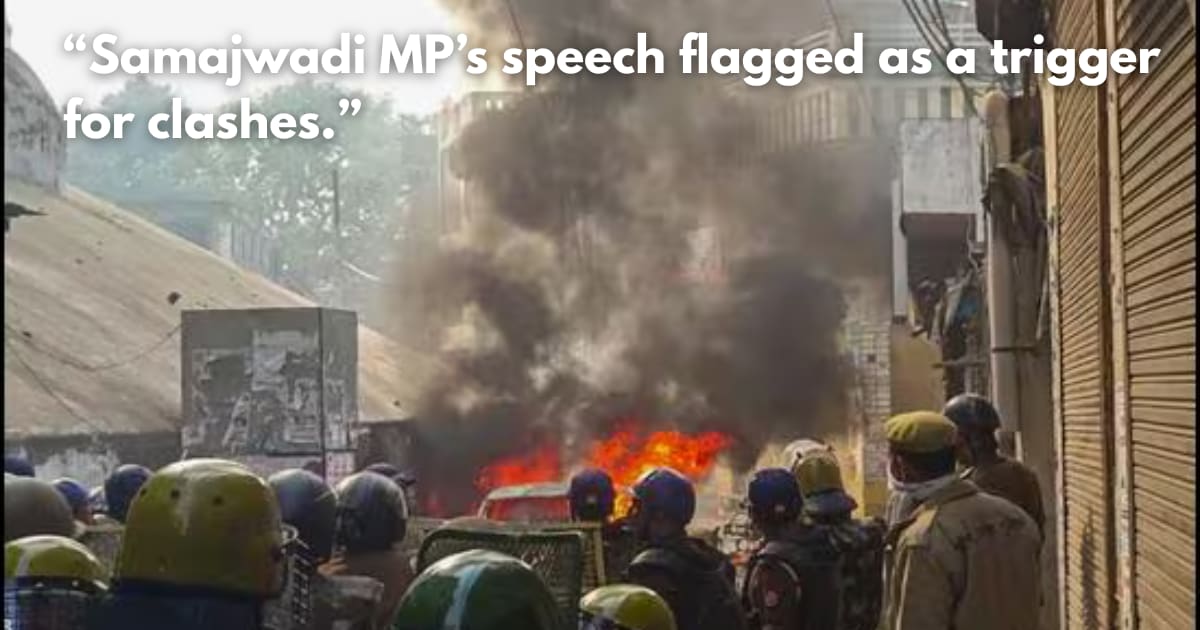


FazTimes Media, Sambhal, Uttar Pradesh – A secret report from a judicial commission about the violence in Sambhal has caused new political problems in the state. The incident happened in November after a disputed survey of the old Shahi Jama Masjid. It resulted in the deaths of five Muslims and injuries to many others, including almost thirty police officers.
Although the full report remains unreleased, government and political sources have revealed some details. These hints suggest the report follows a story that the current government has been pushing. The story links the violence to population changes, land disputes, past conflicts between communities, and provocative speeches made by politicians.
A three-person team, including a retired judge from the Allahabad High Court named Devendra Kumar Arora and two senior retired government officials, was set up to look into what happened. The Chief Minister, Yogi Adityanath, got a formal 400-page report from the commission on Thursday. Officials said the findings will stay private until the state cabinet reviews them and presents them to the legislature. But already, there is a lot of talking and debate about what the report might say.
Key Allegations in the Report
The Indian Express reports a connection between the unrest and larger issues involving community and politics. One of the reasons mentioned is a loud speech by Samajwadi Party member Zia ur Rehman Barq, which is said to have made people even more upset in a place that was already tense.
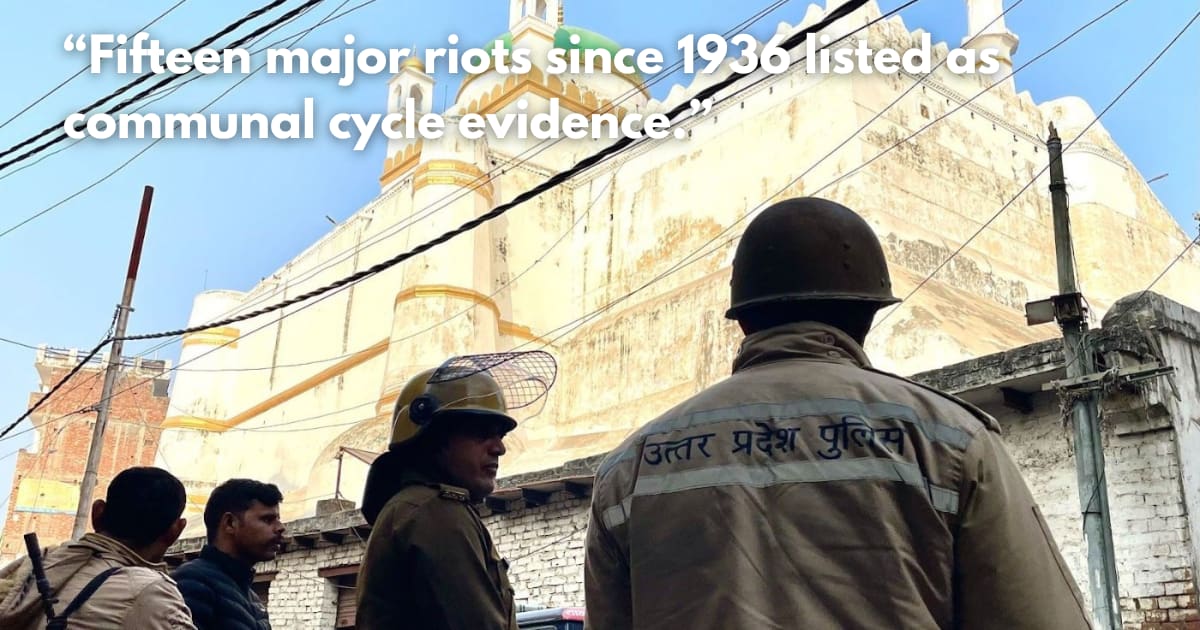
It says there were at least 15 big fights between 1936 and 2019, which together led to the deaths of more than two hundred people. By showing this history, the report suggests that the violence in November wasn’t a one-time event but part of a repeated pattern of fights between communities in the area.
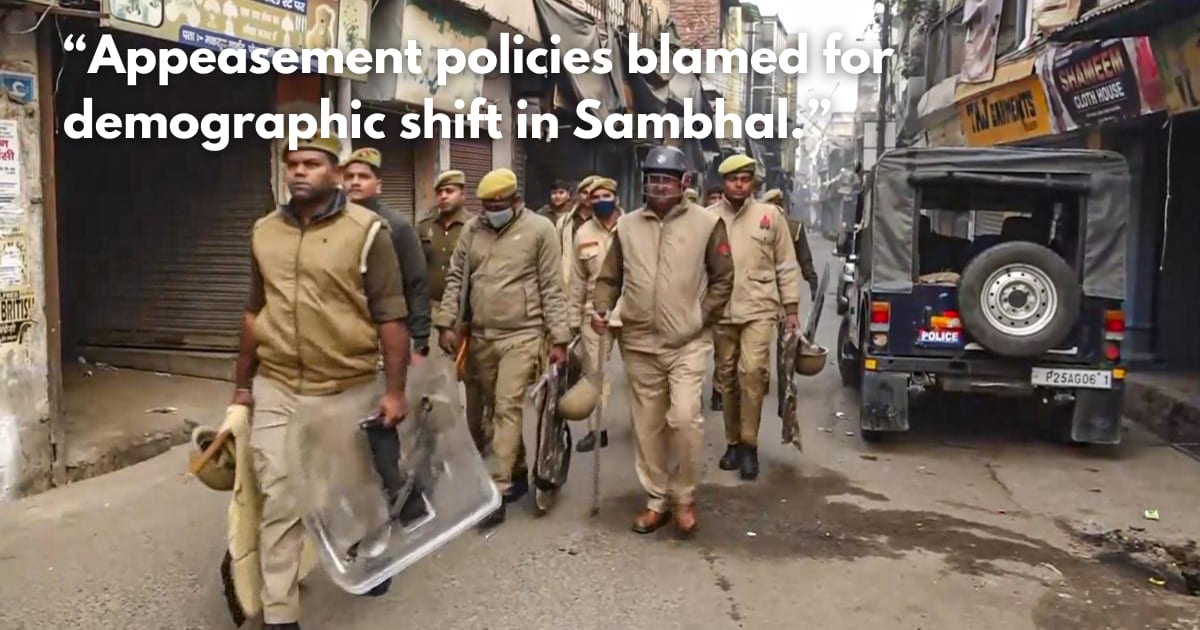
The commission is also thought to have pointed out what they call “appeasement policies”. They claim these policies led to changes in the population, and the number of Hindus in some parts of Sambhal has been decreasing over time.
Another point brought up in the leaked information is that some weapons used during the clashes came from overseas, including ones linked to the United States. If these claims are true, they could mean that outside groups or organised individuals are involved in the conflict.
The report also mentions issues like taking over holy Hindu wells and places, which have made people even more angry.
Political Fallout
It’s no surprise that the report’s findings have caused strong political reactions. BJP leaders have said the report will help them push harder to deal with what they call a "Hindu exodus" from some areas of Uttar Pradesh. In recent months, the state government has already removed what they say are illegal occupations from religious places, and they claim these actions are part of a bigger plan to "restore balance".
On the other side, opposition leaders have strongly criticised selective leaks. Samajwadi Party officials said the link between Zia ur Rehman Barq’s speech and the violence is politically motivated, and they accuse the ruling party of blaming minorities to divert attention from real problems like unemployment, rising prices, and struggles faced by farmers. A senior Congress leader said, "The real issues people in Uttar Pradesh are facing are unemployment, rising prices, and farmers’ distress." Instead of dealing with these, the government is pushing a communal agenda that makes people more divided.
Historical and Social Context
Sambhal, in western Uttar Pradesh, has always been a place where tensions between different communities have been high. The district has a mix of people, with Muslims constituting the majority in many areas. The problems usually come from land fights, fights over religious places, and political actions that divide people based on their identity.
The latest unrest started in November last year when Hindu people went to court to say that the Shahi Jama Masjid, built in the 16th century, was built on the remains of a destroyed temple. The court requested two surveys to investigate the site.
The second survey, on November 24, turned into a violent clash between local groups and security forces.
The clash resulted in the deaths of five Muslims, the injuries of dozens, and extensive property damage. Following this, the police initiated cases against thousands of unidentified individuals, leading to numerous arrests.
According to BBC News, the government then took action by carrying out large-scale demolitions at many sites that they claimed were illegal. However, critics say these actions made Muslims in the district feel more isolated and unwanted.
Humanitarian Concerns
The families of those who died are upset about the slow process for getting compensation and the lack of responsibility taken by security forces accused of using too much force. Groups that work with the public have also said that looking at the event only through a religious community angle is not helpful. Al Jazeera reports that experts are worried about how linking population changes to violence can make whole communities look bad and cause more division.
Call for Transparency
Opposition parties and civil society groups are advocating for the public release of the report to uphold transparency and ensure accountability. Many people believe that leaking only parts of the report leads to more gossip and political fighting instead of real answers.
Legal experts also say that keeping things secret shouldn’t stop justice from happening. At the same time, the government must ensure that efforts to restore order don’t wrongly harm innocent people.
Conclusion
The violence in Sambhal in November 2023 was a sad event that caused death, split communities, and brought about long-term suffering. As a local shopkeeper, “We don’t want a blame game. We want safety for our families and jobs for our children.”
Whether the government uses the commission’s findings to truly bring peace or to push its political goals will not only shape Sambhal’s future but also the overall situation of community harmony in Uttar Pradesh.
Our primary goals at FazTimes Media are to be accurate and confident and adhere to the highest journalistic standards. We check every news story we share against several trustworthy and separate sources to ensure its accuracy.
We have reviewed this report, along with articles from major news outlets worldwide, including BBC News, Reuters, Bloomberg, Al Jazeera, NDTV, The Economic Times, and The Indian Express.
We want to keep the highest standards in global journalism so that our readers can trust the information they acquire.


Discussion0
Join the conversation on this story
Loading comments...