
Israeli Military Begins 'Initial Stages' of Gaza City Attack
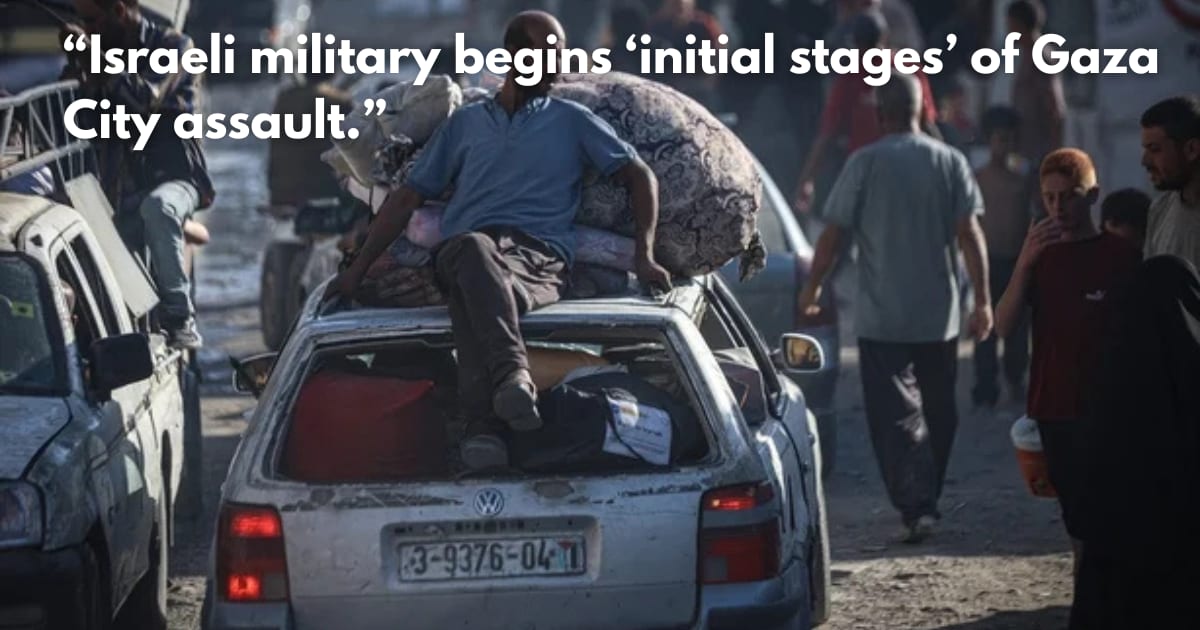
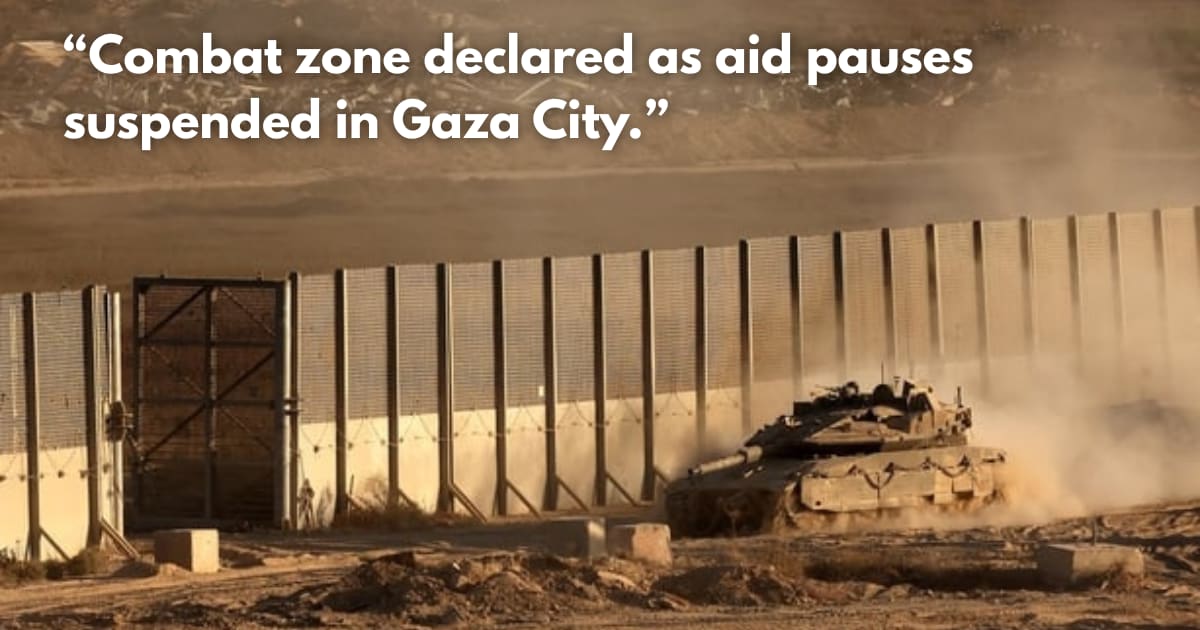

FazTimes Media: Gaza City is once again in the spotlight as the Israeli military has started the first phase of a big military operation. This news means the war is moving forward and has already caused severe damage to the area. People living there are facing one of the worst humanitarian crises ever seen. An Israeli military spokesperson named Avichay Adraee shared this information on X (formerly Twitter). He said that both ground and air attacks are already happening near the edges of Gaza City. “We are not waiting. We have begun the first stage of our attack with full strength on the areas around the city,” Adraee said.
This action ends the so-called “tactical pauses” that allowed some people to get food and aid. The Israeli military said, “Starting today, the local ceasefire rules will not be in place for Gaza City, which is now officially a war zone.”
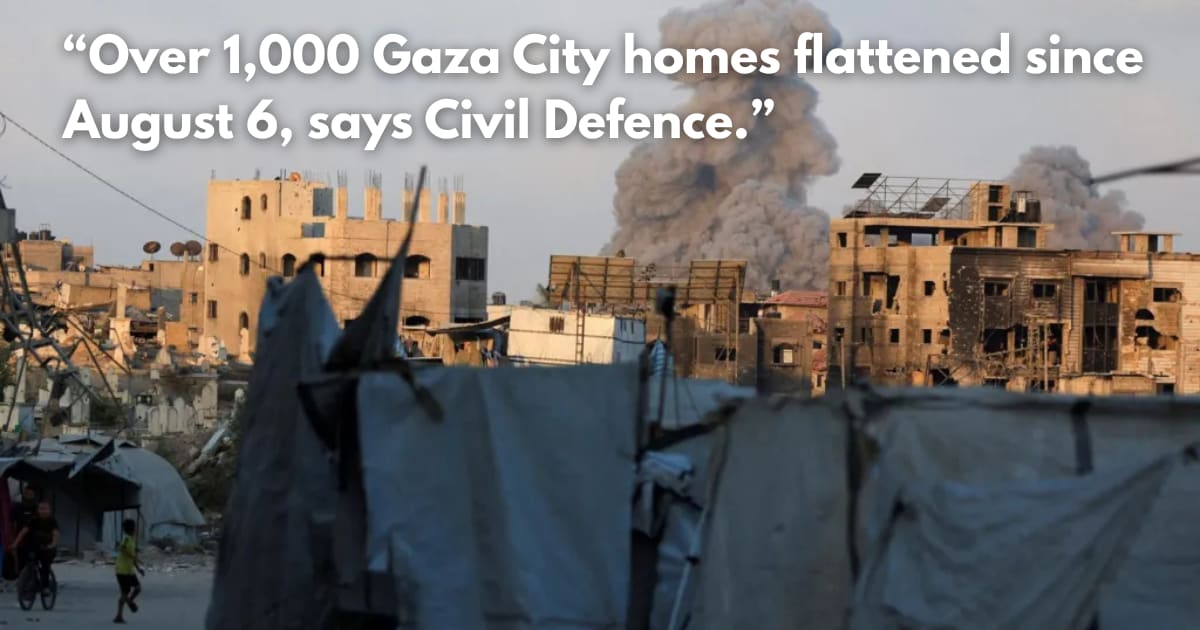
This move has caused global concern because it coincides with warnings from aid groups that many residents of the city are suffering from hunger and severe malnutrition. Gaza City, which used to be the main place for business and culture in the area, is now a war zone. Many parts of the city, including places like Zeitoun and Sabra, are in ruins. Gaza’s Civil Defence says more than 1,000 homes and buildings have been destroyed since early August.
People who are still there talk about constant attacks and not being able to sleep. “The bombs landed just a few hundred metres away. The sky turned orange. It felt like the ground was on fire,” said Nihad Madoukh, a resident of Sheikh Radwan, in an interview with Al Jazeera.
For those who have had to leave, like Ahmed Moqat, life is a never-ending cycle of moving and fear. “Yesterday, debris fell near my head while I was sleeping. Today, I am leaving again, but I don’t know where I will go. Only God knows,” he told reporters.
Humanitarian Crisis Deepens
The war has caused a lot of damage and has also created a terrible hunger situation. According to the Integrated Food Security Phase Classification (IPC), famine is already happening in parts of the Gaza governorate, which includes Gaza City. Officials have warned that things could get worse if the limits on aid supplies continue.
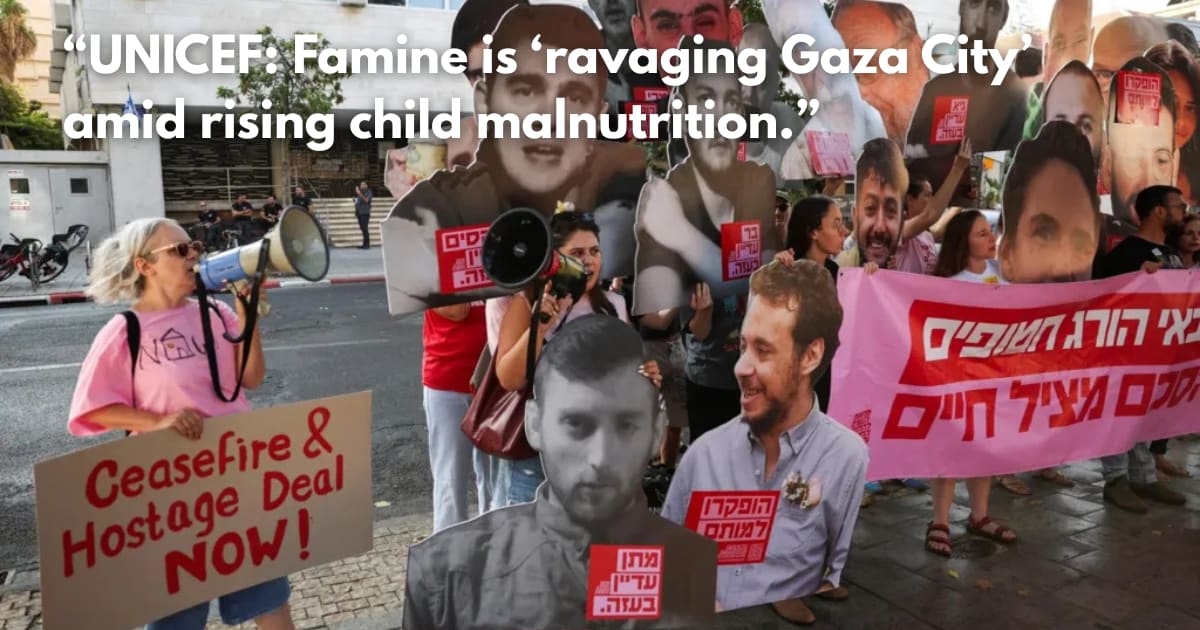
The United Nations children’s agency, UNICEF, has also sounded the alarm. In an interview with Al Jazeera, UNICEF spokesperson Tess Ingram described the sad situation at a nutrition centre, where children suffering from malnutrition are being treated. “It is clear that famine is not just coming; it is here. Parents are bringing in children who are clearly starving,” she said.
Health workers check the size of children’s upper arms to see how severe their malnutrition is. Children who are moderately affected get fortified biscuits, while those with severe malnutrition are given special high-energy paste to help them recover. But the supplies are not enough. “We just don’t have enough to meet the need,” Ingram explained.
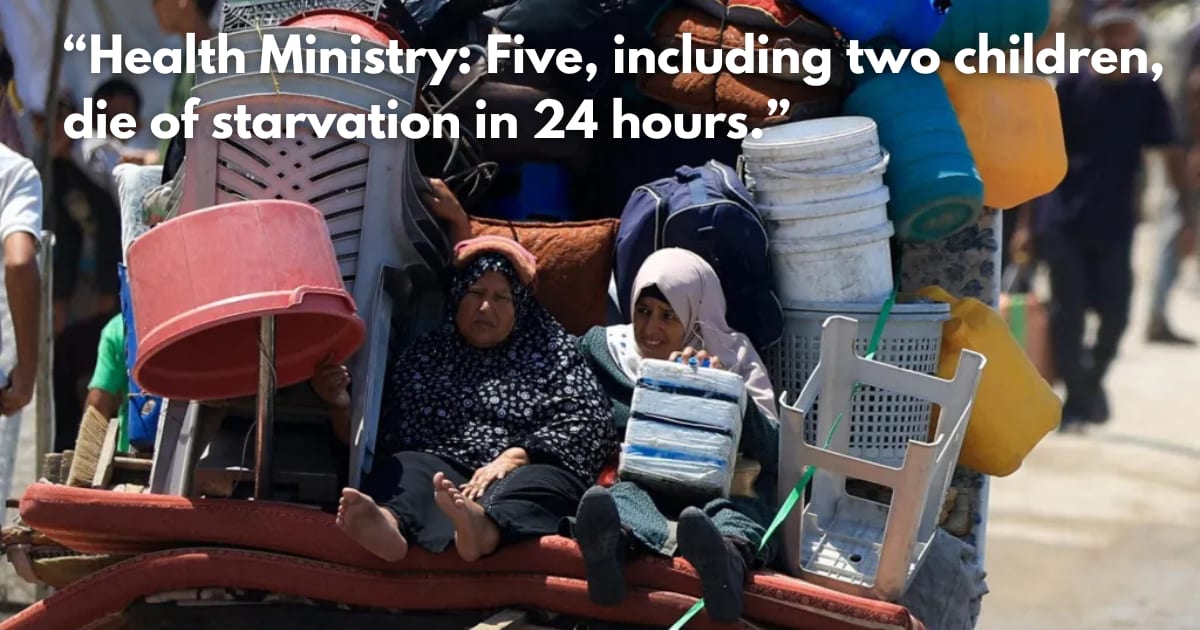
According to BBC News, the Palestinian Ministry of Health reported that at least five people, including two children, died from hunger-related causes in just the past 24 hours. Since the war started nearly two years ago, over 320 deaths have been linked directly to hunger and malnutrition—121 of those were children.
Daily Life Under Fire
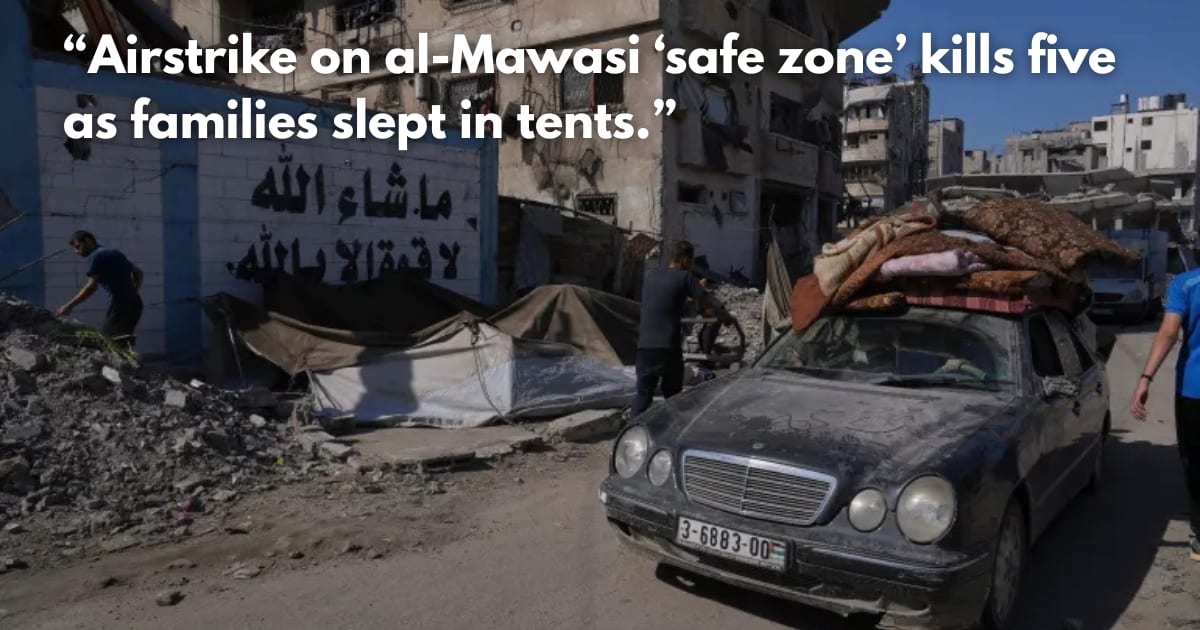
Alongside hunger, ordinary Gazans are also facing constant displacement and a sense of danger. Thousands of families have moved further into the western parts of Gaza City, looking for a temporary safe place. However, even areas labelled as “safe zones” have been hit by attacks. Medical workers told Al Jazeera that Israeli strikes hit al-Mawasi—an area that was once considered a humanitarian corridor—killing at least five people in their tents. Survivors described waking up to explosions in the middle of the night. “We were sleeping with the children when the bombs fell. We had to carry the injured to the hospital ourselves. There was no time to wait for ambulances,” said one grandfather, who was taking care of his orphaned grandchildren.
Such scenes have become a common part of life for many Gazans. For many people, the war has made it impossible to tell where the frontlines end and where homes begin.
Mounting Casualties
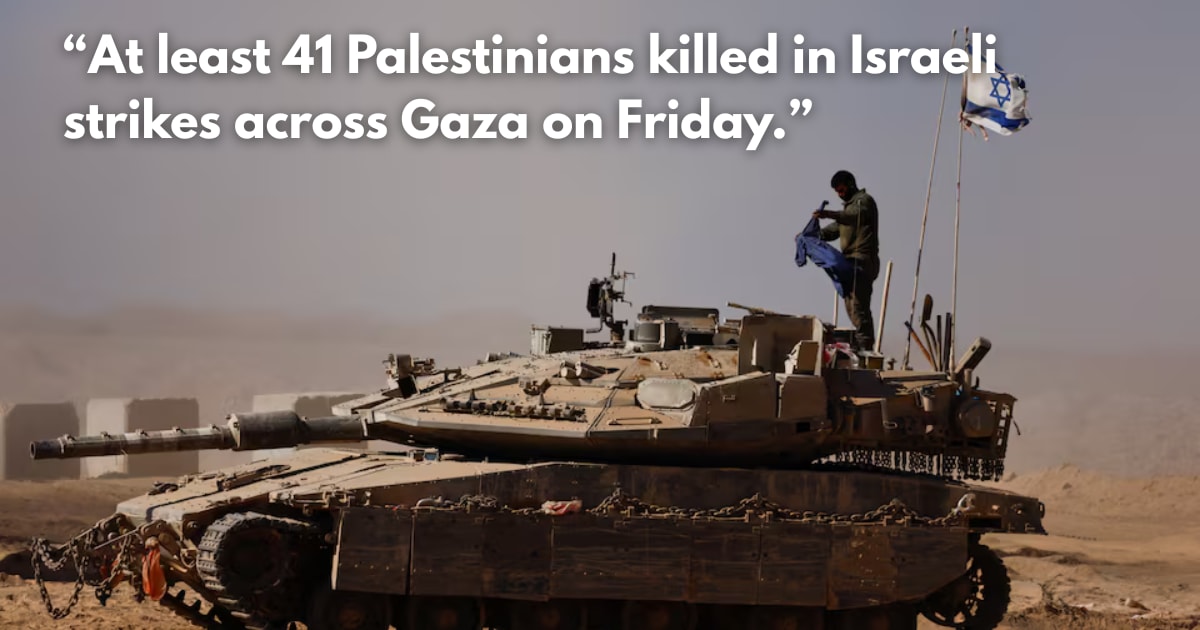
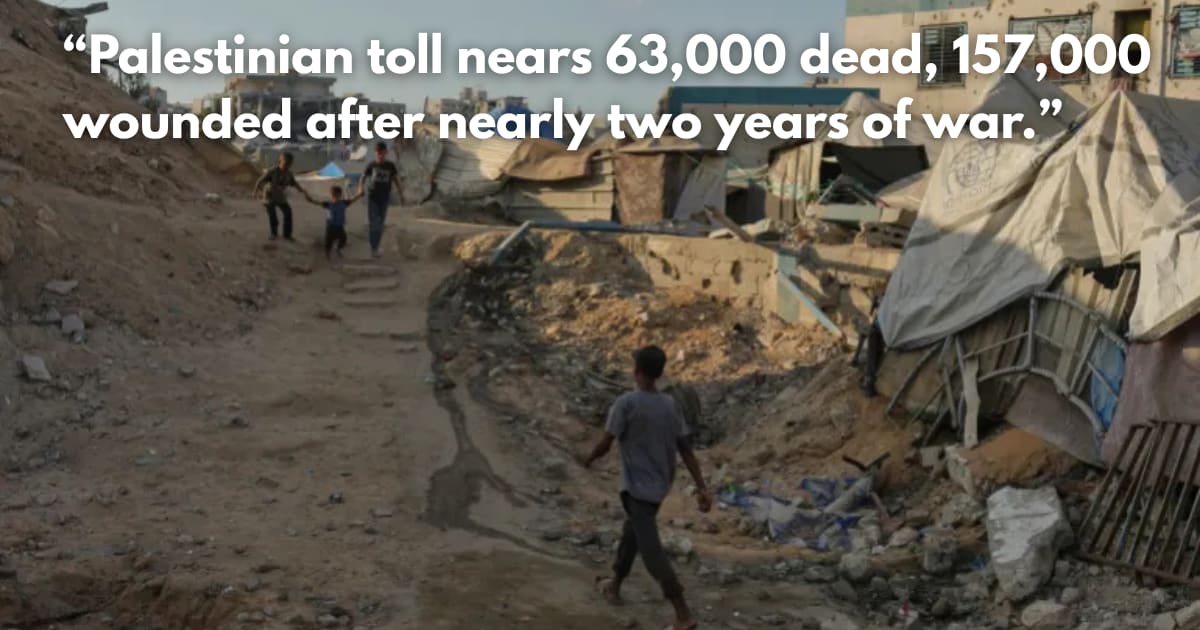
Palestinian health officials say the number of deaths has gone past 62,600, mostly women and children. Over 157,000 people have sustained injuries since the fighting began almost two years ago. At least 41 Palestinians, including six who were collecting food aid near the Netzarim Corridor in central Gaza, lost their lives on Friday. Witnesses report that Israeli soldiers opened fire on the group as they waited for food distribution.
The number of injured people is so high that hospitals are struggling to cope. There is a lack of medicine, electricity, and medical tools. Doctors are sometimes forced to operate in the dark, without painkillers. A surgeon at Nasser Hospital in Khan Younis said, “We are running out of everything—fuel, bandages, and antibiotics. We are losing patients not just from injuries but from infections that could have been prevented.”
International Reactions
The world is split in its response to Israel’s recent actions. Humanitarian groups have criticised the stoppage of aid deliveries, saying it would make a bad situation even worse. A spokesperson for Médecins Sans Frontières said, “Stopping aid during a famine is completely unacceptable.”
Western countries have called for a calm response. According to BBC News, the European Union asked Israel to follow international rules of war and let aid continue without interruption. The United States said it supports Israel’s right to defend itself but is worried about the suffering of civilians.
Arab countries, like Egypt and Jordan, have strongly criticised the new attack. The Arab League issued a statement saying Israel is targeting civilians on purpose and causing problems with stability in the region.
A Cycle Without End?
For people in Gaza, the latest fighting feels like another part of a never-ending cycle of war and sadness.
Many are worried that the attack on Gaza City could lead to a large number of people being forced to leave their homes, possibly pushing over a million people into the southern part of the territory, where there isn’t enough food, water, or shelter already.
Some experts are warning that this could create situations similar to “concentration zones”, where whole groups of people are crowded into small spaces without enough basic needs. “This isn’t just a military attack; it’s the slow breakdown of an entire community,” said a researcher from the Middle East who was interviewed by Al Jazeera.
Looking Ahead
The upcoming days will hold significant importance for Gaza. If Israel continues its advance into the city, the suffering could get worse, putting more pressure on the world to take action. Aid groups are still asking for immediate stops to fighting and safe routes for help, but it’s unclear if these requests will be followed.
Right now, Gaza City is in the midst of constant fighting and extreme hunger. Bombs and starvation ensnare its population. As one father who has been displaced said, “We don’t know if we’ll die from the airstrikes or from hunger. But we know the world is watching, and yet, we are still dying.”
Our primary goals at FazTimes Media are to be accurate and confident and adhere to the highest journalistic standards. We check every news story we share against several trustworthy and separate sources to ensure its accuracy.
We have reviewed this report, along with articles from major news outlets worldwide, including BBC News, Reuters, Bloomberg, Al Jazeera, NDTV, The Economic Times, and The Indian Express.
We want to keep the highest standards in global journalism so that our readers can trust the information they acquire.


Discussion0
Join the conversation on this story
Loading comments...