
Israel's War on Gaza: 63,000 Killed, 322 Starved to Death
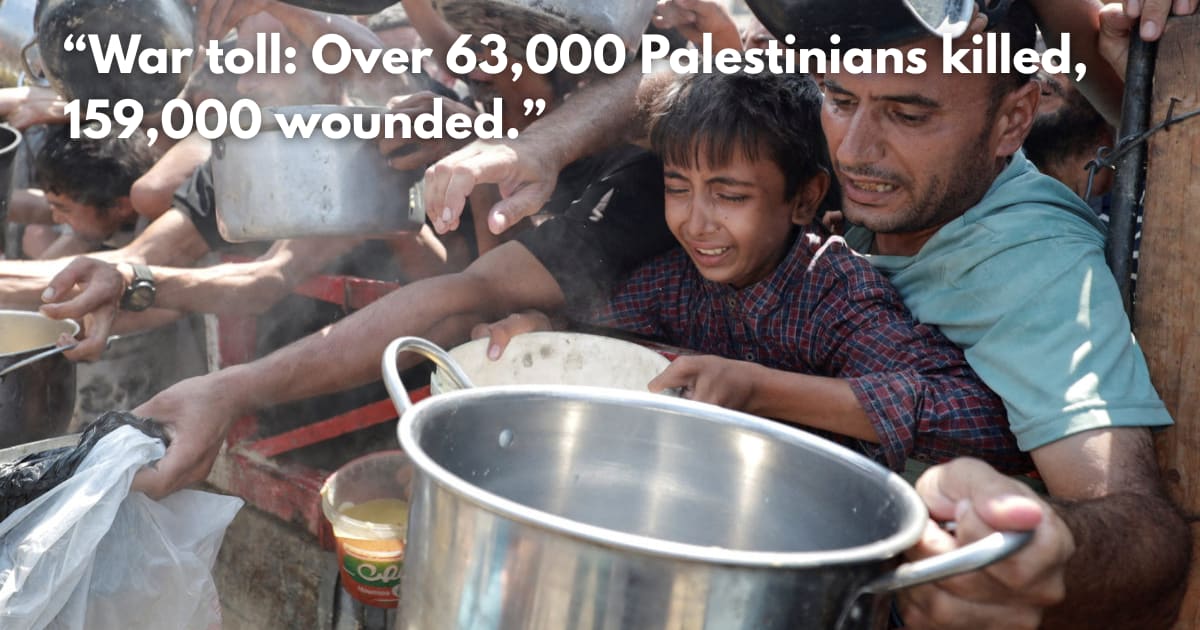

FazTimes Media: The war in Gaza has gotten much worse, with Palestinian health officials reporting terrible loss of life and worsening food shortages. The latest numbers from Gaza’s Ministry of Health show more than 63,000 Palestinians have died since Israel started its attack, and thousands are still hurt or starving because of a nearly complete block on goods and supplies.
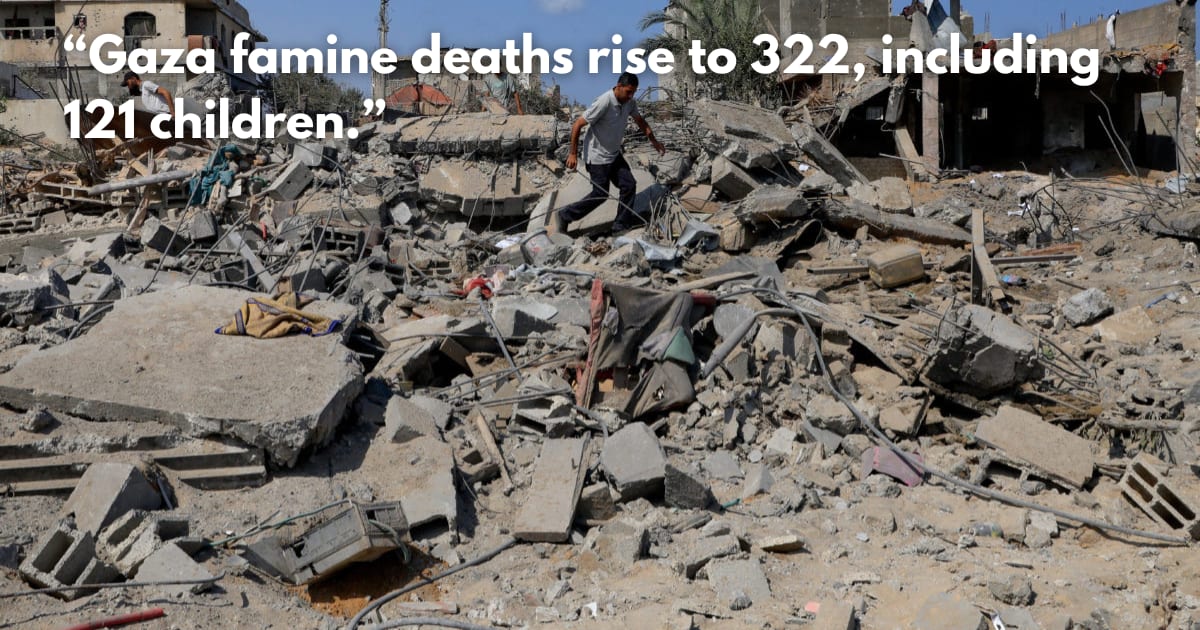
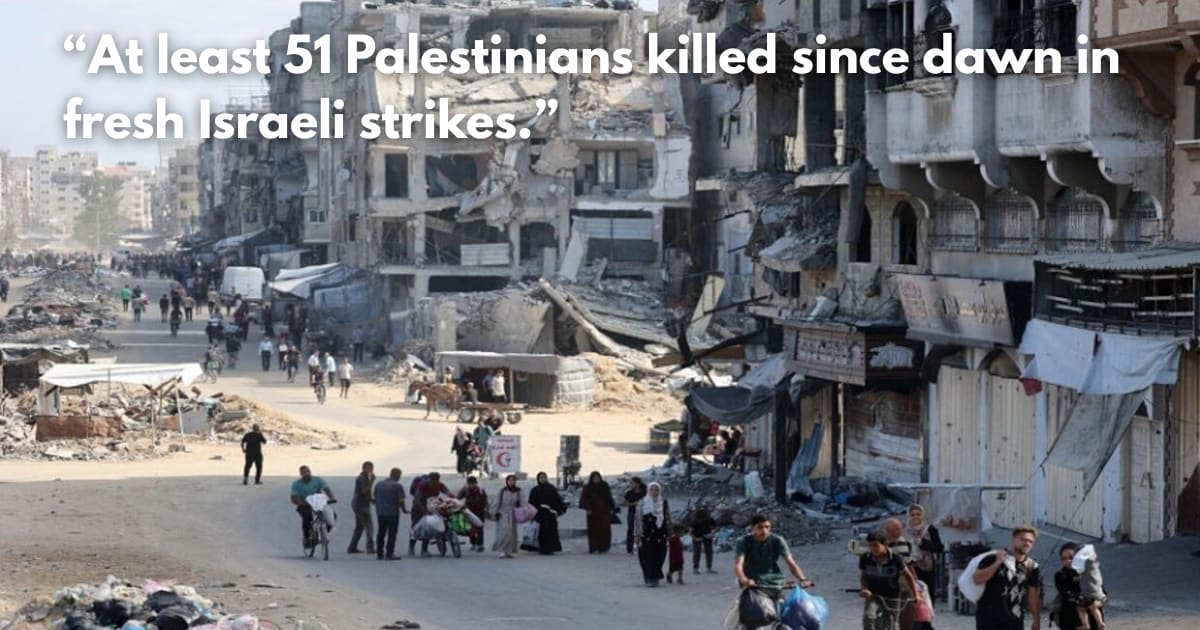
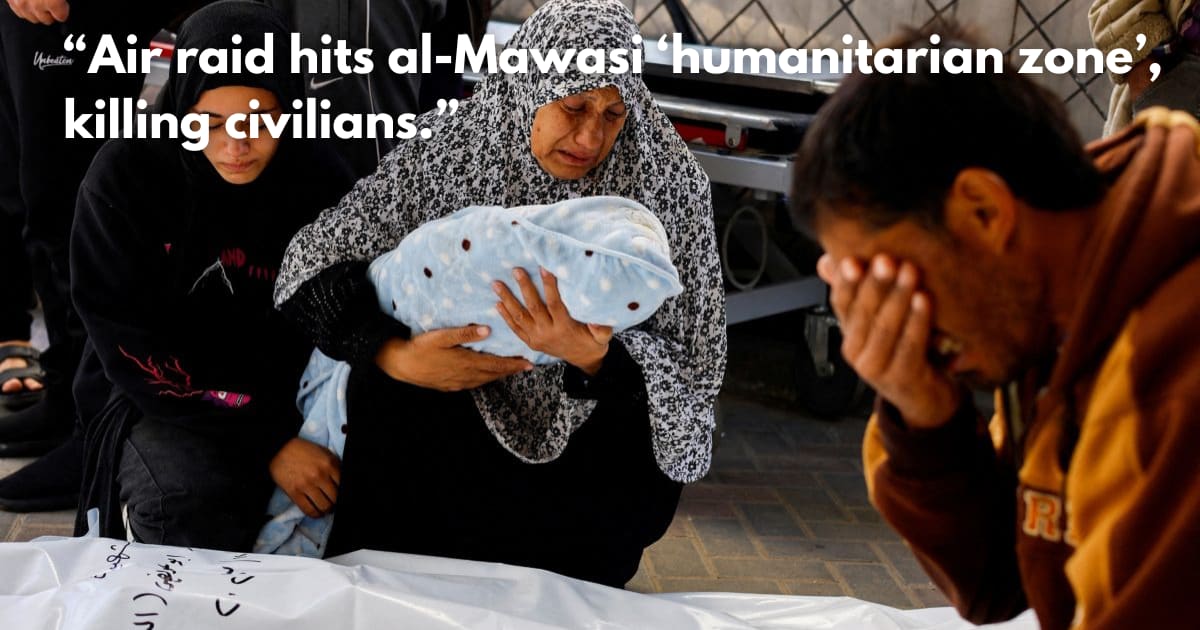
In the last 24 hours, at least five people—two of them children—died from not having enough food or being sick because of famine. These deaths bring the total number of people who died from hunger to 322, including 121 children. At the same time, attacks by air and on the ground keep happening. Medical sources say at least 51 Palestinians were killed in attacks in the last 24 hours. Some of these attacks happened in the al-Mawasi area of southern Gaza, which Israel said was a “humanitarian safe zone”. But people living there say it’s not safe, with repeated bombings causing damage to tents and other shelters.
A War Without End
Israel’s attack on Gaza started after the Hamas attacks on southern Israel on October 7, 2023, which killed 1,139 people and took over 200 hostages. Since then, the fighting has turned into one of the deadliest conflicts in recent history, causing worldwide criticism and heated discussions in courts and diplomatic talks.
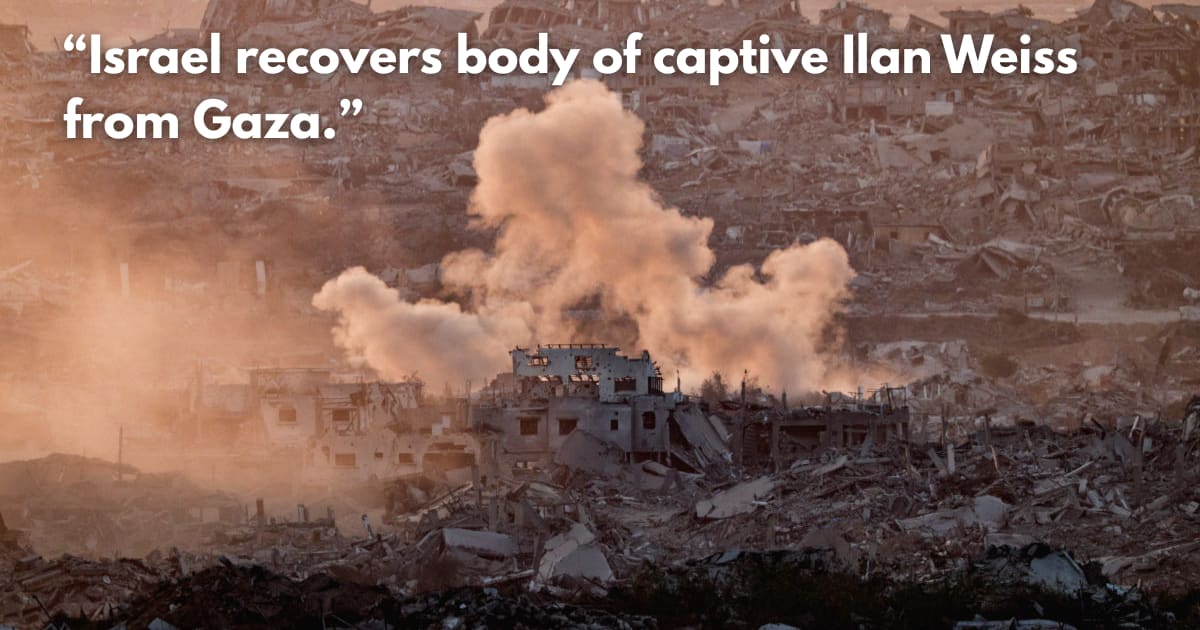
According to Al Jazeera, the Israeli army recently found the body of Ilan Weiss, a hostage held in Gaza, and also discovered the belongings of another hostage whose name hasn’t been released. But critics—including international human rights groups—say the large amount of damage, the high number of people being forced to leave their homes, and the blocking of aid supplies are all signs of crimes against humanity.
Mounting Civilian Toll
Health workers in Gaza report that over 159,000 people have suffered injuries, and many of them lack easy access to basic medical care. Hospitals are very busy, and there are not enough medicines, electricity, or equipment. Doctors have to work in tough conditions because of these shortages.
BBC News reports that aid groups are saying the situation is getting worse and is not sustainable. Emergency supplies like food, water, and medical items are often not reaching the people who need them most. One father, who is displaced, said, “We were told this place was a safe area, but no place in Gaza is safe.” He held his injured child outside a damaged hospital. “Every night we go to bed worried that we might not wake up alive.”
Famine as a Weapon of War?
International groups are now saying that famine is happening on purpose in Gaza. The Integrated Food Security Phase Classification (IPC), which tracks hunger emergencies, recently said that parts of Gaza’s north are already in famine, and areas in the south are close to that.
According to UNICEF, children’s health is especially bad. In Gaza City, workers report a large number of undernourished kids arriving at feeding centres. Aid workers give out special biscuits and thick food to help treat serious malnutrition, but there isn’t enough supply to meet the need.
Tess Ingram, a UNICEF representative, told Al Jazeera, “It’s heartbreaking. Parents are bringing in children who are too weak to stand. Some families say they haven’t had a proper meal in weeks. The situation isn’t just a humanitarian problem—it’s a full-blown disaster.”
International Response and Pressure
Despite requests from many countries around the world for Israel to exercise caution, Israel has persisted in its military actions. The United Nations, the European Union, and many aid groups have asked for more help to reach people in need, but the trucks carrying supplies are often stopped or delayed at the borders.
At the same time, the International Criminal Court issued arrest orders for Israeli Prime Minister Benjamin Netanyahu, former Defence Minister Yoav Gallant, and Hamas commander Mohammed Deif, who was later killed. These actions demonstrate that the world is closely monitoring the war through legal channels.
Human Stories of Loss
Displaced individuals persistently shift between damaged areas in search of a haven. Ahmed Moqat, a resident of Gaza, shared his experience in a recent interview: “We keep moving, but we can’t find a safe place. The bombs follow us. Last night, falling debris was just a few metres away from my children. We don’t know where to go anymore. Only God knows what tomorrow will bring.”
In the crowded hospitals of Gaza, doctors are telling stories of working without painkillers, using up the last of their antibiotics, and refusing to treat patients when they can’t help them. One tired surgeon said, “We are deciding who lives and who dies every day.”
Global Debate Intensifies
The war has caused strong disagreements around the world. In the United States, surveys indicate that more people are starting to support Palestinians, especially younger voters. Many are now openly questioning the U.S. government’s strong military support for Israel.
According to The Guardian, six out of ten American voters now oppose sending more military aid to Israel, which is the strongest opposition since the conflict started. Similar discussions are happening in Europe, where leaders are facing protests from citizens who want a ban on selling weapons to Israel.
Meanwhile, Arab countries continue to push for an immediate stop to the fighting and an end to the blockade. Leaders in the region argue that without serious political talks, the cycle of violence will continue, making things worse and causing more anger and instability in the Middle East.
What’s Next?
Over 63,000 Palestinians have lost their lives, and thousands more are hurt. Buildings have collapsed, entire areas lie in ruins, and the threat of starvation looms large. But people who are living through this have one message. A mother, standing next to the ruins of her home, said this: “We don’t want promises. We would rather not talk. We want the bombs to stop. We want food, water, and respect. Is that too much to ask?”
Our primary goals at FazTimes Media are to be accurate and confident and adhere to the highest journalistic standards. We check every news story we share against several trustworthy and separate sources to ensure its accuracy.
We have reviewed this report, along with articles from major news outlets worldwide, including BBC News, Reuters, Bloomberg, Al Jazeera, NDTV, The Economic Times, and The Indian Express.
We want to keep the highest standards in global journalism so that our readers can trust the information they acquire.


Discussion0
Join the conversation on this story
Loading comments...