
India & Japan Sign Historic Pact for Chandrayaan-5 Lunar Mission
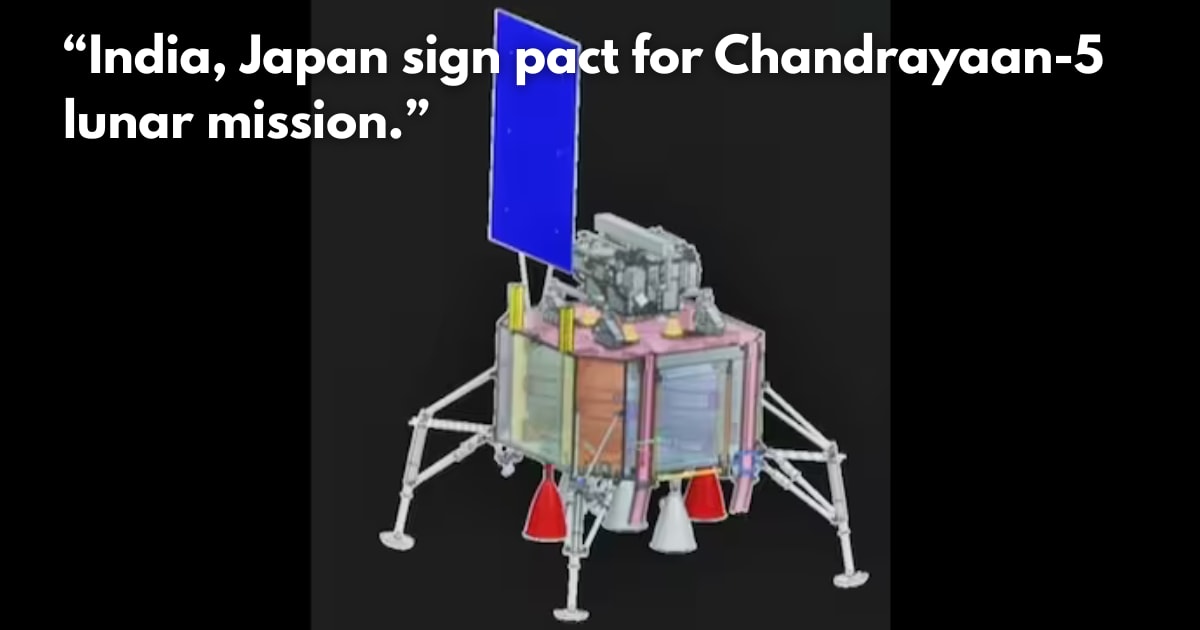
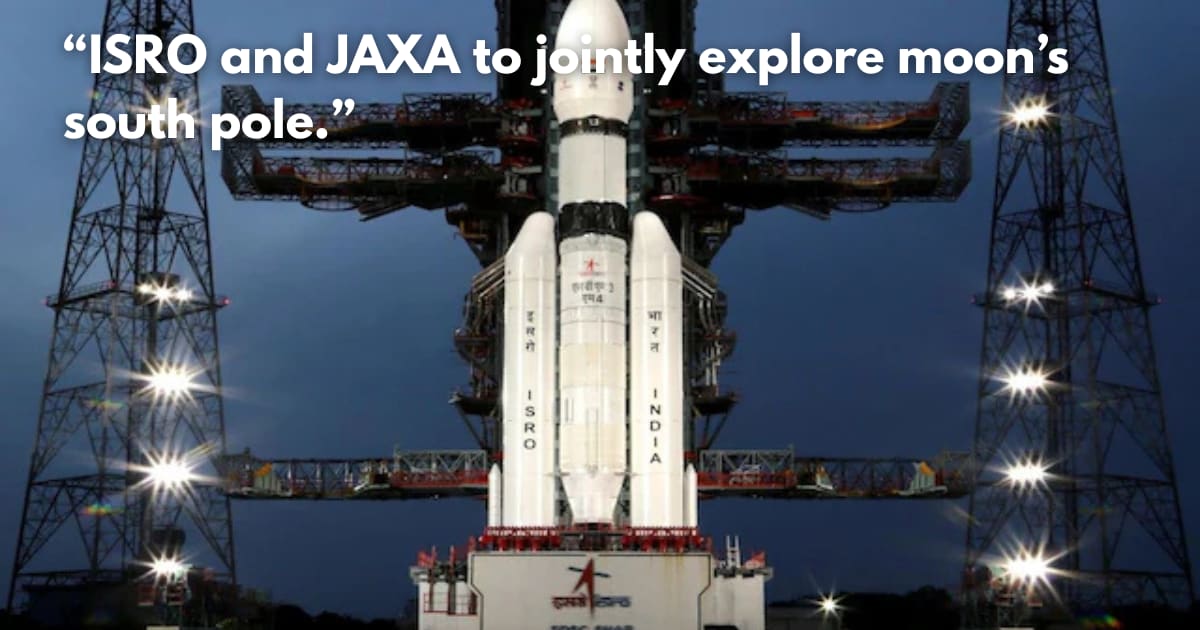




Tokyo and Delhi's FazTimes Media: India and Japan have decided to work together on the Chandrayaan-5 mission, which will look into the polar regions of the Moon. Prime Minister Narendra Modi made this deal during his recent trip to Tokyo. It indicates that ISRO and JAXA are getting closer. The project, called LUPEX (Lunar Polar Exploration), will look at the south pole of the Moon, where some areas never see the sun. Scientists are interested in these places because they may have water ice and other resources that could help with future lunar missions.
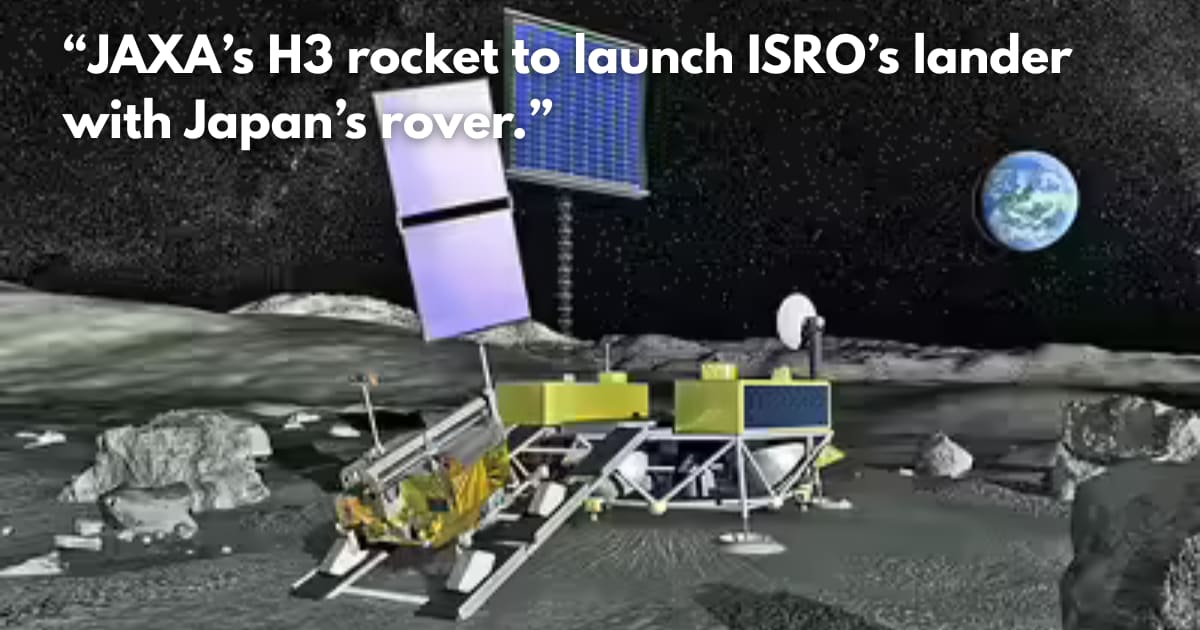
As part of the deal, Japan will send its H3-24L rocket to bring a lander made by ISRO. The Japanese rover will then be sent to the Moon's surface to do more thorough experiments. ISRO will also develop specialised tools to investigate volatile substances, such as water, that are potentially trapped in the moon's shadows. These tools help scientists better see the Moon's surface and learn its composition.
The head of JAXA, Dr Hiroshi Yamakawa, said at the signing ceremony, "This partnership is a big step towards international cooperation in space." We can do better if we work together and use Japan's technology and India's practice with moon missions.
Why the South Pole of the Moon is important
NASA has always been interested in the south pole of the Moon. Some places on the Moon never get sunlight, which makes them some of the coldest places in our solar system. Things like water ice don't melt away over billions of years because it is always dark.
BBC News says scientists believe the south pole of the moon could be like a "time capsule" that holds information about the early days of our solar system. Furthermore, the fact that water might be there is crucial for future space trips. People can live on the Moon with the help of water. Water can also be broken down into hydrogen and oxygen, which can be used as rocket fuel.
India and Japan want to find out some important things by looking at these dark spots:
How much water is there where you are?
What is the water made of? Where did it come from?
Would it be possible to use this water to stay on the Moon for a long time?
What Prime Minister Modi Wants
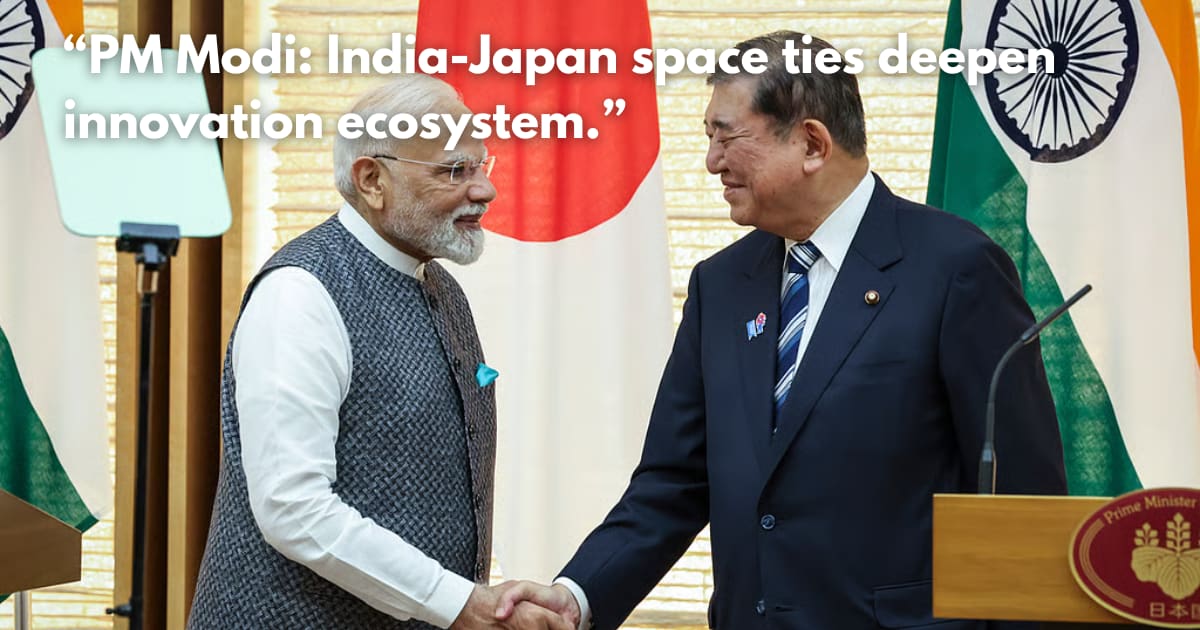
Prime Minister Modi talked about how important it is to work together while he was in Tokyo. He called it a "big step" in India's space programme. "I'm glad that India and Japan are working on Chandrayaan-5 together." We will learn more about the south pole of the Moon thanks to this partnership. It will also help businesses come up with new ideas and work together. "Our work together will not only help us see beyond Earth, but it will also improve life on Earth," Modi told The Yomiuri Shimbun.
He also said that India's success in space is due to its hard work and outstanding ideas. He said that the Chandrayaan-5 project shows how wonderful things can be when countries work together. India's trips to the moon and space have already won praise all over the world. In 2008, the Chandrayaan-1 mission found water molecules on the moon. In 2019, Chandrayaan-2 sent a probe that is still sending useful data even though its lander failed to land.
Japan has also been interested in space for a long time. From the Kaguya moon orbiter to the Hayabusa asteroid missions, JAXA has done a lot to help us learn about worlds. Experts believe that collaboration between ISRO and JAXA will enhance lunar research.
It's proof that two countries can do outstanding things when they work together. This shows the world that countries can make big finds that help everyone when they work together. Experts in the field say that agreements like these also help new businesses and startups in both countries.
By making it easier for people to come up with new ideas, the project could encourage a new generation of space entrepreneurs. Space.com says that the south pole of the Moon could be an important place for future space trips and that bases could be built there for long-term research. In this way, the LUPEX project led by India and Japan will have a big impact on lunar science around the world.
Even though everyone is excited, experts say that the mission will have many problems. Both ISRO and JAXA will have to work hard because it is very cold in areas that are always in the shade, landing close to craters is hard, and drilling or getting samples in frozen areas is hard. They hope that learning from Chandrayaan-2 and Japan's robotic flights will help them get past these problems.
The Way Ahead
Scientists and engineers from Japan and India are working together to finish the plan, make the tools, and make sure the mission goes well. People in the country see this journey as more than just going to the Moon. It's meant to show how interested people are, how far science can go, and how nations can work together. As India's involvement in space expands, these types of partnerships will assist the nation in staying at the forefront of innovative ideas.
In conclusion,
India and Japan will now work together in space for the first time since they agreed to launch Chandrayaan-5. The project could bring important scientific discoveries and help plan for future space trips by looking at parts of the Moon that are still unknown.
BBC News said that scientists believe projects like this could help people live and work in space one day. Currently, Chandrayaan-5 is showing what can happen when countries work together and share their ideas, knowledge, and resources. India and Japan are building the future of space travel with Chandrayaan-5.
Our primary goals at FazTimes Media are to be accurate and confident and adhere to the highest journalistic standards. We check every news story we share against several trustworthy and separate sources to ensure its accuracy.
We have reviewed this report, along with articles from major news outlets worldwide, including BBC News, Reuters, Bloomberg, Al Jazeera, NDTV, The Economic Times, and The Indian Express.
We want to keep the highest standards in global journalism so that our readers can trust the information they acquire.


Discussion0
Join the conversation on this story
Loading comments...