
UN Warns of 'Horrific Impact' of Israel's Gaza City Attack
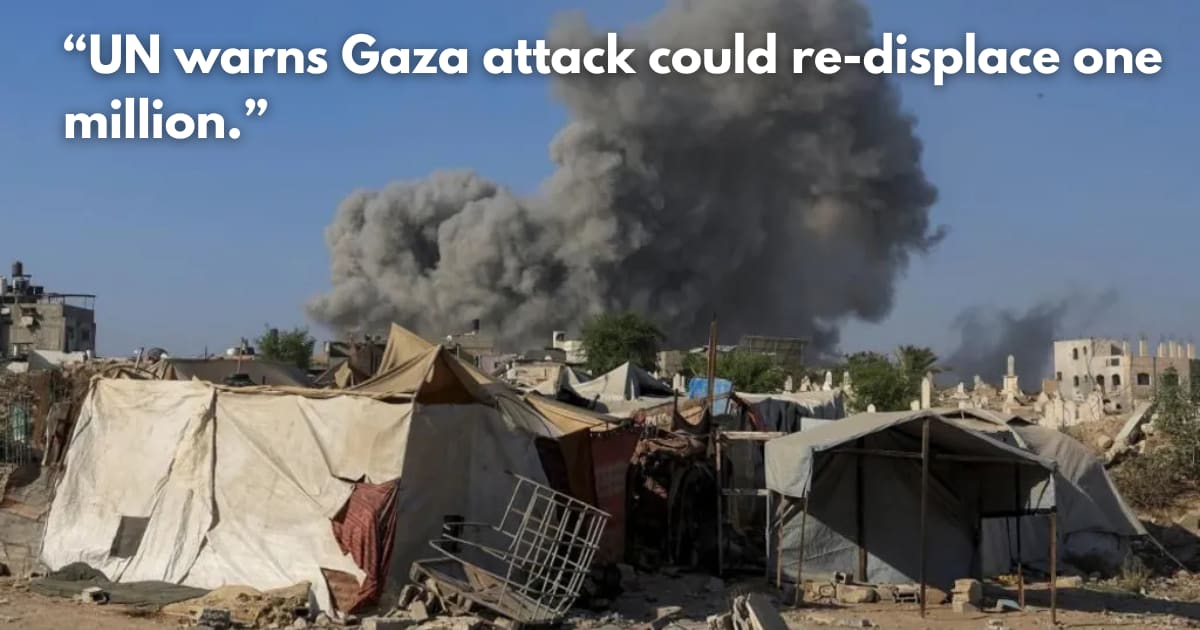
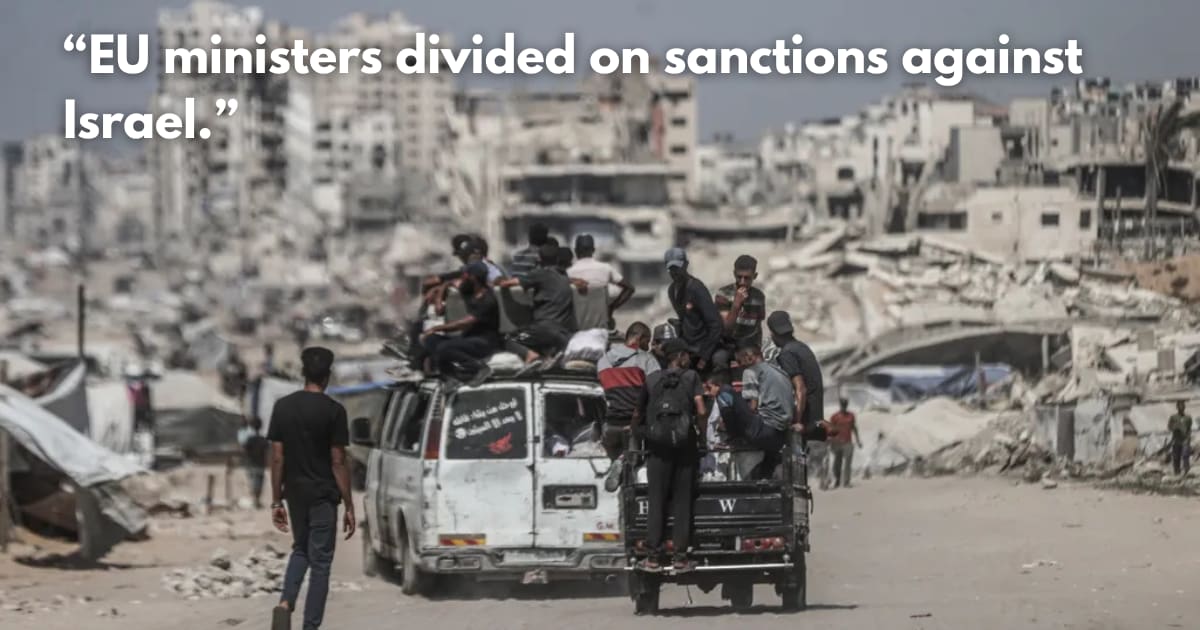
FazTimes Media: Gaza City has once again become the main place of destruction and sadness. Heavy attacks were reported early on Saturday as Israeli forces moved forward with their plan to take control of Gaza City, the biggest city in the blockaded area. The United Nations has raised the alarm, warning that the ongoing attacks could lead to “terrible consequences” and force nearly one million Palestinians to leave their homes. These people have already gone through many months of violence, hunger, and living without shelter.
The Israeli government keeps saying its actions are needed for “security and counter-terrorism”, but international voices, including humanitarian groups and UN agencies, are calling for caution, fearing serious human suffering.
A City Under Siege
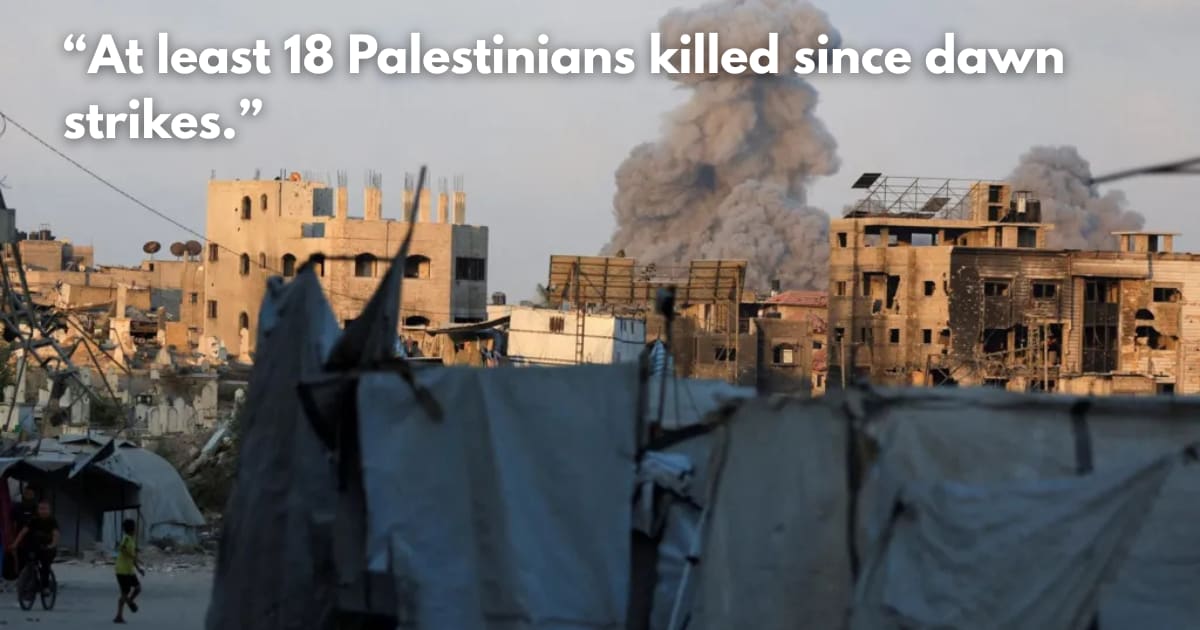
Constant shelling has hit Gaza City for weeks. Families who had found temporary safety in makeshift shelters are now being forced to run again as the Israeli army increases artillery attacks and air strikes. The Zeitoun neighbourhood, one of the city’s oldest, is now in ruins. Israeli forces have been relentlessly attacking residential areas, causing entire buildings to turn into dust before any soldiers arrive.
BBC News reported that the UN Relief and Works Agency (UNRWA) has issued a strong warning that the attack could cause another large number of people to leave. “We are distressed about the future of one million people in Gaza City. They have nowhere to go. This is a big humanitarian problem,” said a spokesperson from the agency.
Hunger, Malnutrition, and the Silent Killers
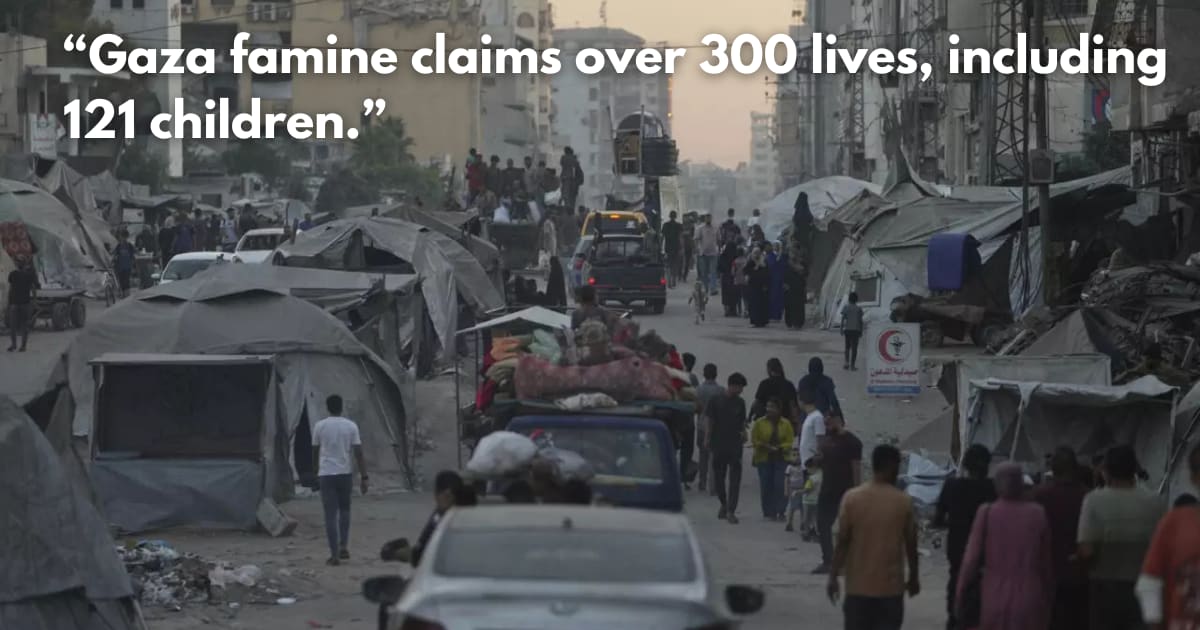
In addition to the bombs, the people of Gaza are dealing with another deadly problem: starvation. The Health Ministry of Gaza reports that 322 people have died because of hunger-related issues, including 121 children. Hospitals, which are already struggling with a lack of medicine and electricity, are now seeing more babies and elderly people dying from not getting enough to eat.
At Al-Shifa hospital, one of the few still working, doctors said a baby girl died from starvation last week. “She was too weak to live. The current crisis is not just a war; it's enforced famine,” said a medical worker to Al Jazeera.
Earlier this month, the Global Hunger Monitor said that famine conditions had already started in the Gaza governorate, which includes Gaza City and nearby areas.
Ambushes and Israeli Military Losses
Military and political analyst Elijah Magnier told Al Jazeera that the recent ambushes in Gaza City have become a “big problem” for the Israeli army. “The fight for Gaza City is not only about taking land. It’s also about political costs, the morale of Israeli society, and the number of Israeli soldiers who are getting hurt,” Magnier explained. He added that these ambushes have “mental effects” on the troops and could lead to more disagreements within Israeli society about how the war is going.
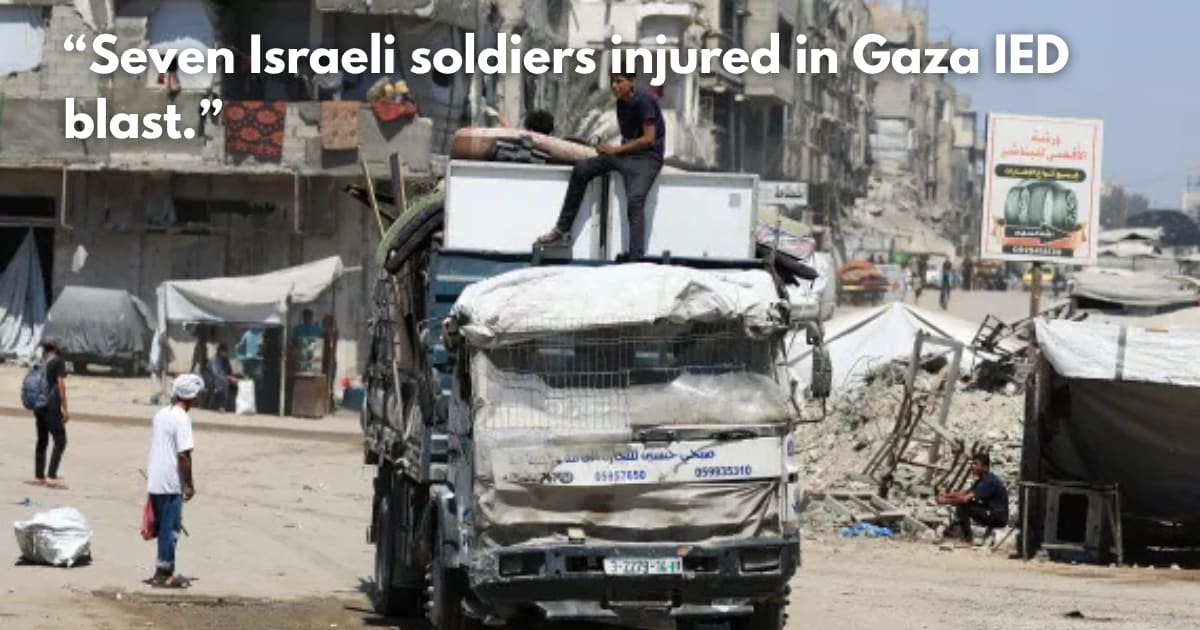
Israeli media reported that at least seven soldiers were hurt in different attacks, including three who are in serious condition after a landmine blast hit their armoured vehicle. Additionally, the fighting in Zeitoun claimed the life of one Israeli soldier and injured 11 others.
Civilian Homes Targeted
Civilians bear the majority of the cost of war. In the Nuseirat refugee camp in central Gaza, Israeli shelling of a house killed at least five people, including children, with many still stuck under the rubble. Rescue workers are having a difficult time because of ongoing attacks, so families can't get the bodies of their loved ones.
Eyewitnesses say the scene was terrible. “We heard the explosion and ran out, but all we could see was dust and people screaming. Families are inside the building. We can't reach them because the shelling hasn't stopped,” said one resident.
International Reactions and Fractured Diplomacy
Even though more and more civilians are getting hurt, the world’s response is still split. The European Union’s foreign ministers met in Denmark to discuss possible punishments for Israel, like stopping EU money for Israeli businesses. However, the group's disagreements have prevented any firm decisions.
Kaja Kallas, the EU’s top foreign policy leader, said she’s not very hopeful, according to Reuters. “Today, we are definitely not going to make any decisions. It sends a signal that we are divided,” she admitted.
Some countries, like Spain, Ireland, and Belgium, want to take stronger actions and recognise Palestine as a country. Others, like Germany and Hungary, still support Israel strongly. The EU's response to the Gaza crisis has been hampered by this dispute.
At the same time, the United States, Israel’s closest friend, stopped Palestinian leader Mahmoud Abbas from going to New York for a UN meeting where many countries were expected to officially recognise Palestine as a state. This action made Palestinians even angrier, showing that the U.S. isn’t ready to support diplomatic efforts right now.
Local and Global Outrage
Across the Arab world and elsewhere, people are getting more upset. In cities like Amman and Jakarta, big protests are happening, blaming Israel for the Gaza war and calling on their governments to stop working with Israel. Both Lebanon and Jordan are worried that the war might spread to their countries, pulling them into bigger fights.
A Conflict Without an End in Sight
For the people in Gaza, this means they will continue to lose their homes, face constant danger, and there is no end in sight. As the war has gone on for more than ten months, experts say the conflict has already changed how power works in the Middle East. It has made Israel’s relationships with old friends weaker, shown how divided the EU is, and made people question the U.S.’s foreign policies.
Conclusion: A City on the Brink
The UN has issued a new warning about "horrific consequences", showing how dire things are getting in Gaza City. With tens of thousands dead, hundreds of millions hurt, and famine spreading, the humanitarian crisis is one of the worst in recent history.
The people of Gaza, trapped between bombs, hunger, and hopelessness, are increasingly calling for help every day. As reported by BBC News, a UN official described the situation with a grave tone:
“This is no longer just a war zone. It is a graveyard for international conscience.”
Our primary goals at FazTimes Media are to be accurate and confident and adhere to the highest journalistic standards. We check every news story we share against several trustworthy and separate sources to ensure its accuracy.
We have reviewed this report, along with articles from major news outlets worldwide, including BBC News, Reuters, Bloomberg, Al Jazeera, NDTV, The Economic Times, and The Indian Express.
We want to keep the highest standards in global journalism so that our readers can trust the information they acquire.


Discussion0
Join the conversation on this story
Loading comments...