
Israel to Slow or Halt Aid to Gaza Amid Famine Warnings




FazTimes Media, Tel Aviv: A new development is expected to bring more attention from around the world. Israeli authorities have said that help reaching certain areas in northern Gaza will probably slow down or stop completely in the coming days. This incident comes as Israel continues its military actions in Gaza City, which was officially called a "combat zone" on Friday, as reported by the Associated Press.
Israeli officials say this action is part of a larger plan to ensure security and help people leave the area. However, it has caused worries about the situation getting worse for Palestinian civilians, who are already dealing with one of the worst humanitarian crises in recent times.
The war between Israel and Hamas has now entered its 23rd month. During this time, northern Gaza has experienced constant airstrikes, large-scale raids, and ground attacks. Aid groups warn that the destruction of many neighbourhoods and the overcrowding of hospitals will make it increasingly difficult for people to survive in the area.
As reported by BBC News, international organisations say that famine has already started in parts of Gaza, especially in the north, where food and medical help are not enough or are not coming regularly.
The latest decision: stopping airdrops and cutting aid deliveries
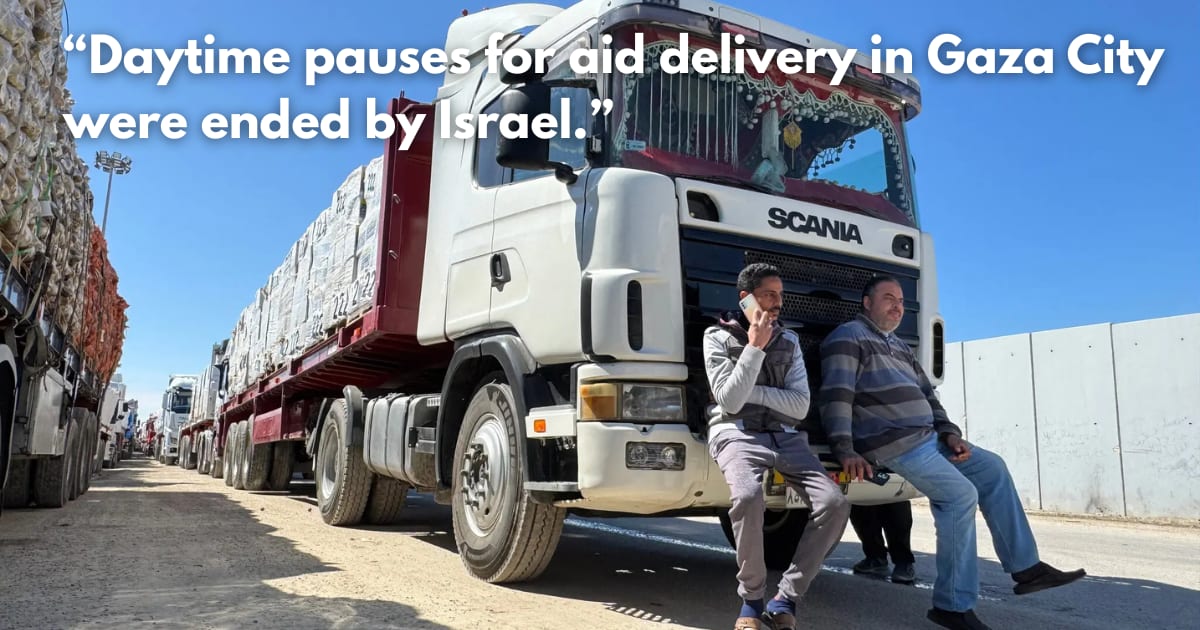
A government official, who did not want to speak publicly because they weren't allowed to, told the Associated Press that the government plans to stop dropping food and medical supplies over Gaza City in the coming days. Additionally, the government plans to significantly reduce the number of aid trucks entering northern Gaza. The official said the decrease is connected to plans to move many Palestinians further south. However, no specific time has been given, leaving aid groups unsure when supplies might stop completely.
Humanitarian Impact: ‘Every Day Matters’
The news has caused worry among those who work to help people in need. The United Nations and its partners have said that the short breaks in fighting, the occasional dropping of food and supplies by plane, and the recent aid shipments are not enough to make a real difference.
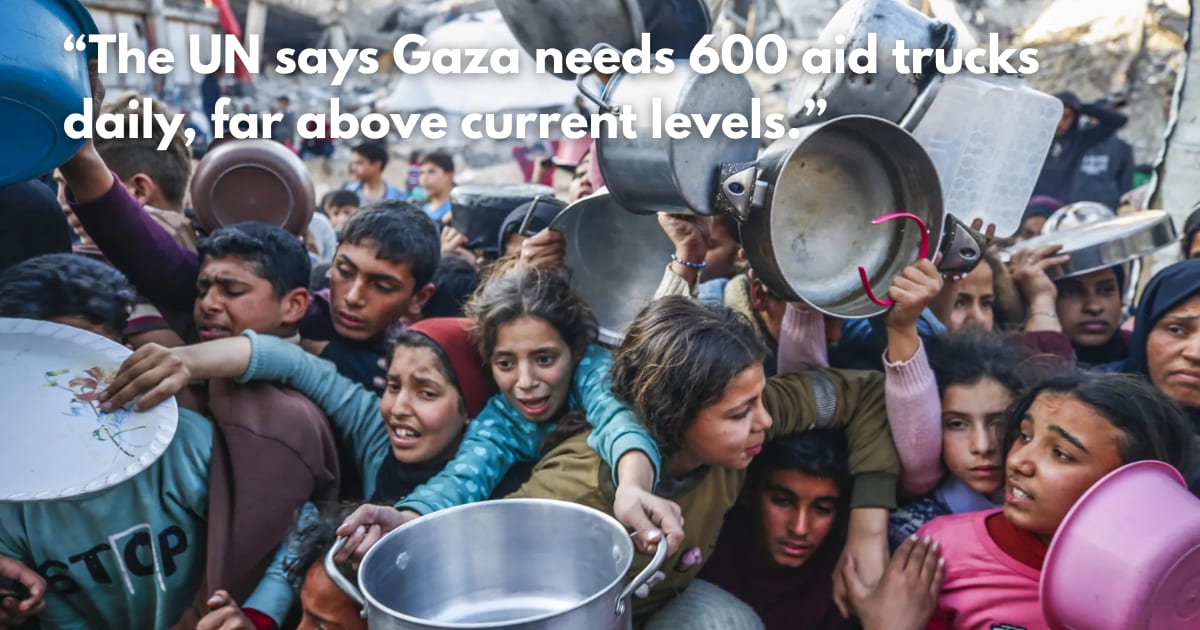
The UN says that Gaza needs at least 600 aid vehicles each day to provide food, water, and medical care.
However, the numbers being sent are much lower than that.
A UN representative, as reported by Al Jazeera, said:
“Every day is important. Every delay means more children are going hungry, more hospitals are running out of medicine, and more families are facing things that are difficult to imagine.”
Gaza City: A Combat Zone
On Friday, Israel officially marked Gaza City as a combat zone, ending the recent pauses during the day that were meant to let aid reach people. Israeli officials say that Hamas still has a way to operate from inside the city, pointing to an underground tunnel system they claim is still active despite earlier attacks.
Individuals within the city present a distinct perspective. Large explosions keep happening at night, as shown in video footage from AP. The sky is filled with fireballs and thick smoke.
Hunger, Desperation, and Being Forced to Move
Cutting back on aid is likely to make the dire situation even worse. Experts say that some areas are experiencing famine, and many people are starving. Families are surviving on just bread, and children are sometimes going without full meals for days.
A father from Gaza City, speaking to Reuters, shared his experience:
“My kids cry from hunger every night. We wait for the planes to drop aid, but now even that hope might be gone.”
The suffering has gotten even worse because people have had to move many times. Many families have had to leave their homes, move to temporary shelters, and now may have to go even further south, where the situation is just as dire.
Global Outrage and Calls for Action
People around the world are getting more upset about how Israel is managing the flow of aid to Gaza. Even though Western countries support Israel's right to protect itself, they are also questioning whether the actions are fair and whether they are hurting civilians too much.
The top foreign policy official from the European Union recently said:
"Stopping food and medicine from reaching civilians goes against international rules. We are asking Israel to let aid get through without any stops."
The United States is also worried. Even though the US gives money and weapons to Israel, they have privately asked the government to make sure that aid actually reaches Gaza. But they haven't been obvious or forceful in public.
Israel’s Position
Israeli leaders say their actions are meant to take down Hamas and protect their country. They believe that letting aid into Gaza might let militant groups get more weapons, which could make the war longer and put both Israelis and people held as hostages in more danger.
A government official said to local media:
"Israel can't let Hamas use aid routes to build up again. Our main job is to protect our people, while trying to help reduce suffering in Gaza."
The Hostage Dilemma
Another big problem is the hostages. Many people remain in detention in Gaza, two years after the attacks that initiated this phase of the conflict. Families of the hostages have protested in cities like Tel Aviv and Jerusalem, asking the government to focus on talks instead of fighting.
Some critics say cutting aid could make things worse by making people in Gaza more desperate, which might help Hamas in their talks.
Aid Agencies: 'We Are Running Out of Time'
Groups that help people are warning that Gaza’s basic systems are on the verge of breaking down. Water is unsafe, electricity is almost gone, and hospitals are treating patients without proper medicines.
The International Committee of the Red Cross said:
"We are running out of time. Every delay in aid delivery brings Gaza closer to a disaster that will be a topic of long-term discussion."
A Broader Pattern
People have noticed that this isn't the first time help has been limited. Throughout the nearly two-year conflict, authorities frequently closed aid routes, stopped supply trucks, and subjected goods to stringent inspections. Each time, the suffering of ordinary people intensifies, leading to an increase in cases of hunger, sickness, and avoidable deaths.
According to a recent report by BBC News, the pattern of cutting aid and then slightly allowing it again has created a "yo-yo effect". People don't get a chance to really recover before the next problem comes.
Looking Ahead
It's uncertain when or if aid will resume at full speed. Currently, the people of Gaza are waiting, watching the sky for food drops that might not happen again, and they are afraid of being forced to leave their homes again.
For people watching from outside, the big question is: how long can Gaza keep going like this without serious and lasting harm to its people?
As one aid worker said:
"Wars may end, but the damage from hunger and forced displacement can persist for many generations. If aid stops now, Gaza will face a tragedy that's worse than anything we've seen before.”
Our primary goals at FazTimes Media are to be accurate and confident and adhere to the highest journalistic standards. We check every news story we share against several trustworthy and separate sources to ensure its accuracy.
We have reviewed this report, along with articles from major news outlets worldwide, including BBC News, Reuters, Bloomberg, Al Jazeera, NDTV, The Economic Times, and The Indian Express.
We want to keep the highest standards in global journalism so that our readers can trust the information they acquire.


Discussion0
Join the conversation on this story
Loading comments...