
Xi Jinping to Modi: India & China Must Be Friends Amid Global Turmoil

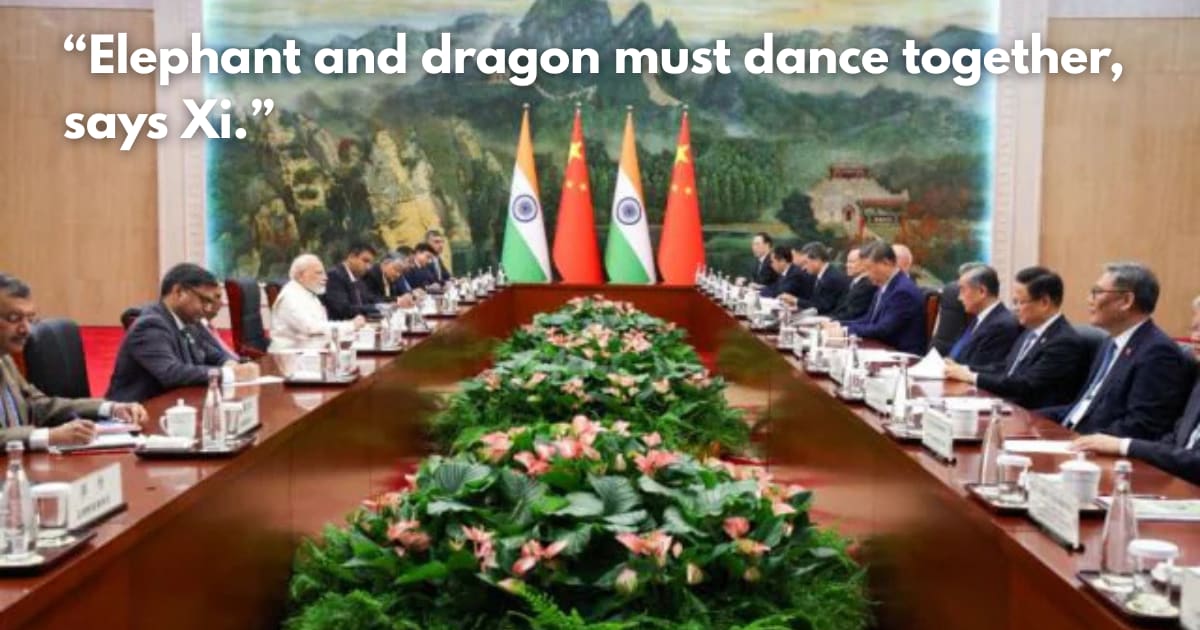
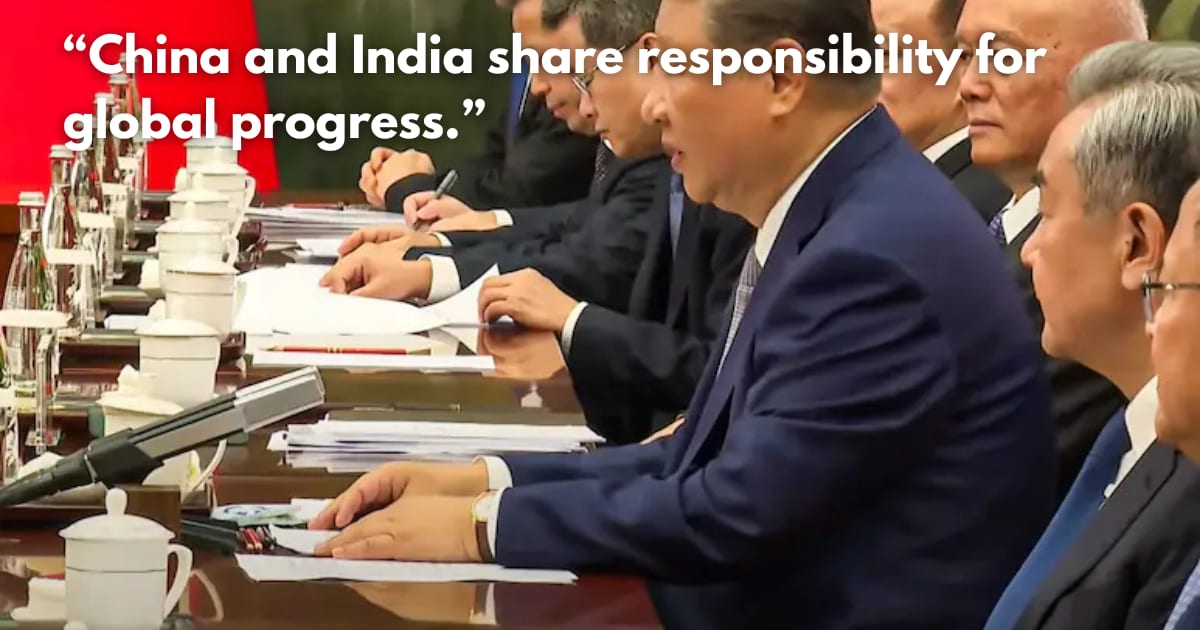

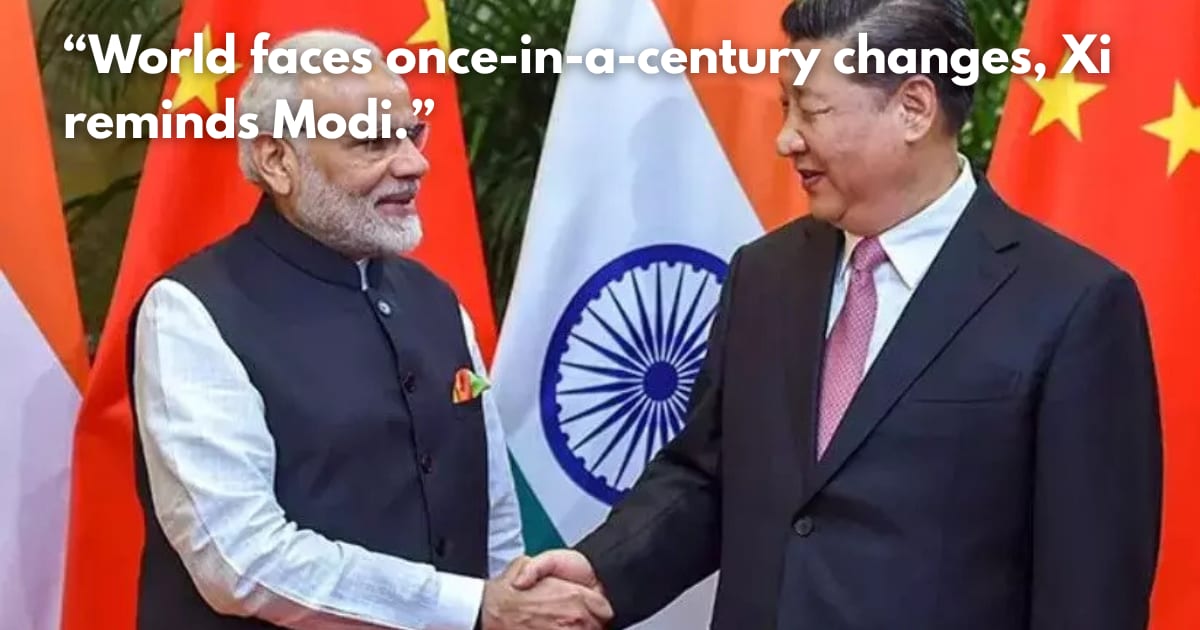
The FazTimes Media in Tianjin: On Sunday, Chinese President Xi Jinping told Prime Minister Narendra Modi that keeping a strong relationship is the "right choice" for both countries. The meeting could be the start of a new era in South Asian diplomacy. He stressed how important it was to work together to get things done and be successful as a pair. The two leaders talked while they were in Tianjin for the Shanghai Cooperation Organisation's (SCO) Summit.
Leaders from around the region will meet at this event to talk about working together on trade, security, and culture. As alliances and economies change, so does the world order. This talk took place at a crucial juncture.
A rare and important meeting
They haven't seen each other in person in almost ten months. This long period of time shows that New Delhi and Beijing's relationship isn't always smooth. This situation is especially true after recent border disputes in Ladakh, trade problems, and competition on the world stage.
We can't ignore how important this meeting is, though. According to Al Jazeera, Xi said that China and the United States have a "historic responsibility" for their people as well as for developing countries in Asia and the rest of the world.
"China and India are ancient cultures." We have more people than any other country in the world. And if the dragon and the elephant can walk together, then we can make Asia's future.
Responsibility for Everyone in a World That Is Changing
Xi said that the world is going through "changes that only happen once every hundred years." This is about how the war in Ukraine, supply chain issues, and tech competition are changing the world. China can build better ties with other developing countries and depend less on Western powers when it works with India. Talking with China is a beneficial option for India because its trade ties with the U.S. have been rough at times.
"BBC News" said that Xi said India and China need to work together to solve their problems. He told both countries that they should support multilateralism, work for a world with many power centres, and make international relations more democratic.
Making Modi's Act Fair
Despite Xi's friendly message, India remains in a challenging situation. As part of the Quad partnership, New Delhi has been slowly building ties with the US, Japan, and Australia. Beijing often sees the Quad partnership as a way to limit China's power. At the same time, India still relies on China for trade. In 2024, trade between the two countries was worth over $135 billion, even though many people have asked India to depend less on China.
Reports say that Prime Minister Modi agreed with what Xi said, but he also said that peace along the border is important for building trust. Diplomatic sources say that Modi said the bond is based on "mutual respect, security, and sensitivity."
Dragon and Elephant as a Figure of Speech: A lot of people are talking about how Xi said India was "an elephant" and China was "a dragon." Even though it's poetic, the image shows how two big countries are different.
India, the Elephant, is calm, young, and becoming more important in the worlds of IT, drugs, and political leadership. China, the Dragon, is strong, has a strong economy, and is deeply involved in building and maintaining infrastructure around the world.
The economies and cultures of Asia could grow considerably if these two countries work together. However, there is still a lack of trust, especially since the fight in the Galwan Valley in 2020, in which soldiers from both countries died.
Why is this important for India on a local level?
This meeting is more than just news for people in India. If you get along with China, you could:
We need to ease border tensions, as families in Ladakh, Arunachal Pradesh, and Sikkim constantly fear conflict. A stable deal could make peace last for a long time.
Indian businesses that sell medicines, software, and agricultural goods might have easier access to the Chinese market, which would help trade.
Technology Exchange: Both countries could become world leaders in AI, digital systems, and green energy if they work together on these areas.
Regional Leadership: India and China can balance out the influence of the West and give Asian and African countries a stronger voice in global talks if they work together.
Being Sceptical at Home
India's political and security communities are still not sure about what Xi Jinping said, even though he was friendly. Many people in the know think that China's kind actions may be more about strategy than real friendship. An important Indian diplomat told The Hindu, "China talks a lot about friendship, but their actions along the border say something else."
We need to watch out. Indians who are unhappy with Chinese goods often share messages saying "boycott China" on social media.
Ripples in the region
What Xi said also affected people living near India. The pull of India and China affects Nepal, Bhutan, and Sri Lanka. If India and China got along better, they might not feel like they have to choose a side as much. Better ties between India and China could also help India play a larger role in Central Asia as the Shanghai Cooperation Organisation grows.
The Way Forward
Taking steps to build trust, share cultures, and work together on climate goals could help things move forward.
Al Jazeera says that Xi said that the two countries should not only focus on short-term problems but also think about their relationship in a "strategic and long-term" way. This suggests that China might be ready to put aside short-term problems for long-term security.
The End: A Dance of Hope and Caution
It sounds like fun for the dragon and the elephant to dance together, but it won't be easy. What people do, not just what they say, determines whether this hope leads to real change.
One Indian commentator stated, "If the elephant and shark truly dance, the world will hear the music." However, if they engage in a fight, it will rock Asia to its foundations.
Our primary goals at FazTimes Media are to be accurate and confident and adhere to the highest journalistic standards. We check every news story we share against several trustworthy and separate sources to ensure its accuracy.
We have reviewed this report, along with articles from major news outlets worldwide, including BBC News, Reuters, Bloomberg, Al Jazeera, NDTV, The Economic Times, and The Indian Express.
We want to keep the highest standards in global journalism so that our readers can trust the information they acquire.


Discussion0
Join the conversation on this story
Loading comments...