
China Launches Mexican Satellites in Historic Space Contract
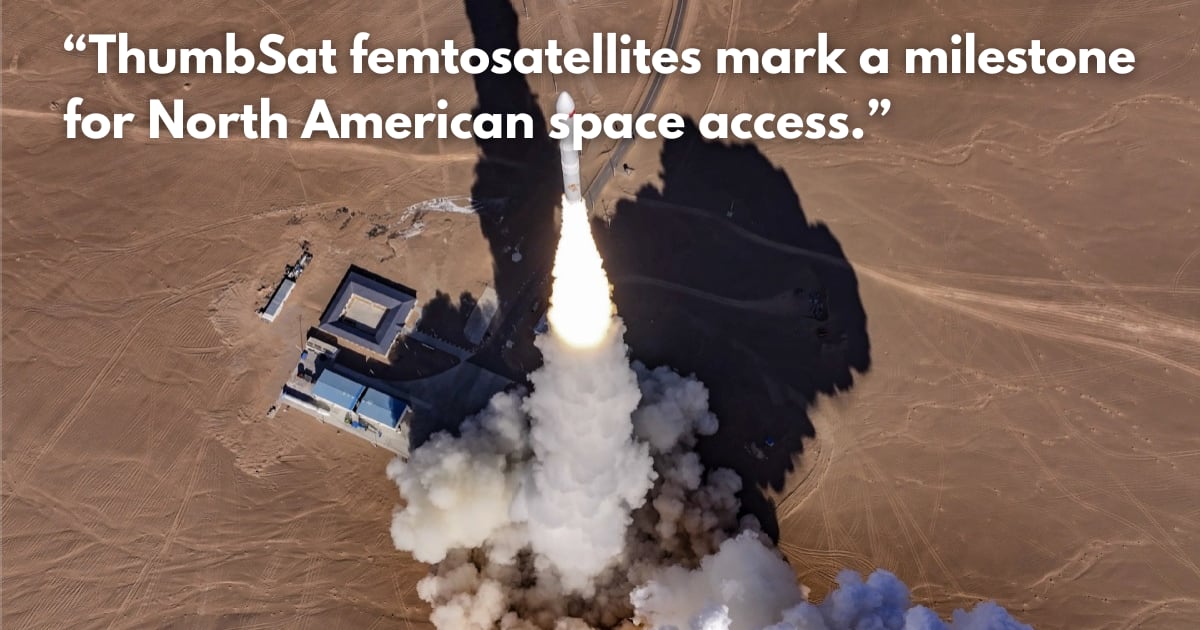
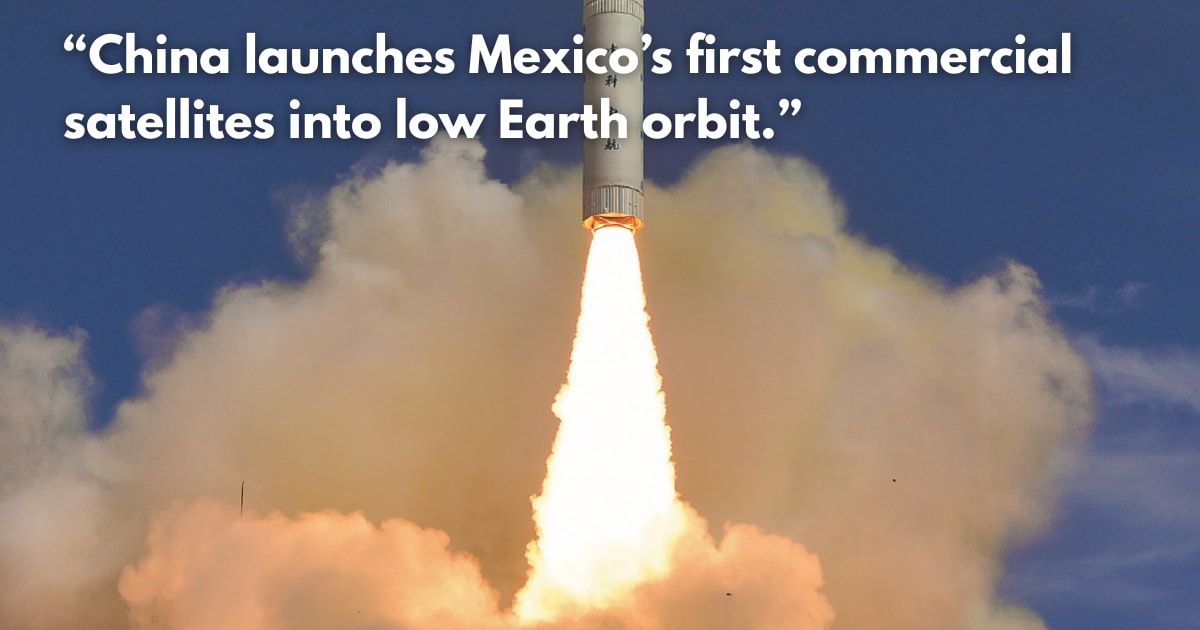
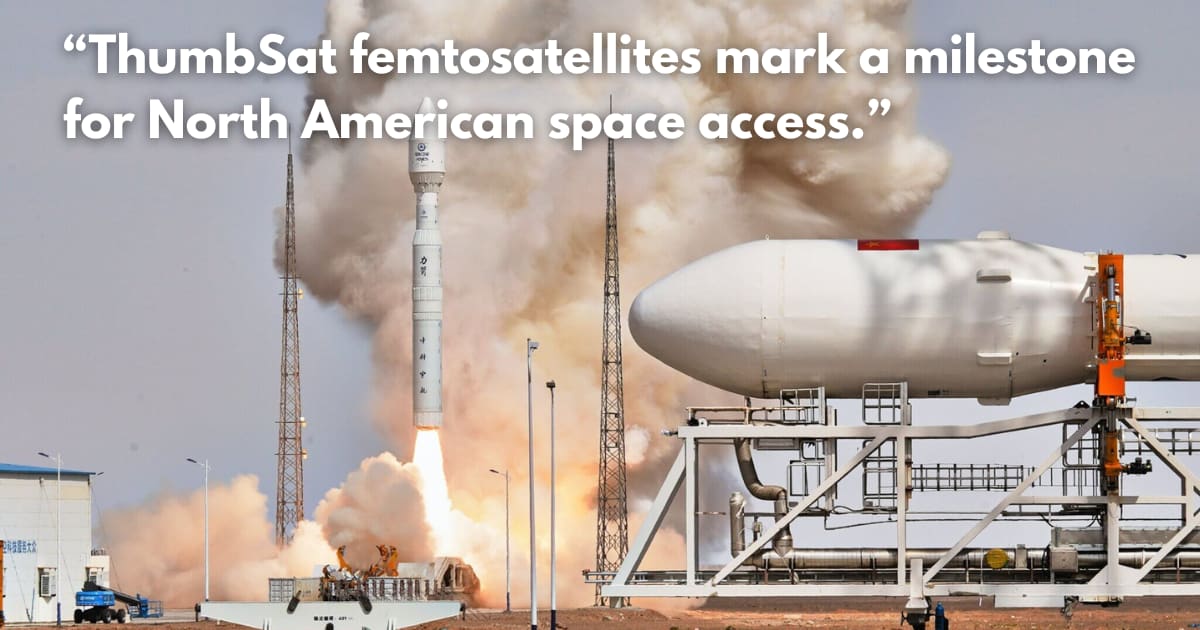


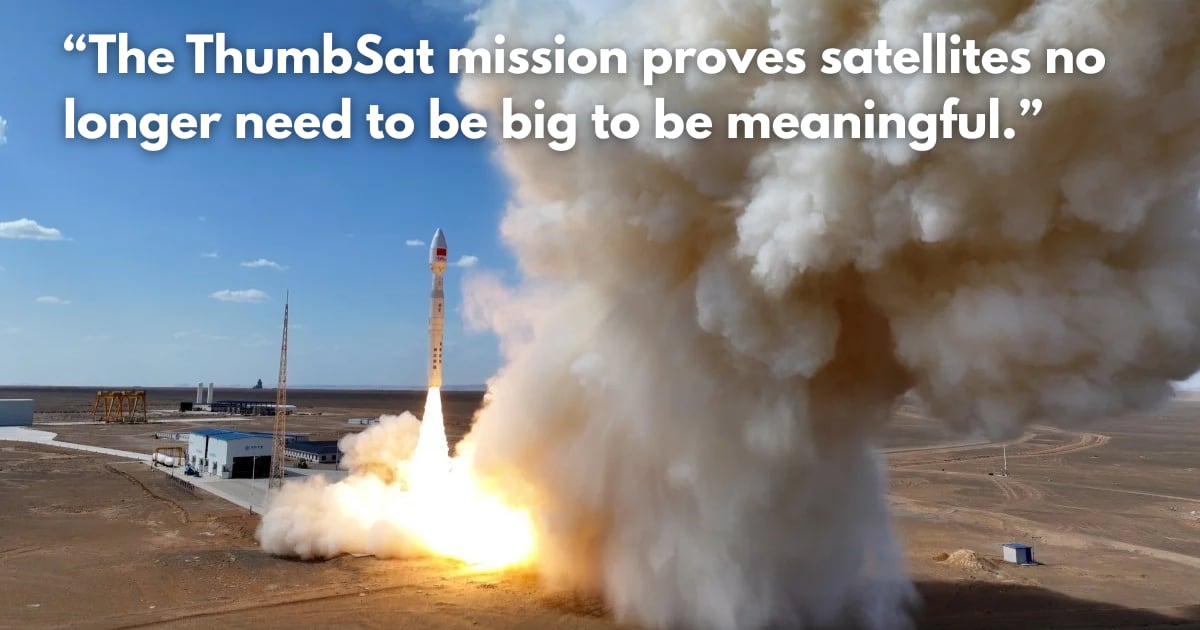
FazTimes Media: Mexico has made a big leap forward in its space goals with the launch of its first two small commercial satellites on a Chinese rocket. This marks a special partnership between North America and China in space exploration. The two satellites, made by the Mexican company ThumbSat, are minimal, each weighing under 100 grams.
They were launched this month on the Kinetica-1 rocket, which was made by a company in Beijing called CAS Space. The satellites were put into a special orbit called the "sun-synchronous orbit", where they travelled along with five other satellites from different countries.
The mission is described as a “small step with a big meaning”. Mexico is now the second North American country, after Canada, to send satellites into space using a Chinese rocket. This is a big moment for Mexico’s space dreams. ThumbSat, the company based in Tijuana that built the satellites, called the launch “Mexico’s first commercial step into low-Earth orbit.” In a statement, the company said the mission shows that satellites don’t have to be big to be useful.
Each satellite has a special purpose. ThumbSat-1 has a “selfie payload” that takes pictures in space, while ThumbSat-2 has an artistic payload meant to encourage creativity in space exploration. The company also said it plans to set up cheap ground stations across Mexico so students, universities, and space hobbyists can connect with the satellites and join the mission.
“This is not just about science—it’s about making space accessible to everyday people,” said a representative from ThumbSat. The mission held enormous significance for CAS Space. In a press release, the company said the ThumbSat mission showed that more international countries are interested in China’s rockets, which are both cheap and dependable. They also mentioned that this launch was China’s first time entering the North American space market through commercial means, which is a big deal because the U.S. has strict rules on space cooperation with China.
According to BBC News, it's uncommon for North American satellites to use Chinese rockets due to strict export control rules in the U.S. One of the toughest rules is the International Traffic in Arms Regulations (ITAR), which considers many satellite parts as sensitive. If a satellite has American parts, it is subject to ITAR, which prevents it from being launched on a Chinese rocket.
However, Mexico’s ThumbSat satellites were entirely constructed in Tijuana. CAS Space made a special separation deployer that could be upgraded for future missions. This creative teamwork allowed the project to go through legal challenges that usually stop North American companies from working with China.
The journey had many obstacles. Behind the successful launch was a story of hard work and never giving up. Ahalya Araes, the programming manager at ThumbSat, shared her thoughts on social media. “This isn’t just about the hardware or the rocket,” she wrote. “It’s about the late nights, the many problems, the many rejections before the final yes, and a small, passionate international team that didn’t give up.”
Her message inspired many young inventors and students in Latin America, who see ThumbSat’s success as a sign that even small teams with little money can make a big name in space technology. Mexico isn’t the first North American country to use Chinese rockets. In 2018, Canada was the first when a Long March-11 rocket that sent six satellites, including one from Toronto-based Kepler Communications.
But such cases are still rare. U.S. space policies usually don’t encourage allies to rely on China for launches. Still, as analysts have noted, the rising need for low-cost launch services worldwide has led some companies to look to China.
China is strengthening its connections with Latin America in the field of space. While North America has not been very involved, China has developed strong space relationships with South America, especially with Brazil.
Al Jazeera reports that the China-Brazil Earth Resources Satellite (CBERS) Program is one of Beijing's most successful long-term projects in the region. This collaboration has made Brazil one of China’s most reliable space partners outside of Asia.
Mexico’s recent satellite launch, though small in size, might signal the start of more extensive cooperation between Latin America and China’s space sector.
Why small satellites are important
The ThumbSat satellites are really small—lighter than a chocolate bar—but they have big goals. These are called femtosatellites, and they show that space technology is getting smaller, less expensive, and more accessible.
The road ahead
Although the ThumbSat mission has set a historic first for Mexico, the journey is just starting. The company plans to expand its program by adding more satellites for scientific, educational, and even commercial purposes.
Conclusion
Mexico's successful satellite launch using a Chinese rocket is more than just a science experiment—it shows what's possible when countries work together. From the labs in Tijuana to the launch sites in Beijing, this mission shows how hard work, smart ideas, and teamwork can break down political and tech challenges.
Our primary goals at FazTimes Media are to be accurate and confident and adhere to the highest journalistic standards. We check every news story we share against several trustworthy and separate sources to ensure its accuracy.
We have reviewed this report, along with articles from major news outlets worldwide, including BBC News, Reuters, Bloomberg, Al Jazeera, NDTV, The Economic Times, and The Indian Express.
We want to keep the highest standards in global journalism so that our readers can trust the information they acquire.


Discussion0
Join the conversation on this story
Loading comments...