
Punjab Floods: CM Mann Seeks Rs 60,000 Crore Aid from Centre


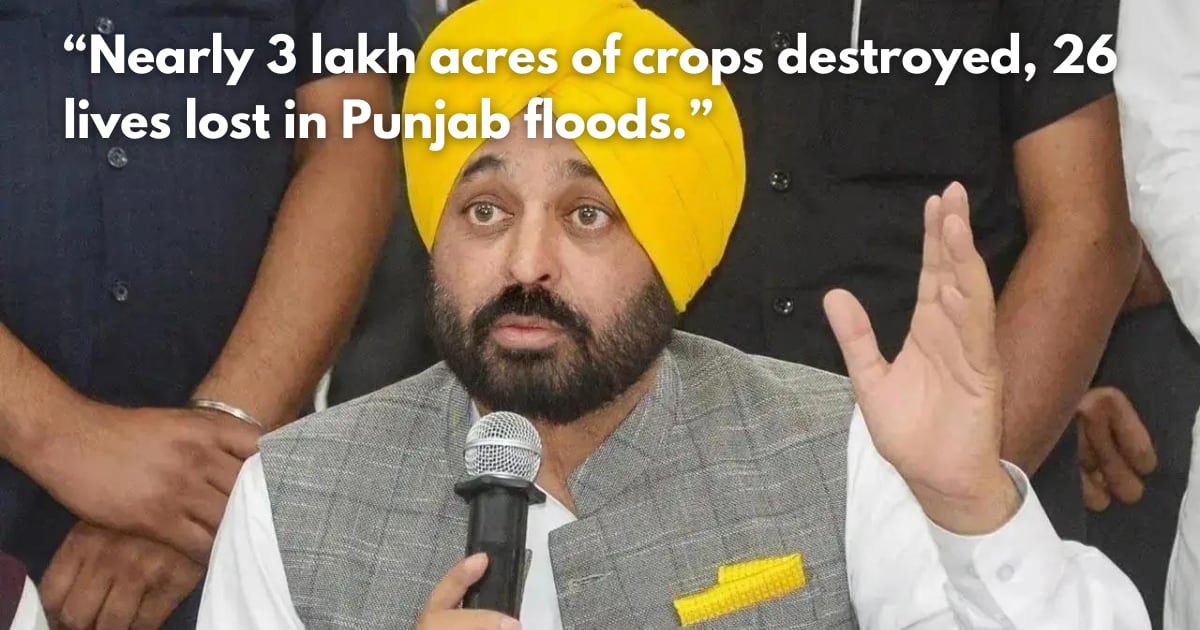


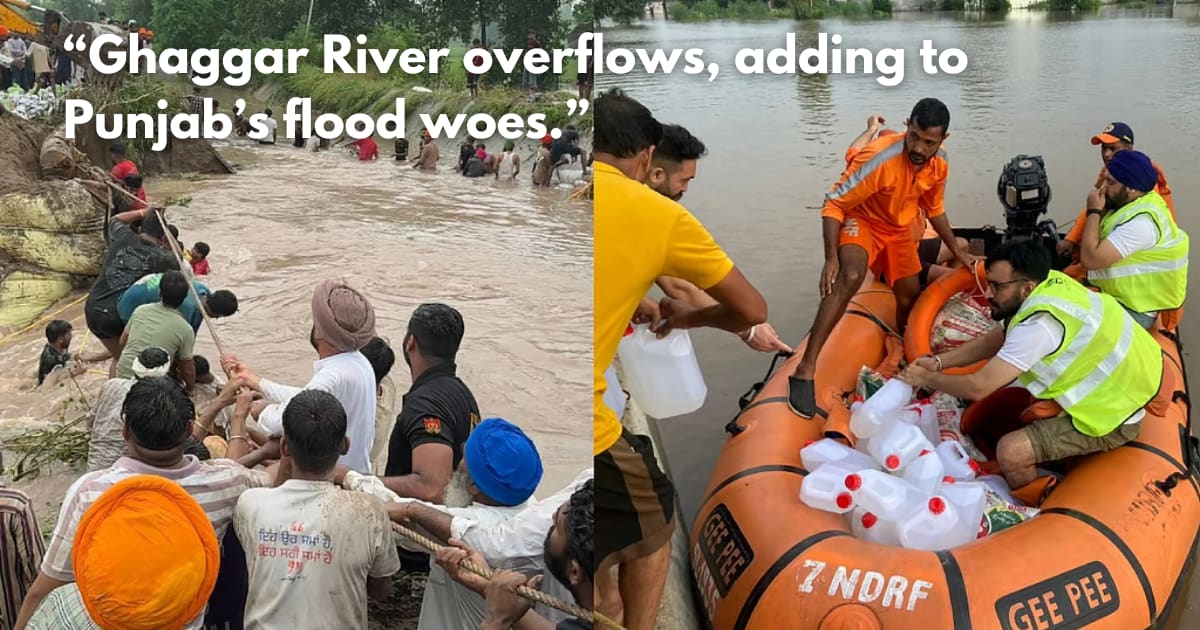

FazTimes Media, Chandigarh, August 2025: Punjab is facing one of the worst flood situations in recent times. Heavy rain has caused major rivers like the Ravi, Beas, Sutlej, and Ghaggar to rise high, flooding large parts of farmland and forcing thousands of families to leave their homes. Chief Minister Bhagwant Mann has called on the central government for a relief package of ₹60,000 crore to help with the extensive damage.
More than 1,300 villages are underwater, almost three lakh acres of crops have been destroyed, and 26 people have died so far. The state government, along with the National Disaster Response Force (NDRF), State Disaster Response Force (SDRF), Army, and other groups, is working nonstop to rescue people and provide help. As reported by BBC News, the current flood situation in Punjab is one of the worst in over ten years, both in terms of damage to agriculture and the number of people displaced.
Crops and Livelihoods were devastated.
Punjab’s main source of income—its agriculture—is in a terrible state. Large areas of paddy, maize, and sugarcane fields are now underwater. Farmers, who were expecting a favourable harvest this season, are facing heavy losses.
The state government has started a special girdawari (damage survey) to check the loss of crops and make sure farmers get proper compensation. According to a first look by the Revenue, Rehabilitation, and Disaster Management Department, districts like Gurdaspur, Kapurthala, Ferozepur, and Jalandhar have had the most crop damage. Gurdaspur alone has isolated over 300 villages from the rest of the world.
A local farmer named Balwinder Singh from Tarn Taran shared his story:
“Our whole paddy field is under water. We had taken loans for seeds and fertilisers, hoping to pay them back after the harvest. Now, everything is gone. We don’t know how we will be able to live.”
Humanitarian Crisis Gets Worse
The floods directly affect more than 1.25 lakh people, forcing many to flee their homes. Local authorities have set up schools, gurudwaras, and temporary camps as places for families to stay.
The state government has initiated the provision of food, water, medicine, and other essentials. Non-governmental groups and volunteers are also providing cooked food and shelter to the displaced. Al Jazeera reports that damaged roads and collapsed bridges continue to cut off parts of northern Punjab. This makes it harder to reach people in need. Rescue teams are using boats and helicopters to help those trapped by floodwaters.
Rescue Work is in Full Force
Currently, six NDRF teams are in Gurdaspur, and others are working in Fazilka, Pathankot, Ferozepur, and Amritsar. The SDRF has two teams in Kapurthala. The Army, Navy, and Air Force are also supporting rescue missions in several districts.
Boats and helicopters are being used for rescue work. In Kapurthala, 15 rescue boats are carrying people from flooded areas to safer places. In Ferozepur, 12 boats are in use, and in Pathankot, four boats are available. Helicopters are also helping where it's too dangerous to go on foot.
A senior official, Additional Chief Secretary Anurag Verma, after visiting flood-affected Ferozepur, said:
“About three lakh acres of farmland are damaged, and nearly 1.25 lakh people are in trouble. Rescue efforts are going on quickly, but the size of this disaster needs quick help from the central government.”
Rivers Are Rising Fast
The Ghaggar River is a big worry because it's getting too much water from the Markanda and Tangri rivers. Even though water levels at Chika (Haryana), Khanauri (Sangrur), and Sardulgarh (Mansa) are still below dangerous levels, they are rising, which is making nearby villages distressed.
In Madhopur, a tragedy happened when an irrigation department worker died after falling into the Ravi River while trying to open the floodgates at the barrage. His death shows the dangers that frontline workers face when dealing with the floods.
The Chief Minister clarified that the need for this money extends beyond immediate relief efforts to long-term recovery. This includes fixing broken infrastructure, giving money to farmers, and rebuilding homes. Political analysts think this request might lead to a new discussion about how money flows between the central government and the states. Punjab has often said it gets too little support from the centre, even though it's a major agricultural state that produces a lot of food for the country.
Environmentalists say climate change has made floods in northern India more common and stronger. Factors like uncontrolled city growth, taking over riverbanks, and poor drainage systems have made states like Punjab more at risk.
Dr Simran Kaur, an environmental scientist:
“We need to change the way we manage floods. More money should be spent on stronger riverbanks, better early warning systems, and planning for cities in a way that is sustainable. Floods will come again, but we must be better prepared.”
Looking Ahead
Currently, Punjab is focused on helping people right away—getting families out of trouble, giving them food and places to stay, and making sure they have medical help. But moving forward, the bigger tasks will be helping people rebuild their lives, paying farmers for their losses, and making sure something like this doesn’t happen again.
The next few weeks will show how well the government listens to Punjab’s request and how fast they can turn help into real action.
Our primary goals at FazTimes Media are to be accurate and confident and adhere to the highest journalistic standards. We check every news story we share against several trustworthy and separate sources to ensure its accuracy.
We have reviewed this report, along with articles from major news outlets worldwide, including BBC News, Reuters, Bloomberg, Al Jazeera, NDTV, The Economic Times, and The Indian Express.
We want to keep the highest standards in global journalism so that our readers can trust the information they acquire.


Discussion0
Join the conversation on this story
Loading comments...