
Russia Hails Modi, Putin, Xi's 'Video of the Day' at SCO Summit


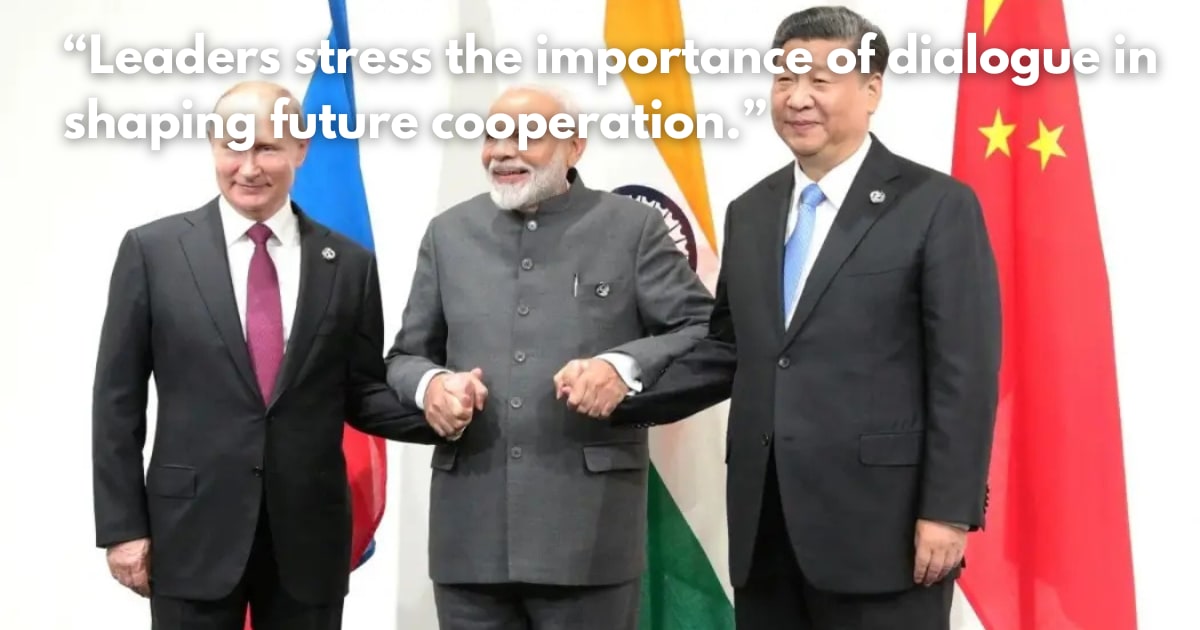
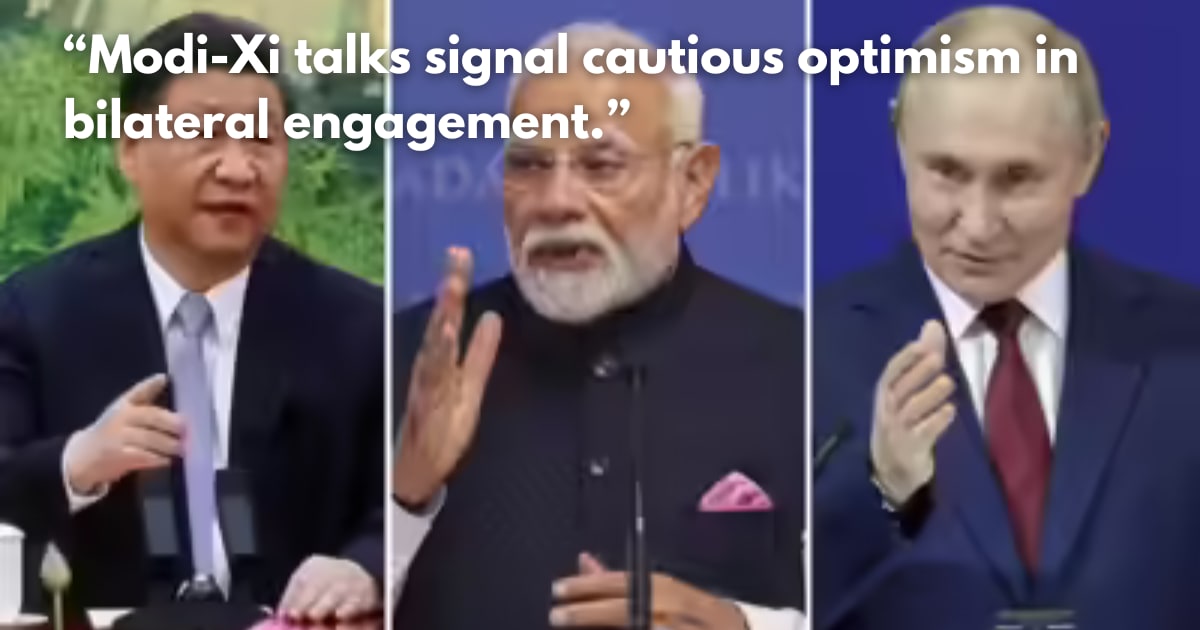

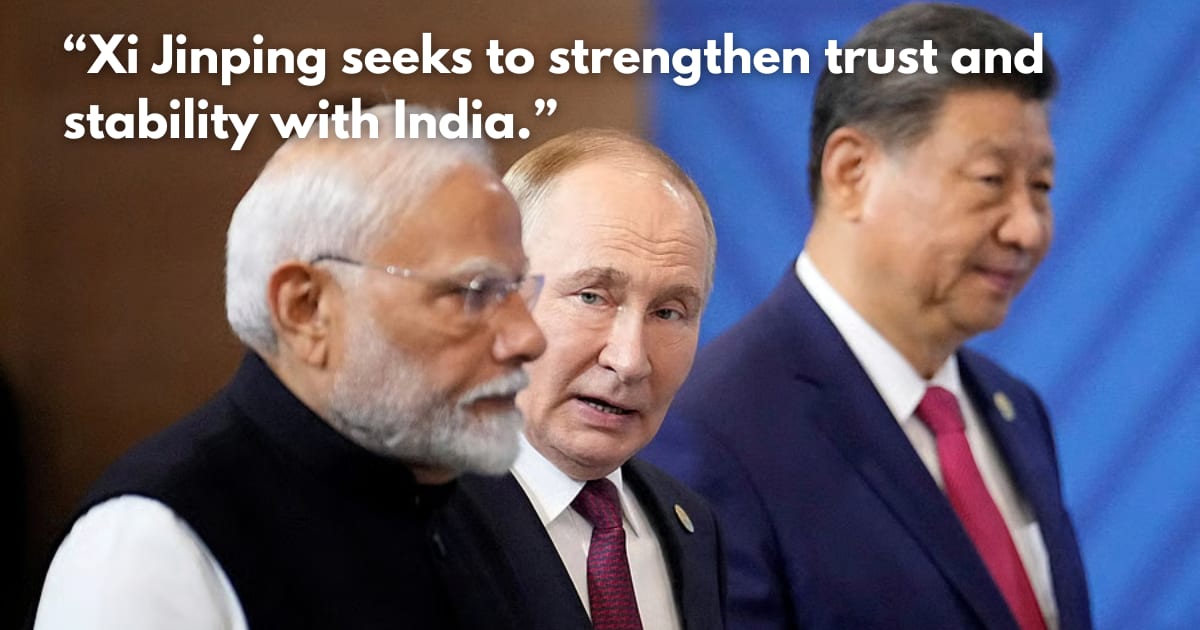

FazTimes Media, Tianjin, China – A brief but meaningful moment at the Shanghai Cooperation Organization's (SCO) Summit has captured global attention. A simple conversation between Indian Prime Minister Narendra Modi, Russian President Vladimir Putin, and Chinese President Xi Jinping – shared by Russia's Ministry of Foreign Affairs – became the most popular part of the event.
The social media platform X (formerly Twitter) labelled the clip as Russia's "video of the day." The clip showed the three leaders walking together, smiling, and engaging in light conversation just before the official group photo. The Russian Foreign Ministry’s caption read, “#VideoOfTheDay – President of Russia Vladimir Putin, Prime Minister of India Narendra Modi, and President of China Xi Jinping just before the start of the #SCO Summit.”
The video quickly spread online, with many people calling it a sign of changing diplomatic relations in Asia. Despite ongoing challenges in their countries' relationships, the friendly behaviour of the leaders resonated with people in the region.
A Moment of Calm in the Midst of Tensions
The SCO, created in 2001, is a key political and security group in Eurasia. It has eight full members, including India, China, Russia, Pakistan, Kazakhstan, Kyrgyzstan, Tajikistan, and Uzbekistan. Over time, the group has been seen as an alternative to Western institutions, focusing on regional peace, trade, and working together against terrorism.
This year’s summit, held in Tianjin, is especially important. As reported by BBC News, Prime Minister Modi’s visit was his first to China in seven years, showing a careful move toward better relations after a long period of distance. Since the deadly Galwan Valley clashes in 2020, India and China have found it difficult to rebuild trust, especially along the border.
Against this background, the video showing Modi, Putin, and Xi having a friendly chat seemed almost special. For many, it indicated that even with disagreements, talking things through is still possible.
Modi’s Message of Balance
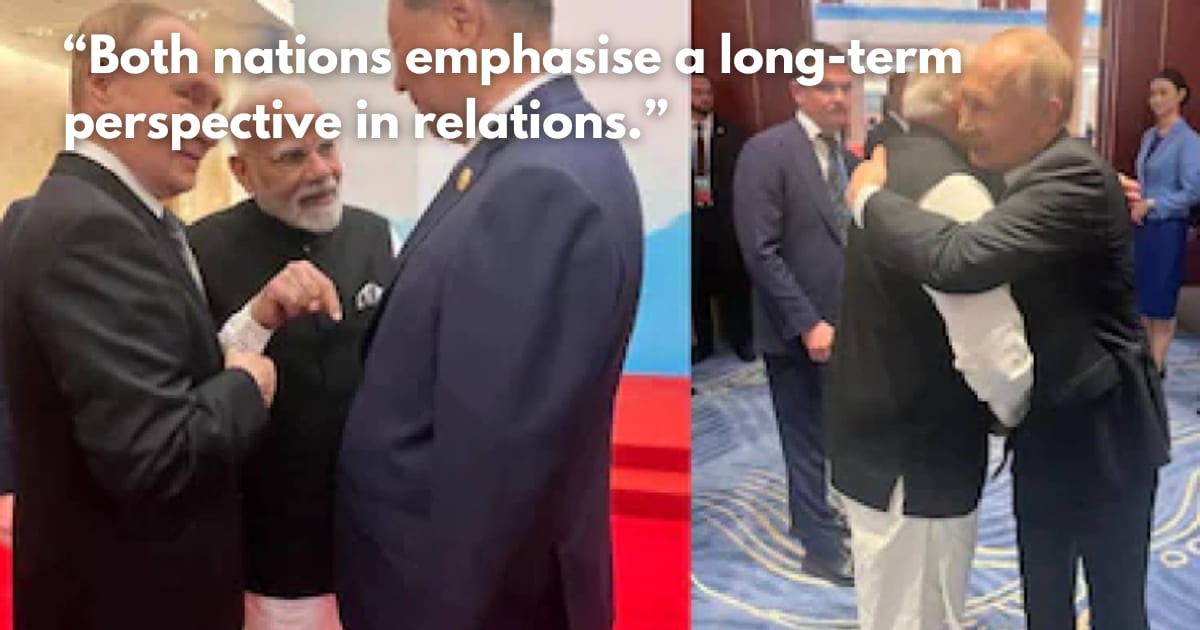
Prime Minister Modi, who is known for carefully choosing his words when speaking to the world, also shared the video on his personal social media account. He wrote, “Interactions in Tianjin continue! Exchanging views with President Putin and President Xi during the SCO Summit.” Along with the post, he shared another photo showing a warm handshake and a brief hug with President Putin.
The image had a strong symbolic meaning. For India, maintaining relationships with both Russia and China, and growing closer with the United States and Europe, has been a careful and complex diplomatic effort. Al Jazeera has described India’s position as “multi-aligned” instead of non-aligned, which allows New Delhi to remain flexible in a world that is constantly changing.
During his conversation with President Xi, Modi said that the relationship has moved in a “meaningful direction” and highlighted the “peaceful situation along the borders after the disengagement.” These comments demonstrated New Delhi's cautious optimism, despite the ongoing rebuilding of full trust.
Xi Jinping’s Vision
President Xi shared similar thoughts. According to Chinese broadcaster CCTV, Xi said the meeting in Tianjin could “further strengthen ties and help the relationship grow stably and healthily.” He encouraged both countries to look at their relationship from a long-term, strategic perspective rather than get stuck in short-term disagreements.
China, dealing with its problems with Western countries, has often shown a willingness to work more closely with India, especially through groups like the SCO and BRICS. Xi’s comments also matched his earlier statement that India and China, as old and large nations, need to work together to influence the future of Asia.
Russia's Role as Bridge
For Russia, demonstrating the strong relationship among the three leaders served a significant purpose. Because of the Ukraine war and Western sanctions, Moscow has become more isolated. So, Russia has been relying a lot on both China and India to stay important in the world.
By focusing on this "trilateral moment", Russia wants to prove it's still a key player in Asian politics. The Russian Foreign Ministry was really excited about promoting the video, showing how much they wanted to be seen as united with two of Asia's biggest countries.
People watching the situation note that Russia has a special advantage here. Even though China and Russia have gotten closer, India is still one of Russia's biggest buyers of weapons and a major energy partner. Russia frequently intervenes discreetly between China and India to facilitate communication when tensions rise, according to The Hindu.
Why This Interaction Matters
Even though the short meeting might look like just a friendly gesture, the timing is important. Currently, the world is dealing with what experts call a "polycrisis"—a mix of problems like war, economic issues, climate change, and changing alliances. In such a time, even small, friendly moves between big leaders have a big impact.
The incident demonstrated to India that, despite some mistrust, lines of communication with China remain open. For China, it was a chance to show they want to work with others. For Russia, it was an opportunity to show it's still a key player for both.
In a sense, the clip showed the new realities of a world with many centres of power. No one country is in charge, and even rival nations must cooperate.
Local Perspective: What It Means for India
For Indian people, the bigger message is clear. New Delhi needs to keep balancing its position between the West, led by the U.S., and the Russia-China group. While India's ties with the U.S., Japan, and Australia through the Quad are making its security stronger in the Indo-Pacific, its location makes relations with China and Russia difficult to avoid.
India depends on Russian weapons and energy imports, and it shares interests with Russia in keeping Afghanistan stable. These links make relationships with Russia essential. Simultaneously, trade with China exceeded $135 billion in the previous year, demonstrating its importance despite ongoing conflicts. Therefore, Modi's informal meeting with Putin and Xi was more than just a photo op — it conveyed a subtle message that India remains committed to maintaining various diplomatic channels.
Looking Ahead
As the SCO Summit continues, experts will be watching to see if the friendly atmosphere leads to real results. Important topics under discussion include security in the region, collaborating against terrorism, addressing climate change, and enhancing trade and connections.
The big question is: can India, China, and Russia actually work together in a meaningful way, or will these moments only be about showing goodwill?
Still, the meeting in Tianjin has made some people more hopeful. It indicated that diplomacy can move forward not just through important speeches or signed deals, but also through friendly chats and shared moments.
Conclusion
The short but widely talked about meeting between Prime Minister Modi, President Putin, and President Xi at the SCO Summit may not resolve old problems, but it has certainly changed how people see things. In a world that feels uncertain, seeing three of the most powerful leaders in the world walk and talk together gave people a rare sense of hope.
As reported by BBC News, the SCO is becoming a more important place for shaping the future of Eurasia.
For India, China, and Russia, the challenge is whether these moments of friendship can lead to stronger and more real cooperation. Currently, the world is watching – and hoping – that the friendly image from Tianjin will one day become a real action.
Our primary goals at FazTimes Media are to be accurate and confident and adhere to the highest journalistic standards. We check every news story we share against several trustworthy and separate sources to ensure its accuracy.
We have reviewed this report, along with articles from major news outlets worldwide, including BBC News, Reuters, Bloomberg, Al Jazeera, NDTV, The Economic Times, and The Indian Express.
We want to keep the highest standards in global journalism so that our readers can trust the information they acquire.


Discussion0
Join the conversation on this story
Loading comments...