
Political Standoff in Chicago Over Trump's Crime Crackdown


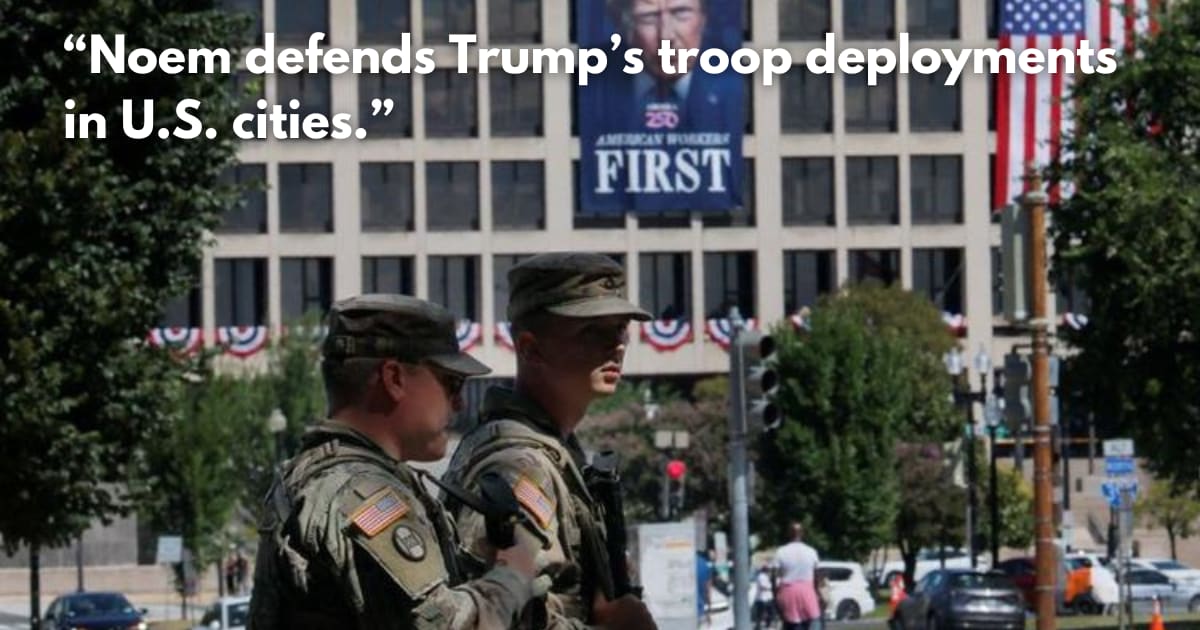
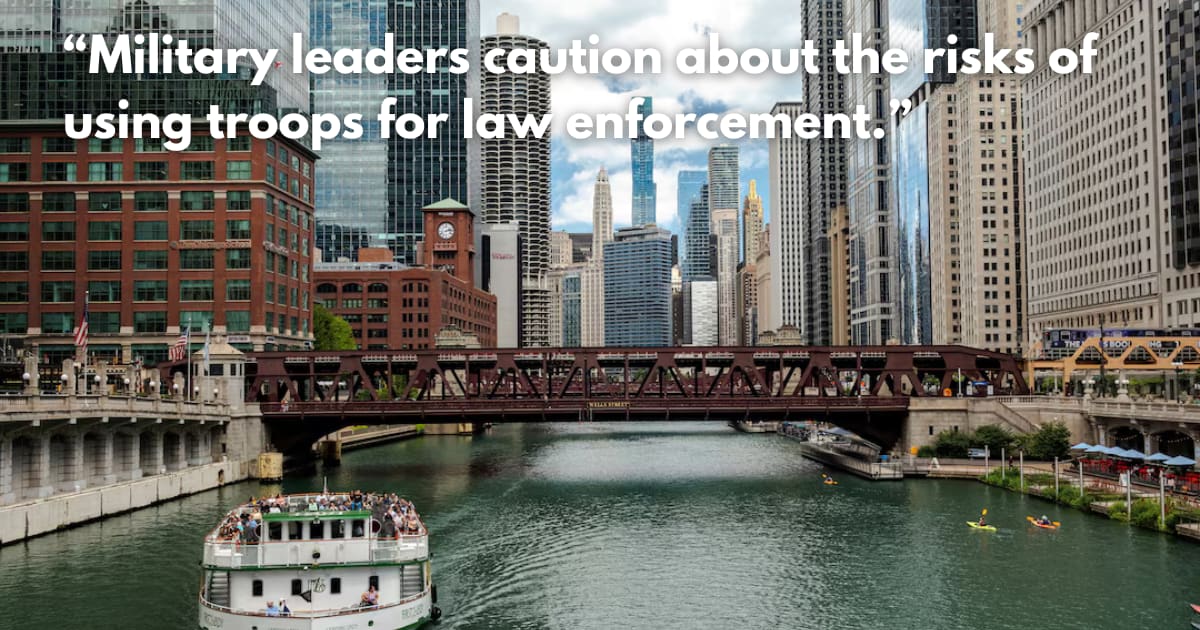
FazTimes Media: The discussion about U.S. President Donald Trump’s idea to increase security in Chicago has become one of the biggest political conflicts in recent times. This disagreement is happening between the White House and officials in the state and city of Illinois. The main issue is Trump’s promise to send more federal agents—possibly even the National Guard—into Chicago to deal with what he calls a “crime and immigration problem.” His supporters believe this action is needed to bring stability, but others are concerned it might hurt democracy and make tensions between Washington and local governments even worse.
Homeland Security Signals More Help
On Sunday, Homeland Security Secretary Kristi Noem appeared on CBS News’ Face the Nation. She announced the deployment of additional federal immigration officers to Chicago. Although she didn’t give exact numbers or a schedule, she suggested that National Guard troops could be sent if the president decides it’s necessary.
“President Trump will take any steps needed to protect the American people,” Noem said.
“When local leaders don’t handle crime, the federal government has a responsibility to act.” Her comment came after weeks of rumours that Chicago might be the next big city in Trump’s plan to fight crime and illegal immigration. Al Jazeera reports that Trump's team has been advocating for increased federal involvement in several Democratic-run cities, citing a conflict between "law and order" and perceived "poor leadership".
Illinois Governor Resists
Illinois Governor J.B. Pritzker, a Democrat, was very firm during the same TV show. He said Trump is using public safety as a way to gain more power.
“Let’s be clear: this issue isn’t about crime; it’s about control,” Pritzker said. “The president wants to send troops in so he can influence or stop the 2026 midterms. If he can bring in troops under the excuse of ‘election security’, he could change how democracy works.”
Pritzker’s strong words show that Democrats are worried federal involvement in local police matters could set a dangerous precedent, giving the White House too much power over states and cities that disagree with its policies.
White House Strikes Back
The Trump administration quickly responded to Pritzker’s comments. A White House spokesperson named Abigail Jackson criticised the governor for not doing his job and focusing more on political drama than on keeping people safe.
“Chicago’s families deserve better,” Jackson said in a statement. “Instead of acting like a hero for resistance, Governor Pritzker should be solving the city’s crime problem. If he can’t make the streets safe, then the president will step in.”
Jackson’s comments show the approach the Trump team often takes — blaming Democratic leaders for not doing a good job and painting Trump as the one who stands up for regular people.
Crime Statistics Tell a Different Story
Surprisingly, the official data from Chicago shows a more complicated picture. Even though the city has had problems with violent crime for many years, most types have actually gone down this year, according to city figures shared by BBC News. Homicides and shootings, a main point of criticism from Trump, are lower now than at the same time last year.
Local officials warn that federal troops taking control of the streets could undo this progress, potentially creating more issues rather than resolving them. Chicago Mayor Brandon Johnson, who recently signed an executive order, made it clear that local police can’t work with National Guard units or federal forces without city permission.
“Chicago belongs to its people, not to Washington,” Johnson said.
Echoes of Washington, D.C. Crackdown
The president sent National Guard troops into the capital, took control of the city’s police force, and placed many federal officers in downtown areas. Trump called the move a success in bringing order back, but others called it an extreme step. People in the city felt like their city had become a military zone. Civil rights groups have also raised legal and constitutional concerns about the federal government taking over local law enforcement.
Experts say Washington, D.C., is more likely to be affected by such actions because it is a federal district. Chicago, on the other hand, is a regular city with an elected mayor and state protections, making Trump’s move more of a political challenge.
National Guard in Los Angeles Sparks Debate
People who support the president's actions often use Los Angeles as an example. In June, Trump sent thousands of National Guard soldiers into the city after large protests broke out. Secretary Noem justified this decision by stating that it prevented the destruction of Los Angeles.
“Without President Trump’s action, Los Angeles would have burned down,” Noem said. But California Governor Gavin Newsom and other local leaders had a different opinion. At that time, Newsom called the move "deliberately inflammatory," accusing Trump of making things worse rather than fixing them.
According to Reuters, even high-ranking military officials expressed concerns in private meetings. They worried that the soldiers weren't properly trained for city policing and warned about “long-term social, political, and operational risks” if the military got involved in civilian law enforcement.
A Clash Over Democracy
Strong federal action, according to Trump and his supporters, is necessary to protect public order. Opponents say such actions threaten the basic structure of federalism, reducing the independence of states and cities.
For people in Chicago, the situation is personal. Others, especially in areas with high crime, are cautiously hopeful that more help could make the streets safer.
Issues like law enforcement, immigration, and how government works have become deeply connected to political divisions.
What Comes Next?
The next few weeks will show whether Trump plans to expand his efforts in Chicago. Right now, the White House isn't being specific about how many troops or when they might arrive.
Our primary goals at FazTimes Media are to be accurate and confident and adhere to the highest journalistic standards. We check every news story we share against several trustworthy and separate sources to ensure its accuracy.
We have reviewed this report, along with articles from major news outlets worldwide, including BBC News, Reuters, Bloomberg, Al Jazeera, NDTV, The Economic Times, and The Indian Express.
We want to keep the highest standards in global journalism so that our readers can trust the information they acquire.




Discussion0
Join the conversation on this story
Loading comments...