
Supreme Court Extends Status Quo on Sambhal Mosque Dispute

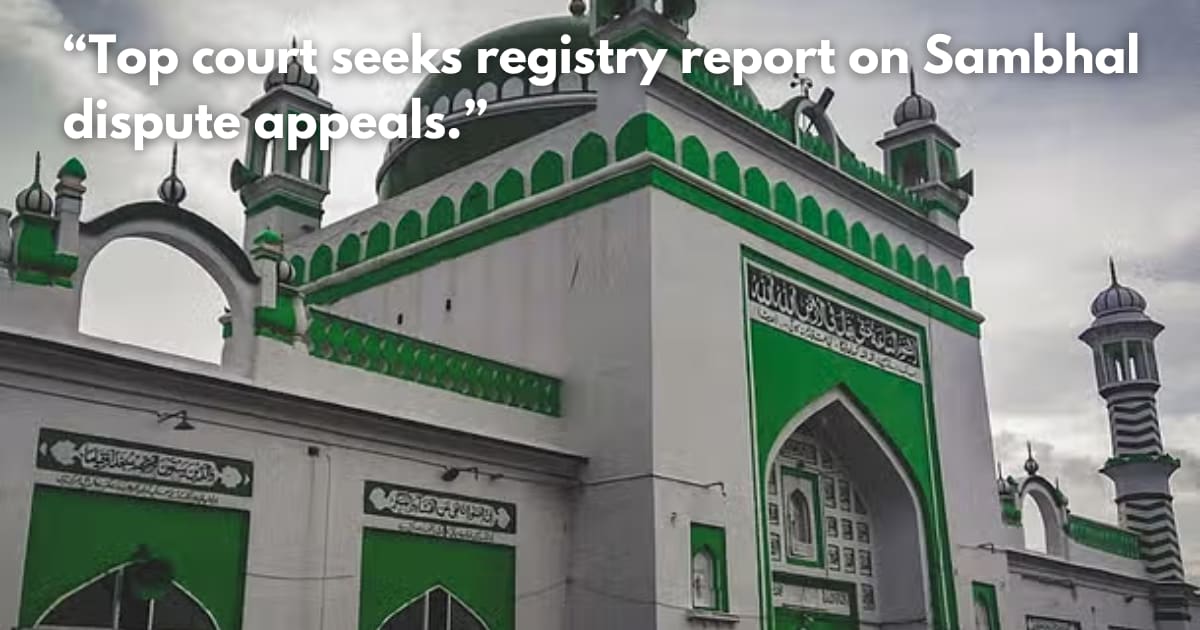

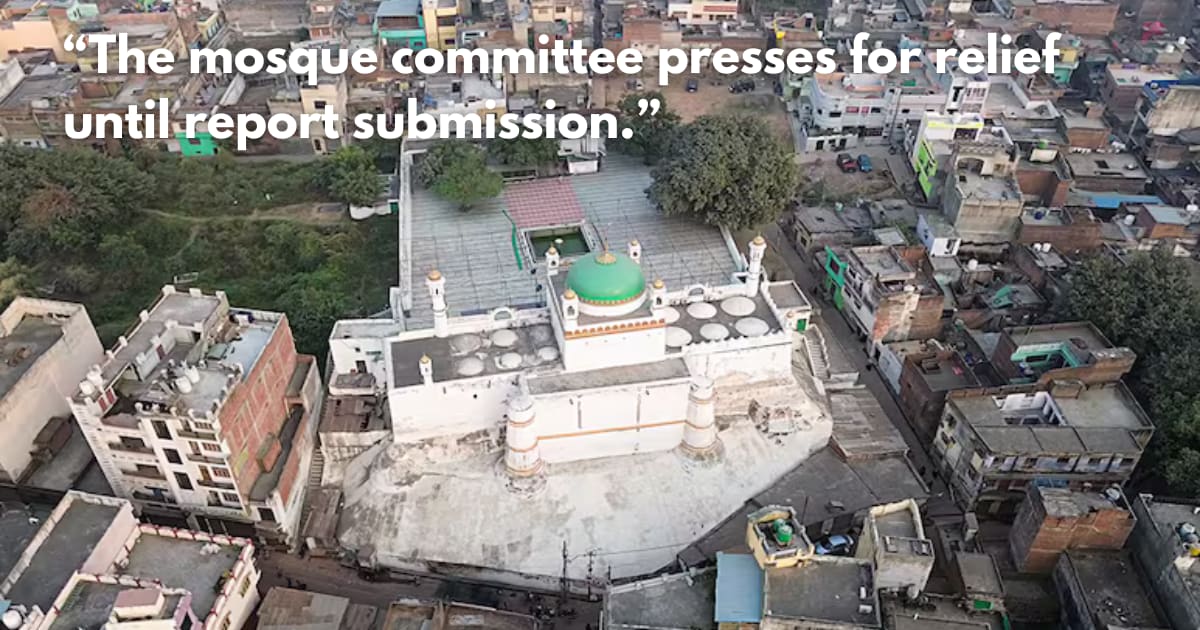
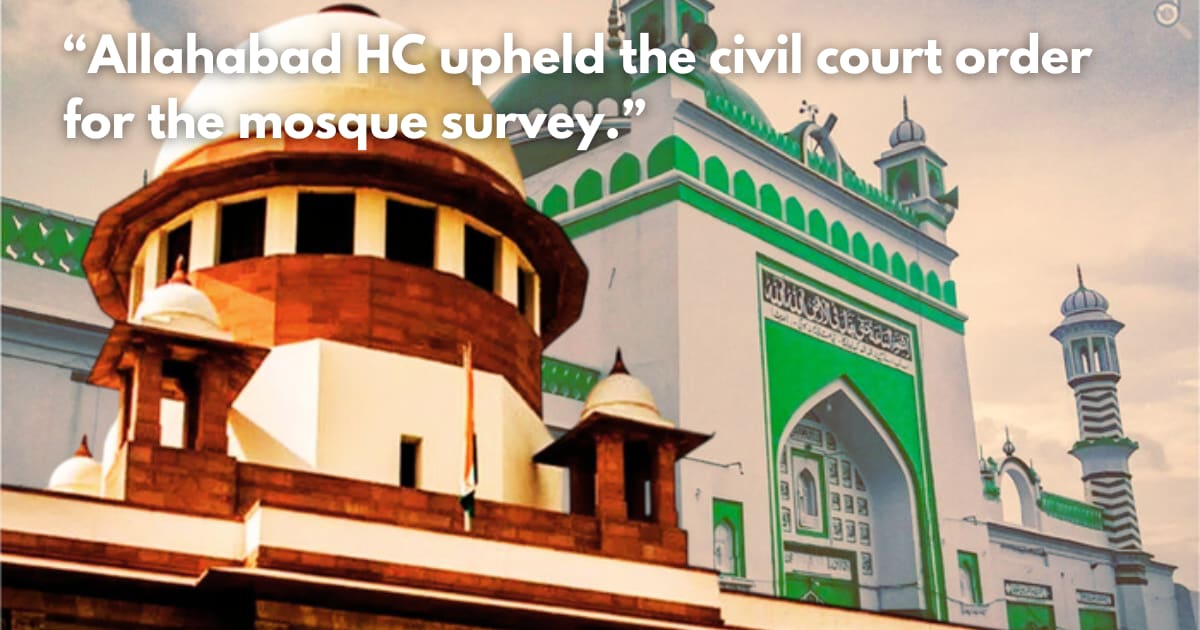


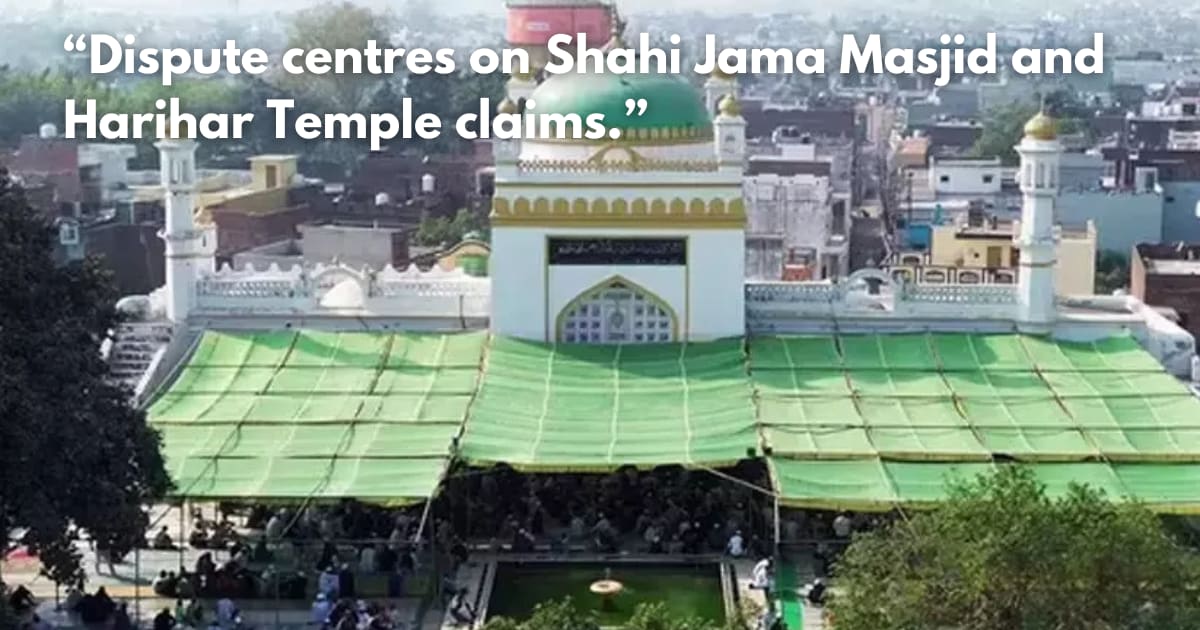
Faztimes Media, New Delhi, September 1 – The Supreme Court of India on Monday extended the status quo order in the long-standing Sambhal mosque dispute in Uttar Pradesh, a case that has attracted nationwide attention and brought back memories of past religious conflicts. The order, which has been extended for another two weeks, has created space for ongoing legal and political discussions as both Hindu and Muslim communities continue to assert their positions.
Narasimha and Justice Alok Radhe heard the appeals from the Committee of Management of Jami Masjid Sambhal, represented by its secretary and vice president. The mosque committee had approached the Supreme Court after the Allahabad High Court rejected their petition challenging a court-ordered survey of the Shahi Jama Masjid and the nearby Harihar Temple.
The Legal Battle at the Heart of the Case
The mosque management committee opposed the order, claiming that there was no legal basis for the survey. Despite their appeal, the survey was carried out on the same day, sparking a series of legal challenges.
The Indian Express reported that the committee contended that the survey was expeditious and exceeded the court's jurisdiction.
The Allahabad High Court later supported the decision of the civil court, saying that the appointment of a court commissioner and the filing of the original case were valid. This led the mosque committee to appeal to the Supreme Court.
Arguments From Both Sides
During Monday’s hearing, lawyer Vishnu Shankar Jain, who is representing the Hindu group, disagreed with the Supreme Court’s decision to keep things as they are for now. He said that waiting longer only makes things unclear and stops the people who filed the case from moving forward with their religious claims.
On the other side, Senior Advocate Huzeifa Ahmadi, who is working for the mosque’s management, asked the court to give more time until the Supreme Court’s office finishes its investigation and gives its report. He explained to the judges that without knowing the proper steps, moving too quickly could make things worse and cause more conflict.
The Supreme Court decided to wait for the report, saying nothing should happen at the site in the meantime to keep things calm and fair.
A Town on Edge
Sambhal, a town about 160 kilometres from Lucknow, is a small place that reflects the mix of people and traditions in Uttar Pradesh. It has both Hindus and Muslims living there, and two important places — the Shahi Jama Masjid and the Harihar Temple — are close to each other.
A group of judges was set up to look into what happened, and they found that four people died and almost thirty police officers were hurt in the violence on November 24, 2022. The Chief Minister, Yogi Adityanath, got the report from the three-member team, which was led by a retired judge from the Allahabad High Court, Devendra Kumar Arora. The officials haven’t shared the full findings yet, but they have said there were "serious problems" with how the police handled the crowd and how the government prepared for the situation.
Historical Context
The Shahi Jama Masjid, which is thought to have been built during the Mughal period, has been a place of prayer for many years. However, the Hindus who are part of the case believe that the mosque was built on the site of an old temple, and they want the location to be recognised as a historically important Hindu site.
The Road Ahead
The Supreme Court's decision to keep things as they are has put a hold on the case, but the real problems are still there.
Currently, the Supreme Court is ready to decide whether the survey evidence can be used and how much weight the mosque management’s objections should have.
Our primary goals at FazTimes Media are to be accurate and confident and adhere to the highest journalistic standards. We check every news story we share against several trustworthy and separate sources to ensure its accuracy.
We have reviewed this report, along with articles from major news outlets worldwide, including BBC News, Reuters, Bloomberg, Al Jazeera, NDTV, The Economic Times, and The Indian Express.
We want to keep the highest standards in global journalism so that our readers can trust the information they acquire.


Discussion0
Join the conversation on this story
Loading comments...