
Deadly Afghanistan Earthquake: What We Know, Latest Updates
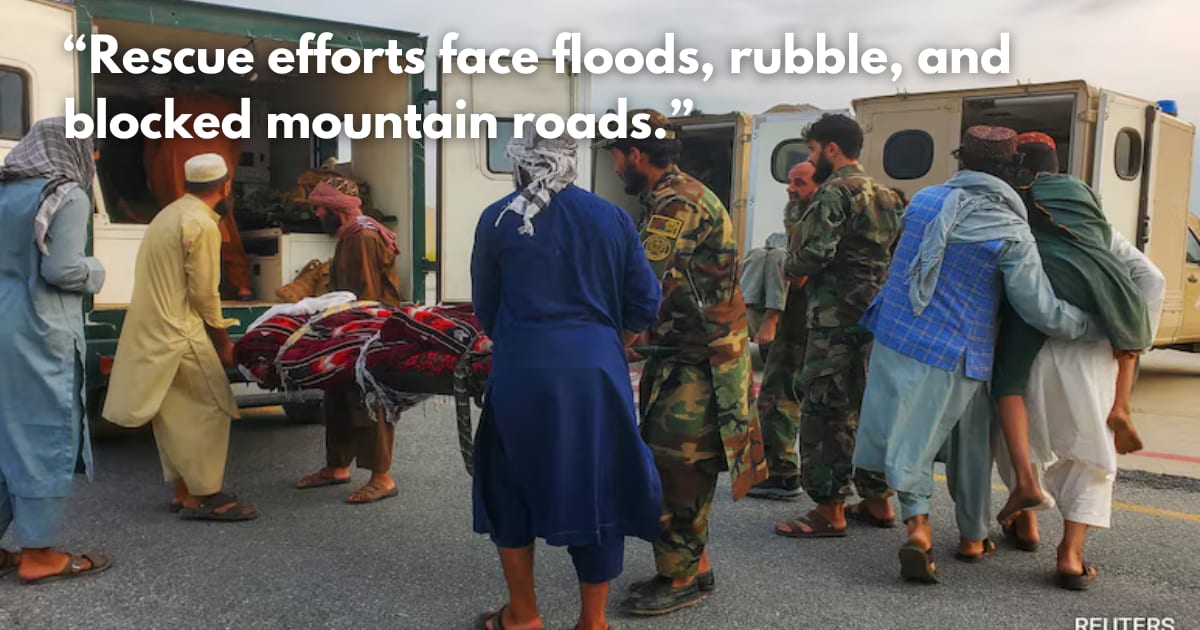
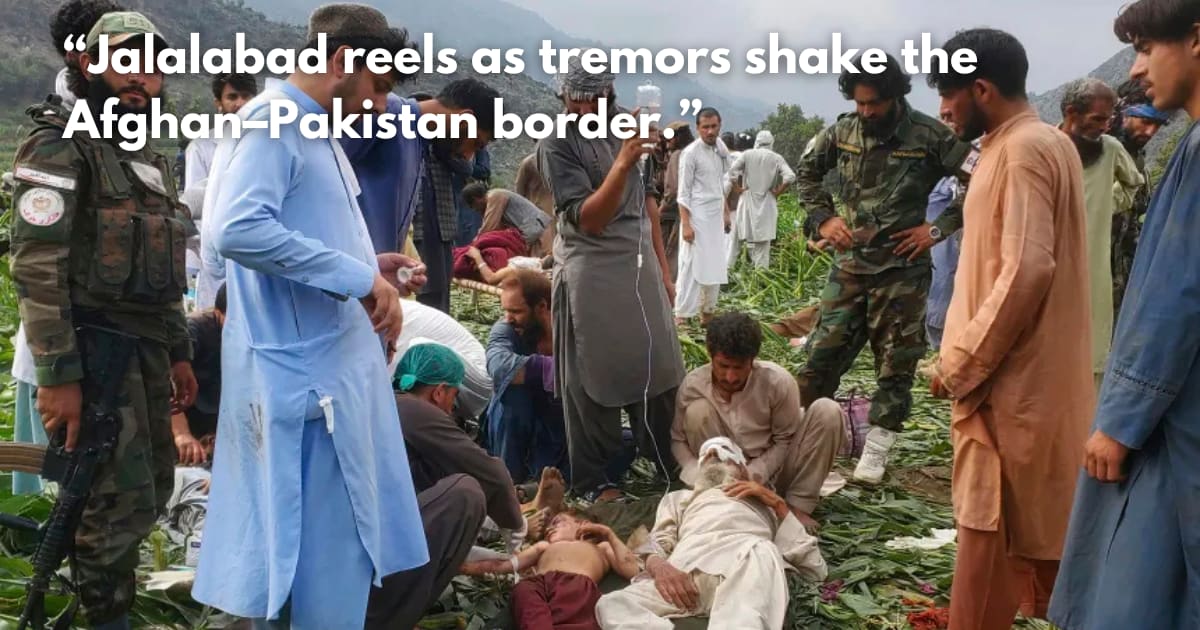


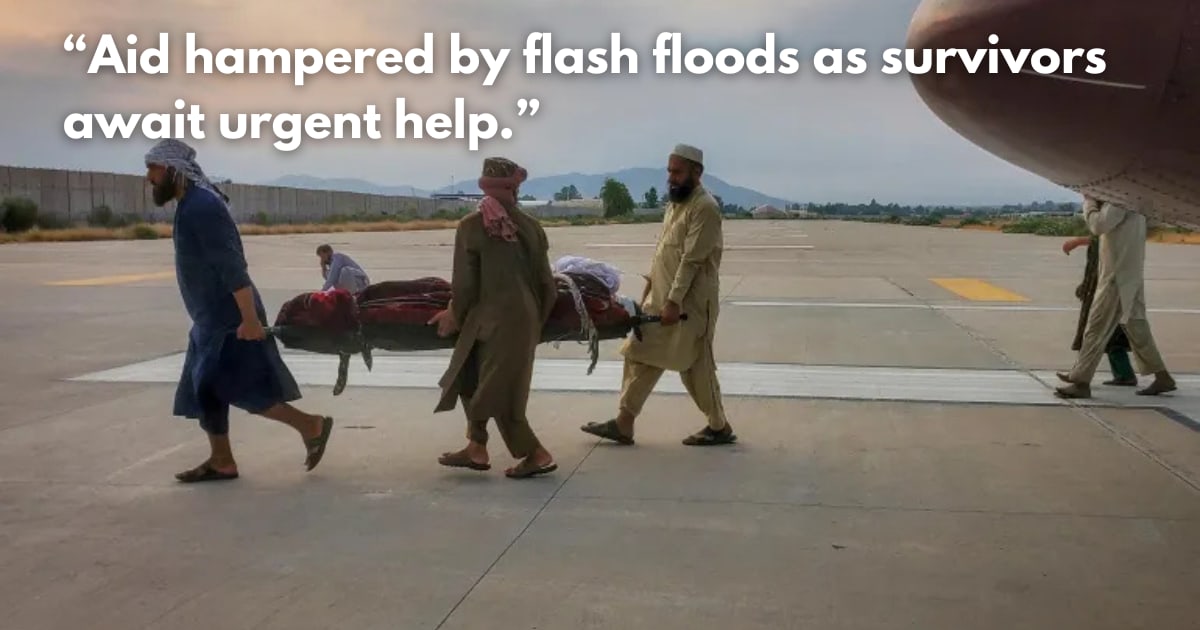
FazTimes Media: Afghanistan is facing another terrible disaster as a strong earthquake hit its eastern areas late on Sunday night. The earthquake, which registered a magnitude of 6 on the Richter scale, resulted in hundreds of fatalities and thousands of injuries. It struck close to the Pakistan border, breaking apart weak homes, stopping roads with rubble, and making rescue efforts even harder, especially after recent heavy rains caused floods.
The Afghan government says at least 800 people are dead, and more than 3,000 are hurt. The numbers might go up because rescue workers are having a hard time reaching some distant villages that are still in ruins. This disaster shows how easy it is for natural events to hit Afghanistan. The country's mountainous landscape, poor buildings, and ongoing problems with food and aid make it really hard to help people quickly.
Where the Quake Hit
The earthquake happened at 11:47 pm local time (19:47 GMT) on Sunday. The centre of the quake was in Nangarhar and Kunar provinces. The USGS said the depth was just 8 km (5 miles) – a “shallow” quake, which usually causes more damage because the shaking is closer to the surface.
Within 20 minutes, a smaller quake of magnitude 4.5 hit near Basawul in Nangarhar. More small tremors between 4.3 and 5.2 on the Richter scale kept people scared and awake all night. Jalalabad, the capital of Nangarhar province, was one of the most damaged areas. With nearly 300,000 people living there, it's an important place where Afghanistan and Pakistan trade.
Casualties and Injuries
Mawlawi Zabihullah Mujahid, a government official, said at least 812 people are dead, and more than 3,000 are injured. Mujahid stated that many villages remain cut off due to blocked roads and ongoing aftershocks, potentially leading to an increase in these numbers.
Survivors described terrible scenes: children trapped under collapsed roofs, farmers stuck in fields, and whole communities isolated because landslides destroyed paths and bridges.
Rescue Operations: Fighting Against Time
Sharafat Zaman, a spokesperson for the Ministry of Public Health, said that helicopters have already taken 335 injured survivors to Nangarhar Regional Hospital. The Ministry of Defence sent 30 doctors and almost 800 kilograms of medical supplies to Kunar province to help hospitals that are already struggling, according to Afghanistan’s state-run Bakhtar News Agency.
However, these efforts are facing big challenges. Heavy rain over the weekend caused flash floods that destroyed roads and bridges, cutting off many communities. “Roads are covered with rocks and mud,” said Al Jazeera correspondent Mohsin Momand from Kabul. “Getting to the main area has been almost impossible, and many villages are still cut off.”
International Response
The world has shown support and offered help. United Nations Secretary-General Antonio Guterres posted on X (formerly Twitter):
“The UN is fully supporting the people of Afghanistan. Our teams are ready and will do everything to help those affected.”
Iran, a close neighbour, has already offered aid. According to Tasnim News Agency, Iranian Foreign Minister Abbas Araghchi said:
“During this sad time, the Islamic Republic of Iran expresses its sympathy and is fully ready to provide relief, medical, and humanitarian help.”
There are reports that other countries, such as Pakistan, Turkey, and Qatar, are also preparing emergency supplies and technical support.
Why Rescue Efforts Are Hampered
The geography and infrastructure of Afghanistan make it very hard to provide disaster relief. Abdullah Ansari, a professor at the Earthquake Monitoring Centre in Oman, told Al Jazeera, “Because of flash floods in Nangarhar, landslides have blocked major roads, stopping heavy equipment from reaching areas affected by earthquakes.”
He added that Afghanistan doesn’t have a reliable early-warning system for earthquakes. “Without effective alerts, people don’t have time to get out of danger, which leads to many deaths.”
Furthermore, years of war and political problems have left the country with few resources, broken buildings, and weak government systems.
A History of Seismic Disasters
In 2023, a 6.3 magnitude earthquake hit Herat province, killing over 2,000 people. The Hindu Kush mountains often experience earthquakes between 5.0 and 6.0 in magnitude, putting millions of people at risk.
Shnizai explained, “Fault lines like the Chaman, Kunar, Panjshir, and Hindu Kush thrust faults cause frequent earthquakes. Without good building rules and disaster plans, each quake becomes a huge disaster for people.”
Agriculture, Economy, and HumanitariaImpactsts
The earthquake’s effects go beyond deaths. Jalalabad and nearby areas are important for farming, growing citrus fruits, rice, and vegetables. Abdul Rahman, a local farmer, said, “Thousands of acres of crops have been destroyed. Drought and rising prices were already causing us problems. Now, this earthquake has taken away our only source of income.” With Afghanistan already in a serious economic crisis, the disaster may push more families into poverty.
Aid groups warn that issues like not having enough food, having no place to live, and diseases from dirty water might get worse in the coming weeks.
The Road Ahead
For people who survived the earthquake, the first things they need are food, a place to sleep, and help with injuries. Groups that help people in need say that support from other countries is crucial because Afghanistan doesn’t have enough resources to deal with such a big disaster on its own.
Al Jazeera reports that experts are asking for plans that prepare for different types of disasters, like earthquakes and floods. These plans might involve building stronger houses, getting better tools to track dangers, and spending money on safe and strong buildings.
Currently, families in Afghanistan are still searching through broken buildings with their hands, hoping to find family members who are still alive.
Conclusion
More than 800 people have died, and thousands are hurt or have lost their homes. This disaster shows how important it is to be ready for emergencies and for the world to come together to help. While the rest of the world is watching, the people of Afghanistan are trying to start over again, dealing with loss and not knowing what the future holds.
Our primary goals at FazTimes Media are to be accurate and confident and adhere to the highest journalistic standards. We check every news story we share against several trustworthy and separate sources to ensure its accuracy.
We have reviewed this report, along with articles from major news outlets worldwide, including BBC News, Reuters, Bloomberg, Al Jazeera, NDTV, The Economic Times, and The Indian Express.
We want to keep the highest standards in global journalism so that our readers can trust the information they acquire.


Discussion0
Join the conversation on this story
Loading comments...