
US Tariff Hike on Indian Tea Exports: Industry Worried
FazTimes Media, Kolkata/New Delhi: The smell of Indian tea, which is well-known around the world for its special taste and rich history, is now having to deal with difficult trade problems. Recently, the United States decided to increase the taxes on Indian products, which has made the tea industry in India worried about its future in one of its most important export markets.
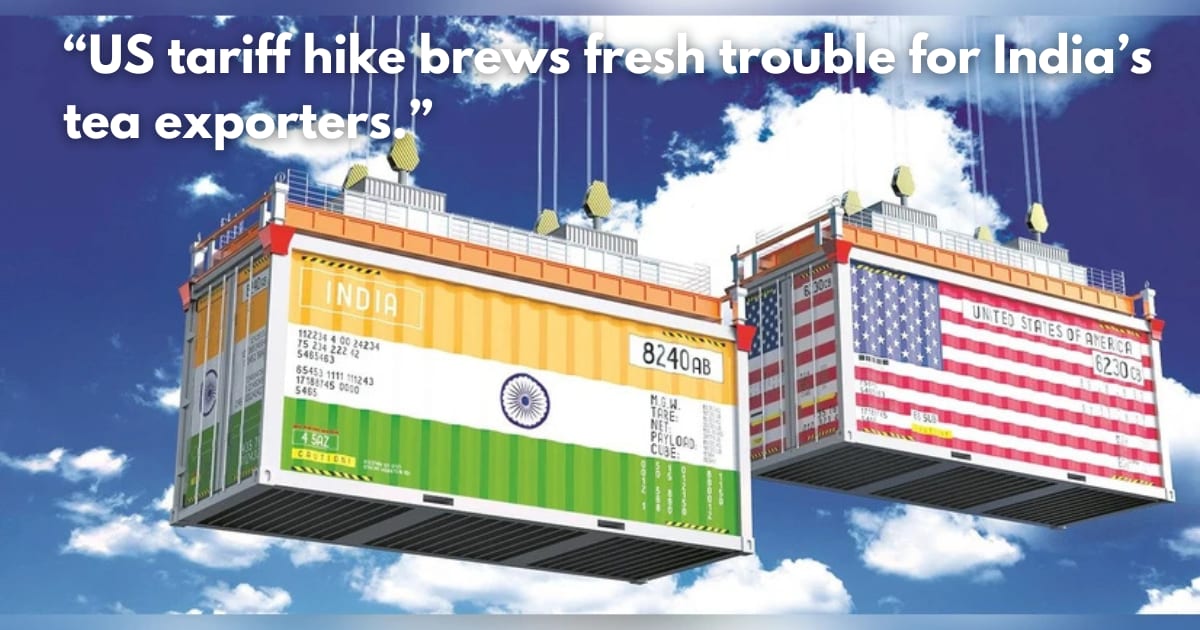
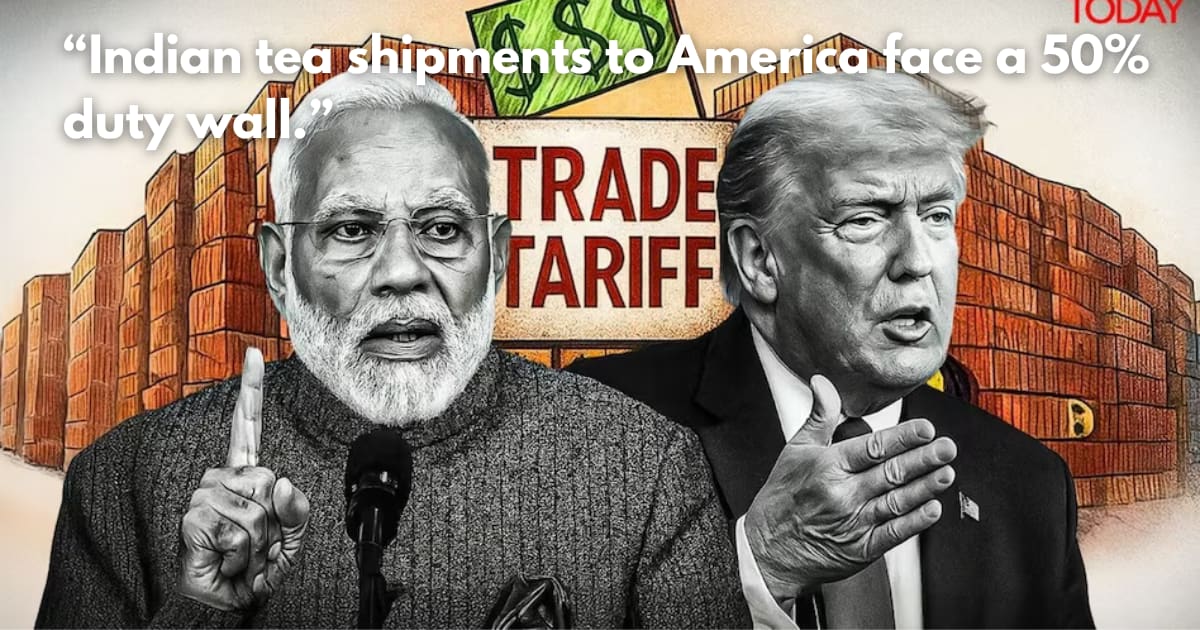
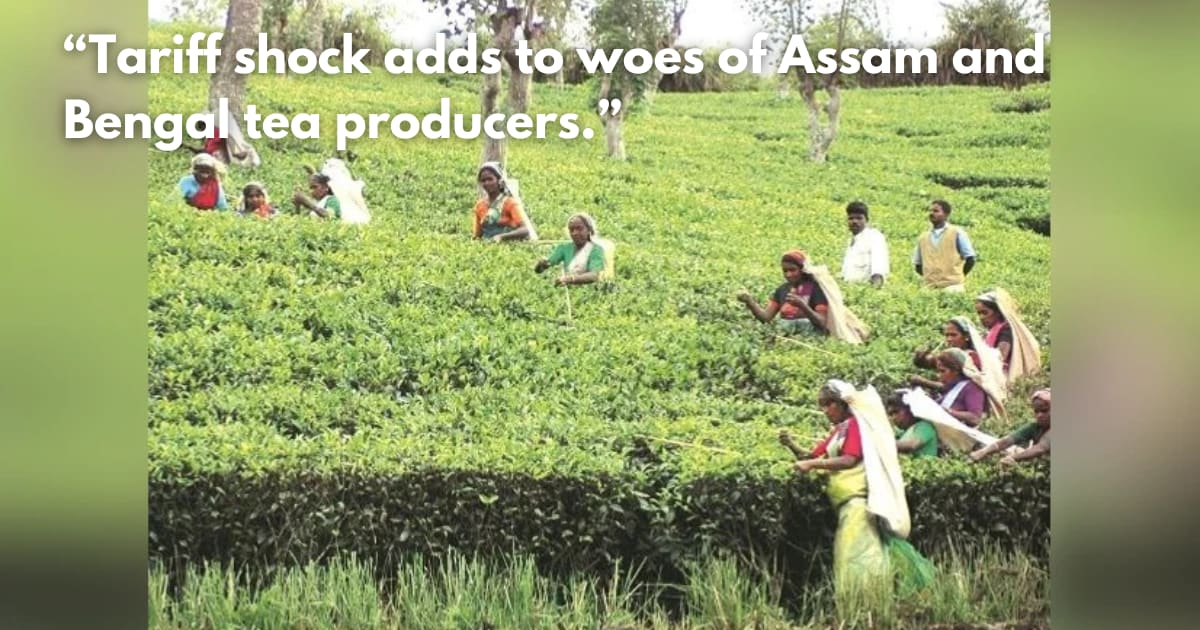
On August 27, Washington added a 25 percent tax on a group of Indian exports. This increase, connected to New Delhi’s ongoing purchase of Russian oil, has raised the total tax on Indian tea to almost 50 per cent, according to people in the industry. Although India has always had a strong group of customers in the US, exporters are afraid that this high tax will reduce the demand and lead buyers to choose cheaper options.
"As reported by BBC News, American trade officials said the move was part of a bigger response to world politics, but the effects are hitting small farmers in Assam and West Bengal directly," said an industry expert.
A Key Market in Danger
For numerous years, the United States has consistently purchased Indian tea, particularly the traditional variety renowned for its robust flavour. According to data from the Indian Tea Association (ITA), the US imported 17 million kilograms of Indian tea in 2024 alone. Between January and May this year, exports had already reached 6.26 million kilograms, showing strong interest.
But the new tax could slow down this growth. "At a 50 per cent tax, Indian tea becomes much pricier than competitors like Sri Lanka or Kenya," said an ITA representative. "This tax is not just a problem; it's a restriction that could reduce our share of the market."
Struggles Beyond Tariffs
While the US duty has been in the news, exporters say it isn't the only problem they face. The tea industry has been dealing with many issues for a long time:
Global prices are going down: even though India is one of the biggest tea producers, their tea doesn't sell for as much as tea from Sri Lanka or Kenya.
According to Al Jazeera, small tea growers in Assam say they are "caught between rising costs and uncertain export markets," and many are thinking about leaving the business.
Industry Seeks Government Help
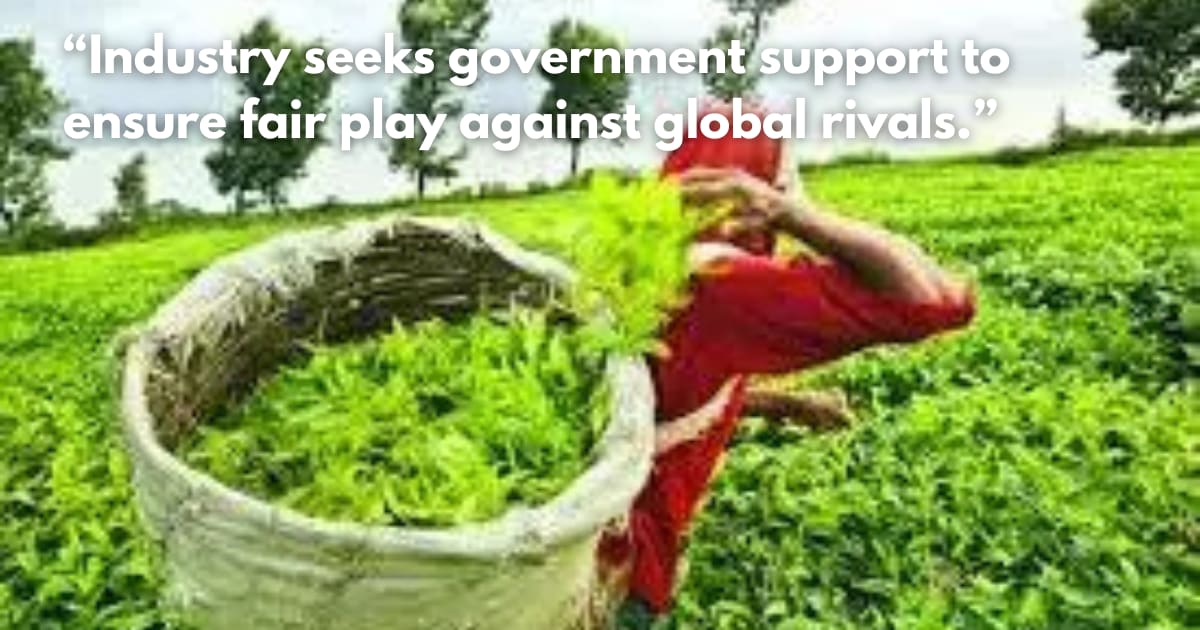
To deal with these problems, the Indian Tea Association is asking the government to act quickly to protect the tea industry.
They want:
The Indian Tea Association proposes the implementation of a Minimum Sustainable Price (MSP) to establish a minimum price for tea, thereby safeguarding farmers from price fluctuations and ensuring equitable compensation.
Extra support for orthodox tea: More help to increase production of high-quality teas that are in demand worldwide. Limits on poor-quality imports: A push to stop the flow of low-quality teas that harm India's reputation in the global market.
Re-evaluate trade agreements: Looking again at deals like the Indo-Nepal trade pact, which allows duty-free tea imports that compete with Indian tea farmers.
"The government needs to treat all players fairly. Countries like Sri Lanka and Indonesia give their exporters a lot of support. If India doesn't act, we could lose not just market share but also the jobs of millions of people," said an ITA official.
Tea Planters Worry About a Hard Future
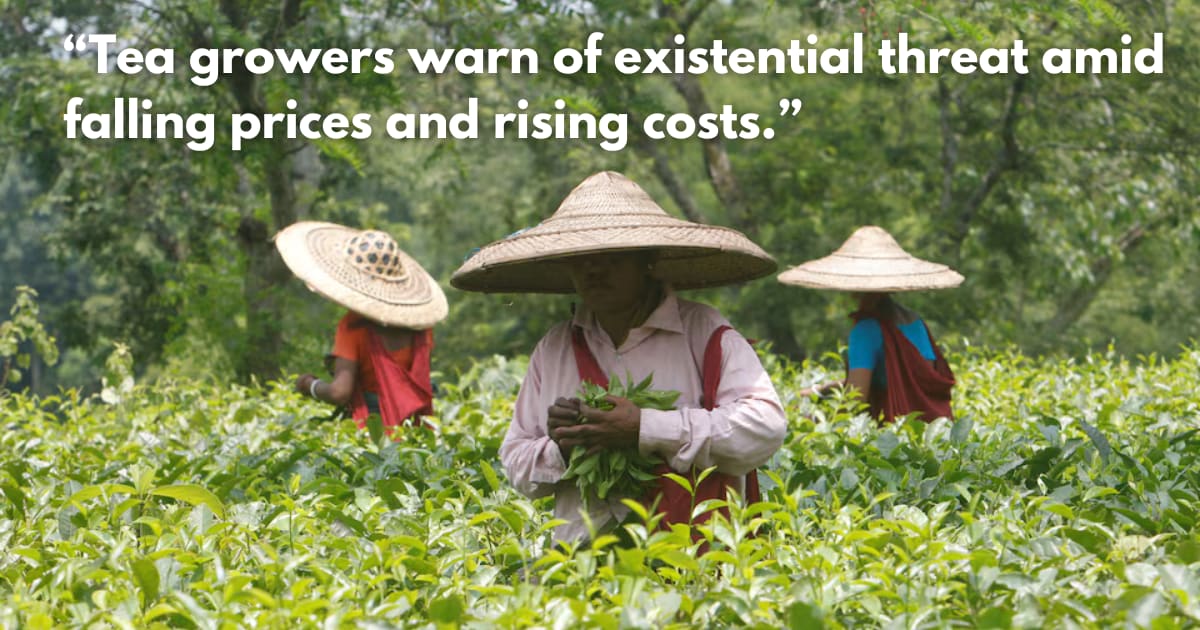
For workers and small tea growers, things are getting harder. Assam and West Bengal together make more than 75% of India’s tea. This industry employs over 1.2 million people, many of whom live on the tea estates with their families.
Rita Das, a small tea grower from Jorhat, is worried: “The US market used to give us plenty of money compared to selling in India. Now, with high tariffs, buyers might go to other places. What will we do if prices keep going down?”
In West Bengal, especially in the Darjeeling hills, the famous “Champagne of teas” is facing competition from cheaper Nepalese teas that come into India. The new US duties could make things even worse for Darjeeling tea producers.
Global Competition and Sri Lanka’s Strength
Kenya is another strong player. It has lower production costs, making its tea more competitive. As Indian tea becomes more expensive because of the tariffs, buyers might switch to Sri Lanka, Kenya, or even Vietnam. As one exporter from Kolkata said, “Tea isn’t like oil or rare metals. Buyers have choices.
Possible Silver Linings
Even though things look tough, some people in the industry think the higher tariffs might actually help India spread out where it sells its tea. Currently, countries like Iran, Russia, and the UAE buy a lot of Indian tea. If exporters can find new customers in parts of East Asia and Africa, they might not rely so much on the US and EU.
Conclusion: A Test of Resilience
The government needs to act quickly, come up with new ways to sell tea, and use diplomacy to protect the industry in the future. As a tea grower in Assam put it: “Tea has survived wars, colonial rule, and climate problems. We hope this tariff issue will also be something we can overcome.”
Whether India can keep its strong position in the global tea market depends on how well leaders, business people, and farmers handle this new challenge. For now, the simple cup of Indian tea—loved in homes from New York to London—has a future that is not clear.
Our primary goals at FazTimes Media are to be accurate and confident and adhere to the highest journalistic standards. We check every news story we share against several trustworthy and separate sources to ensure its accuracy.
We have reviewed this report, along with articles from major news outlets worldwide, including BBC News, Reuters, Bloomberg, Al Jazeera, NDTV, The Economic Times, and The Indian Express.
We want to keep the highest standards in global journalism so that our readers can trust the information they acquire.


Discussion0
Join the conversation on this story
Loading comments...