
Deadly Landslide in Sudan Kills 1,000, Wipes Out Village

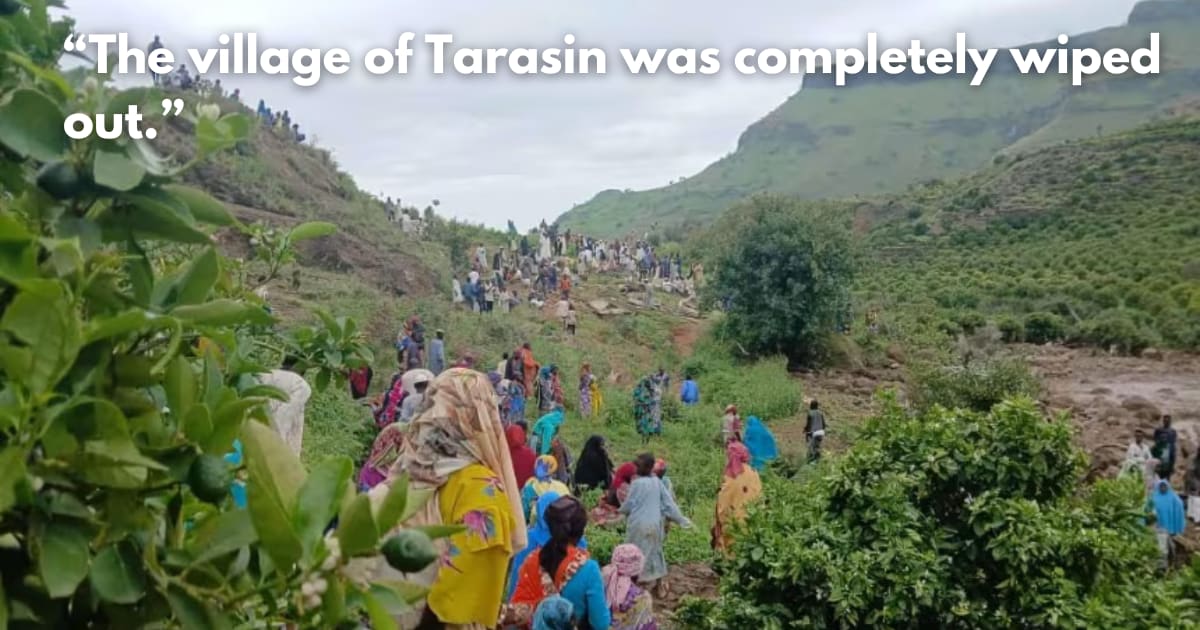
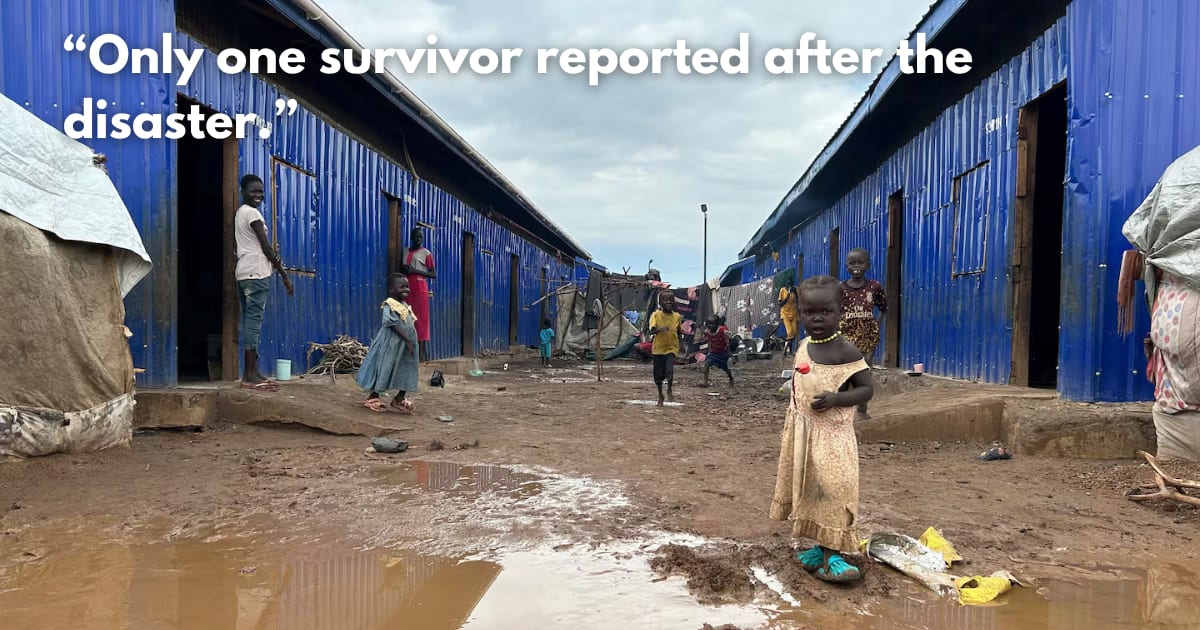

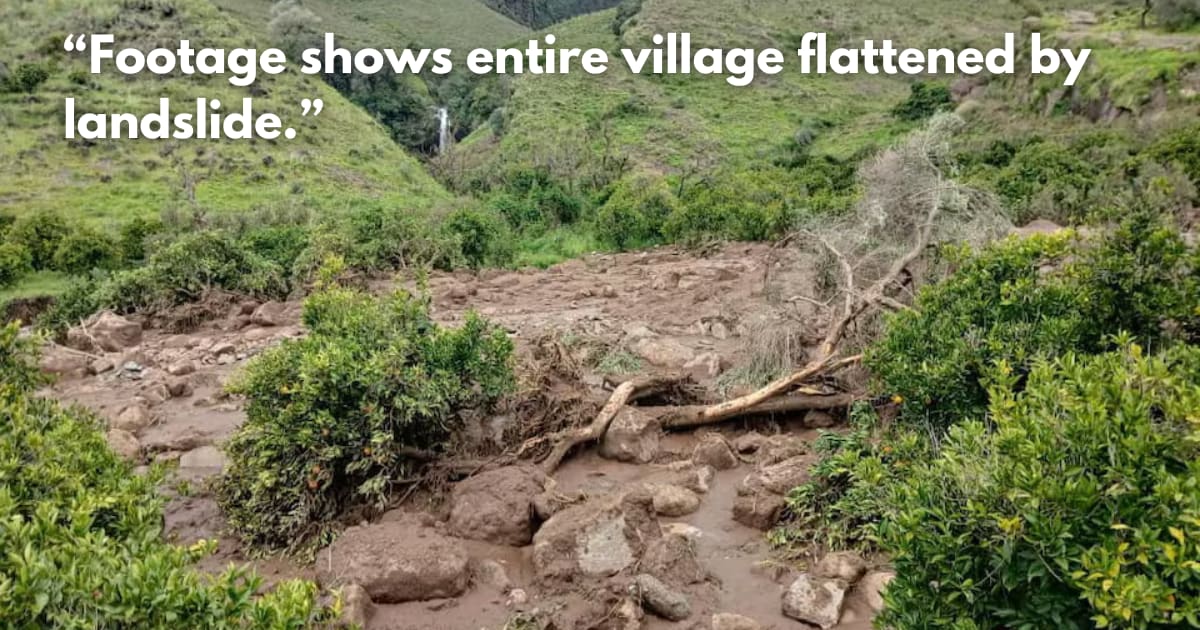
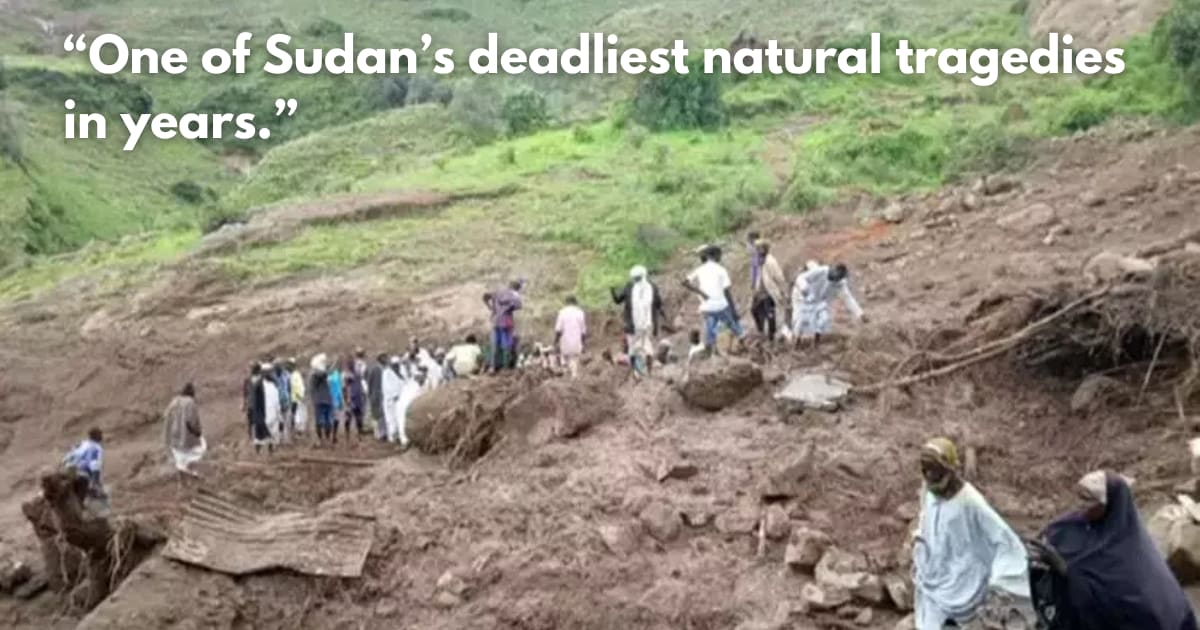
FazTimes Media, Sudan, Sep 02: A big landslide hit the village of Tarasin in Sudan’s Central Darfur region, destroying almost everyone there and leaving just one person alive. This happened after several days of heavy rain in the Marrah Mountains, which turned the hills into a fast-moving mix of mud and rocks that caused the disaster. The Sudan Liberation Movement-Army (SLM-A) said that the whole village, which had more than a thousand people living there, is now buried. Only one person is known to have survived. The group said Tarasin was destroyed and asked the United Nations and other aid groups for help to get the bodies and provide food and support. This event is considered one of the worst natural disasters in Sudan recently.
A Village Gone in an Instant
A local aid worker in El-Fasher said, “Every year, floods kill people in Sudan during the rainy season, but losing an entire village in one landslide is something we haven’t seen in decades.”
Conflict Adds to the Tragedy
A big landslide happened in the middle of a terrible war in Sudan that has been going on since April 2023.
This war has already killed more than 40,000 people, forced 14 million civilians to leave their homes, and caused a big famine in many parts of the country. Al Jazeera reports that families are doing desperate things to survive, with some even eating grass and leaves because they have nothing else.
The International Criminal Court is looking into possible war crimes and crimes against humanity. In the middle of all this suffering, the landslide in Tarasin has made things even worse for people who are already struggling in a terrible situation.
Why the Marrah Mountains Are Vulnerable
The Marrah Mountains are a volcanic area that stretches 160 kilometres southwest of El-Fasher. The peaks there are over 3,000 metres high. The region is much greener and more fertile than the dry land around it, with cooler weather and more rain. The elevation makes it important for farmers, but also means it is more likely to have landslides during the rainy season from July to October.
Experts say that the war and lack of care for the land have made things even worse. Trees have been cut down for fuel, farming has been done in a way that hurts the land, and climate change has made the rain more intense.
BBC News says that the rains during the season already kill hundreds of people each year in Sudan, destroying weakly built homes and flooding villages. But this time, the situation was much worse—an entire village was buried, and a whole community was destroyed.
Survivors and the Lone Voice
It's shocking to learn that only one person survived the disaster. Little information is available, but local reports say the survivor is very seriously hurt and can't tell the full story of what happened. People from nearby villages rushed to help, and they saw terrible things. One man told local radio, “In the first hours, we could hear weak cries under the mud, but we had no tools and no way to rescue them. By night, everything was quiet.”
For many families living nearby, this disaster is very personal. Several of them had family members or friends in Tarasin, and now they fear those people are dead. There’s not much hope for proper burials or memorials.
International Appeals
The SLM-A, which controls much of the Marrah Mountains, is asking the world to help. They said, “Without the UN, Red Crescent, and other humanitarian groups, we can't even bring the bodies back.” But getting help is really hard. Both the Sudanese military and the RSF have kept aid supplies blocked. The danger has forced many aid groups to either stop their work or face attacks.
A representative from Doctors Without Borders (MSF) said, “This tragedy shows how civilians in Sudan are caught between war and disaster. Without safe access, we can't even give the most basic emergency help.”
A Country on the Brink
Sudan, once the biggest country in Africa, has been going through a difficult time for a long time. The Darfur region has been a sign of this struggle, full of fighting, people leaving their homes, and big problems for people who need help.
People who help others warn that the mix of fighting, not enough food, and accidents like the landslide in Tarasin might make Sudan one of the worst places for people in need in the 21st century.
According to Reuters, international groups that give help are having a hard time getting enough money for Sudan, since there are many other big crises taking attention. Helpers are worried that Sudan's suffering is becoming “a forgotten war”, even though more people are dying.
Remembering Tarasin
For the people in Darfur, the destruction of Tarasin means more than just a news story. It shows how unstable life has become in a place that has been hit by both human and natural problems. “A village was Tarasin, not just a place. “It had schools, farms, and families,” said a woman who left her home in the Marrah Mountains and went to El-Fasher. “Now it’s gone, and the world may not even know the names of those who died.”
The landslide on Sunday might be one of the worst natural disasters in Sudan’s history. But for the people who survived or lost someone, it’s not just about numbers. It’s about the quiet that now fills a valley where once there was laughter, songs, and prayers.
Conclusion
The sad event in Tarasin shows how important it is for the world to help Sudan. The country finds itself entangled in conflict, harsh weather conditions, and global neglect. As the rainy season continues, communities in Sudan are still worried, hoping they won’t be the next to be taken by the unforgiving earth.
Our primary goals at FazTimes Media are to be accurate and confident and adhere to the highest journalistic standards. We check every news story we share against several trustworthy and separate sources to ensure its accuracy.
We have reviewed this report, along with articles from major news outlets worldwide, including BBC News, Reuters, Bloomberg, Al Jazeera, NDTV, The Economic Times, and The Indian Express.
We want to keep the highest standards in global journalism so that our readers can trust the information they acquire.


Discussion0
Join the conversation on this story
Loading comments...