
Houthi Leader Condemns Israel's 'Record of Terror' After Killings


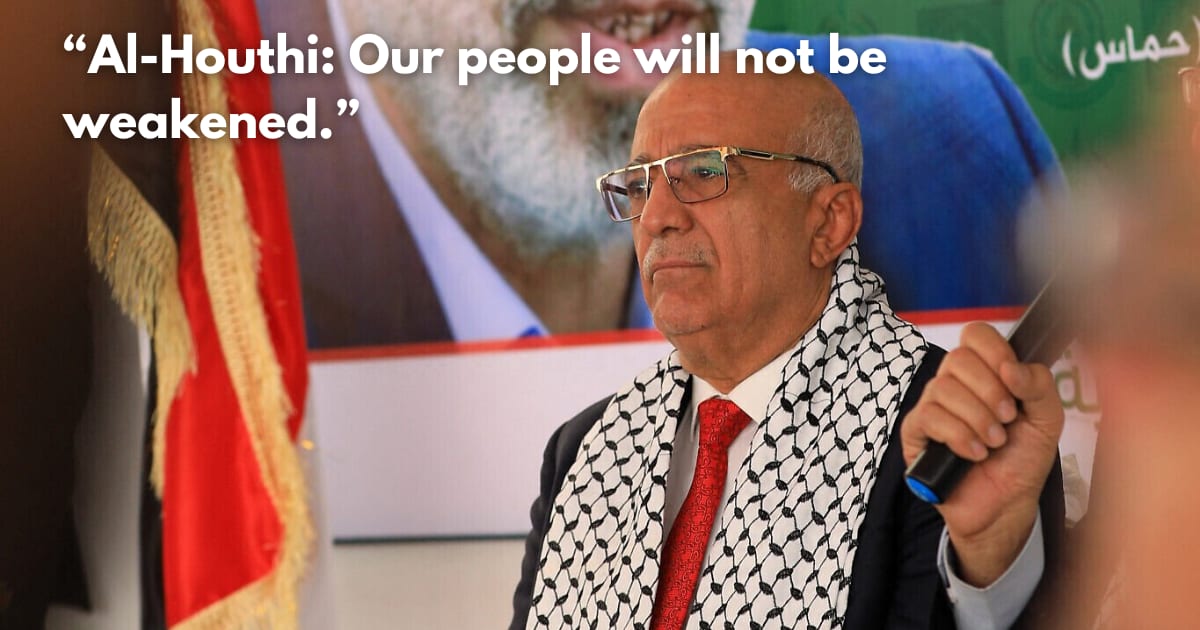

FazTimes Media, Sanaa, Yemen – The leader of Yemen’s Houthi group, Abdel-Malik al-Houthi, strongly criticised Israel after an airstrike killed Prime Minister Ahmed Ghaleb al-Rahawi and several other government ministers in Sanaa. In a speech on Sunday, al-Houthi said Israel is a dangerous enemy with a long history of causing terror. He accused Israel of attacking civilians in many parts of the Middle East, including Gaza, Lebanon, Syria, Iraq, and even Iran.
Al-Houthi told his followers that Israel attacks even children and women, and he described the group as cruel. This was the first time he had addressed his followers since the attack.
Targeted Strike in Sanaa
According to Al Jazeera, Israeli planes attacked the Yemeni capital on Thursday, killing al-Rahawi and at least a dozen other government officials during a meeting. Houthi officials confirmed al-Rahawi’s death, calling him a martyr who was important not just to the Houthis but to all of Yemen.
Israeli media reported that the attack was meant to destroy the entire Houthi cabinet. Although Israel hasn’t publicly admitted responsibility, the strike fits with its growing efforts to weaken the Houthis. The Houthis have become more active recently, carrying out attacks on ships in the Red Sea and sending drones toward Israel.
This attack followed another bombing on August 24 that killed ten civilians and injured over 90 people, according to local health workers. That attack drew worldwide criticism, with humanitarian groups saying the damage to civilians was far too high.
Houthis Vow Defiance
In a speech on Sunday, Abdel-Malik al-Houthi said the killings would not make his group back down. He called the Houthis protectors of Palestine and said they would keep attacking Israel because of its actions in Gaza. He said, “Our people will not be broken by the attacks they face.” “The Israeli enemy has a history of terrible violence, and it keeps showing its cruelty to the world.”
Experts say the Houthis are using this message to connect their struggle with the Palestinian issue, a story that appeals to many in Yemen and other places. By showing they are part of a bigger fight against Israel, the Houthis gain support and understanding from people in the region, even though their rule in Yemen is often criticised.
Crackdown on the United Nations
While the Houthis said they were being attacked by Israel, they also targeted foreign organisations in their area. On the same day as al-Houthi’s speech, Houthi soldiers entered the offices of UNICEF and the World Food Programme (WFP) in Sanaa.
At least one UN worker was taken into custody, and some others were not heard from, causing worry that they were also arrested. A UNICEF representative said the situation was still going on and would not give more information because of safety concerns.
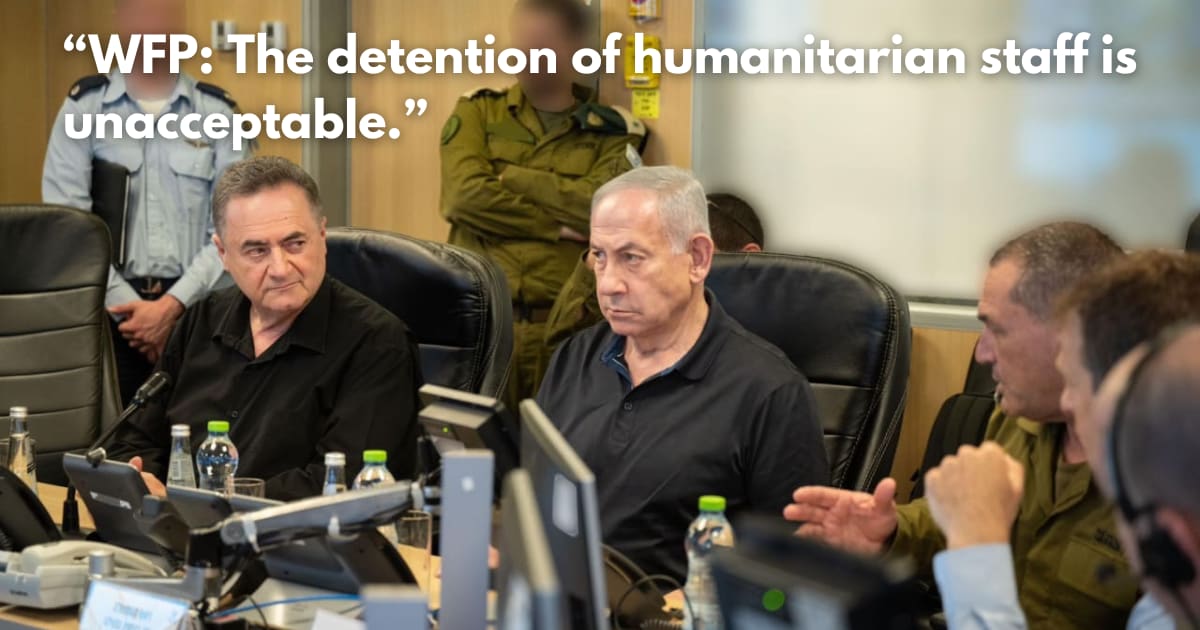
Abeer Etefa, a spokesperson for the WFP, told the Associated Press that the arrests were “not acceptable” and broke international rules meant to protect aid workers. Hans Grundberg, the UN Special Envoy for Yemen, made a strong statement against the arrests.
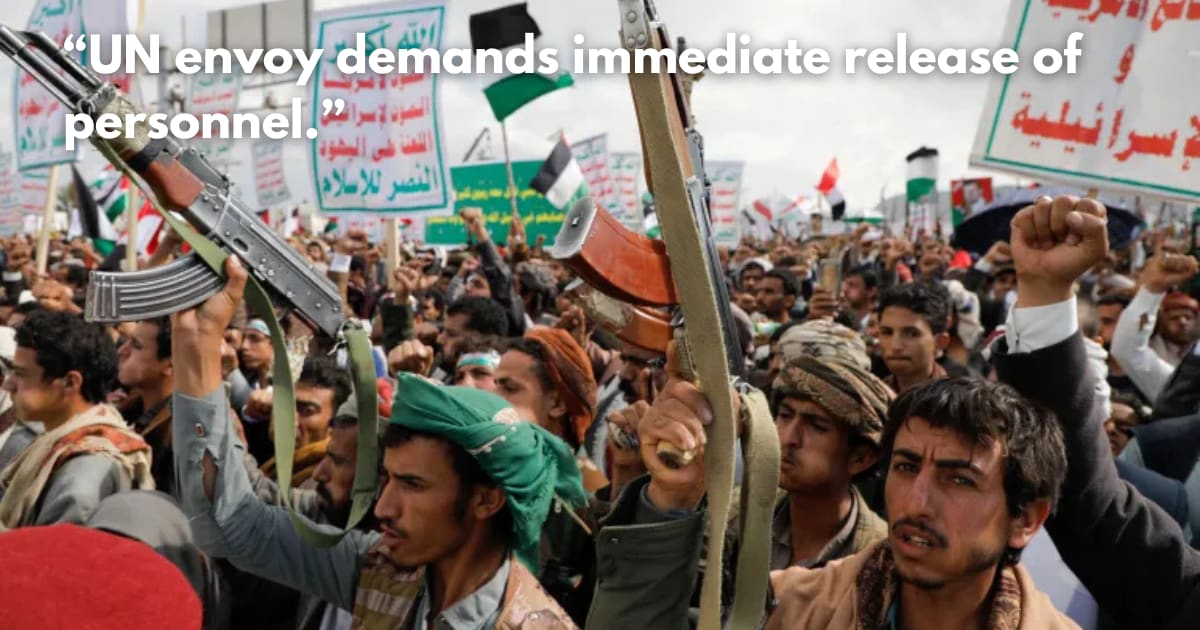
He said, “At least 11 UN staff were detained. These arrests add to 23 other people held since 2021 and 2023 and one colleague who died in custody earlier this year.” “Even after many talks, the unfair treatment of aid workers keeps happening, blocking help to people in need and making it harder to reach peace in Yemen.”
Humanitarian Crisis Gets Worse
The recent attacks are part of a growing series of clashes between the Houthis and international groups. In the last three years, many UN workers and NGO staff have been held in areas controlled by the Houthis, leading some organisations to stop their work entirely.
The UN ceased operations in Saada, a crucial Houthi area in northern Yemen, in February following the arrest of eight of its staff. These actions have hurt ordinary Yemenis, who are already suffering. Millions of people depend on food and medical help, and Yemen is going through one of the worst humanitarian situations in the world.
BBC News reports that almost 24 million Yemenis—about 80% of the population—need help. The UN says that famine-like conditions are happening in several parts of the country. This situation is made worse by the war, the country's economic problems, and now the disruption of aid because of political actions.
Israel and the Houthis are also getting more involved in the conflict. Since the war in Gaza started in October 2023, the Houthis have sent drones and missiles to Israel. They have also attacked ships in the Red Sea and the Gulf of Aden. These actions stopped international trade and made the US and its allies send naval forces to protect routes.
Israel has been hitting Yemen more recently, saying it's necessary to protect its borders and keep international shipping safe.
Political Fallout in Yemen
In Yemen, the death of Prime Minister al-Rahawi has created a leadership gap in the Houthis group. Although the group has promised to keep things going, experts think the loss of a key leader might cause disagreements inside the movement.
Dr Amal Nasser, a Yemeni political analyst, explained to Al Jazeera that the Israeli attack was “a plan not just to hurt the Houthis in battle, but also to cause problems at home by taking out their political leaders.”
The Houthis are likely to choose a new leader quickly to show they are strong and not weak.
Conclusion
The deaths of Prime Minister Ahmed Ghaleb al-Rahawi and other ministers have made Yemen’s crisis even worse. This has made the Houthis more defiant against Israel, but also caused them to face criticism for attacking international groups.
According to BBC News, the ongoing arrests of aid workers and attacks on cities in Yemen show that the country’s situation is getting worse. Important questions remain about whether the Houthis can stay united after losing leaders and whether international pressure can help free UN staff. Currently, Yemen is at a dangerous turning point, caught between a growing regional war and an internal crisis that keeps hurting its people.
Our primary goals at FazTimes Media are to be accurate and confident and adhere to the highest journalistic standards. We check every news story we share against several trustworthy and separate sources to ensure its accuracy.
We have reviewed this report, along with articles from major news outlets worldwide, including BBC News, Reuters, Bloomberg, Al Jazeera, NDTV, The Economic Times, and The Indian Express.
We want to keep the highest standards in global journalism so that our readers can trust the information they acquire.


Discussion0
Join the conversation on this story
Loading comments...