
Punjab Floods: 30 Dead, 1,400 Villages Submerged, Relief Efforts On

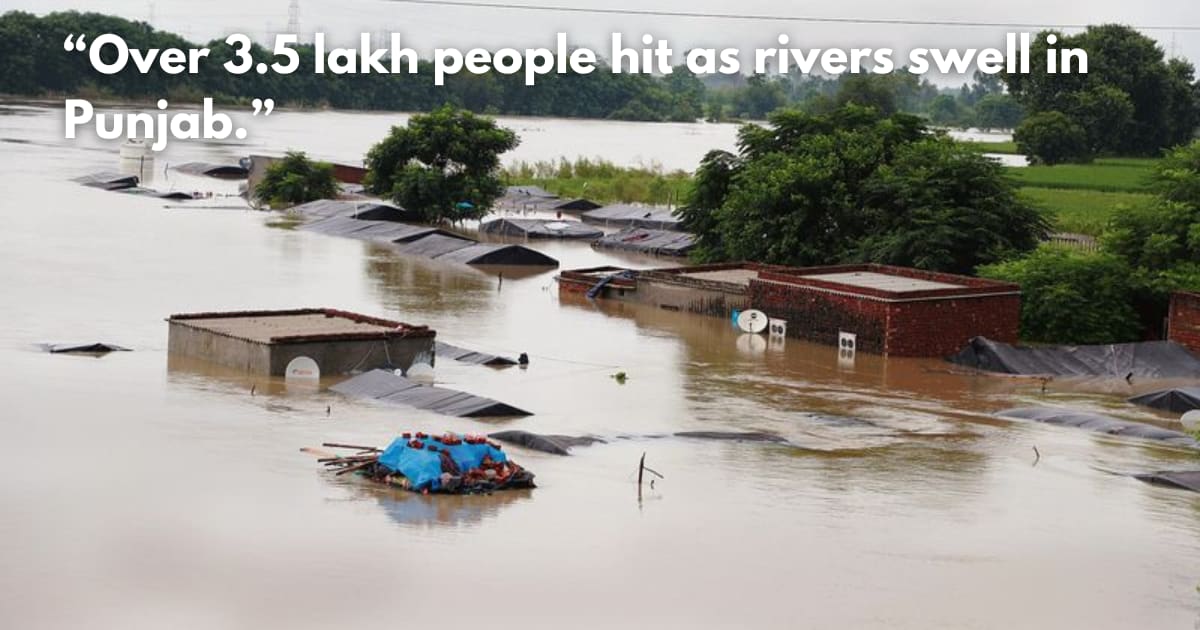




FazTimes Media: Punjab is going through one of its worst natural disasters in many years. Heavy rains and swollen rivers have caused a lot of damage across the state. So far, 30 people have died, over 1,400 villages are underwater, and many people have had to leave their homes. The present situation is one of the toughest times in recent memory for farmers and families.
Rivers are raging, and villages are underwater. Normally calm rivers like the Sutlej, Beas, and Ravi have turned into powerful floods, washing away whole villages and farmland. Furthermore, small streams coming from the Shivalik hills have made things worse. Reports say heavy rain in nearby Himachal Pradesh and Jammu & Kashmir has raised water levels to dangerous levels, turning fields into large lakes.
By September 1, nearly 3.5 lakh people from 12 districts were affected. Pathankot has the most deaths so far, while thousands of families in districts like Hoshiarpur, Kapurthala, Tarn Taran, Ferozepur, Gurdaspur, Fazilka, Jalandhar, and Rupnagar are struggling with huge difficulties.
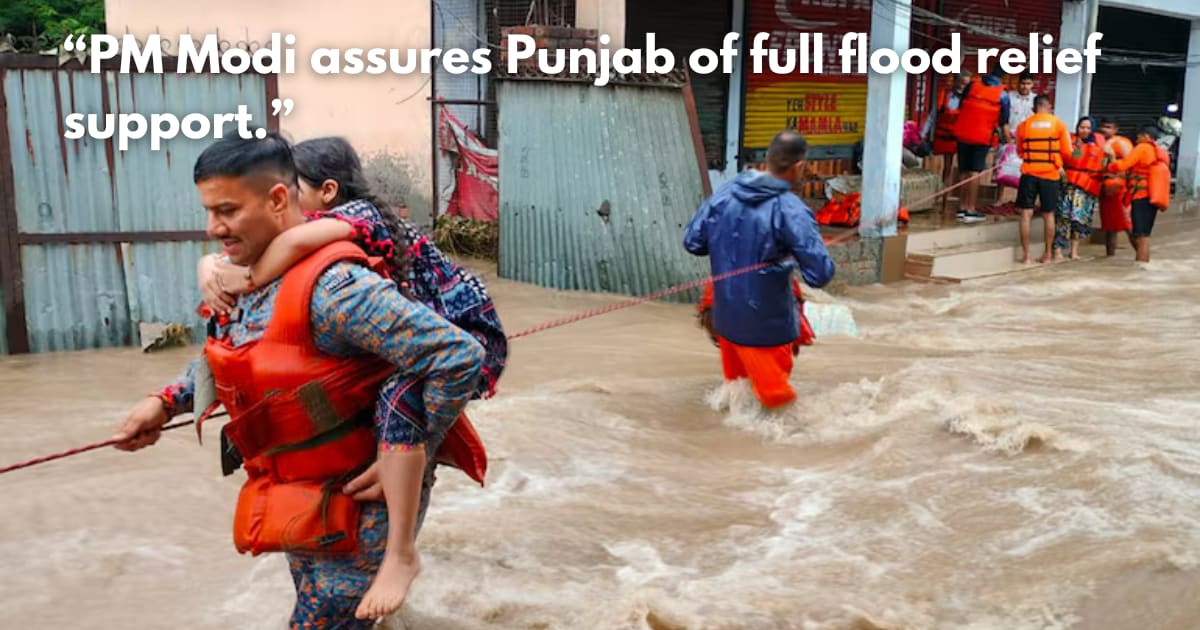
A government official said, “As reported by BBC News, the situation in Punjab is grave because water levels in many rivers are not going down even after some parts of the state have had little rain.” The floods have made over 20,000 people leave their homes and go to temporary shelters. For many, this means leaving behind not just their things but also their animals and jobs. Villages, where whole families had to climb onto rooftops to escape rising water, are sharing heartbreaking stories bofboats saved them.
Local officials have confirmed that at least 30 people have lost their lives due to drowning, collapsing houses, and water-related accidents so far. With many areas still not reachable, officials worry the number of deaths could go up.
Agriculture is suffering badly.
Punjab, known as the "breadbasket of India", is facing huge losses in farming. Almost 3 lakh acres of rice and other crops are flooded just weeks before they are ready to be harvested. Farmers who spent a lot on fertilisers, seeds, and irrigation now see all their efforts ruined.
According to Al Jazeera, experts say the losses could be in thousands of crores. This will not only trouble farmers but also harm Punjab's role in supplying food grains to India. The disaster has also hit the cattle industry, with many reports of animals dying in flooded barns.
A farmer from Tarn Taran said, "We are in ruins." It's not just the crops. Floodwater has damaged the soil. Even if the water goes away, planting again will be challenging.
Government and Relief Measures
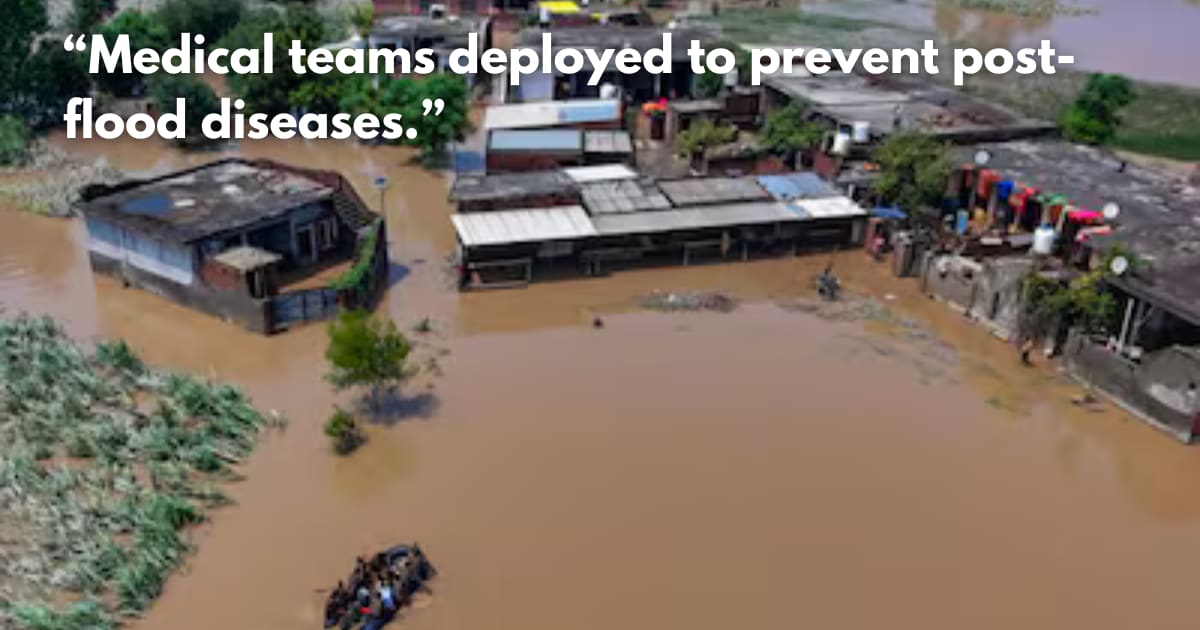
Health Minister Dr Balbir Singh has sent over 800 medical teams to the worst-affected areas to stop diseases like cholera and dengue from spreading. Authorities have set up relief camps to give food, clean water, and shelter. Mobile health units are working all night.
Schools and colleges have been told to stay closed until at least September 3. This is to keep people safe and use some school buildings as temporary shelters. Chief Minister Bhagwant Mann and Governor Gulab Chand Kataria visited the affected areas earlier this week. CM Mann asked the Centre for quick financial help, saying Punjab is asking for its rightful share, not charity. He also said that around ₹60,000 crore in funds has been delayed for the state for a long time.
Prime Minister Narendra Modi, who had just returned from a trip to China, talked to the Punjab CM and promised full support from the Centre to deal with the disaster.
The Scale of Rainfall
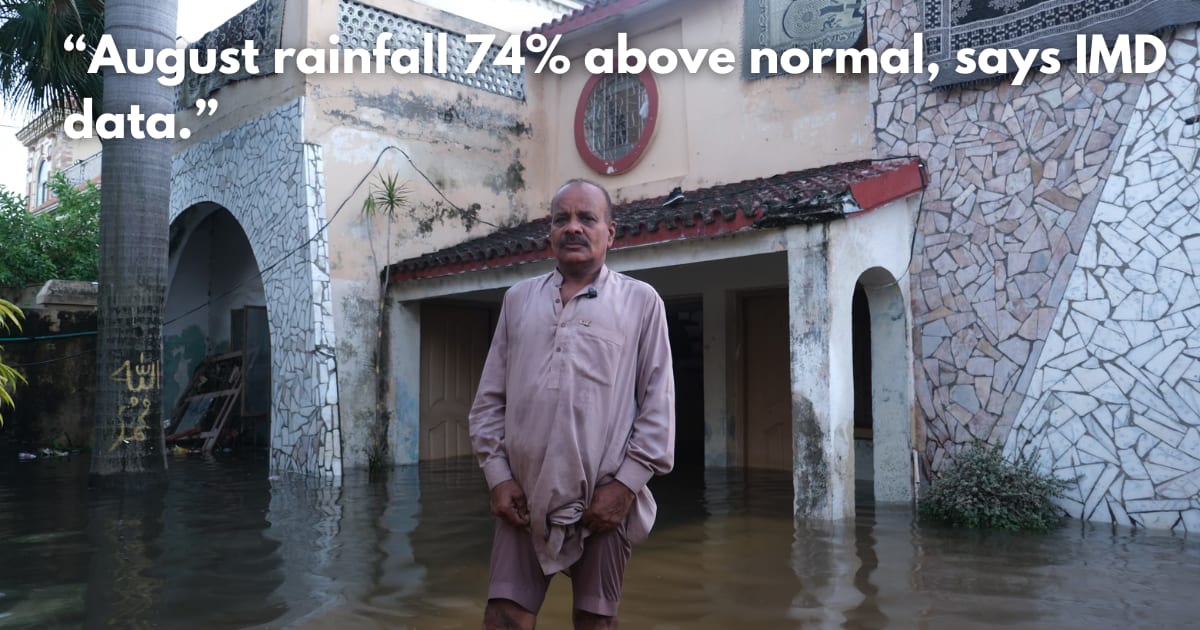
The current problems closely correlate with unusual rainfall patterns. The Meteorological Department said Punjab got 253.7 mm of rain just in August, which is 74% more than the usual average of 146.2 mm. Some areas experienced severe flooding. Gurdaspur got 577.5 mm of rain, which is 181% higher than usual.
Pathankot had a wonderful 944.2 mm, which is 152% more than the normal amount. Other places like Tarn Taran (139% more), Ferozepur (129%), and Fazilka (115%) also saw rainfall levels not seen in years. A weather analyst from Chandigarh said, “This year’s monsoon shows that climate change is real. We can see its effects on our farms, rivers, and homes.”
Lessons from History
Punjab has had floods before, but the amount and how often they are happening are causing worry. In 1988, big floods in northern India killed over 1,400 people, with 535 deaths in Punjab alone. Just five years later, in 1993, floods killed 300 people and nearly 6,200 cows in the state. The floods severely affected places like Amritsar, Ludhiana, Fatehgarh Sahib, and Sangrur.
Although those floods were rare disasters, experts warn that extreme weather events might happen more often, so better flood management systems are needed.
Relief Challenges and Public Resilience
Even though the government is providing help, many villagers say the rescue efforts are slow and the supplies are not enough. Several areas have damaged roads and bridges, making it challenging for rescue teams to reach those in need.
Non-government groups and local communities are helping by giving food, dry clothes, and medicine. Sikh temples, as they always do during crises, are offering free meals and shelter to families affected by the floods.
People are showing strong resilience. In Rupnagar, local youth groups were seen helping by using tractors and floating rafts to rescue people. In Fazilka, women are cooking for displaced neighbours in community kitchens.
Wider Impact: Delhi on High Alert
The flood situation is not only in Punjab. The Yamuna River in Delhi has risen above warning levels, and officials have started emergency evacuation plans. Although Delhi hasn’t had major flooding yet, concerns are growing as more water flows downstream.
The Way Forward
Experts are urging immediate long-term planning. From improved flood warning systems to stronger barriers and sustainable city development, Punjab needs more than just help—it needs to become stronger and prepared.
Climate scientists say that working together between states is crucial. Heavy rains in Himachal Pradesh and Jammu & Kashmir often flow into Punjab, and without a shared approach to managing river areas, these disasters could keep happening again and again.
Currently, Punjab is coming together in sorrow and strength. As villagers try to save what they can, the message is clear: rebuilding their lives will require not just money, but also a strong sense of determination and teamwork.
Our primary goals at FazTimes Media are to be accurate and confident and adhere to the highest journalistic standards. We check every news story we share against several trustworthy and separate sources to ensure its accuracy.
We have reviewed this report, along with articles from major news outlets worldwide, including BBC News, Reuters, Bloomberg, Al Jazeera, NDTV, The Economic Times, and The Indian Express.
We want to keep the highest standards in global journalism so that our readers can trust the information they acquire.


Discussion0
Join the conversation on this story
Loading comments...