
Rescue Efforts Hampered in Afghan Quake-Hit Provinces
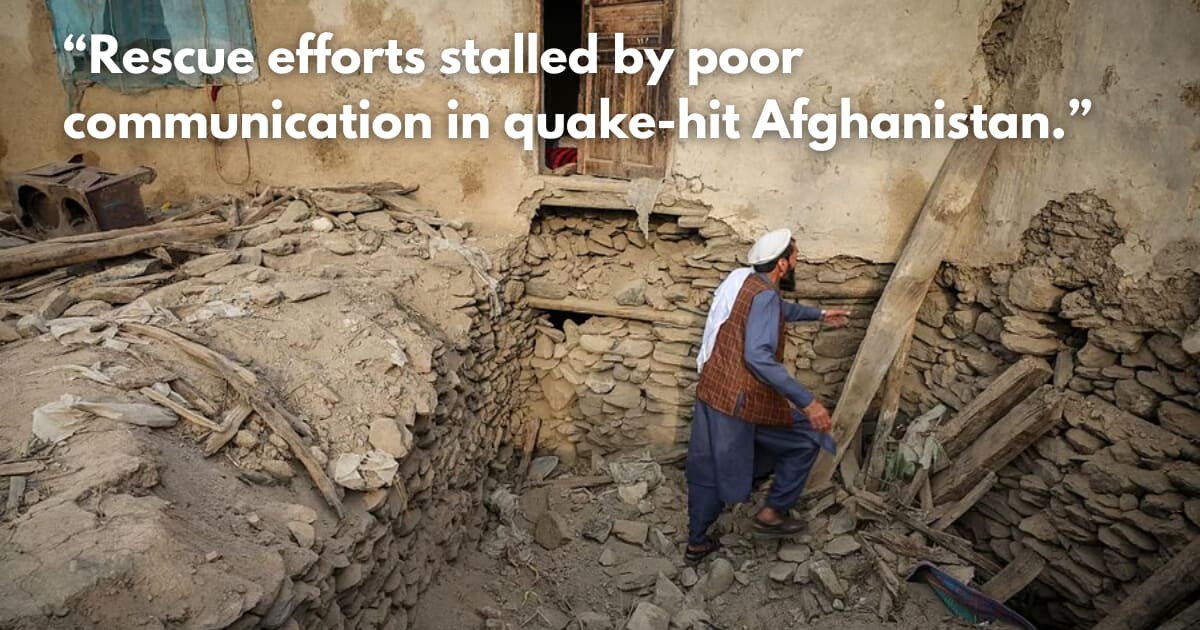


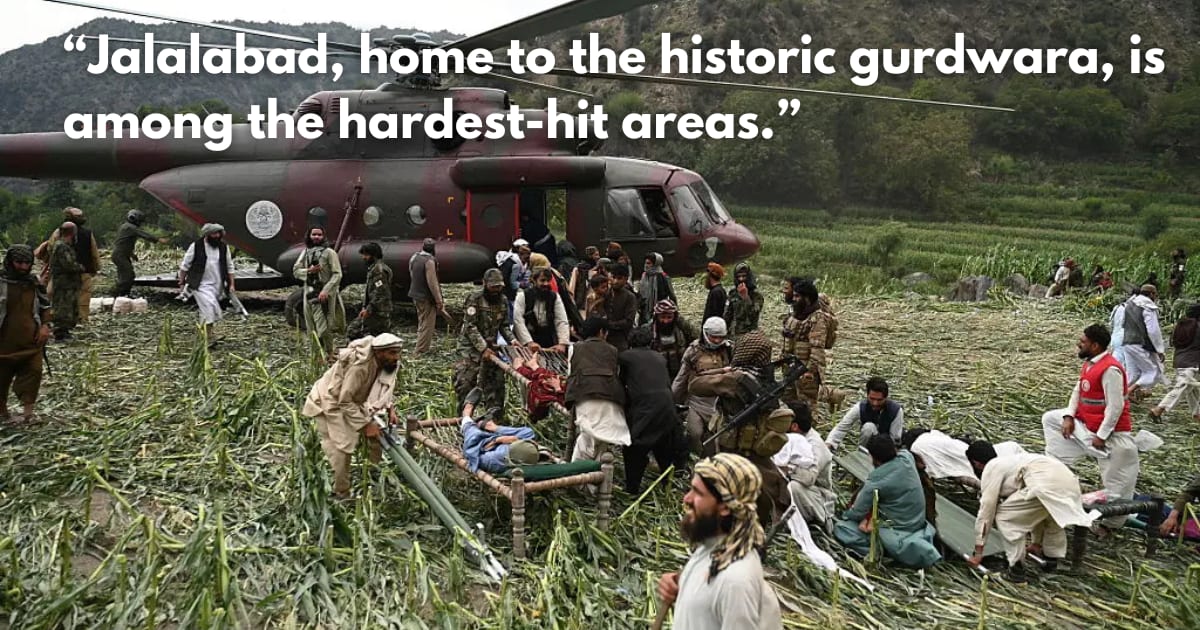
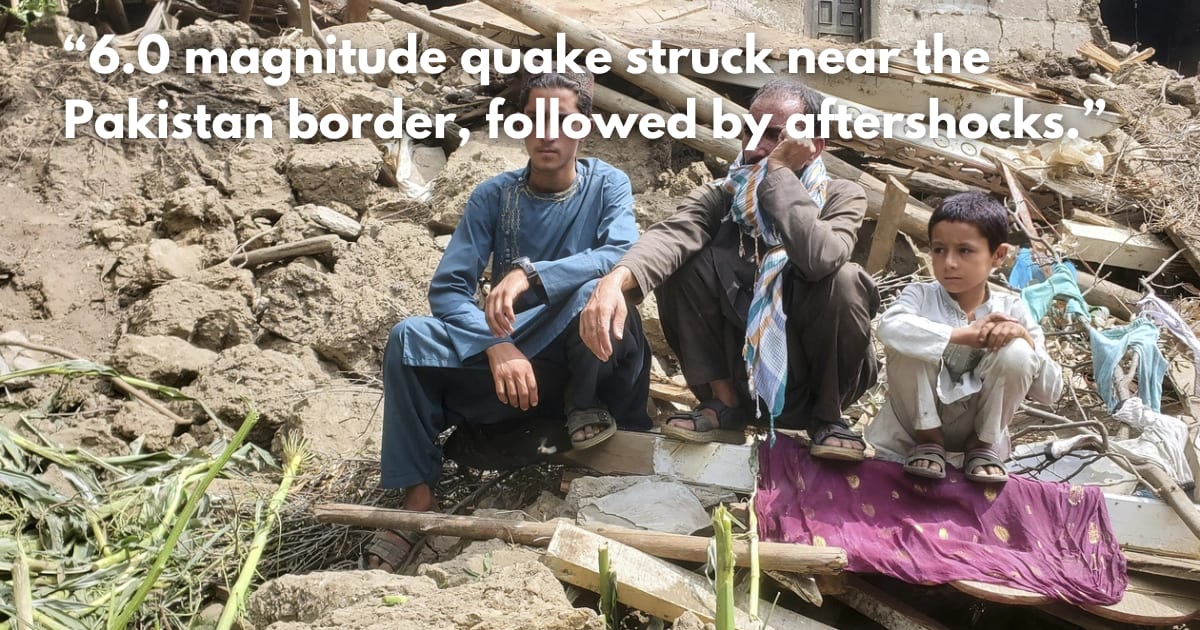


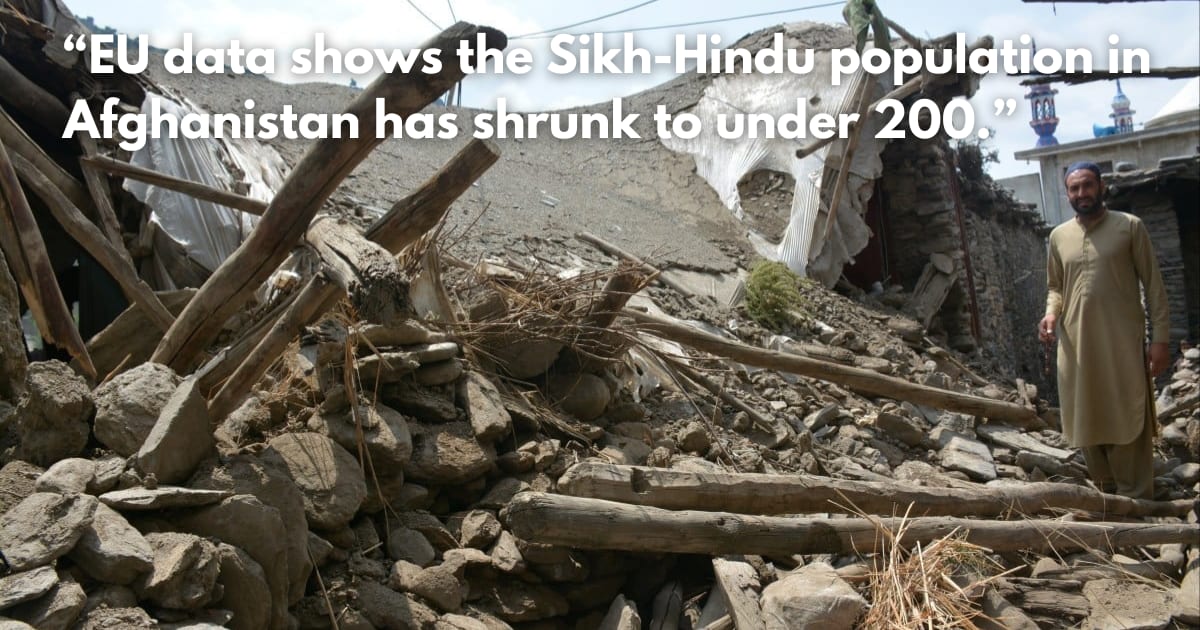
FazTimes Media, Afghanistan: Afghanistan is facing another big disaster, this time because of strong earthquakes that have left hundreds of thousands of people in need of help. Due to broken communication lines and blocked roads, rescue efforts in the affected areas, which already have weak buildings and systems, are taking longer. The United Nations has warned that not being able to reach these areas quickly could make the crisis even worse.
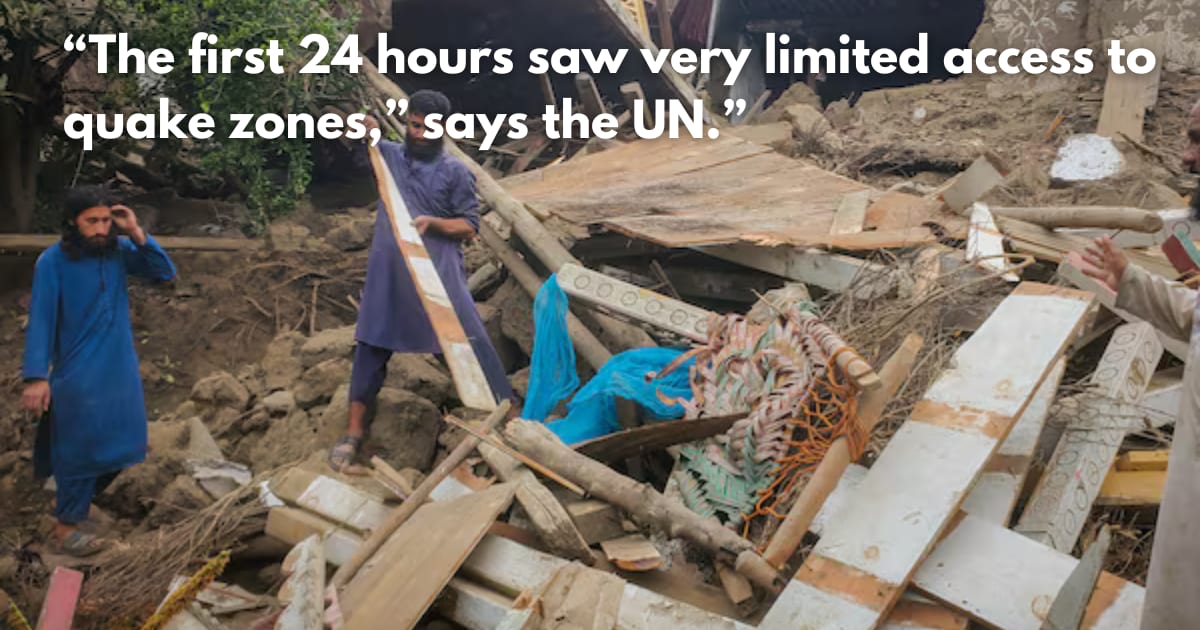
Broken communication and blocked roads are making it hard for help to get to people. In natural disasters, the first 24 hours are the most important for saving lives. But in Afghanistan, as reported by BBC News, aid workers are having trouble reaching remote villages because of landslides and fallen roads. The mountains and heavy rains have made it almost impossible for emergency groups to reach some communities in the east.
UN officials reported that the first earthquake cut off many areas for two full days. Rescue teams tried to find other routes, but more landslides and mudslides caused by smaller quakes made it impossible to move forward. Families trapped under broken buildings or without homes, food, or medical care face extreme hardship every hour.
One villager from Nangarhar province said, “We had nothing but the clothes on our backs,” after losing his home and two family members in the disaster.
Minority Communities Step Forward
In the middle of the crisis, Afghanistan's Hindu and Sikh communities have taken action to help those in need. Al Jazeera reports that community leaders have gathered resources both inside the country and from the Sikh and Hindu communities living abroad. Manjit Singh Lambe, president of the Council of Hindu and Sikh Minorities of Afghanistan, said that humanitarian supplies—funded by Sikhs worldwide and the World Hindu Association—have already been sent to the affected areas.
For the local Sikhs and Hindus, this relief mission is both a religious duty and a fight for survival. The number of Sikhs and Hindus in Afghanistan has drastically declined over time. The EU Agency for Asylum says that in the 1970s, there were over 700,000 members of these communities, but by 2021, only about 150 remained.
Taliban’s Appeal for Assistance
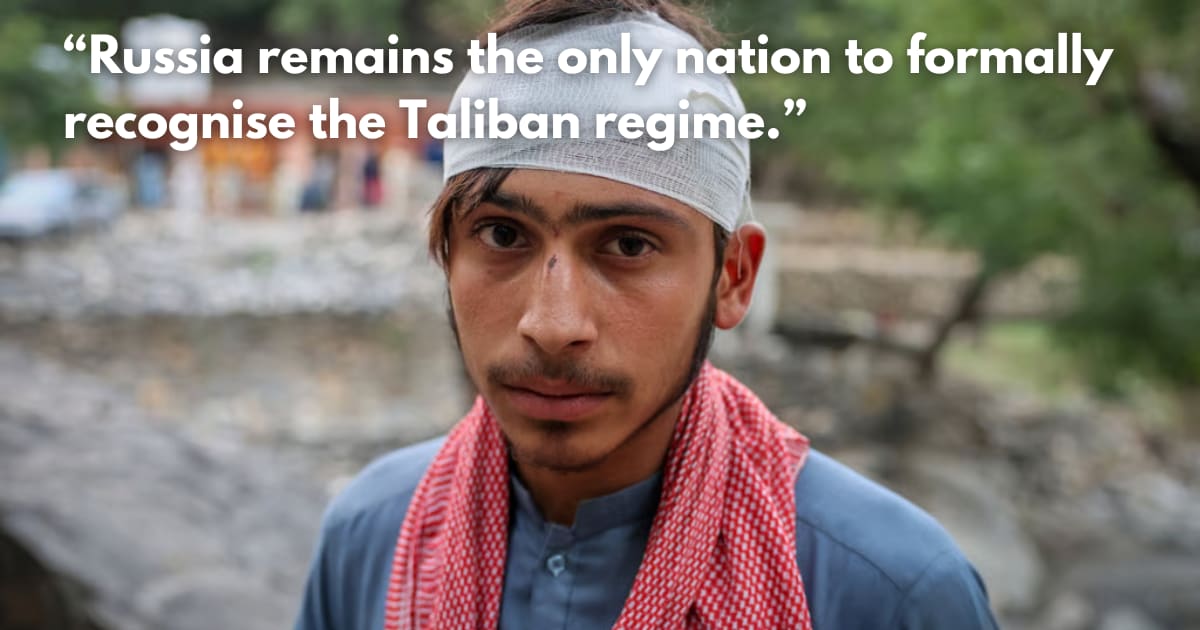
The Taliban government, which is already facing pressure from sanctions and the suspension of aid since taking over in 2021, has asked for international help. Officials in Kabul admit that the country doesn't have enough resources to handle a disaster like this. Around 40 countries are said to be speaking to Afghanistan about sending humanitarian aid, but so far, Russia is the only nation to officially recognise the Taliban government.
International observers warn that politics shouldn't get in the way of helping people. A UN official said, “The most important thing is the lives of the Afghan people. No matter what, help must reach those who are suffering.”
India’s Relief Contribution
India was one of the first countries to send emergency aid. Officials said that New Delhi sent 1,000 tents and 15 tonnes of food supplies as part of the first wave of help. More shipments with important medicines are expected to arrive soon.
This action continues India’s history of supporting Afghanistan, even after their diplomatic relationship became tense. Indian officials have repeated their promise to “stand with the people of Afghanistan when they need help.”
A Fragile Nation in Crisis
For Afghanistan, disasters like this happen on top of a weak social and economic system. Millions of Afghans are still dealing with poverty, not having enough food, and a lack of access to medical care. Earthquakes are not new to this country. Its mountainous land sits on several fault lines, making earthquakes happen often and sometimes very deadly.
What makes this latest disaster especially severe is the mix of natural and human-made problems.
Resilience and Hope
Local villagers, using only shovels and their hands, are digging through the rubble to save their neighbours. In some areas, community kitchens have started, giving hot food to families who have lost their homes.
This gesture shows the spirit of unity during tough times. “This disaster doesn’t care who we are. We are all Afghans first,” said a Sikh volunteer who is helping to hand out relief supplies.
The Road Ahead
Experts say Afghanistan needs more than just quick help—it also needs long-term plans to prepare for disasters. The priority is to help the stuck, feed the hungry, and treat the injured. Every day that passes without action could cost more lives.
Conclusion
The earthquake in Afghanistan shows again how easy it is for the country to be hurt by natural disasters.
Our primary goals at FazTimes Media are to be accurate and confident and adhere to the highest journalistic standards. We check every news story we share against several trustworthy and separate sources to ensure its accuracy.
We have reviewed this report, along with articles from major news outlets worldwide, including BBC News, Reuters, Bloomberg, Al Jazeera, NDTV, The Economic Times, and The Indian Express.
We want to keep the highest standards in global journalism so that our readers can trust the information they acquire.


Discussion0
Join the conversation on this story
Loading comments...