
Himachal Rains: 7 Killed, 1,150+ Roads Closed; Monsoon Havoc
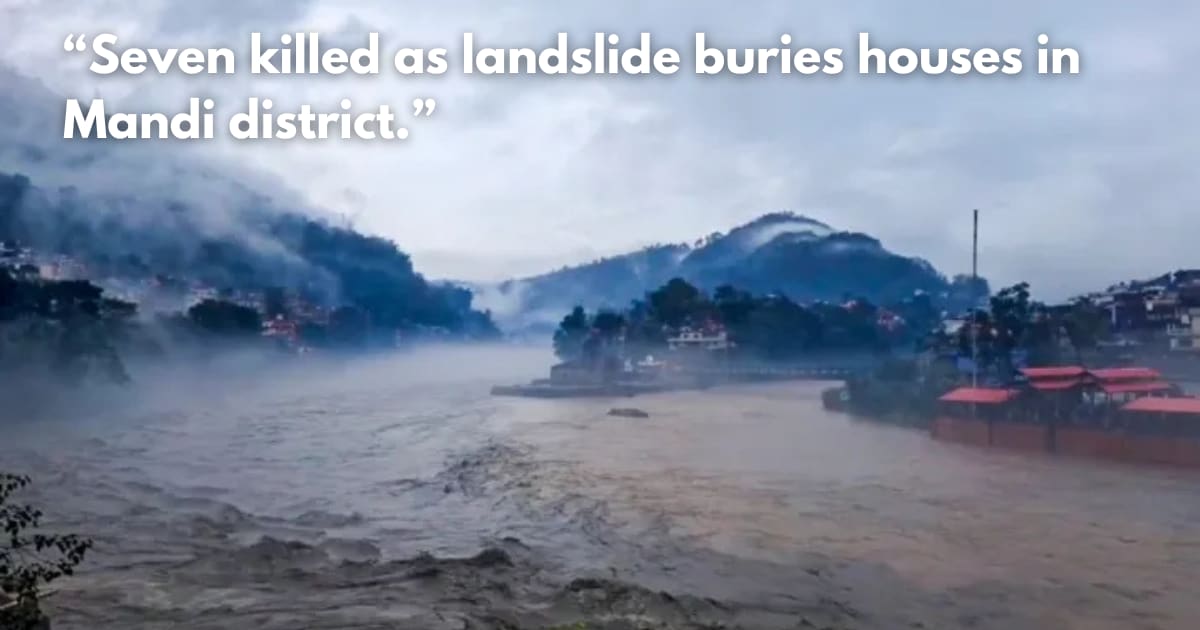
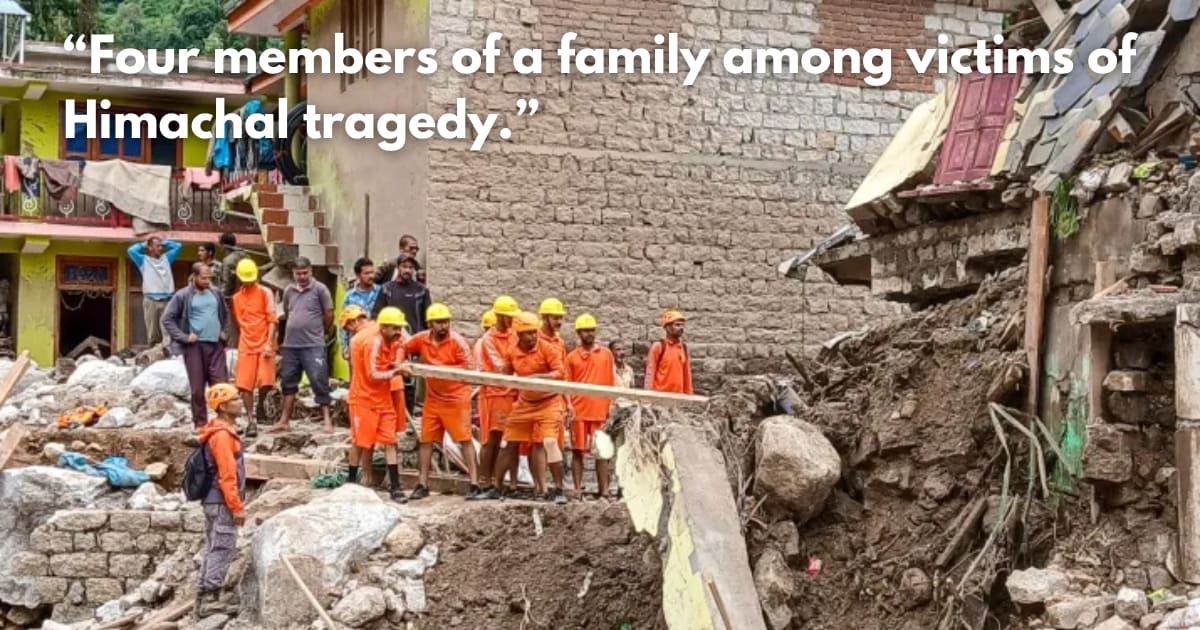
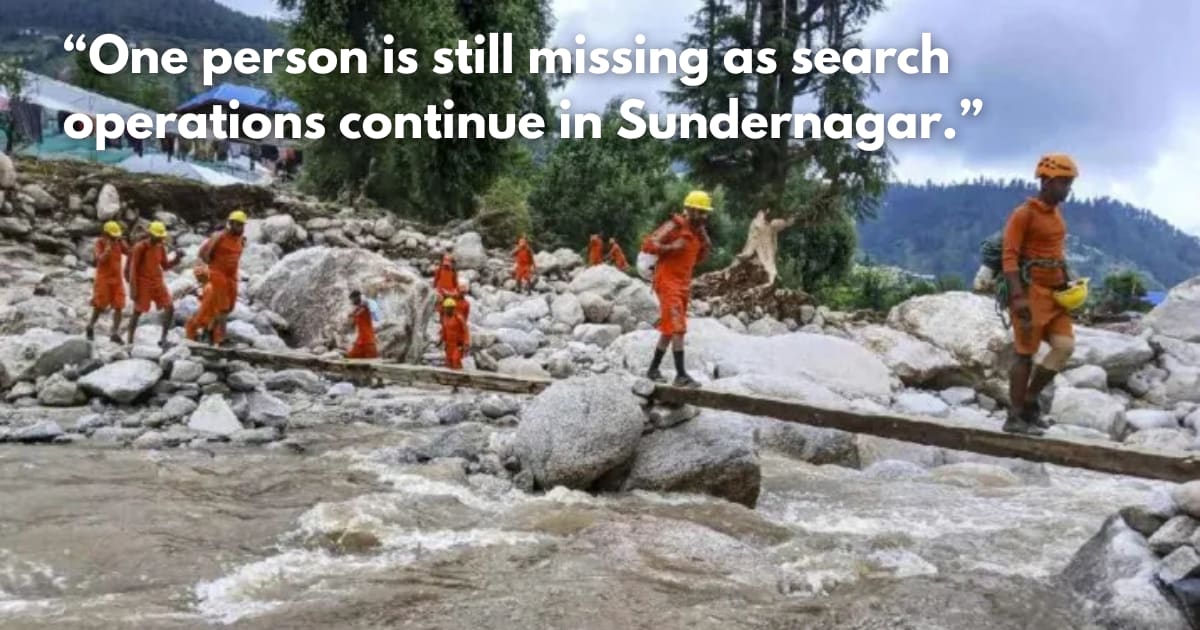
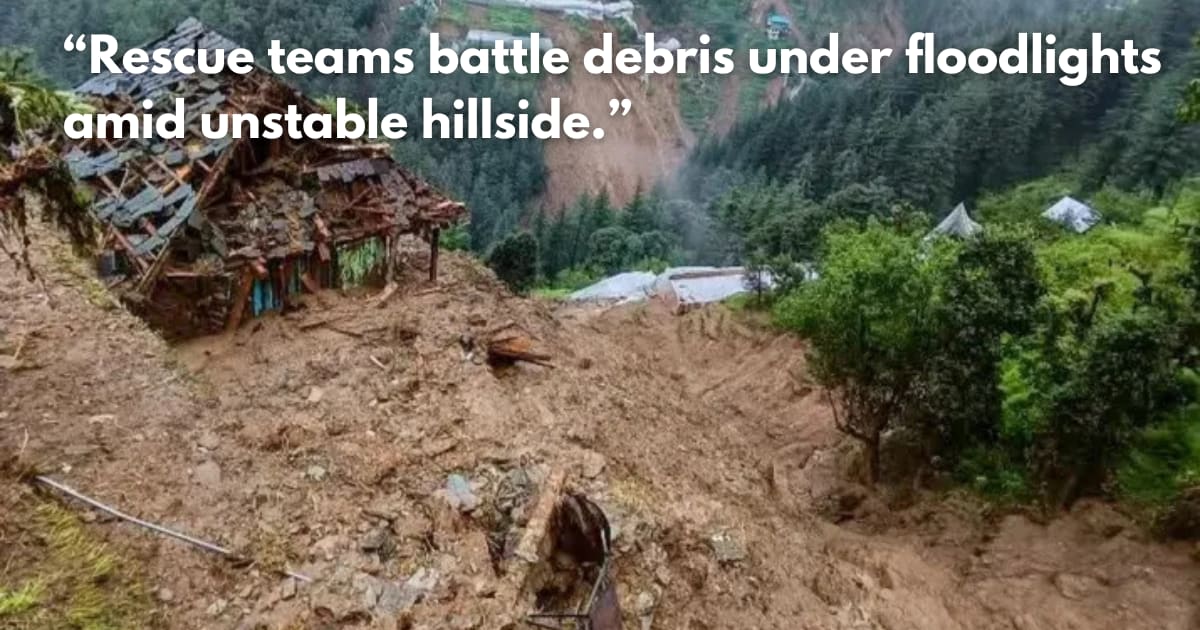
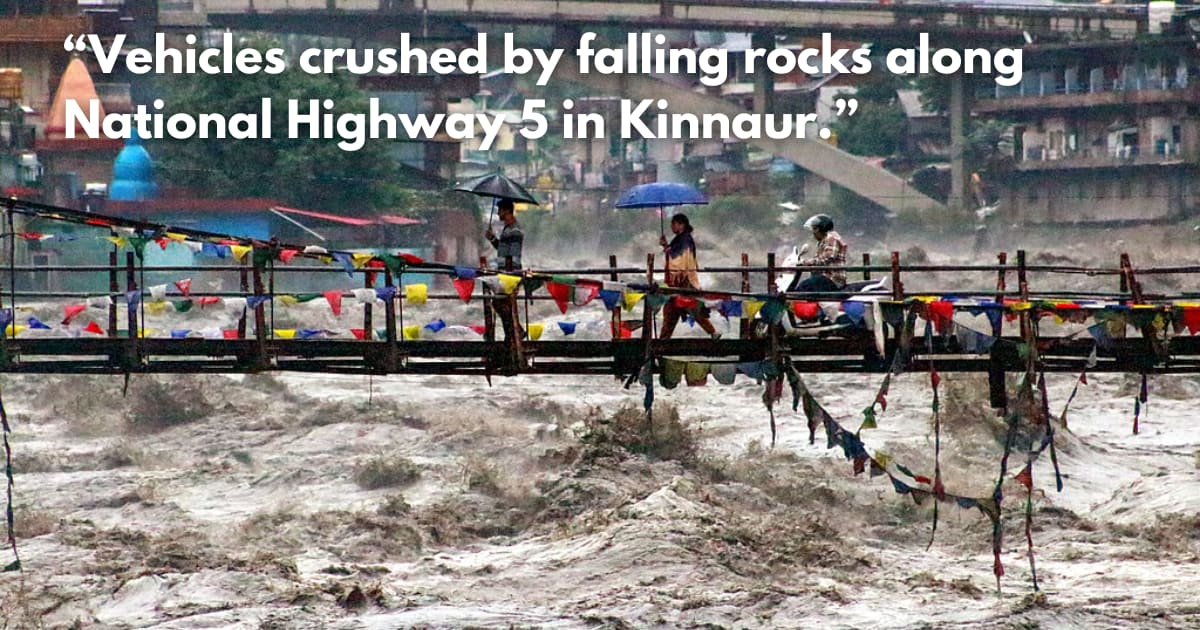
FazTimes Media, Chandigarh/Mandi: Heavy rains in Himachal Pradesh have caused another tragedy, with seven people losing their lives after a big landslide hit two houses in Jangambag village, which is part of the Sundernagar subdivision in Mandi district. Officials said among the victims were four people from the same family, including a three-year-old child. One person is still missing because the heavy rain is making it difficult for rescue teams to work.
The incident happened late at night when part of the hillside collapsed, burying two homes under a lot of mud, rocks, and other debris. The nearby people were awakened by loud noises, and moments later, the hillside collapsed.
Tragic Scenes as Families Remain Buried Under Landslide Debris
The dead have been identified as Gurpreet Singh (35), his wife Bharti (30), their daughter Kirat (3), Gurpreet’s grandmother Shanti Devi (70), and his aunt Surender Kaur (56). A cyclist who was passing by the slope when it gave way also died. Another person, who hasn’t been officially named yet, was found in the wreckage on Wednesday morning.
Meanwhile, a man named Rahil and his vehicle are still missing. Rescue teams are looking for him, but officials say it's dangerous due to unstable hillsides and more rockfalls. Apoorv Devgan, the Deputy Commissioner of Mandi, said the district is treating this search as the top priority. “We have sent four JCB machines and are ready to use breakers if needed. Our main goal is to find the missing person and make sure the nearby areas are safe,” he said.
Rescue Teams Battle All Night Amid Harsh Weather Conditions
The rescue work has been very tough. Teams from the National Disaster Response Force (NDRF), State Disaster Response Force (SDRF), District Disaster Management Authority (DDMA), and local police worked all night under floodlights, facing heavy rains and slippery ground.
People had already reported loud cracks and movement before the landslide. The ground is still moving, which puts rescuers at risk.
To stop more deaths, homes that are downhill from the landslide site have been evacuated. Temporary shelters have been set up for people who were forced to leave their homes, many of them taking only basic items with them.
Unrelenting Heavy Rains Push the State to the Edge of Crisis
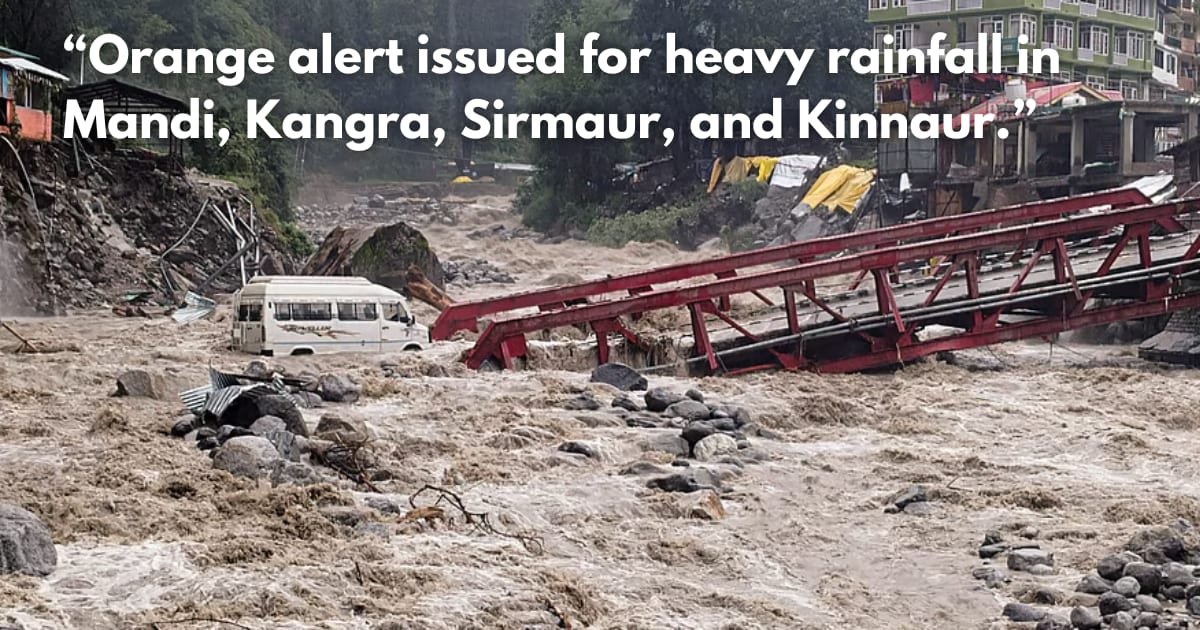
The Himachal Pradesh Meteorological Department has sent out an orange alert for Mandi, Kangra, Sirmaur, and Kinnaur districts, warning of more heavy rain in the coming days. A yellow alert has also been issued for Una and Bilaspur.
A district engineer said, "The constant rain has made the soil loose and the slopes unstable. We are clearing roads where we can, but new landslides are happening faster than we can fix."
Schools, Healthcare, and Public Services Severely Disrupted
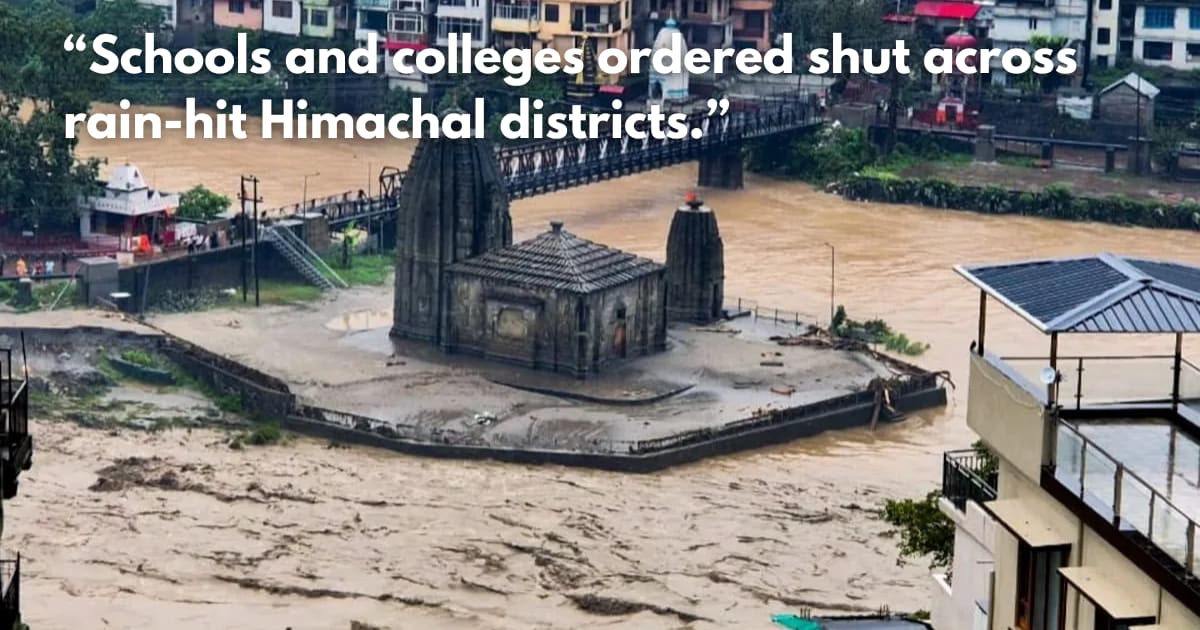
The state government has taken steps to keep schoolchildren and commuters safe. All schools, including government schools, private schools, nursing colleges, and coaching centres, have been closed in the Shimla, Kangra, and Sirmaur districts until more information is available.
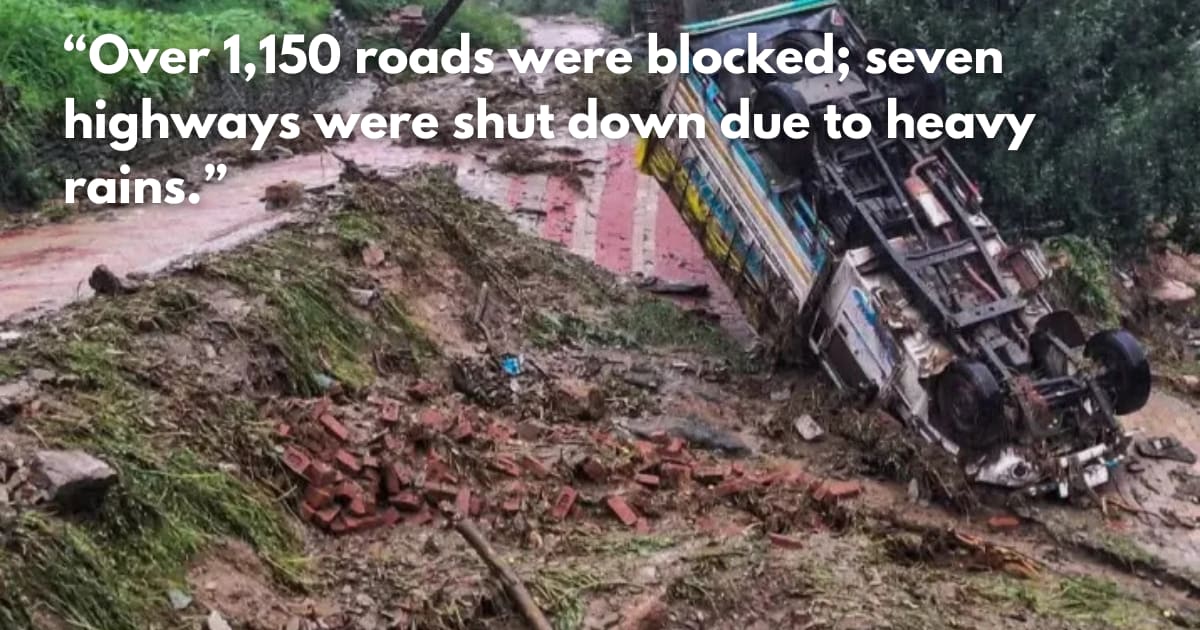
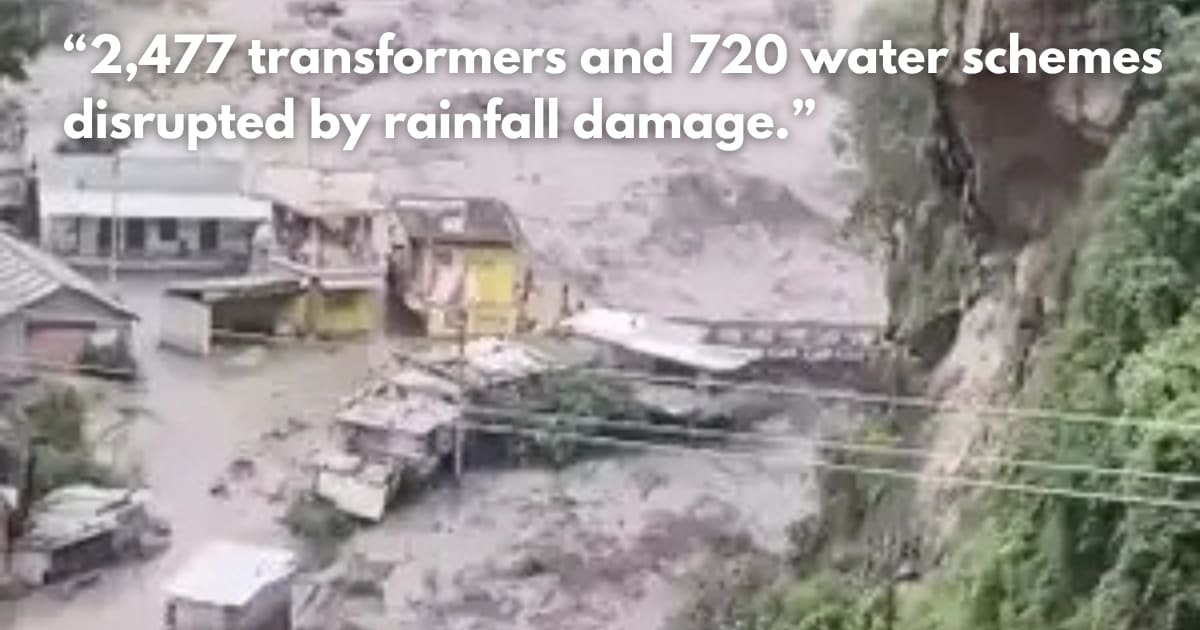
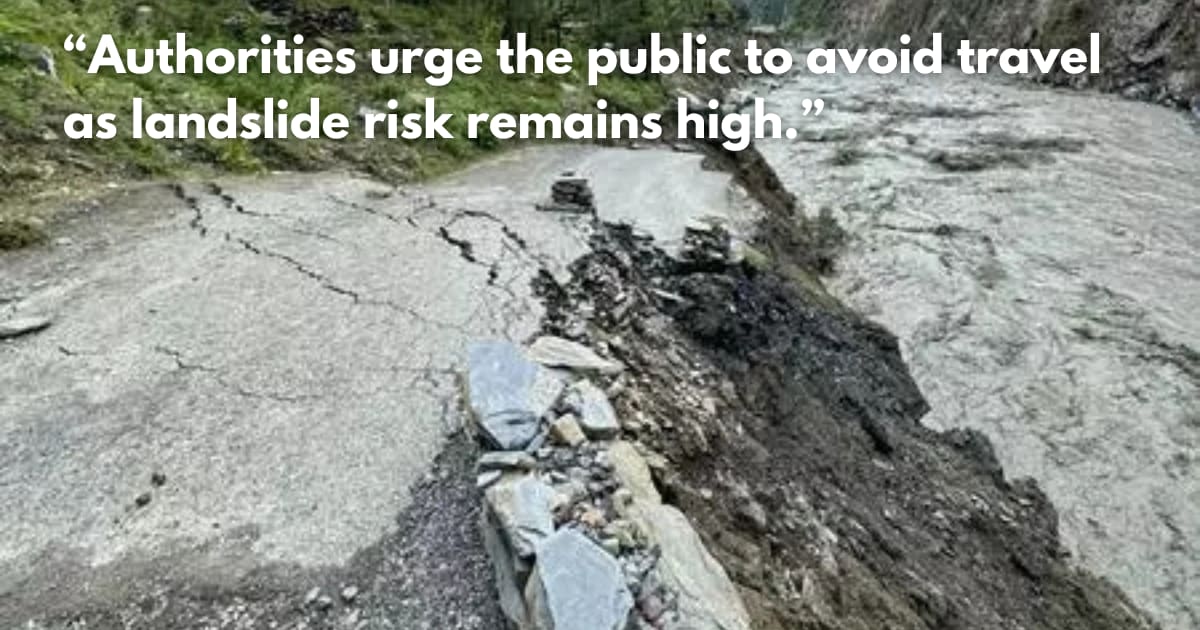
At the same time, problems with public services have made the situation worse. Landslides have blocked 1,155 roads, including seven National Highways, according to the State Emergency Operation Centre. Furthermore, landslides have broken 2,477 electricity transformers and damaged 720 water supply systems, leaving thousands of families without power or clean drinking water.
"Getting water and electricity back to remote areas will take days, maybe even weeks."
The Human Cost of Disaster Goes Beyond Statistics
For families such as Gurpreet Singh's, the numbers do not provide a complete picture. Neighbours said the family was asleep after dinner when the disaster hit. "We heard screams, but by the time we got there, everything was red under the mud. We couldn't do anything," said a resident, her eyes full of tears.
Psychologists say that repeated disasters have left many people in Himachal Pradesh constantly worried. The memory of last year's heavy monsoon floods, which claimed over 400 lives and displaced thousands, remains vivid. "Every rain brings fear," said a schoolteacher from Mandi.
Recurring Climate Disasters Highlight India’s Growing Vulnerability
Experts point out that Himachal Pradesh's geography makes it especially at risk, but climate change has made the dangers even worse. Unpredictable rain, loss of trees, and unchecked building have all led to more landslides.
Al Jazeera reports that in the past ten years, the Himalayan area has experienced a big increase in extreme weather events. Landslides and flash floods are happening more often and with greater intensity. “We are seeing cloudbursts that never happened before, rain that exceeds what the land can handle, and slopes giving way under the pressure,” said an environmental researcher from Shimla.
He added that the real challenge is finding a way to develop without hurting the environment. Expanding highways, building hydropower projects, and rapid urban growth have weakened the already fragile mountain slopes.
Government Action, Relief Measures, and Future Preparedness Plans
Chief Minister Sukhvinder Singh Sukhu has expressed sadness over the loss of lives and has promised financial help to affected families. He also said the state government is pushing the central government for more money to speed up rescue and rebuilding efforts.
Officials are thinking about stricter land use rules, better ways to stabilise slopes, and early warning systems for areas where landslides are likely. However, local communities say that promises are made after every disaster, but real action is still slow.
“As reported by BBC News, Himachal Pradesh has become one of India’s most disaster-prone states, with landslides causing nearly 30 per cent of deaths linked to natural disasters in the region.” The report also points out the need for better preparedness and stronger disaster response systems.
Staying Alert and Prepared: Lessons in Survival from the Floods
In the short term, officials are advising people to be careful. Travel warnings tell people to avoid unnecessary trips, especially on mountain roads and near rivers.
However, a significant question still lingers: how many more warnings are necessary before taking serious action to save lives in the Himalayan region?
Our primary goals at FazTimes Media are to be accurate and confident and adhere to the highest journalistic standards. We check every news story we share against several trustworthy and separate sources to ensure its accuracy.
We have reviewed this report, along with articles from major news outlets worldwide, including BBC News, Reuters, Bloomberg, Al Jazeera, NDTV, The Economic Times, and The Indian Express.
We want to keep the highest standards in global journalism so that our readers can trust the information they acquire.


Discussion0
Join the conversation on this story
Loading comments...