
Afghan Earthquake: Hope Fades for Survivors as Death Toll Nears 1,500
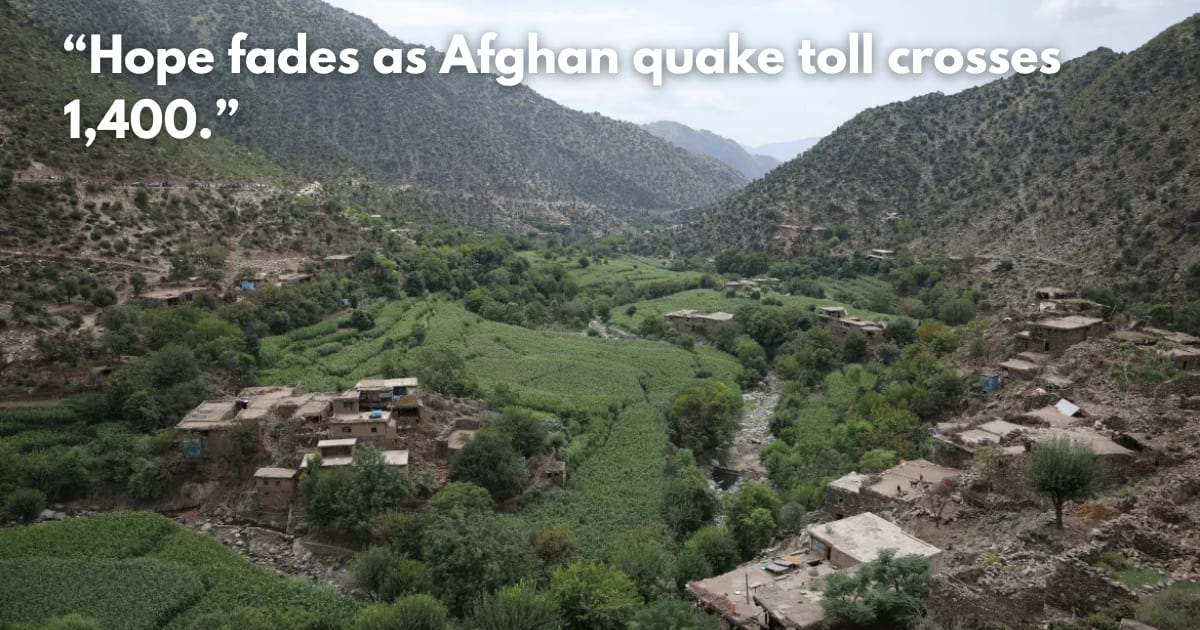

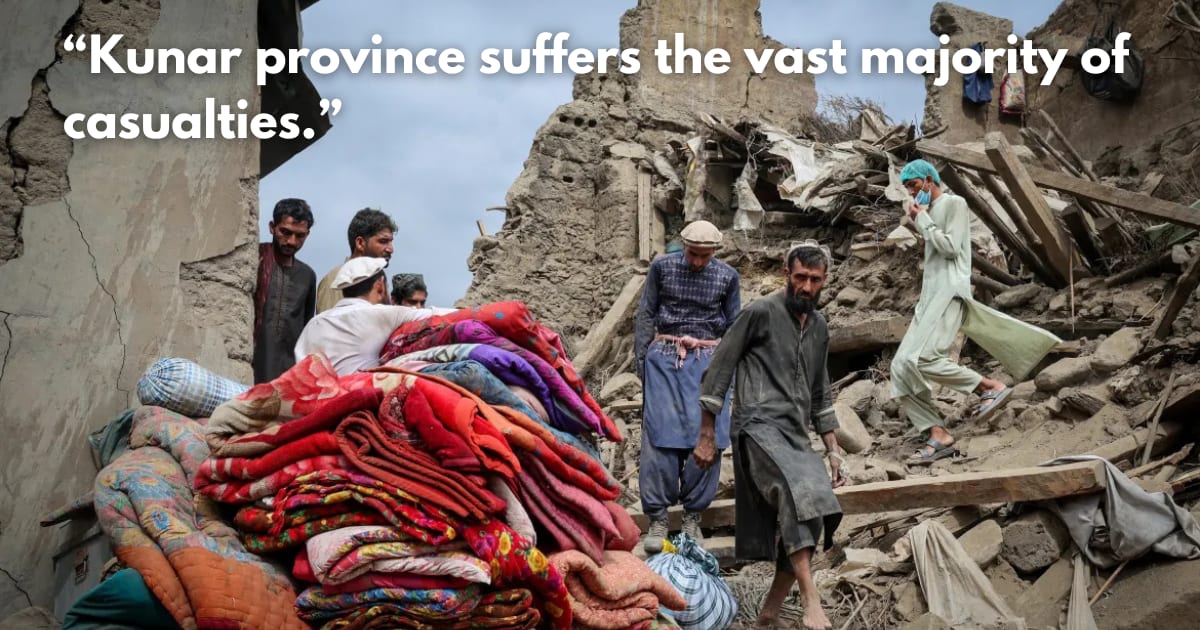


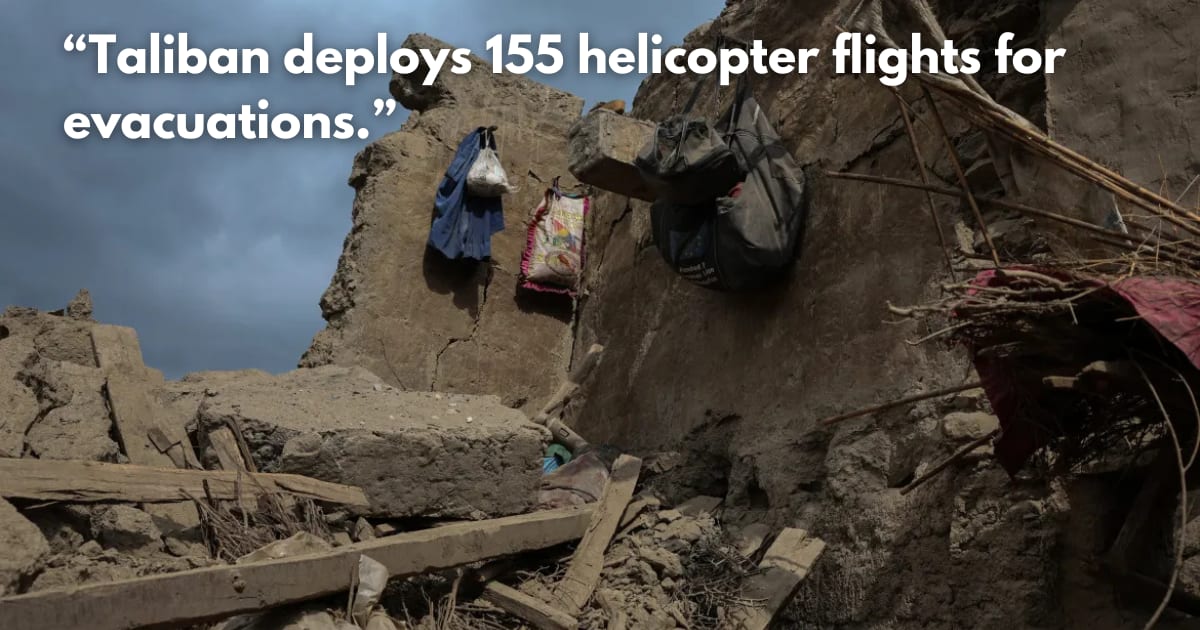
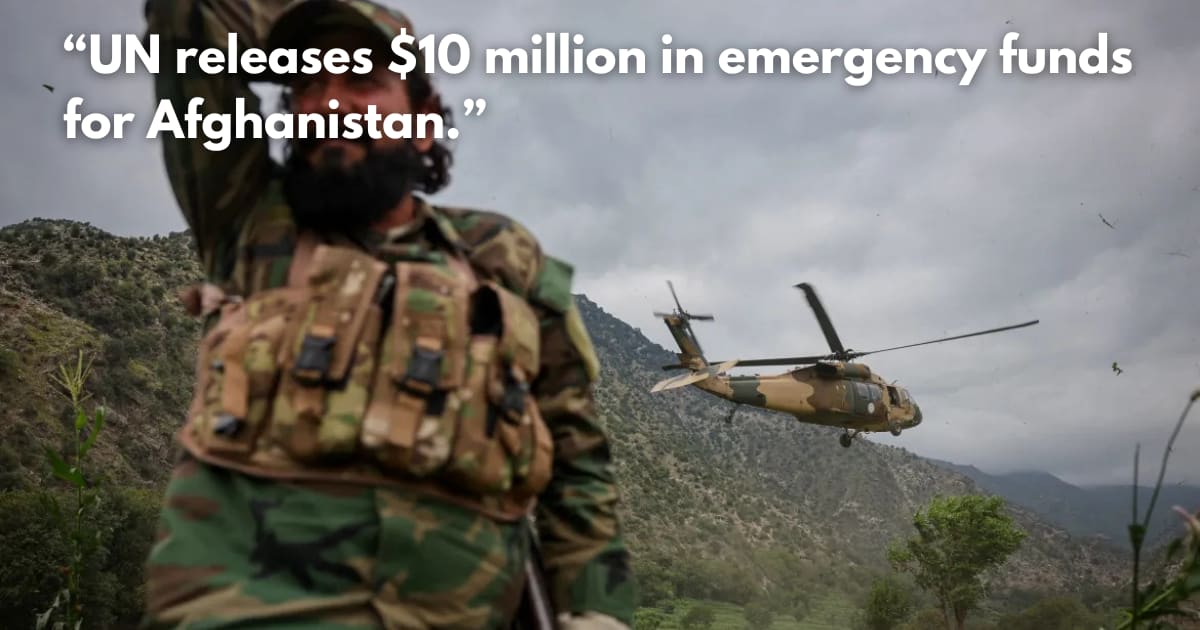


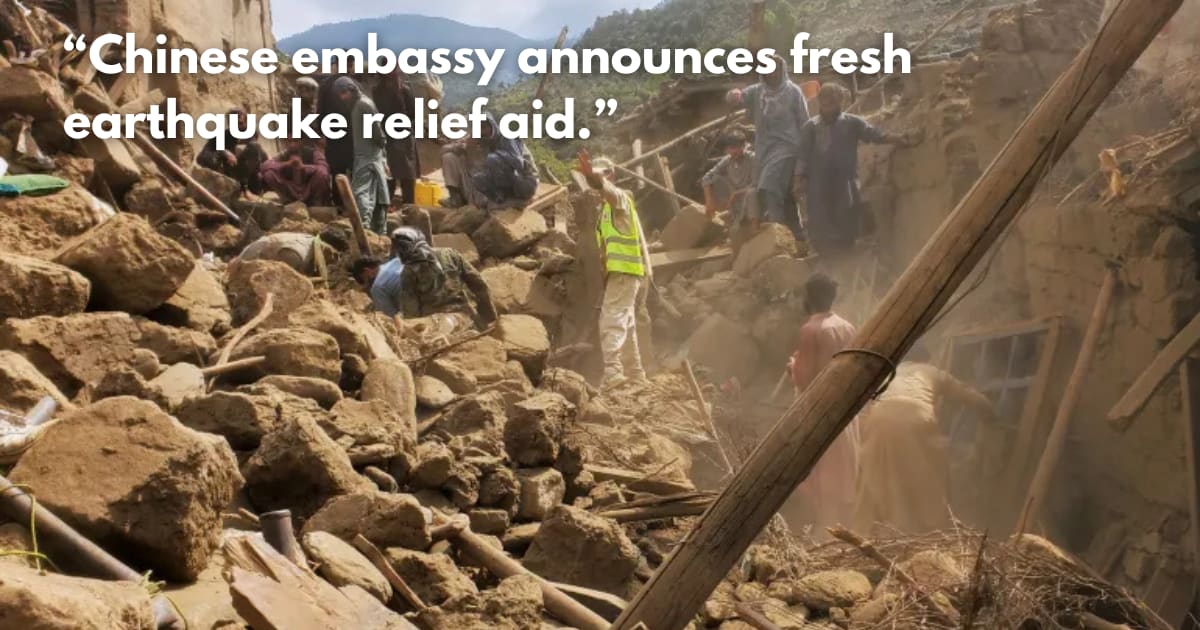
FazTimes Media, Kabul / Islamabad: People in eastern Afghanistan are going through one of the hardest times in recent history after a big earthquake hit over the weekend. Rescue workers are still trying to find survivors, but their chances are getting smaller, especially in faraway mountain areas that are still without help. Officials say the earthquake, which measured 6 on the Richter scale, hit on Sunday in Kunar province, near the border with Pakistan. Whole families were buried under houses made of mud bricks that collapsed like paper. Survivors are left in the open fields, too scared to go back inside because of the ongoing aftershocks.
Survivors and Rescuers Struggle Amid the Rubble and Ruins
In Nurgal district, one of the hardest-hit areas, local leader Ijaz Ulhaq Yaad told AFP that people are still trapped under fallen houses and rescuers are having a hard time getting to them because of blocked roads and landslides. “Some villages have not yet received any help,” he said, showing just how dire the situation is.
Taliban officials say the earthquake has already taken at least 1,411 lives and injured over 3,100 people, making it one of the deadliest in years. Many of the victims were women and children who couldn’t escape as their weak mud houses collapsed.
Eighty-year-old Gul Bibi, from Mazar Dara village, talked to Reuters about her loss: “I lost everything. My family is gone, buried under our house. Only this grandson survived.” She held a baby in her arms and described the terrible loss that happened in just a few seconds.
Entire Villages Wiped Out, Leaving Families Homeless
Reporting from the Afghanistan-Pakistan border, Al Jazeera's Assed Baig confirmed the destruction of over 8,000 homes, describing some villages as "destroyed". Survivors have had to dig mass graves with pickaxes because there are not enough places to bury people.
The constant aftershocks have made things even worse, causing damage to the few buildings still standing and making communities feel unsafe.
Many families are now sleeping outside in the rain and cold, with no tents or blankets to protect them.
According to the World Health Organisation (WHO), the number of deaths could go up a lot, as many people are still stuck under the rubble of collapsed houses.
Rescue Efforts Struggle to Keep Pace with Widespread Destruction
The Afghan Ministry of Defence said they did more than 150 helicopter rescues in two days, moving almost 2,000 injured people and their families to hospitals. Small mobile clinics are now in place, but the healthcare system is still not able to handle the needs.
According to BBC News, some aid workers from Save the Children had to walk about 20 kilometres through tough mountain areas, carrying medical supplies on their backs, just to get to communities that were cut off. Hamdullah Fitrat, a government spokesperson, announced the establishment of emergency coordination centres in Khas Kunar and the surrounding areas. But some people say the response isn’t enough for the size of the disaster.
Global Aid and International Response to the Crisis
The United Nations released $5 million from its emergency fund, with another $5 million from the Afghanistan Humanitarian Fund. A UN official, Stephane Dujarric, said that “hundreds of thousands of people could be affected” and that help is needed right away.
The European Union sent 130 tonnes of aid along with €1 million in financial assistance. The UK provided £1 million to aid groups while bypassing the Taliban's government, which it does not recognise. The UAE and China have also promised to assist. The Chinese embassy in Kabul said relief supplies are on the way.
Still, aid groups warn that there’s a big lack of money. “Since the Taliban took over in 2021, donations from around the world, especially from the US, have gone down,” said Al Jazeera’s Baig. The recession has left Afghanistan in a tough spot, especially with so many other problems happening at the same time.
A New Disaster Deepens an Ongoing Humanitarian Emergency
For many years, Afghanistan has dealt with war, instability, and economic problems. Now, the earthquake is adding to the suffering of people already living in extreme poverty, with not enough food and one of the worst refugee situations in the world.
“This earthquake couldn’t have happened at a worse time,” said Jagan Chapagain, the head of the Red Cross. “The disaster causes immediate pain and makes Afghanistan’s already weak humanitarian situation even worse.”
Afghanistan’s healthcare system is in poor condition. Many clinics have shut down, medical workers have been laid off, and there is a shortage of medicine and equipment. Experts say that even though the area often has earthquakes, the country is not ready to deal with them. They’re not prepared for such a big disaster.
Save the Children’s team encountered children in shock, parted from their families, many with visible injuries, and no immediate medical help.
Entire communities now grapple with the dual challenges of mourning the deceased while attempting to survive without shelter, food, or clean water. “People are sharing whatever little they have left, but it is far from enough,” stated a volunteer in Kunar.
Our primary goals at FazTimes Media are to be accurate and confident and adhere to the highest journalistic standards. We check every news story we share against several trustworthy and separate sources to ensure its accuracy.
We have reviewed this report, along with articles from major news outlets worldwide, including BBC News, Reuters, Bloomberg, Al Jazeera, NDTV, The Economic Times, and The Indian Express.
We want to keep the highest standards in global journalism so that our readers can trust the information they acquire.


Discussion0
Join the conversation on this story
Loading comments...