
Chinese Public's Nuanced View on US Rivalry & Key Allies


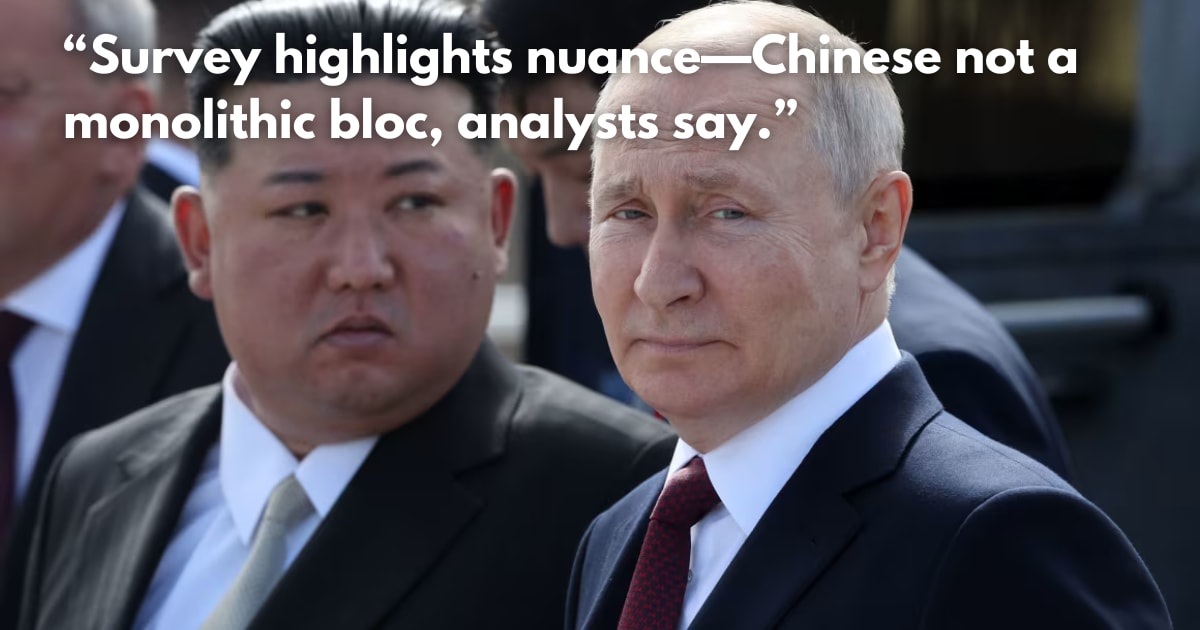
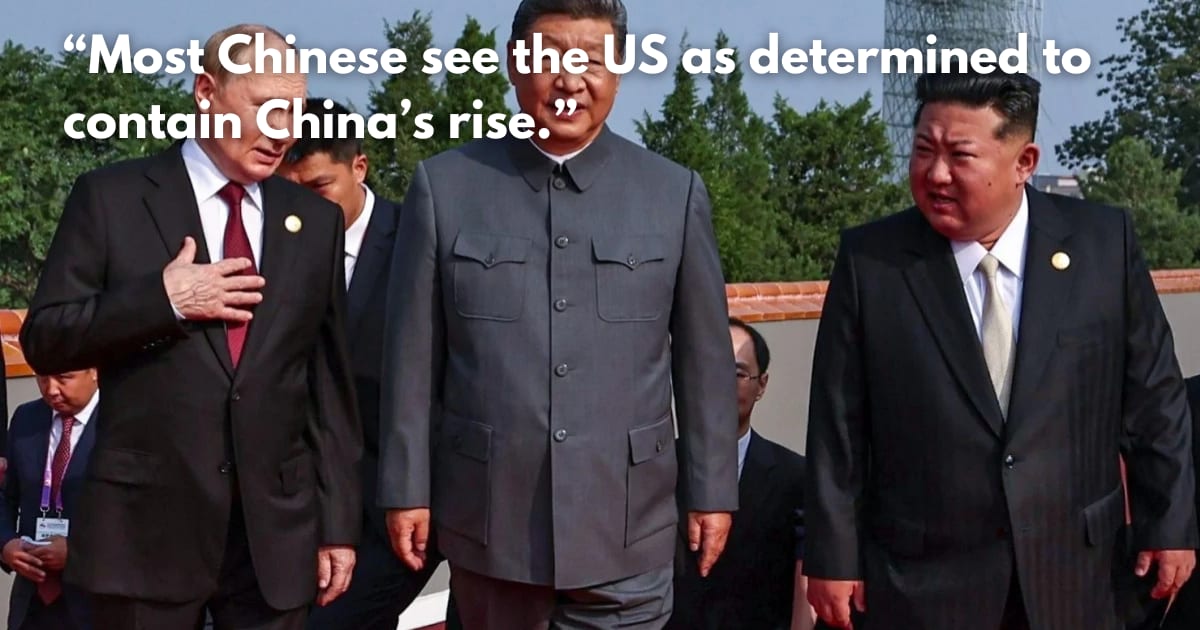

FazTimes Media, New Delhi: When people talk about China's place in the world, one big question comes up again and again: Does China want to take over from the United States as the top global power? Many in the US think the answer is yes, but a new survey shows it's not that simple. The study, done by the Chicago Council on Global Affairs and The Carter Centre, shows that everyday Chinese people have more complex views about their country's role in the world than the usual stereotypes suggest.
The survey findings show that while the Chinese public is proud of their country's economic growth and cultural influence, they don't just see their nation as a competitor with the US. Their views include confidence, some doubt, and a mix of practical thinking with national pride. Experts say this could help reduce tensions between the US and China—if both sides are willing to listen and understand each other.
National pride and optimism are strong in China. Most people feel confident about their country's future. They believe in China's economy, military, and culture as key parts of their national strength.
This confidence was on show during a military parade this week to celebrate the 80th anniversary of China's victory in the Second World War against Japan. State media used the event to show China's power, and people’s feelings matched this pride.
As BBC News reported, these kinds of events help many Chinese people see their country as the greatest in the world. However, behind this confidence is a desire to live peacefully with other countries, not to fight them.
Interestingly, 48 per cent of survey respondents said they think China's role should be about "shared leadership" in global matters, not about taking over completely.
"Shared leadership means accepting peaceful coexistence with the US and the West," said Paul Heer, a senior fellow at the Chicago Council and a former US intelligence officer. "The Chinese are curious. They don't fully trust American intentions, but they don't want to cut off all contact either."
This viewpoint goes against the idea that China wants to completely replace the US. Instead, it shows that many Chinese people have a more cautious and realistic view of the world.
Russia and North Korea: Strategic Allies, Yet Distrust Persists
One of the most striking survey findings was the designation of Russia and North Korea as China's closest allies. However, experts caution against taking these results at face value. Yawei Liu, a senior adviser with The Carter Centre and co-author of the survey, pointed out the irony: "In reality, Russia often discriminates against the Chinese and still fears the so-called 'Yellow Peril'. But security concerns and geopolitical needs push Chinese people to name Russia as their most reliable partner."
The same sceptical attitude applies to North Korea. Despite the historic alliance during the Korean War, public opinion of North Koreans is far from positive. "Most Chinese feel North Koreans are ungrateful. So many Chinese soldiers died for them, yet they see little appreciation," Liu added.
The Growing Siege Mentality in America’s Foreign Policy Approach
Surrounded by countries such as Japan, South Korea, Vietnam, and the Philippines, Chinese citizens feel hemmed in by nations aligned with Washington. This sense of encirclement fuels suspicion and makes the idea of cooperation harder to trust.
According to Liu, "At the heart of the Chinese people is a belief that the US is leading a global coalition to deny China its rightful place."
Gaps Between U.S. Leadership Decisions and Global Public Opinion
Analysts have noticed that Chinese leaders are often calmer and less aggressive compared to the general public. For instance, Beijing acknowledges that the Pacific Ocean is large enough for both China and the United States to coexist peacefully. However, many Chinese citizens strongly believe that the US should not be present in East Asia at all.
This difference between what leaders plan and what the public wants makes it harder to make good policies. At times, Beijing has had to quiet down its people when national pride and anger were getting out of control.
The U.S. Faces Limited Global Friendships in a Polarised World
Another thing the survey shows is how China's global relationships look. Even though the government invited 26 world leaders to events like the Shanghai Cooperation Organisation meeting, most of them were from Central Asia and Southeast Asia.
Very few leaders from Europe were there, which made people think that China doesn't have strong connections with the West. “They’re all second- or third-rate countries,” said Liu. Many Chinese also believe the US is trying to keep China away from more important global partners.
Despite Geopolitics, Global Affection for the American People Remains
Still, the survey found something interesting. While many Chinese feel the US is unfriendly, they also have good feelings toward the American people. People support working more together in areas like trade, culture, and education.
“A lot of Chinese believe there are many areas where the two countries can work together,” Liu said. “The fates of these two countries are connected. It’s up to the people to keep peace, but leaders need to find the right way forward.”
This mix of distrust towards the US government and interest in the American people might give some hope for better diplomacy.
Why U.S. Global Image and Public Opinion Truly Matter Today
The survey included 1,002 adults in mainland China, interviewed by phone between April and June. Experts say some answers might have been affected by self-censorship, but the findings still show a fresh look into how Chinese people see the world.
Conclusion: Understanding the Shifting Global Perceptions of the U.S.
According to BBC News, the findings show that China is not just one big group that hates the US. Instead, they show people who feel pride but also have doubts and who mix national pride with practical thinking.
Our primary goals at FazTimes Media are to be accurate and confident and adhere to the highest journalistic standards. We check every news story we share against several trustworthy and separate sources to ensure its accuracy.
We have reviewed this report, along with articles from major news outlets worldwide, including BBC News, Reuters, Bloomberg, Al Jazeera, NDTV, The Economic Times, and The Indian Express.
We want to keep the highest standards in global journalism so that our readers can trust the information they acquire.


Discussion0
Join the conversation on this story
Loading comments...