
AI, Lasers, & Drones: China's Tech at its Military Parade

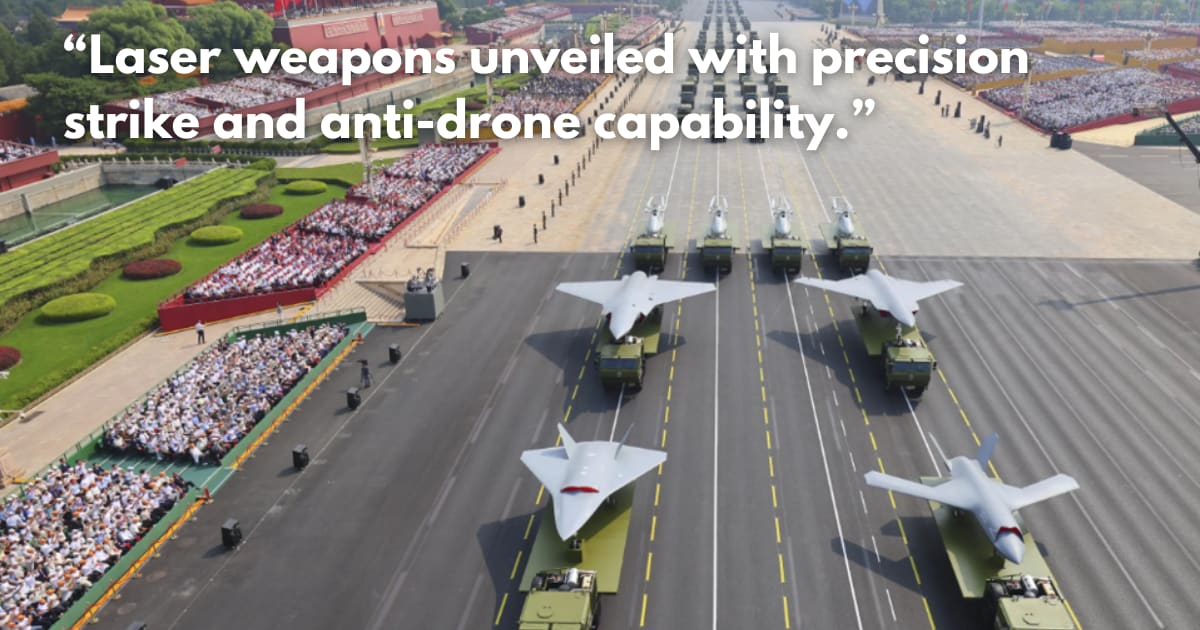


FazTimes Media: This week's grand military parade in China was more than just soldiers marching in step. It showed how modern warfare is changing with the use of artificial intelligence, advanced optics, and new physics. The parade featured futuristic weapons, like uncrewed combat vehicles, laser cannons, and hypersonic missiles, demonstrating Beijing's leadership in new military technology and signalling a new phase in the global arms race.
According to Al Jazeera, the event showed how the People's Liberation Army (PLA) is combining science and defence. They are turning military tools into smart, flexible systems that could change how wars are fought in the future.
Intelligent Machines and AI Weapons Take Center Stage in Modern Warfare
The parade primarily showcased various AI-powered uncrewed systems in land, sea, and air formations.
On land, robotic tanks and autonomous combat vehicles showed abilities that go beyond regular scouting. State broadcaster CCTV said these vehicles can clear mines, support small squads, and even work with groups of robotic "wolf pack" units. They also demonstrated small, robust vehicles launching mini drones, implying a future where air and land units collaborate seamlessly.
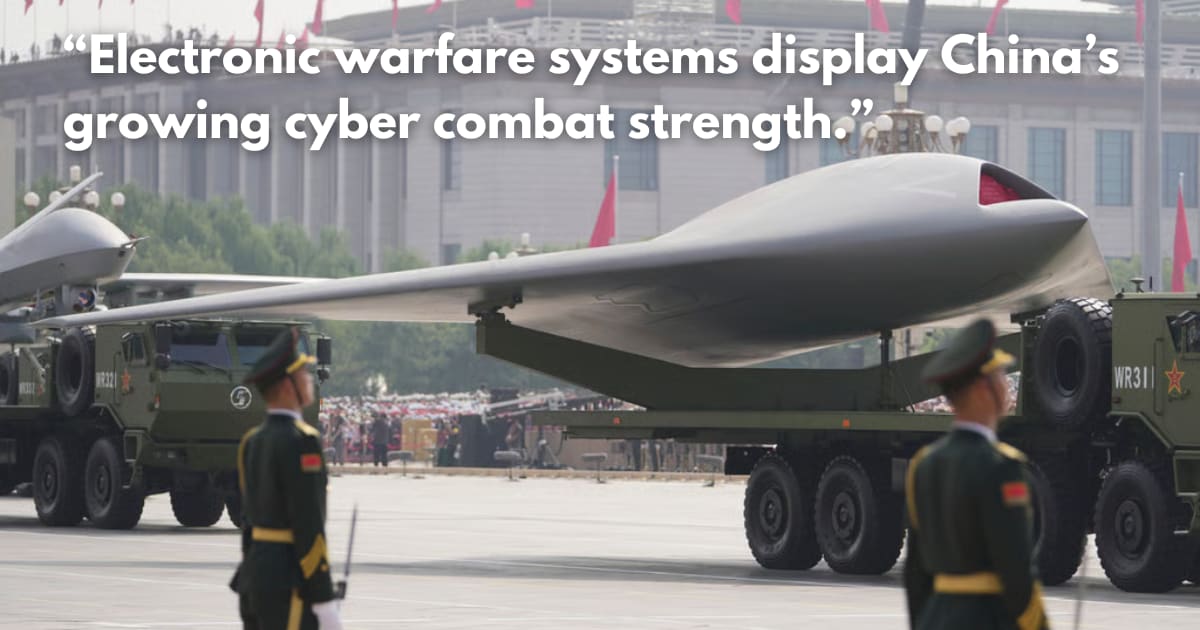
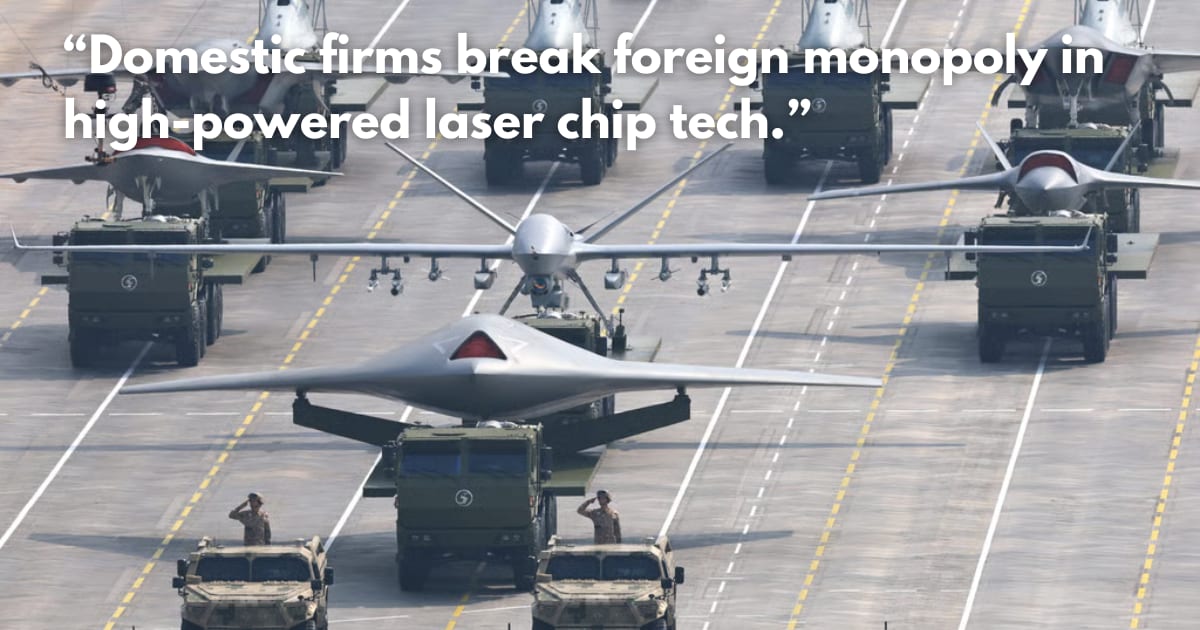
Some, called "loyal wingman" drones, are meant to fly with fighter jets, serving as decoys, carrying weapons, or disrupting enemy signals. Using AI-powered algorithms, these drones can process large amounts of data quickly and make decisions on their own during battles.
A researcher from the Academy of Military Science told CCTV, "This kind of integration shows the PLA's commitment to combining advanced algorithms with strong hardware like chips, sensors, and radar systems."
Military Lasers: From Science Fiction Dreams to Battlefield Reality
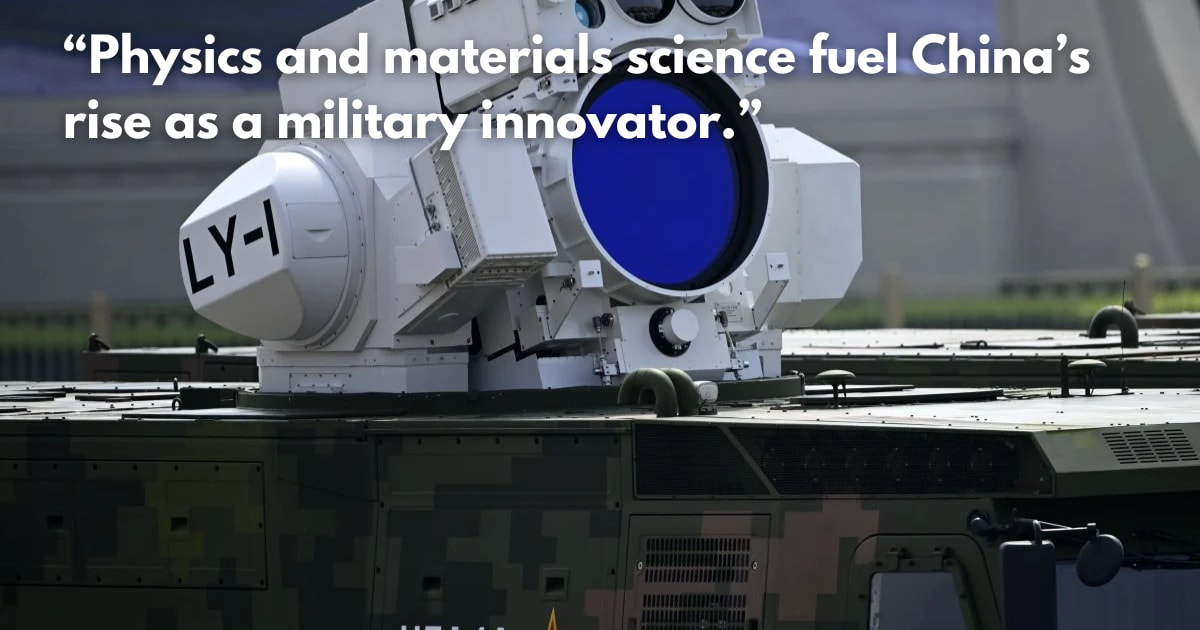
Commentator Wei Dongxu explained on state television that these new laser systems could "instantly deal with small drones, conduct repeated strikes, and improve battlefield efficiency while cutting down ammunition costs."
One of the major challenges with laser technology has been overheating. According to a BBC News report, Chinese researchers have developed new optical materials and thermal systems that allow high-energy lasers to function even in hot, demanding environments without the need for bulky cooling systems.
Domestic companies such as Suzhou Everbright Photonics and Wuhan BD Laser Technology are now producing advanced laser chips, breaking a field once dominated by the US and Germany. This signals Beijing's intent not only to deploy these weapons but also to lead in the global laser technology market.
Missiles and the Physics of Hypersonic Speed in Modern Defense
Hypersonic missiles, such as the YJ-21 and DF-17, were also displayed, highlighting the PLA's ability to deliver strikes faster than sound and evade existing defence systems. The most striking was the DF-5C, which demonstrated the impact of economic limitations, emotional needs, and "global strike" capabilities.
Hypersonic research, for example, depends on advanced wind tunnels capable of simulating extreme speeds and temperatures. Meanwhile, scramjet engines—the core of hypersonic weapons—are considered the pinnacle of aerospace engineering.
Cyber Warfare and Electronic Battles Reshaping Global Security
Three distinct formations—cyberspace warfare, electronic countermeasures, and information support—marched through Tiananmen Square. Equipment on display included systems capable of disconnecting enemy networks, jamming communications, and disrupting satellites. According to state media, the PLA has invested heavily in cloud computing and AI-enhanced systems that allow real-time coordination of land, air, and naval operations.
This growing focus on electronic dominance reflects the changing nature of war, where disrupting information channels can be as effective as firing a missile. Analysts point out that China has spent the last decade mastering cryptography, network defence, and electromagnetic warfare, which enables it to both protect and attack critical communication systems.
The Science and Technology Powering Today’s Military Arsenal
What was clear throughout the parade was how deeply science underpins China’s military rise. Innovations in physics, optics, and materials science are directly feeding into weapons systems, from laser optics to missile guidance.
The Nature Index, which tracks global scientific research, recently ranked eight Chinese institutions among the world’s top ten in physics output. Similarly, Chinese universities dominate global chemistry rankings, reflecting a broad investment in science that extends well beyond defence.
A Strategic Message to the World Through Advanced Military Tech
Yet the tone was not entirely aggressive. Several Chinese commenters emphasised that these technologies also reflect the country’s desire to secure itself against perceived encirclement by rival powers.
Implications of Emerging Defense Technology for the Region and the World
At the same time, the development of cyber and electronic warfare tools has made governments around the world worry about how vulnerable their computer networks are. However, there is also an understanding that these new technologies could lead to more competition. “Every time Beijing shows off its AI and hypersonic capabilities in a military parade, it pushes Washington, Moscow, and others to keep up,” said one defence analyst.
Conclusion: A Glimpse Into the Future of Tomorrow’s Wars and Global Conflict
China’s latest military parade was more about showing off new technology than about soldiers. AI-powered drones, laser weapons, hypersonic missiles, and cyber systems together showed what future wars might be like—fast, smart, and full of high-tech tools.
For regular people watching, it was a big show. For experts, it was a reminder that modern military strength comes just as much from research in labs as from training in military bases. As reported by Al Jazeera, the message was clear: China is no longer just trying to keep up; it is leading the way in the race for next-generation defence.
Our primary goals at FazTimes Media are to be accurate and confident and adhere to the highest journalistic standards. We check every news story we share against several trustworthy and separate sources to ensure its accuracy.
We have reviewed this report, along with articles from major news outlets worldwide, including BBC News, Reuters, Bloomberg, Al Jazeera, NDTV, The Economic Times, and The Indian Express.
We want to keep the highest standards in global journalism so that our readers can trust the information they acquire.



Discussion0
Join the conversation on this story
Loading comments...