
US Labor Market: Jobless Claims Rise, Hiring Slows


FazTimes Media: Once seen as the main driver of recovery after the pandemic, the U.S. labour market is now displaying new signs of stress. New government data shows that job growth is slowing down while more people are filing for unemployment, raising worries that the economy could be entering a period of slower growth. For many American workers, the job market that seemed strong just a few months ago now feels less secure.
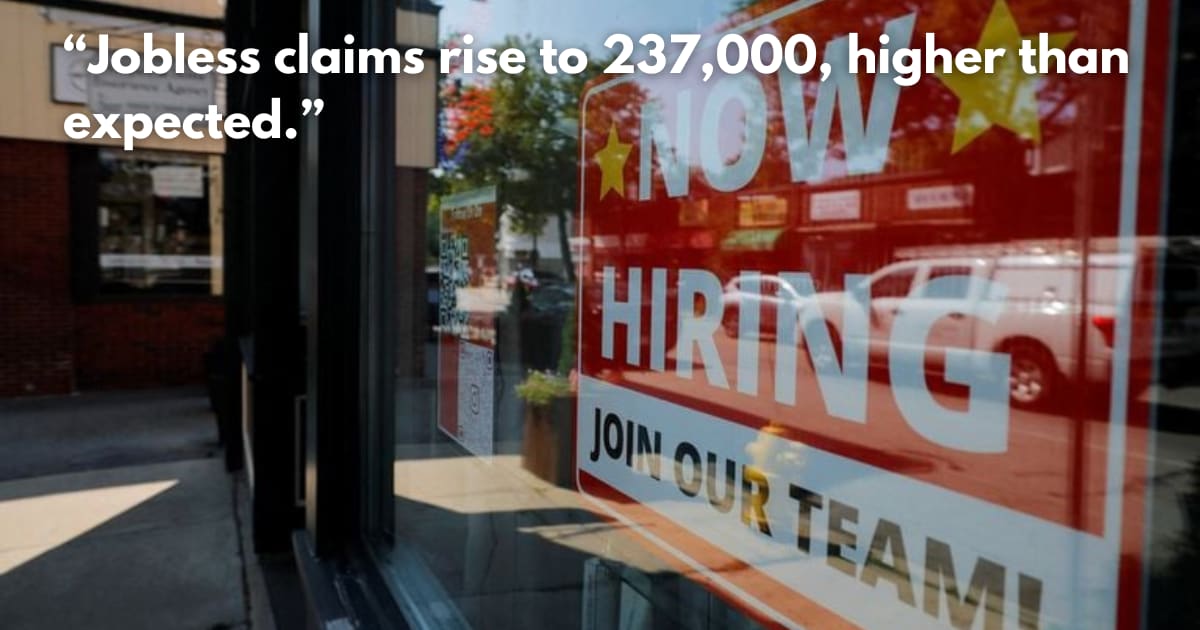
The latest numbers from the Labour Department show that the number of people applying for unemployment benefits went up by 8,000 to 237,000 in the week ending August 30. Economists had expected claims to stay near 230,000, which means the slowdown is worse than expected. These figures come after earlier reports that, for the first time since the start of the pandemic, there are now more people looking for work than there are available jobs.
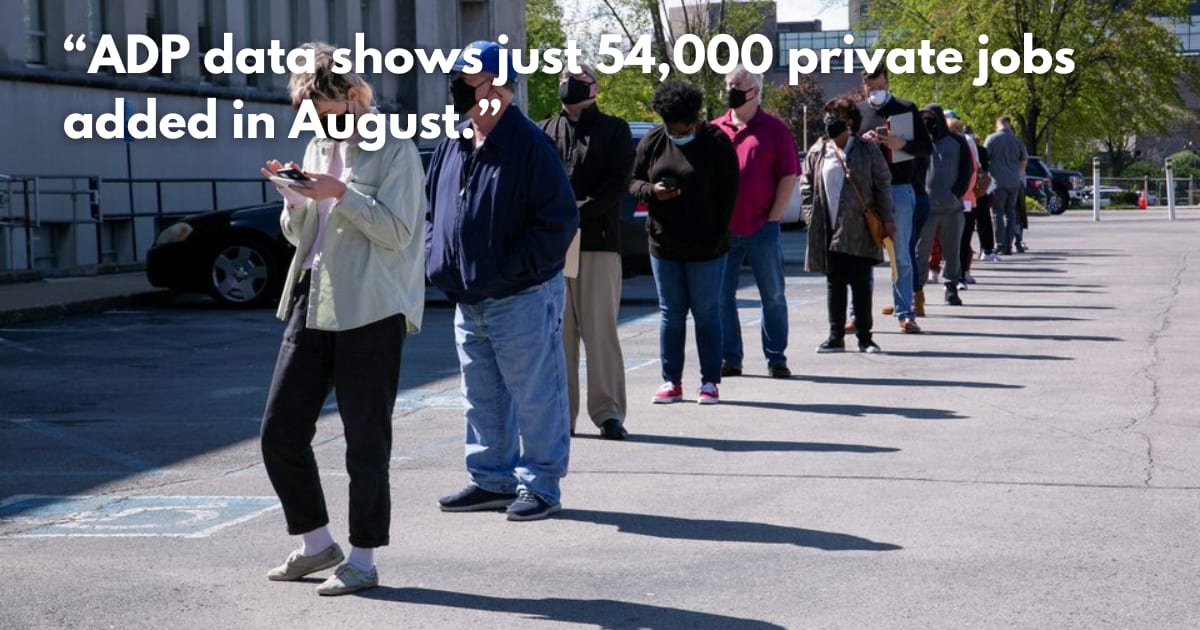
As BBC News reported, hiring in the private sector has also weakened. The ADP National Employment Report said that private companies added only 54,000 new jobs in August, a big drop from the 106,000 jobs created in July. Economists had expected about 65,000 new jobs, showing that businesses are becoming more cautious about hiring.
A Cooling U.S. Labour Market Signals Slower Job Growth
For most of 2024, the American labour market was doing better than expected. Wages were rising, and companies kept hiring. But now, a mix of global uncertainties, changes in domestic policies, and changes in the economy are starting to take their toll.
Job growth has slowed a lot. In the past three months, the U.S. has only added about 35,000 jobs each month—much lower than the average of 123,000 jobs per month during the same time last year. This slowdown has led to concerns that companies, especially those in labour-intensive industries, are hesitant to hire because demand is decreasing.
Sectors like construction, retail, and hospitality—often key areas where immigrant workers find jobs—have been hit especially hard. Economists say that stricter immigration rules and the uncertainty around trade tariffs are making it harder for employers to hire.
Why a Weak Labour Market Matters for American Workers and Families
When people are afraid of losing their jobs, they don’t spend as much. This affects businesses, which then hire more slowly. According to Al Jazeera, economists are worried that the weakening job market could cause problems in other areas, like housing, retail, and even banking, and this could affect the whole economy.
The Federal Reserve’s Dilemma: Balancing Inflation and Employment
The timing of these events is important. The Federal Reserve has kept interest rates at 4.25% to 4.50% since December in an effort to control inflation. But the increase in jobless claims and slower hiring gives the Fed a better reason to cut rates at its next meeting on September 16-17.
Federal Reserve Chair Jerome Powell has admitted the risks to the job market, even suggesting the possibility of interest rate cuts. Still, he is careful about inflation coming back if the Fed cuts rates too fast. Eric Teal, chief investment officer at Comerica Wealth Management, told Reuters that “although slow job growth is a concern, it could give the Fed more room to cut interest rates, which could help boost spending.”
But for leaders, the challenge is to find the right balance—helping the economy without causing inflation again.
Political Dimensions of America’s Labour Market Slowdown
The slow job market is also changing the political discussion. With elections coming up, both major parties are blaming each other. They say the slowdown is just a short-term issue, not a long-term problem. This back-and-forth is likely to get worse in the next few months as job data stays a big talking point for politicians and voters.
What Lies Ahead for the U.S. Economy and Job Market
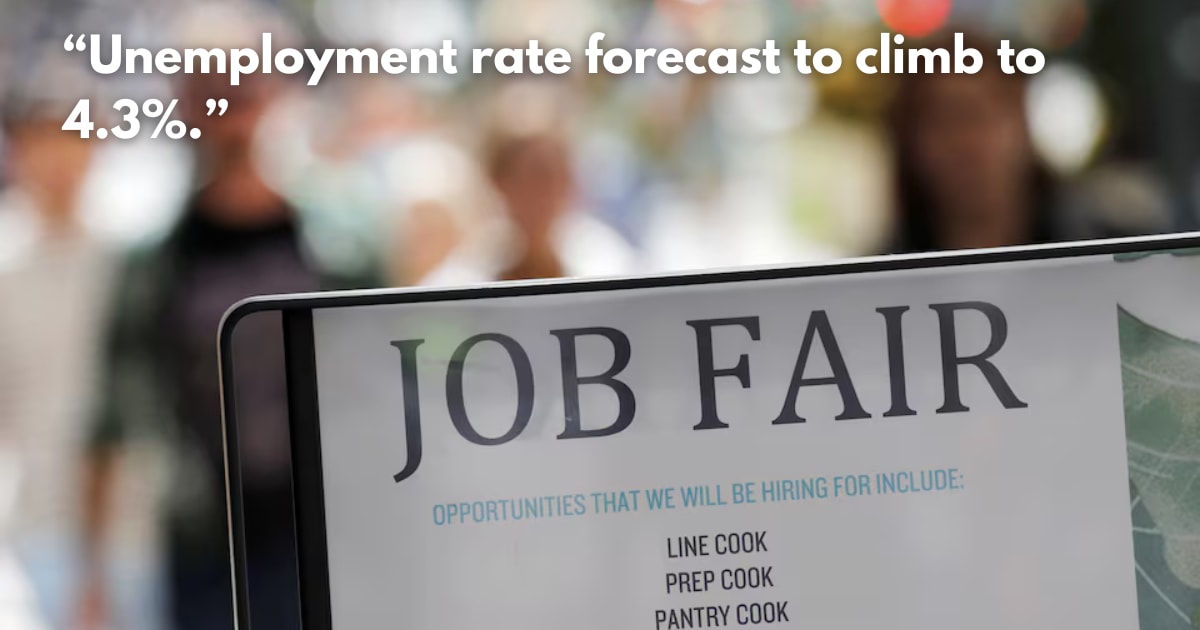
The August jobs report, which is coming soon, will give a better idea of whether the slowdown is temporary or part of a longer trend. According to a survey by Reuters, economists expect the number of jobs added to rise by about 75,000, a little higher than the 73,000 in July but still much lower than what is considered healthy. The unemployment rate is expected to go up from 4.2% to 4.3%.
If these predictions are correct, the pressure on the Federal Reserve to take action will grow. At the same time, government officials will need to think about bigger issues like worker skills, automation, and immigration laws that go beyond just the short-term economy.
Our primary goals at FazTimes Media are to be accurate and confident and adhere to the highest journalistic standards. We check every news story we share against several trustworthy and separate sources to ensure its accuracy.
We have reviewed this report, along with articles from major news outlets worldwide, including BBC News, Reuters, Bloomberg, Al Jazeera, NDTV, The Economic Times, and The Indian Express.
We want to keep the highest standards in global journalism so that our readers can trust the information they acquire.


Discussion0
Join the conversation on this story
Loading comments...