
Trump Admin Drops Biden Plan for Airline Passenger Compensation


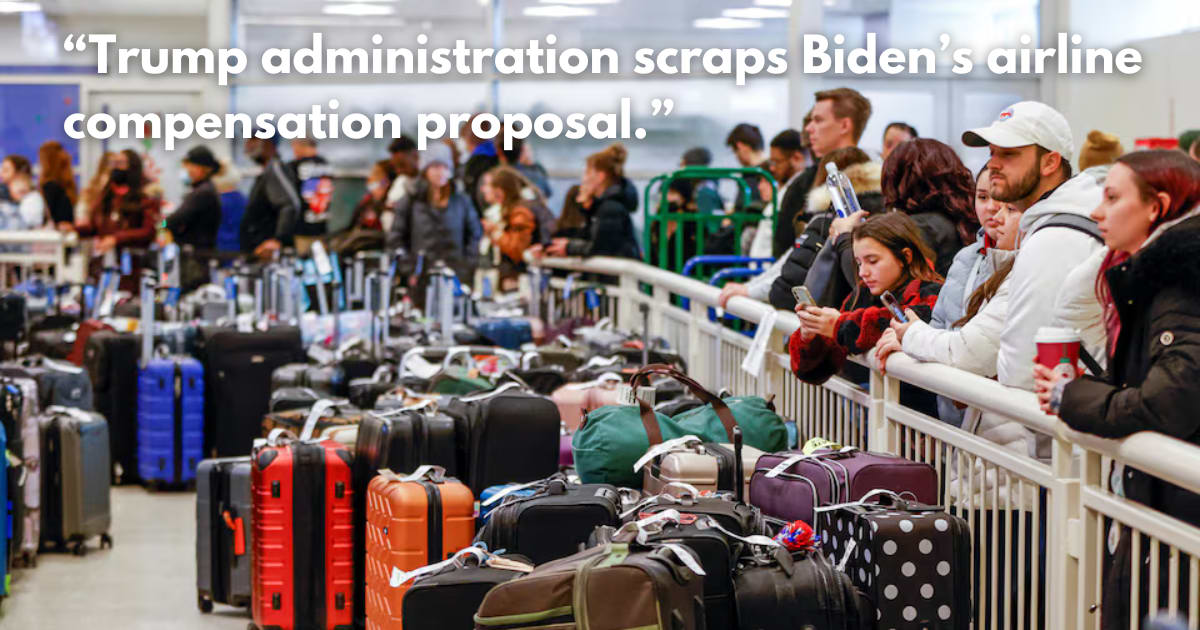
FazTimes Media, Washington, D.C. – Travellers in the U.S. are feeling let down again after the federal government officially decided not to push forward with a plan that would have required airlines to give passengers cash payments for long flight delays. This change shows a shift in policy from the Biden administration’s focus on consumers to the new priorities of the Trump administration.
The announcement was made on Thursday when the U.S. Department of Transportation (USDOT) posted a notice saying it no longer wants to move forward with the plan. The decision has already started a discussion among travellers, consumer groups, and the airline industry.
What Was Biden’s Plan to Protect Airline Passengers from Delays?
In December, under President Joe Biden, the USDOT asked for public opinions on whether airlines should be required by law to pay passengers directly for delays caused by the airline. The plan suggested giving $200 to $300 for domestic flights delayed by more than three hours and up to $775 for longer delays like international flights.
The idea was simple: if a flight was delayed because of the airline’s mistakes, such as technical problems, not enough staff, or bad scheduling, then passengers would get cash instead of just food or hotel stays. Consumer rights groups supported the plan, calling it a “long overdue” step to help travellers. According to BBC News, many U.S. travellers often end up stuck for hours with just apology messages and sometimes free meals, which has caused increasing frustration at airports across the country.
Why Biden’s Airline Passenger Protection Policy Was Dropped
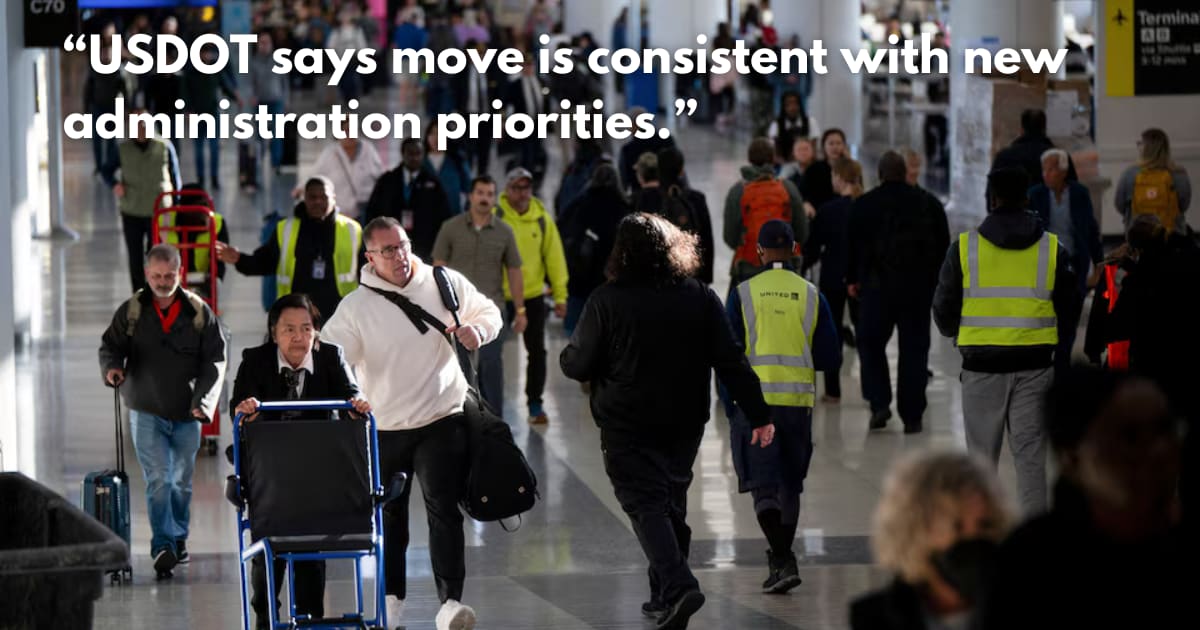
The Trump administration said the compensation plan did not match their bigger economic and rule-making plans. The official message said the decision was made "in line with the department and administration's main goals."
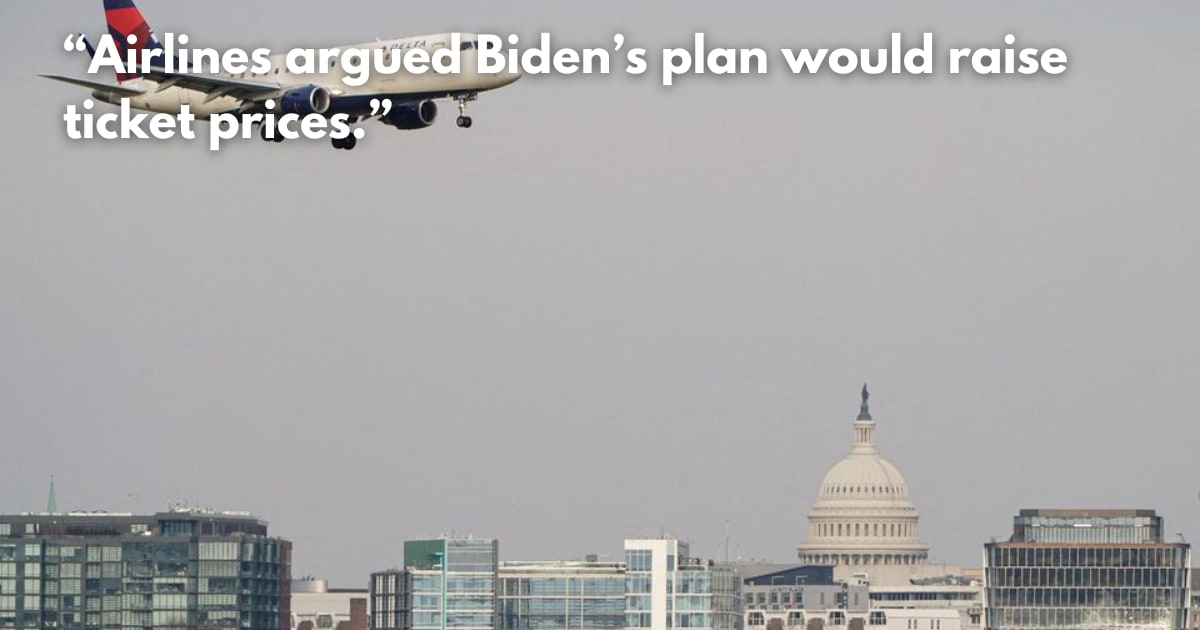
Airline companies didn't like Biden's plan from the beginning. Big airlines like American Airlines, Delta Air Lines, and United Airlines, through a group called Airlines for America, said the rule would make their costs go up and cause higher prices for travellers.
According to Al Jazeera, airline representatives said making carriers pay big money for delays would hurt the industry, which is still trying to recover from the bad effects of the COVID-19 pandemic.
The Current Rules Governing U.S. Flight Delays and Passenger Rights
Right now, U.S. airlines must give refunds when flights are cancelled, but they don't have to pay for delays. In 2022, some big airlines promised to cover hotel stays, meals, or transport for passengers if the problems were their fault.
But people who help travellers say these promises can be different for each airline, which can confuse and upset passengers. "A refund for a cancelled flight isn't enough," said one travel rights group. "Travellers should get the same help from all airlines."
How Other Countries Handle Flight Delays and Compensate Passengers
The U.S. is different from many other countries when it comes to protecting air travellers. In Canada, airlines must give money for long delays, depending on how big the airline is and how long the problem lasted.
The European Union has some of the best passenger rights in the world, where you can get up to €600 for long delays or cancellations that the airline caused. The United Kingdom still has similar protections even after Brexit. In Brazil, airlines must provide both money and better service when there are problems.
This comparison has led many to want stronger rules in the U.S. because travellers feel they aren’t getting the same treatment as people in other parts of the world.
Passenger Frustration Grows as Flight Delays and Cancellations Mount
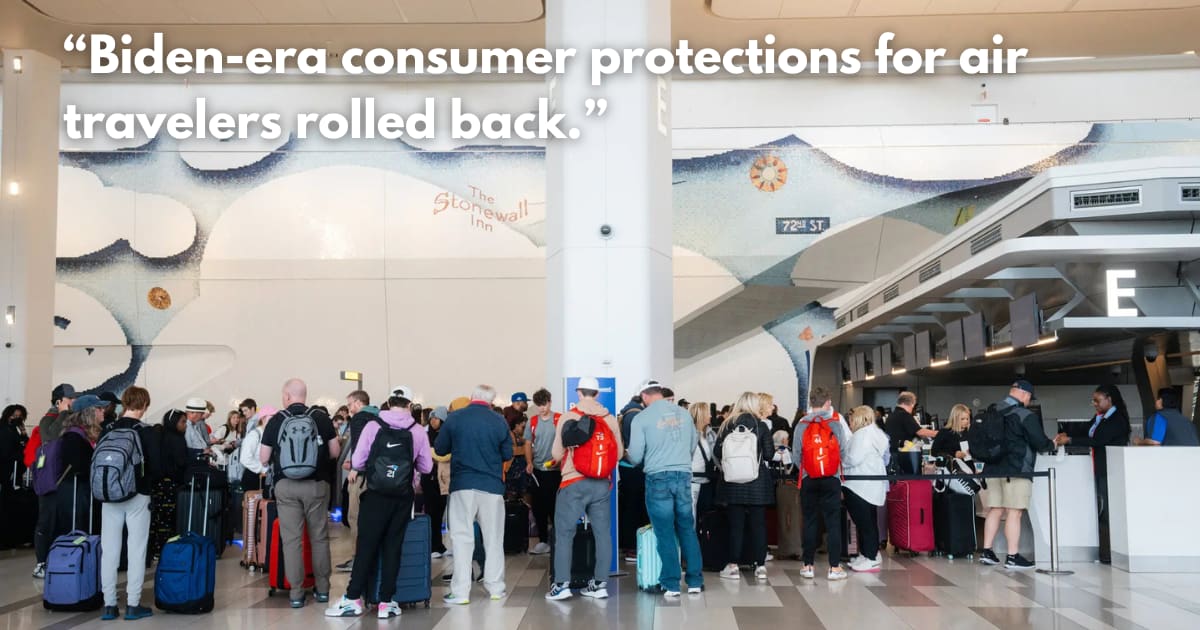
Travellers in the United States are dealing with a summer of messed-up travel plans. Things like not enough workers, computer problems, and bad weather are causing lots of trouble. According to BBC News, in 2022 alone, U.S. airlines cancelled over 180,000 flights and delayed millions more. The fact that there is no rule requiring airlines to pay passengers for delays has made many people upset and frustrated.
One person who travels a lot said, “When airlines mess up, the problem always ends up on the passenger. You spend money, waste time, and miss important things, and all you get is an apology. That’s not fair.”
Airlines Defend Themselves Amid Rising Complaints Over Delays
Airlines, however, keep saying they are right. They explain that the U.S. has one of the biggest and most complicated airline systems in the world. Delays often happen because of things outside their control, like airport traffic, bad weather, or a lack of supplies from around the globe.
They say if they had to pay passengers every time there was a delay, it would cost them a lot of money and make air travel more expensive for everyone. Airlines also mention the huge losses they had during the pandemic and worry that extra costs might slow their recovery.
A Political Tug-of-War Over Airline Regulations and Passenger Rights
The decision to roll back Biden’s plan isn’t the first time the Trump administration has gone against airline consumer protections. Earlier this year, the Justice Department stopped a lawsuit against Southwest Airlines. That lawsuit had been started by the Biden administration and claimed the airline planned flights it knew would likely be delayed, possibly misleading passengers.
Experts say the different approaches by the two administrations show a bigger argument—one that values passenger rights and the other that focuses on keeping the airline industry flexible.
What Airline Policy Changes Could Mean for U.S. Travellers
The decision leaves American passengers in a tough spot. Without a federal law that requires airlines to give compensation for delays, travellers have to deal with each airline’s own rules. Some airlines may offer hotel stays or food credits, but there’s no guarantee everyone gets the same help.
Consumer groups warn that without strict government rules, airlines will keep focusing on saving money rather than helping customers. “This isn’t just about money,” said one travel rights expert. “It’s about fairness, holding airlines responsible, and showing respect for people’s time.”
Looking Ahead: The Future of Airline Passenger Protections in the U.S.
There's still a possibility that the debate about airline compensation could come back in the future. In the U.S., airline rules have often changed depending on which group is in charge, and if passengers push hard enough, lawmakers might take another look at the issue.
Some experts think there could be a middle way. Instead of giving cash refunds, airlines could be required to offer help like meals, hotel stays, and options to rebook flights with other airlines. This would make things easier for travellers without costing the airlines too much money.
BBC News reports that similar ideas are already in place in parts of Europe, where airlines have to help passengers even if they don’t get full money back.
Conclusion: The Skies Remain Unsettled for Airlines and Passengers Alike
Cancelling Biden’s airline compensation plan is more than just a policy change—it shows the ongoing battle between protecting travellers and keeping airlines profitable. Right now, U.S. travellers are some of the least protected in the developed world when flights are delayed. While other countries promise compensation, American passengers have to depend on airline goodwill and mixed promises.
As one tired traveller said, “Flying in the U.S. feels like a gamble. You buy a ticket, but you never really know what you’re going to get.” Until Congress takes stronger steps, the future of passenger rights in American skies remains uncertain.
Our primary goals at FazTimes Media are to be accurate and confident and adhere to the highest journalistic standards. We check every news story we share against several trustworthy and separate sources to ensure its accuracy.
We have reviewed this report, along with articles from major news outlets worldwide, including BBC News, Reuters, Bloomberg, Al Jazeera, NDTV, The Economic Times, and The Indian Express.
We want to keep the highest standards in global journalism so that our readers can trust the information they acquire.


Discussion0
Join the conversation on this story
Loading comments...