
Russia-Ukraine War: Key Events on Day 1,290



FazTimes Media: The war between Russia and Ukraine has now lasted for 1,290 days, with both countries still fighting each other on the battlefield and in political talks. At the same time, the world's major powers are dealing with the bigger picture of this conflict. The war started in February 2022 when Russia launched a full-scale invasion, and it has become one of the most important conflicts of the 21st century. It has changed how countries work together, how energy markets operate, and even the way diplomats talk to each other.
On Saturday, September 6, there was a lot happening both on the front lines and in talks. Here is a detailed look at the most recent events and what they mean for the world.
Frontline Battles and Drone Strikes: The Shifting Face of Modern War
According to the Russian state news agency TASS, Russian forces have now taken control of the village of Markove in Ukraine’s Donetsk region. This area has been the site of heavy fighting since the war began, and capturing it is a small but important win for Russia. However, experts say it is not a big enough victory to change the course of the war.
Ukraine responded by attacking important Russian energy sites. UUkrainian drone units attacked the Ryazan oil refinery, a key industrial site in Russia, as well as an oil storage area located in the Russian-occupied city of Luhansk. Robert Brovdi, who leads Ukraine’s drone unit, confirmed these attacks.
The governor of Ryazan, Pavel Malkov, said that eight drones were stopped by Russia’s air defence and electronic warfare systems, and the debris landed near an industrial plant. Although there were no injuries, the symbolic significance of these attacks remains strong.
As reported by BBC News, Ukrainian President Volodymyr Zelenskyy said Ukraine will not just sit back while Russia attacks its energy systems. “For every strike on our power grid, there will be an equal response,” Zelenskyy said.
Foreign Troops and Security Guarantees: How the West Shapes the Conflict
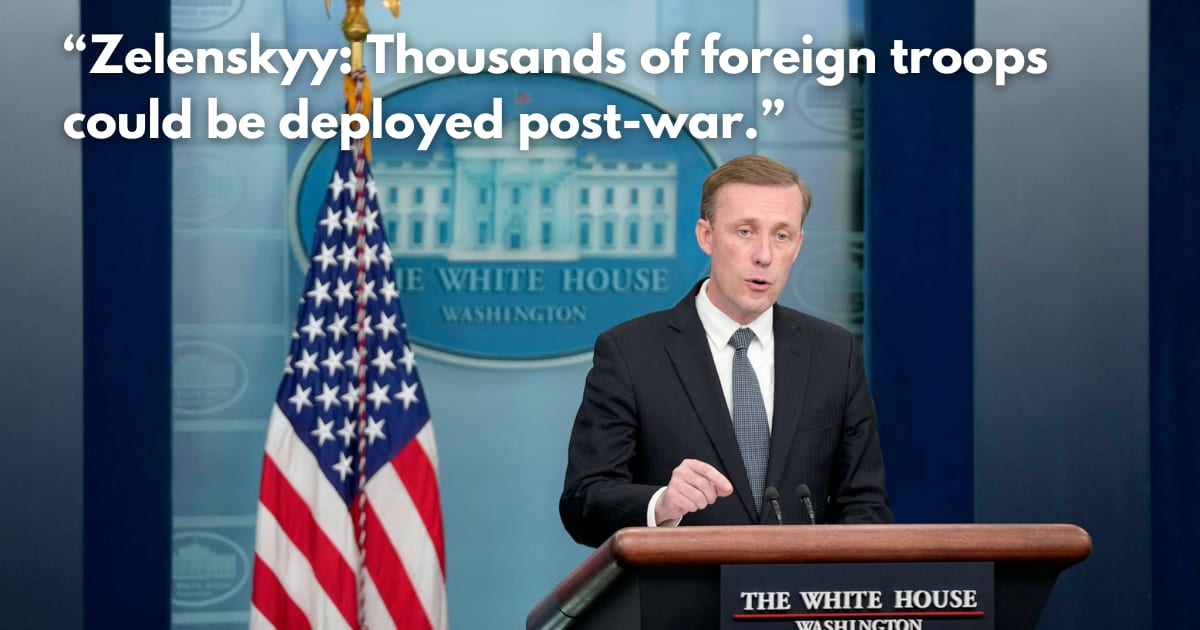
One of the most notable political moments this week was when Zelenskyy said that “thousands” of foreign troops might be sent to Ukraine in the future as part of security promises after the war ends. These promises, talked about with a group led by French President Emmanuel Macron, are meant to protect Ukraine’s independence in the long run, even after the fighting stops.
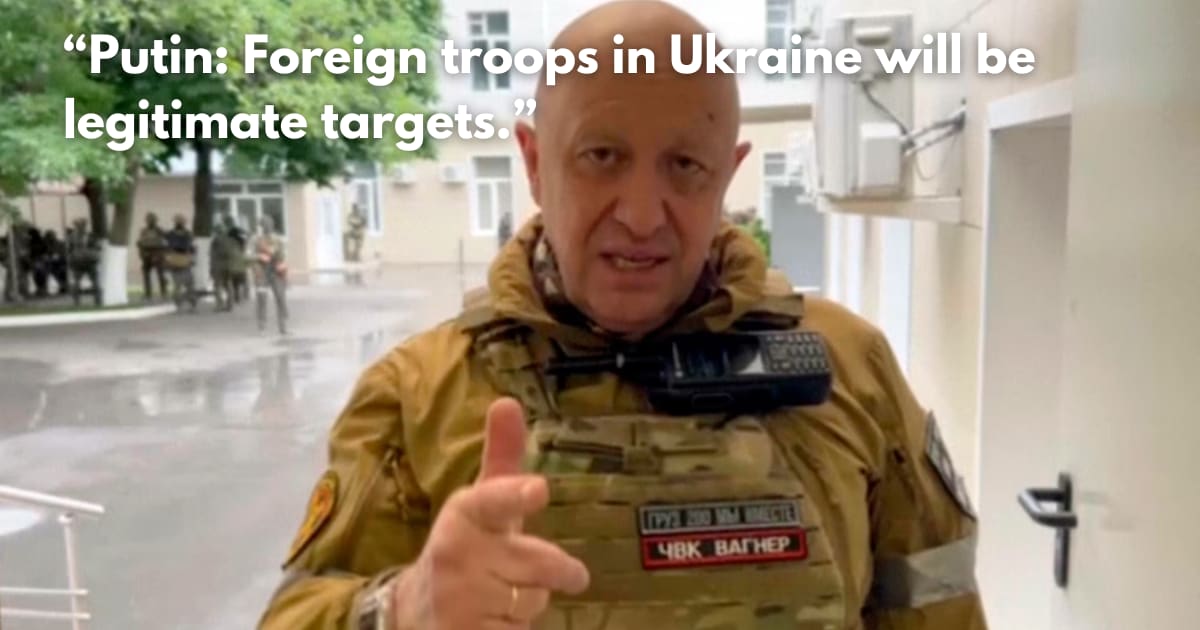
Russian President Vladimir Putin, speaking at an economic meeting in Vladivostok, said he would see foreign troops on Ukrainian soil as targets during the war. “We believe that such forces, if sent now, will be part of our operations,” he said.
AAt the same time, Putin also stated that if a final peace agreement were reached, he did not believe there would be a need for foreign soldiers in Ukraine. His words show that Russia has been against having Western troops near its borders for a long time.
Kremlin spokesperson Dmitry Peskov also explained that North Korean soldiers, who have been helping Russia, are not fighting in Ukraine.
They are still stationed in Russia.
Trump’s Role and Moscow’s Response: A Test of Global Influence
Former U.S. President Donald Trump is back in the spotlight as a key voice in the war discussions. Trump said the U.S. is still working on a plan to provide security for Ukraine that could end the fighting. Surprisingly, the Russian government liked Trump’s approach. Al Jazeera reported that Peskov called Trump’s way of handling diplomacy “constructive”, even calling his realistic, deal-focused attitude “cynical in a positive way”. He compared Trump’s thinking to Europe’s policies, which he said only make the war last longer. “Why fight if you can trade? That is the logic we see in Trump’s thinking,” Peskov said.
He also proposed the possibility of an immediate meeting between Putin and Trump, should Putin deem it necessary. This idea has led to a lot of discussion about whether Trump, if elected president again, could change the course of the war.
Sanctions and Global Pressure: Squeezing Russia on All Fronts
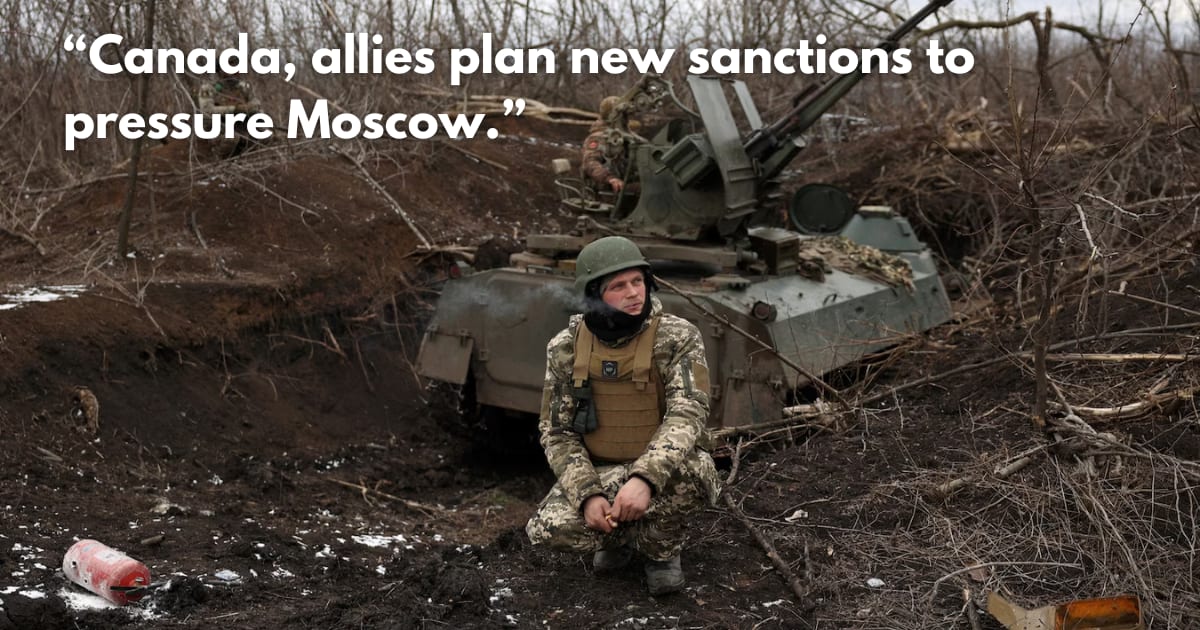
Ukraine's friends are keeping up the pressure on Russia by making it harder for the country's economy to function. Canadian Prime Minister Mark Carney said that new sanctions are being planned to push Moscow into stopping its attacks. These new measures are likely to target Russia's financial systems, technology supplies, and money from selling energy—things that help keep the war going.
Even though these sanctions have hurt Russia's economy, they have also changed how countries trade around the world. Many Asian nations, including India and China, have bought more of Russia's cheaper oil. This improvement has partly made up for the effect that Western sanctions were trying to create.
Russia, China, and Changing Alliances in a New World Order
At the same time, there's been another big story in diplomacy. India's Prime Minister Narendra Modi met with Russia's President Vladimir Putin and China's President Xi Jinping in Tianjin. Their involvement in Xi's summit made the United States very upset.
President Trump tweeted, "Looks like we've lost India and Russia to the deepest, darkest China. M"May they have a long and prosperous future together!" His words show that the West is worried about a new group of powerful countries forming between Moscow, Beijing, and New Delhi.
For India, this move shows its plan to have relationships with many different countries—some in the West and some in the East. For China, it's a chance to increase its influence in the world while the U.S. is busy with the war in Ukraine.
Energy and Europe’s Challenge: Dependence Meets Geopolitics
The energy situation is one of the toughest parts of the war. Russia and China recently approved the Power of Siberia 2 gas pipeline. This big project will make Russia even more dependent on China as a buyer of its gas. However, U.S. Energy Secretary Chris Wright said the deal wouldn't harm American energy companies.
MMeanwhile, Ukraine's President Zelensky defended the attacks on Russian energy infrastructure, despite the fact that these attacks halted gas supplies to neighbouring Slovakia and Hungary. Both of these countries still depend a lot on Russian gas through the Druzhba pipeline, which has caused some problems inside the European Union.
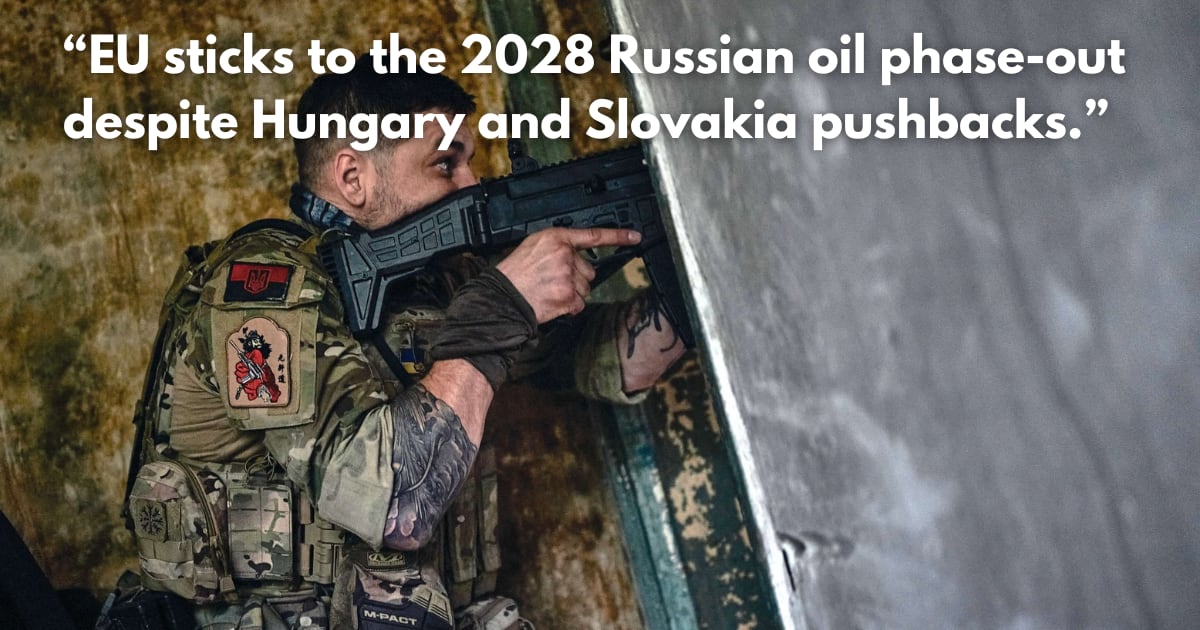
TThe EU has promised to stop purchasing Russian oil by January 2028. DJorgensen, the EU's energy chief, told Reuters that, although Hungary and Slovakia don't agree with the timeline, the EU will proceed with its plan. He stated that consensus is not mandatory, potentially leaving some countries out of the decision.
Balancing their energy needs with EU unity is hard for countries like Slovakia, which have had disagreements with Ukraine over the problems caused by energy disruptions.
What Lies Ahead: The Future of the War and Global Power Balance
The 1,290th day of the war shows that this conflict is more than just about land. It also involves money, energy, and beliefs. For Ukraine, using drones and asking for safety promises shows they are ready to fight and protect their future. For Russia, slowly taking more land and trying to make peace talks show they are using a strategy of wearing down the enemy.
Around the world, the war is changing how countries work together. EEurope is facing energy problems, there are questions about whether Trump could assist in bringing peace, and China is strengthening its ties with Russia. The war is reflecting the division and formation of new groups within global power.
AAccording to BBC News, the war appears unlikely to end soon. EEvery day brings new opportunities for worsening conditions, but there are also small signs that peace may be achievable. One thing is clear: the result of this war will affect not just Eastern Europe, but the whole world for a long time.
Our primary goals at FazTimes Media are to be accurate and confident and adhere to the highest journalistic standards. We check every news story we share against several trustworthy and separate sources to ensure its accuracy.
We have reviewed this report, along with articles from major news outlets worldwide, including BBC News, Reuters, Bloomberg, Al Jazeera, NDTV, The Economic Times, and The Indian Express.
We want to keep the highest standards in global journalism so that our readers can trust the information they acquire.


Discussion0
Join the conversation on this story
Loading comments...