
Himachal Landslides: 3 Dead, 7 Missing Amid Heavy Rains






FazTimes Media, Shimla, September 6 – The mountains of Himachal Pradesh, which are usually peaceful and beautiful, have become a place of fear and destruction once again. Heavy monsoon rains caused major landslides in the Sirmaur district on Saturday, leading to the death of three people and the disappearance of seven others. Many homes and roads were swept away, leaving families broken, infrastructure damaged, and the state in a state of shock.
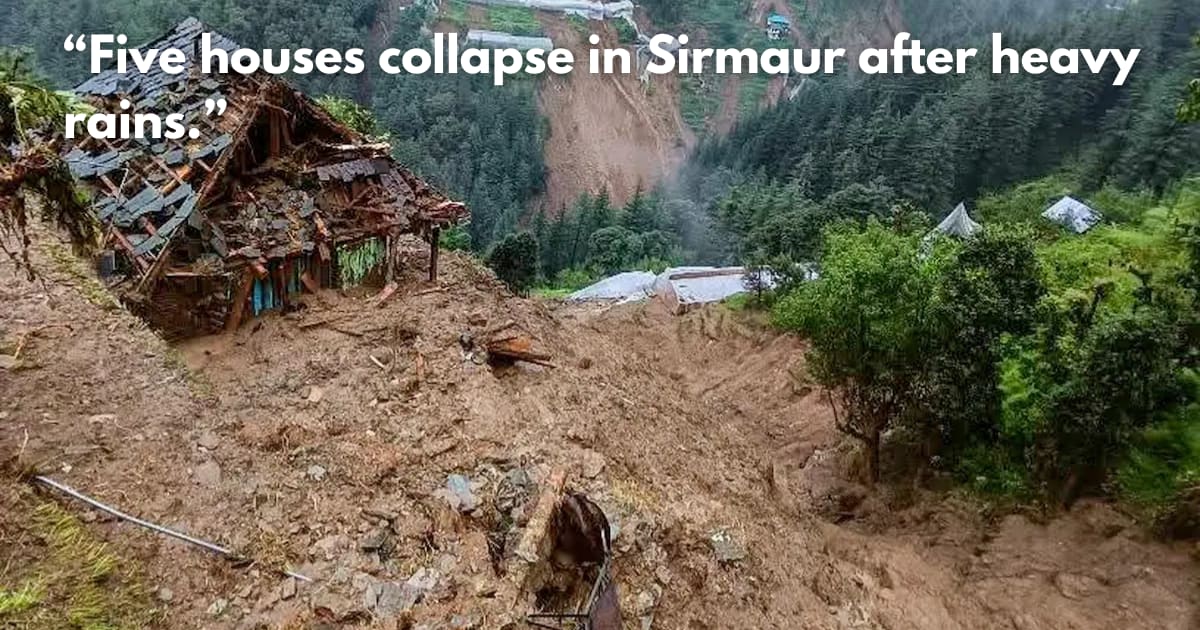
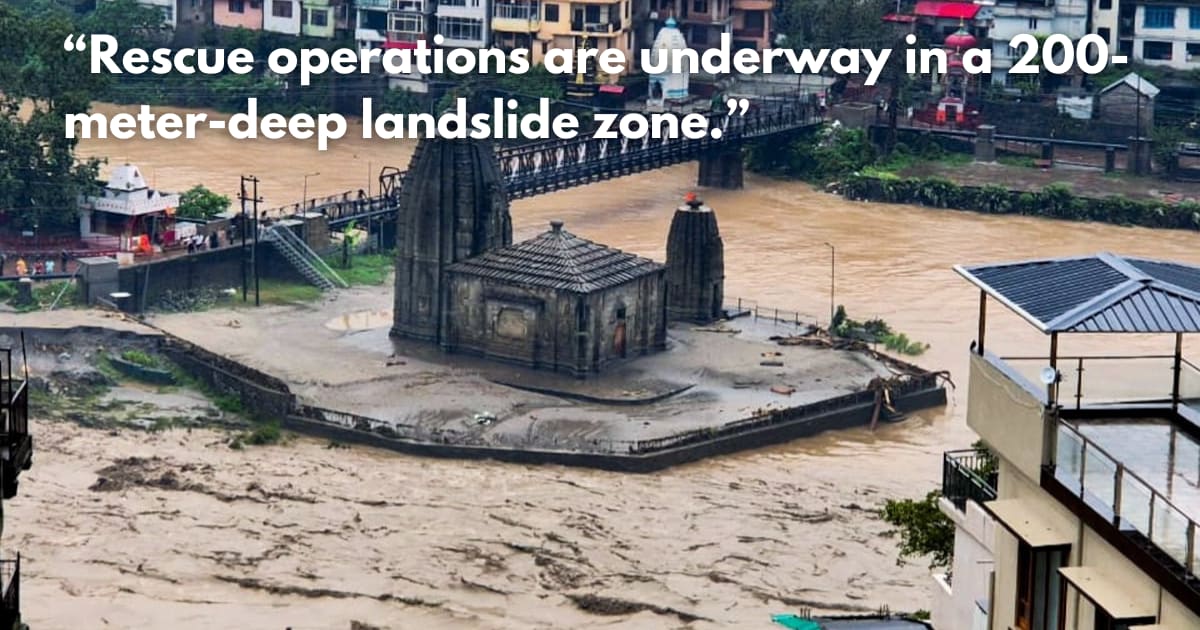
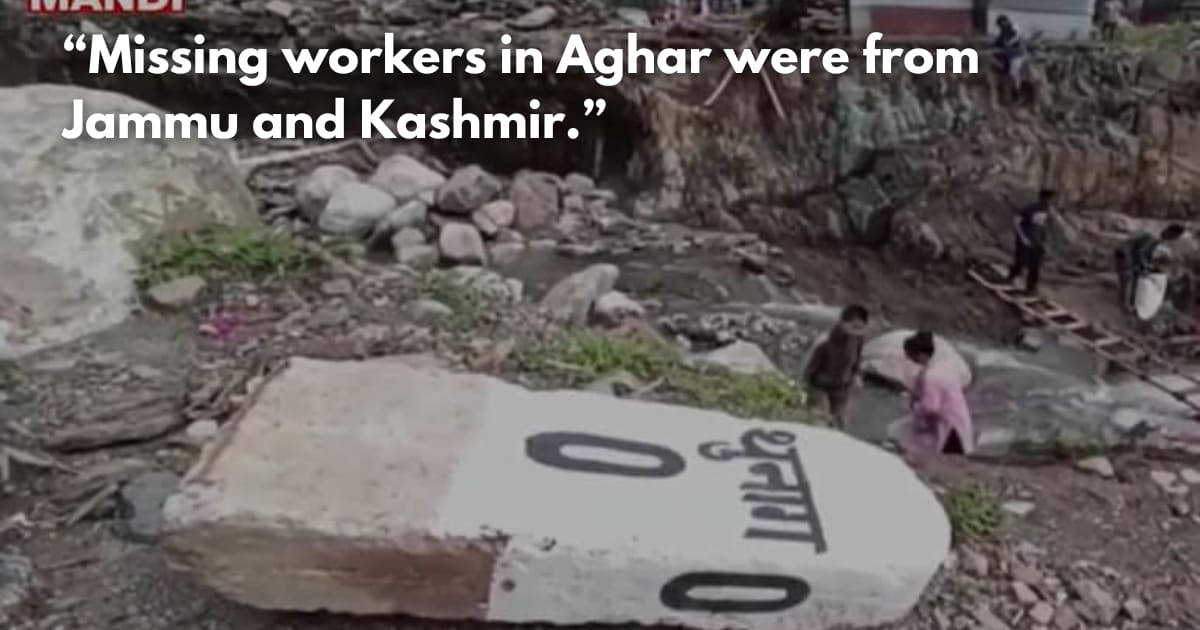
This tragedy is adding to a list of serious weather-related disasters that have hit Himachal Pradesh during this monsoon season, making 2025 one of the worst years in recent times. The disaster happened in Aghar village of Sirmaur, where a landslide, about 200 metres deep, buried five houses under a thick layer of mud and debris. Three bodies have been found, while rescuers are still looking for seven workers from Jammu and Kashmir who are missing.
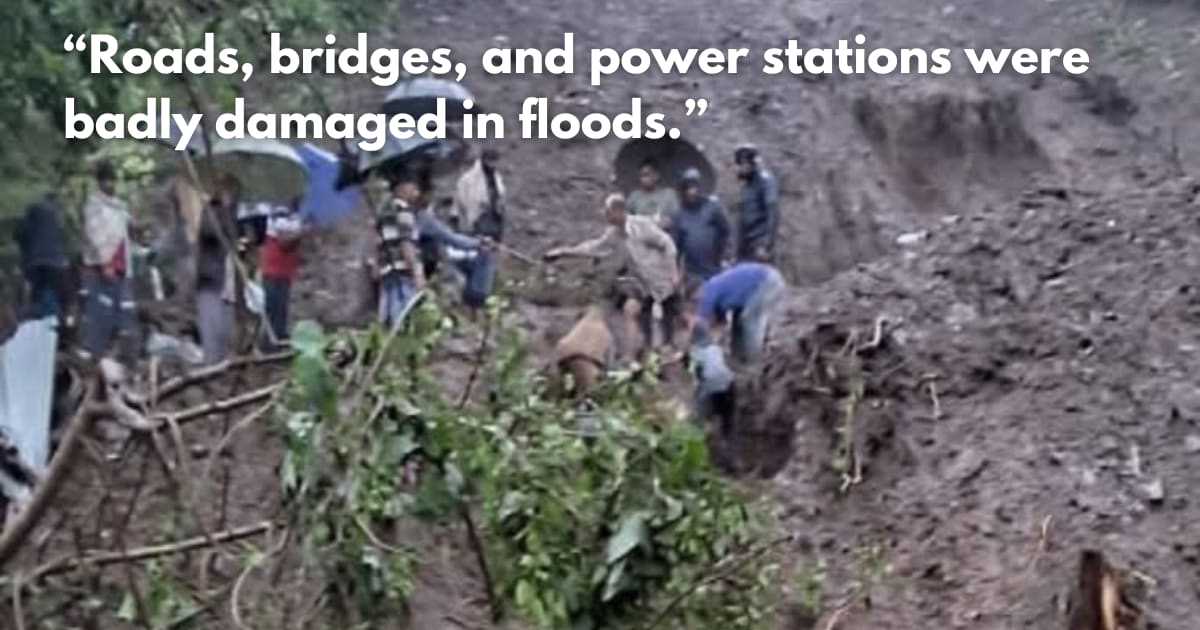
Local authorities arrived at the scene as soon as they got the news. Teams from the National Disaster Response Force (NDRF), State Disaster Response Force (SDRF), and local police are working around the clock to rescue people, even though the rain is still falling and the ground is unstable.
“A lot of risk is involved, but we are doing everything possible to find the missing people,” said a senior NDRF officer at the site. Chief Minister Sukhvinder Singh Sukhu expressed the government's commitment to using all available resources for relief efforts. “We are facing an unprecedented natural disaster. Rescue operations will continue non-stop, and immediate help will be given to the affected families,” he said while speaking to the media in Shimla.
The Chief Minister has already declared Himachal Pradesh a “disaster-affected state” for this monsoon season.
The Bigger Picture: Monsoon’s Wrath and Its Widespread Impact
The weather department has said that heavy to very heavy rain will keep falling in northern India during September. Himachal Pradesh, Uttarakhand, and some areas in Jammu and Kashmir are on high alert for landslides, sudden floods, and cloudbursts.
The State Disaster Management Authority says that more than 300 people have died in Himachal Pradesh this year because of weather-related problems. At least 194 of them lost their lives in landslides, sudden floods, drowning, and lightning strikes. Another 161 people died in road accidents caused by severe weather and broken roads.
The state has already suffered damage worth over 30,000 crores of rupees. The damage to roads, bridges, power lines, and water supply systems has been severe. BBC News reports that more frequent cloudbursts and landslides in the Himalayas have worried climate experts. They warn that fragile mountain areas can’t handle such heavy rain anymore.
The Human Cost: Families Devastated and Lives Uprooted
For the villagers in Aghar, the tragedy is not just about numbers—it’s about lives being completely changed in an instant. A survivor informed, "We heard a loud sound akin to thunder, and within seconds, mud and stones descended." Our houses shook, and everything was gone. Families of missing workers from Jammu and Kashmir have reached the area, waiting with anxious hope as search efforts continue.
A Pattern of Destruction: Floods and Landslides Becoming the Normal
The repeated disasters show how climate change, cutting down forests, and uncontrolled construction are making the state more vulnerable. Environmentalists assert that Himachal Pradesh has reached a critical threshold. Al Jazeera reports that experts say rapid city growth, road building, and hydropower projects in sensitive areas have made the soil unstable, increasing landslide risks.
“Nature is sending a warning. If we keep blasting mountains and not pay attention to ecological limits, disasters will only get worse,” said Dr Meera Thakur, an environmental scientist in Solan.
Economic Setback: Agriculture, Infrastructure, and Livelihoods Hit Hard
The damage goes beyond homes and people's lives. Tourism, which is crucial for Himachal Pradesh's economy, has taken a big hit. Many tourists have cancelled their trips because of blocked roads and worries about safety. Hotel owners in Shimla and Manali say they are losing millions of rupees.
Agriculture is also suffering. Apple farms in Kinnaur and Shimla, which were already struggling with unpredictable weather, have lost crops. Flooding and broken irrigation systems are making things even harder for farmers.
The impact on transportation has also been significant. The Public Works Department estimates that repairing the damaged roads and bridges will require hundreds of millions of rupees.
Government’s Relief Measures: Aid, Compensation, and Rehabilitation Plans
The state government has promised ₹4 lakh to the families of those who died, and injured people will get free medical care in government hospitals. They are also setting up funds to help rebuild the homes that were damaged.
They have requested assistance from the central government. Union Home Minister Amit Shah shared his sympathy and said the government will support rescue and relief efforts. But some people say giving money isn't enough to resolve the problem. “Every year, lives are lost. We need a long-term plan—better disaster preparedness, strict building rules, and stronger early warning systems,” said Rohit Negi, a social worker in Kinnaur.
The Climate Change Connection: How Extreme Weather Fuels Disasters
The frequent extreme weather events in Himachal Pradesh are part of a bigger global trend. While we cannot stop heavy rains, we can reduce risks with better planning, according to experts. Moving people away from danger, stopping construction in risky areas, and building stronger infrastructure are some of the solutions suggested.
A Wake-Up Call: Preparing India for Future Monsoon Disasters
This year's monsoon has been devastating for the people of Himachal Pradesh. Over 300 deaths, huge financial losses, and broken families — the numbers tell a sad story. Unless we take steps to balance development with protecting the environment, tragedies like the one in Sirmaur may happen more often.
Our primary goals at FazTimes Media are to be accurate and confident and adhere to the highest journalistic standards. We check every news story we share against several trustworthy and separate sources to ensure its accuracy.
We have reviewed this report, along with articles from major news outlets worldwide, including BBC News, Reuters, Bloomberg, Al Jazeera, NDTV, The Economic Times, and The Indian Express.
We want to keep the highest standards in global journalism so that our readers can trust the information they acquire.


Discussion0
Join the conversation on this story
Loading comments...