
Supreme Court Backs Trump's Immigration Raids in LA



FazTimes Media, Washington/Los Angeles – Sept 8: The U.S. Supreme Court has once again supported President Donald Trump’s strict immigration approach, allowing federal agents to carry out large-scale raids in Southern California. This decision has caused a lot of debate, made political differences even bigger, and made immigrant communities worried about what might happen next.
The court’s conservative majority approved the administration’s request to stop a previous ruling from a California judge. That judge had temporarily stopped federal agents from stopping or detaining people just because of their race, language, or ethnicity. Critics say this decision lets them use unfair tactics that mostly affect Latinos and immigrants of colour.
A Divided Court: Judges Split on Key Legal Questions
The decision came in a brief order without much explanation, showing how split the Supreme Court is on this issue. The 6–3 conservative majority let the raids continue, while the three liberal justices strongly disagreed.
Justice Sonia Sotomayor has harshly criticised the administration's actions. She said the government’s actions basically say that all Latinos, whether they are citizens or not, who work low-paying jobs can be taken at any time. Her dissent said the ruling hurts basic rights, especially the Fourth Amendment, which protects people from unreasonable searches and seizures.
She wrote, "I dissent rather than idly watching our constitutional freedoms disappear." According to BBC News, the court’s use of emergency rules without full hearings has upset legal experts and lower courts. They say these decisions lack transparency and clear direction.
The Background: How a Clash of Courts Sparked the Dispute
The case started with a July 11 order by U.S. District Judge Maame Frimpong in Los Angeles. She ruled that the government’s immigration sweeps probably broke constitutional rights. Her court order limited federal officers from stopping people based only on race, accent, or where they work.
The Trump administration quickly appealed that decision, saying the restrictions hurt law enforcement’s power. The 9th U.S. Circuit Court of Appeals supported Judge Frimpong’s ruling in early August. But the administration took the case to the Supreme Court, which has now undone that temporary victory for immigrant advocates.
What the Trump Administration Says: Official Justifications and Defenses
The Justice Department supported the raids, saying that law enforcement agents need to use “reasonably broad profiles” in areas like Southern California, where they think about 10% of people are undocumented immigrants.
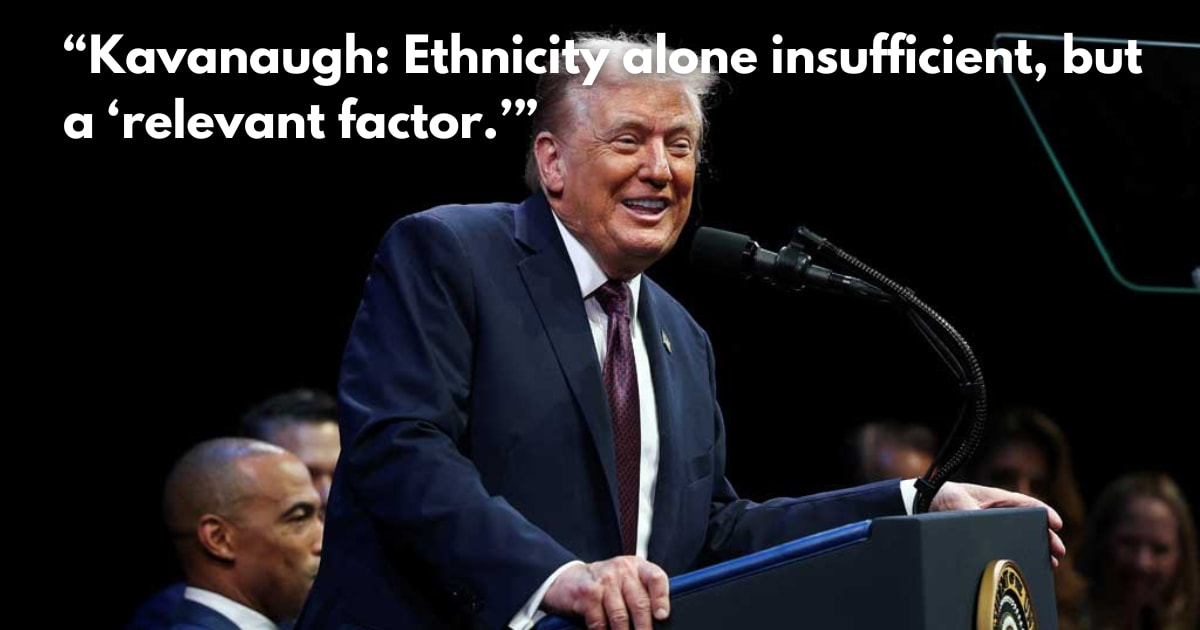
Justice Brett Kavanaugh, who agreed with the court’s decision, said that while race alone isn’t enough to be suspicious, it can be a “relevant factor” when other things are also considered. He said if officers find out someone is a U.S. citizen or here legally, they are “quickly let go”.
People who support the administration believe this decision helps federal officers do their jobs better. Al Jazeera reported that Trump has often talked about doing “record-level deportations” during his second term, so this ruling is both a political and legal win for him.
Fear on the Ground: Communities Caught in Uncertainty
For many immigrant families in Los Angeles and nearby areas, the Supreme Court’s ruling has made things worse. Agents wearing masks and carrying guns during daytime raids have made some people feel like they’re in “terror”.
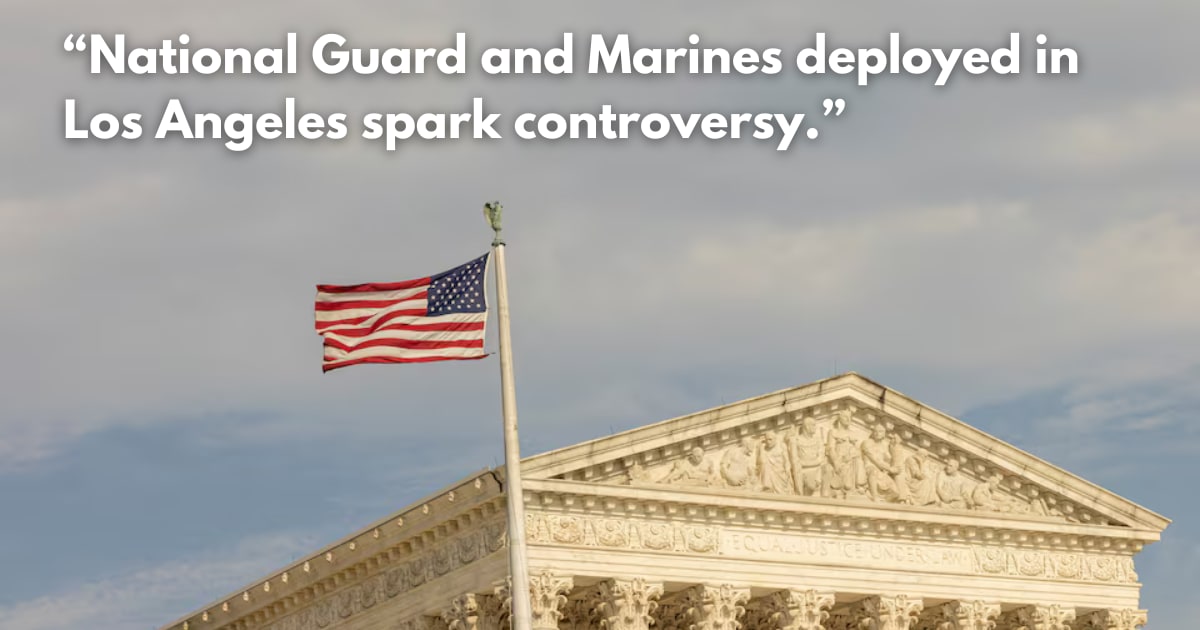
Community groups say people are worried about going to work, sending kids to school, or even leaving their homes for everyday tasks. The arrival of National Guard troops and U.S. Marines—sent by Trump earlier this summer to help with immigration raids—has made things even more tense.
Governor Gavin Newsom, a Democrat, criticised the federal action, calling it “illegal, unnecessary, and an abuse of power.” Local leaders say using the military for immigration enforcement mixes up regular police work with military operations, something that’s not common in the U.S.
Legal Challenges Continue: Appeals, Delays, and Ongoing Battles
The raids have also led to lawsuits. In July, a group of Latino people, including U.S. citizens, started a proposed class-action case in a federal court in Los Angeles. They claimed agents did "roving patrols" that were like "brave midday kidnappings", targeting people just because of their skin colour or the language they spoke.
Jason Gavidia, a participant in the lawsuit, claimed that agents attacked him, mistaking him for a U.S. citizen. According to reports, the agents questioned him about his birthplace and hospital affiliation.
The lawsuit says these actions are racial profiling and break important constitutional rights. A judge had previously issued a restraining order as part of this case, but the Supreme Court’s decision has changed how the case is moving forward.
The Bigger Picture: National Impact of the Courtroom Standoff
This isn't the first time the Supreme Court has backed Trump on immigration issues. In the last year, the Court has allowed his team to send migrants back to countries they never lived in before and to stop protections for some migrants who were given legal status for humanitarian reasons.
For those who fight for immigrants' rights, the pattern is clear: the top court in the U.S. has kept supporting Trump's strict approach to immigration. BBC News reported that critics worry this might make it normal for the Supreme Court to approve controversial policies through emergency rulings without full legal review.
Political Stakes: What Both Parties Stand to Gain or Lose
Immigration has always been a big part of Trump's political image. His recent campaign focused a lot on promises of large-scale deportations, tighter border controls, and more power for federal officers. The new raids in Los Angeles are part of this plan. Stephen Miller, a key advisor to Trump who shapes his immigration policies, has pushed agencies to conduct 3,000 arrests every day.
Some people support this move as keeping promises and restoring order. According to others, it violates human rights and aims to intimidate Latino communities.
Local Voices: Citizens, Activists, and Stakeholders Speak Out
Churches, community centres, and nonprofit organisations are helping people get legal help and safe places if they're in danger. Volunteers are handing out leaflets telling people about their rights when they meet with federal agents.
One activist: “This isn’t just about immigration anymore. It’s about whether everyone, no matter their skin colour or accent, has equal rights under the Constitution.”
Looking Ahead: Possible Outcomes and What Comes Next
Although the Supreme Court's decision gives Trump the power to keep up the raids, the legal battles are not over. Civil rights groups are likely to continue their cases, hoping that future courts will set stronger rules for how federal agencies enforce immigration laws.
Our primary goals at FazTimes Media are to be accurate and confident and adhere to the highest journalistic standards. We check every news story we share against several trustworthy and separate sources to ensure its accuracy.
We have reviewed this report, along with articles from major news outlets worldwide, including BBC News, Reuters, Bloomberg, Al Jazeera, NDTV, The Economic Times, and The Indian Express.
We want to keep the highest standards in global journalism so that our readers can trust the information they acquire.


Discussion0
Join the conversation on this story
Loading comments...