
Over 1,800 Hollywood Artists Boycott Israeli Film Institutions
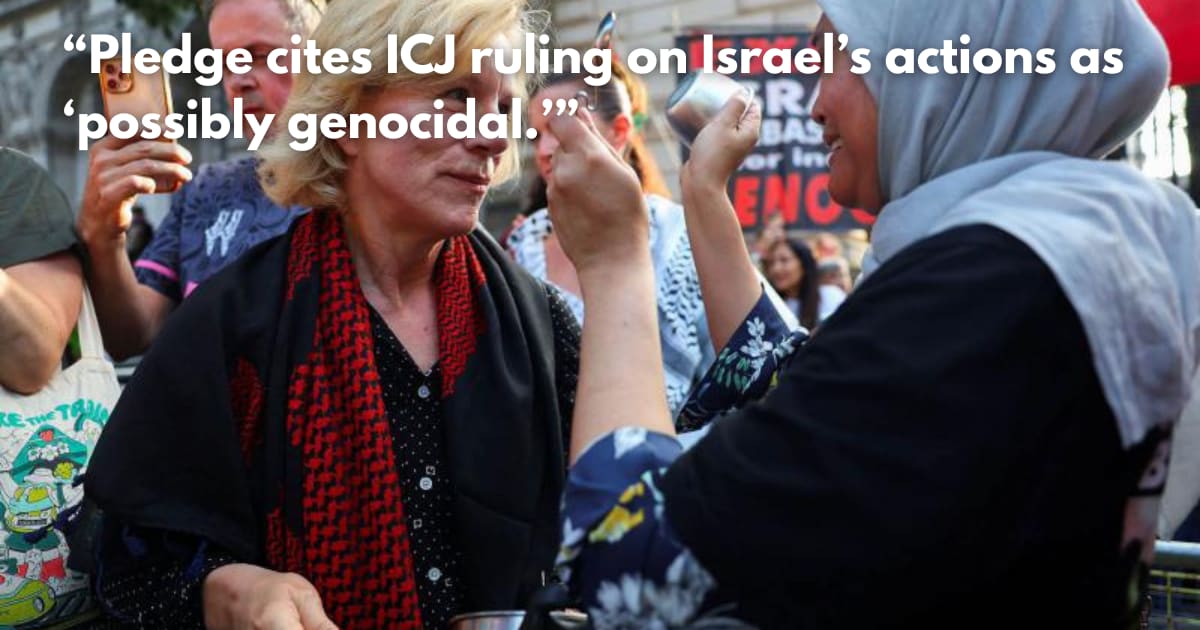


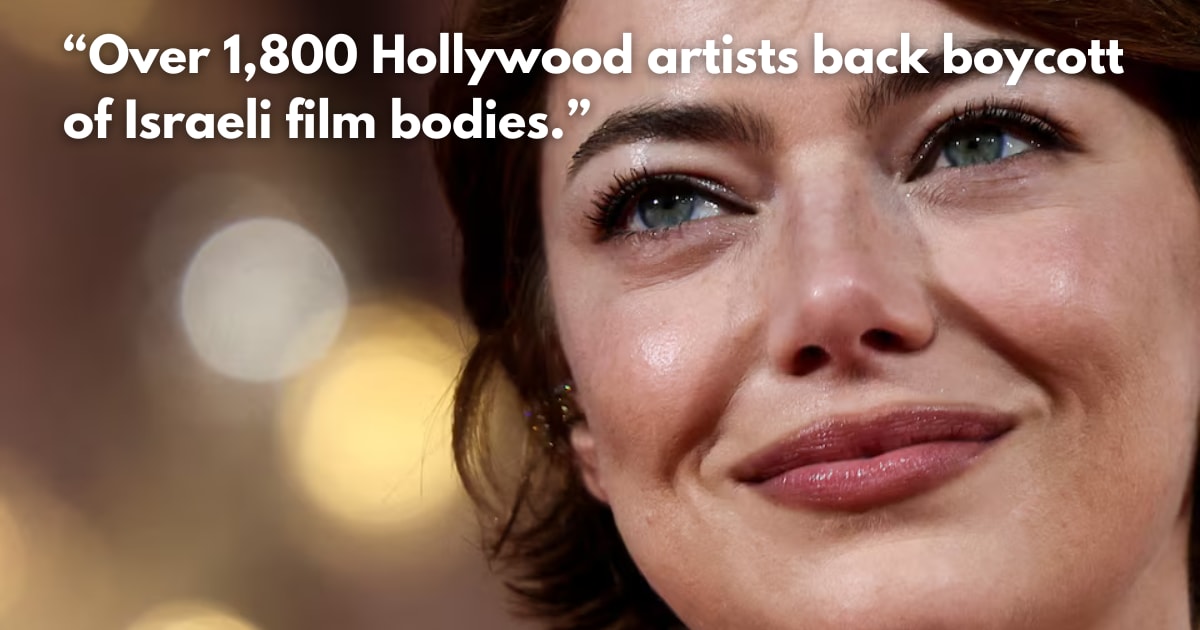
FazTimes Media, Los Angeles/New Delhi – In a strong expression of support for the Palestinian people, more than 1,800 Hollywood actors, filmmakers, and industry workers have promised to stop working with Israeli film organisations. This decision was announced through a campaign called Film Workers for Palestine, and it has added new energy to the ongoing global cultural boycott of Israel because of its military actions in Gaza.
Jewish Voices Add Weight
The pledge has also received support from Jewish actors and filmmakers, showing that opposing Israel’s actions is not about being anti-Semitic but about demanding justice.
Hannah Einbinder, a Jewish-American actress, said:
"As a Jewish American citizen whose tax money directly supports Israel’s attack on Gaza, I believe we must do everything possible to end the genocide. At this crucial moment, with our leaders failing, artists have to take a stand and refuse to be complicit."
Every hospital in Gaza has been either destroyed or rendered non-functional, and aid restrictions have caused widespread hunger and disease, with a significant rise in starvation-related deaths. Aid groups have condemned this as deliberate attempts to deny aid access, which amounts to an act of deprivation and cultural complicity, according to the Film Workers for Palestine campaign, which argues that cultural institutions in Israel are considered complicit in dehumanising actions and attempts to justify or “whitewash” crimes.
Artists and media professionals have historically been involved in cultural boycotts, such as during South Africa’s apartheid era, when creators like filmmakers and writers supported by global institutions rejected work with state-sponsored projects, applying international pressure and public support.
The current movement has significant international support and adherence to being ethical and responsible in the film industry. International institutions fund and support Palestinian filmmakers, aligning with these movements.
An echo of the Palestinian struggle is seen in film resistance through global cultural boycotts, and refusing to support institutions linked to Israel is ensured by global cultural unions. For instance, people consider the Palestine-based movements to be promoting anti-colonial and anti-war values.
Global film communities have faced challenges due to varying stances, especially within Hollywood. Supporting Jewish causes is common in the media, with many stars like Gal Gadot ensuring career success, while others like Melissa Barrera, Susan Sarandon, and Rachel Zegler faced backlash or even lost jobs for expressing support for Palestinians, but also achieved their success through the media. Artists in the media industry have been actively involved in revolutionising historical stances with general goals like peace, justice, and equal representation across the industry.
Several films highlighting Palestinian and global media profiles have been winning global recognition. For example, the documentary "No Other Land", which focuses on the destruction of Masafer Yatta, won an Oscar and gained recognition for promoting anti-colonial and anti-war values. “The Voice of Hind Rajab” received a standing ovation at the Venice Film Festival, largely because of the personal stories and international recognition for some stories that mirror global media and ensured films reached global audiences despite attempts to suppress them.
The Israeli Film and Television Producers Association released a statement rejecting the boycott, highlighting the role of Israeli creators in presenting diverse perspectives, including Palestinian narratives, and criticising state policies.
“For decades, Israeli artists, creators, and storytellers have been the primary voices that allow audiences to comprehend the full scope of the conflict, including Palestinian narratives and expressions of criticism towards Israeli state actions,” the group said.
However, the Film Workers for Palestine countered this, emphasising that most Israeli institutions have not officially supported the rights of Palestinians or opposed occupation and apartheid policies.
A Divided Global Response: Nations Split on the Issue
The boycott has sparked heated global discussions. Supporters view it as an essential form of solidarity and non-violent resistance, while critics believe it unfairly targets Israel.
A Broader Movement: From Local Voices to Global Action
The Hollywood boycott is part of the broader Boycott, Divestment, and Sanctions (BDS) campaign, in which the movement urges the withdrawal of support from institutions and individuals that don’t comply with international law, prioritising the recognition of Palestinian rights.
From academic and cultural boycotts to divestment and the use of influence by celebrities, the movement has grown significantly over the last decade, despite significant opposition from Israel and its allies. The action has helped the BDS movement, particularly in culture and cinematography, which support Palestinian rights and oppose Israeli policies for compliance with international law, human rights, and alignment with international norms and awareness.
A Moral Stand: Principles Over Politics
Support has increased in response to specific targets and narratives that highlight the advocates of the boycott, which include Palestinian and Israeli cultural engagement, as well as a focus on awareness, human rights, justice, and the promotion of cultural and global unity.
One Palestinian filmmaker encapsulated the spirit of the campaign with a statement:
“Every bomb dropped on Gaza destroys not only lives but also stories, dreams, and futures. If artists do not speak out, then art no longer holds its soul.”
Concentrate on the coverage, specific actions, core disbeliefs, major goals, emerging issues, efforts made, and key points of support.
Our primary goals at FazTimes Media are to be accurate and confident and adhere to the highest journalistic standards. We check every news story we share against several trustworthy and separate sources to ensure its accuracy.
We have reviewed this report, along with articles from major news outlets worldwide, including BBC News, Reuters, Bloomberg, Al Jazeera, NDTV, The Economic Times, and The Indian Express.
We want to keep the highest standards in global journalism so that our readers can trust the information they acquire.


Discussion0
Join the conversation on this story
Loading comments...