
NASA Rover Finds 'Strongest Hint Yet' of Ancient Life on Mars



FazTimes Media, Cape Canaveral, US: NASA’s Perseverance rover has once again sparked excitement about the possibility of finding life beyond Earth. Since 2021, the rover has been exploring Mars and has now found a group of rocks in an old riverbed. Scientists believe these rocks might contain clues about tiny life forms that existed billions of years ago. While this finding isn’t proof of life, it’s a big step forward in our search for answers to a question that has puzzled humans for a long time: Are we the only life in the universe?
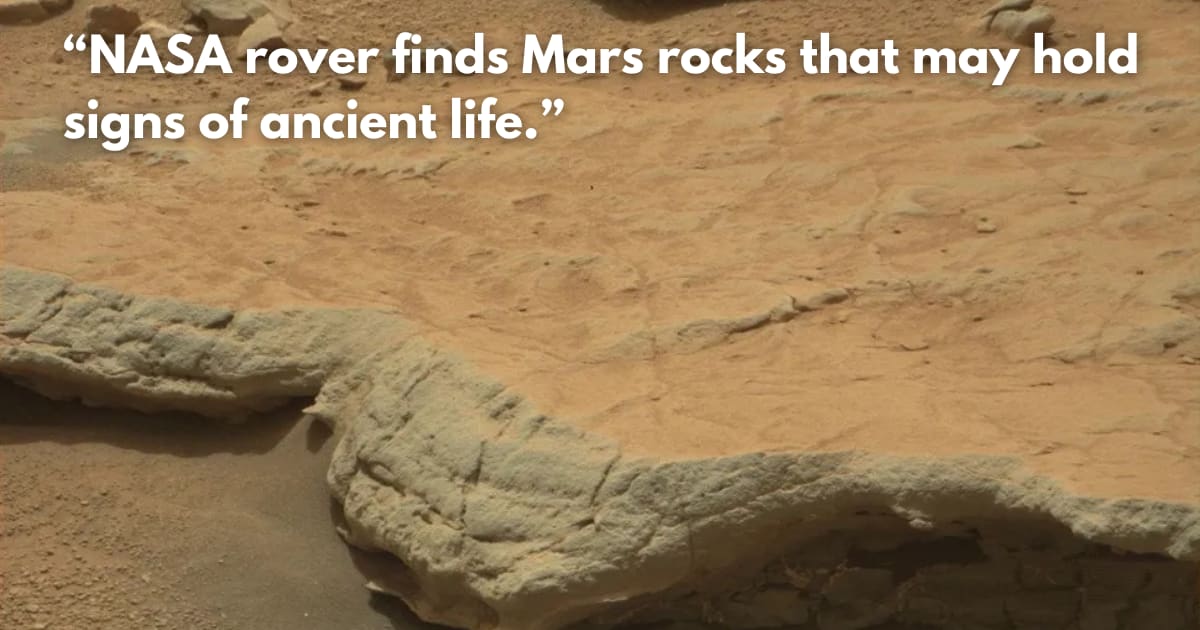
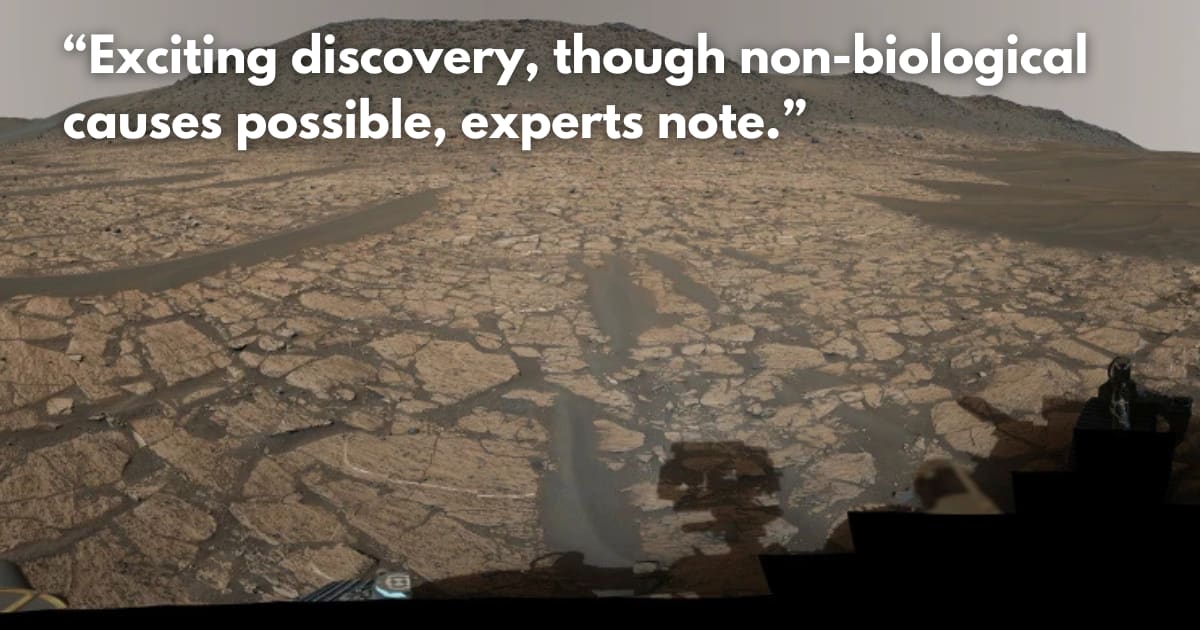
This discovery was made in a dry river channel inside the Jezero Crater. This area was picked because it shows signs of having had water in the past. NASA scientists say the rover drilled into layers of rock that likely formed in flowing water, which could have been a beneficial environment for life.
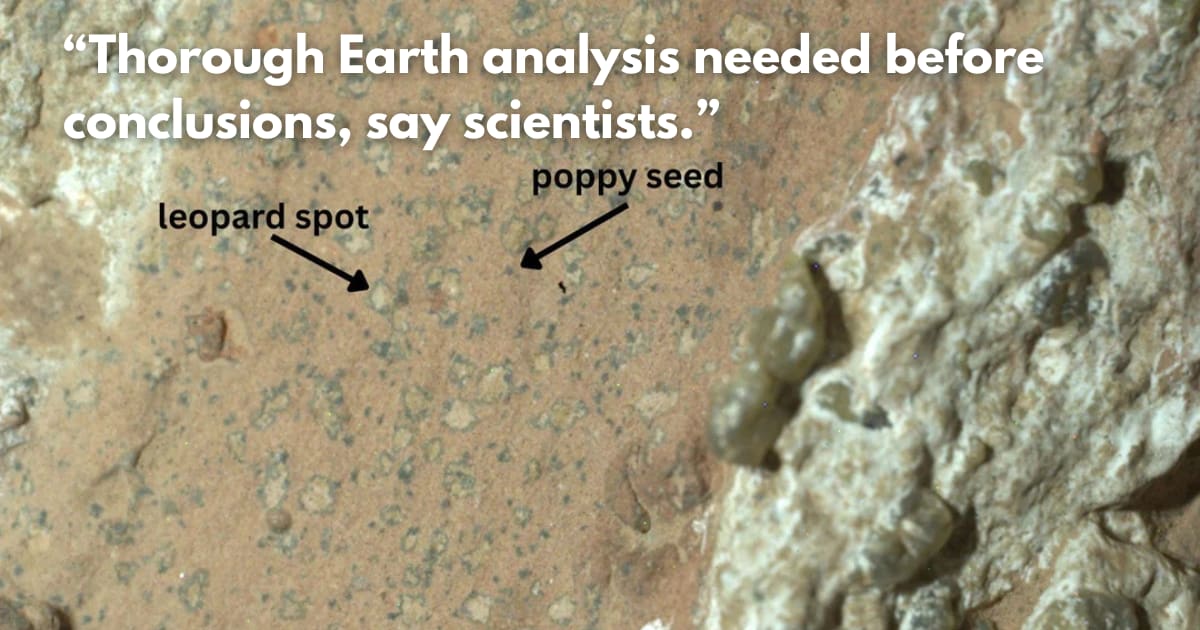
Joel Hurowitz, a researcher from Stony Brook University, told The Associated Press: “One possibility for these features is that they were made by microscopic life. But other natural, non-living processes could explain what we’re seeing.”
In simple terms, ancient microbes might have left behind chemical and physical clues in the rocks. However, we can’t draw a definite conclusion until we bring these rock samples to Earth for detailed lab tests.
Why These Rocks Matter: Clues to Space History
Mars has always been of interest to scientists because it once had rivers, lakes, and maybe even an ocean. The Jezero Crater was chosen because it was once a river delta, a place on Earth where evidence of life is often found.
The rocks collected here have fine-grained minerals, which are excellent at trapping and keeping organic matter safe. On Earth, such sediments are known for preserving the remains of tiny organisms. As reported by BBC News, the rover’s discovery supports the idea that Mars had the right conditions to support microbial life billions of years ago.
The Challenge: Bringing Samples Safely to Earth
Returning Martian samples to Earth is one of the biggest projects in space exploration history. The original plan involved sending multiple spacecraft: one to pick up the samples from Perseverance, another to take them into orbit, and a third to fly them back to Earth.
But delays and rising costs have made this plan difficult to follow. NASA is now looking for cheaper and faster ways to make the mission work within the next ten years. Until then, the samples will stay safely stored inside Perseverance, waiting for a solution that works.
Scientists Excited but Cautious: What’s at Stake
That is why NASA says only by studying the rocks in advanced laboratories on Earth can scientists be sure about their origin.
The Road Ahead: Next Steps in the Mission
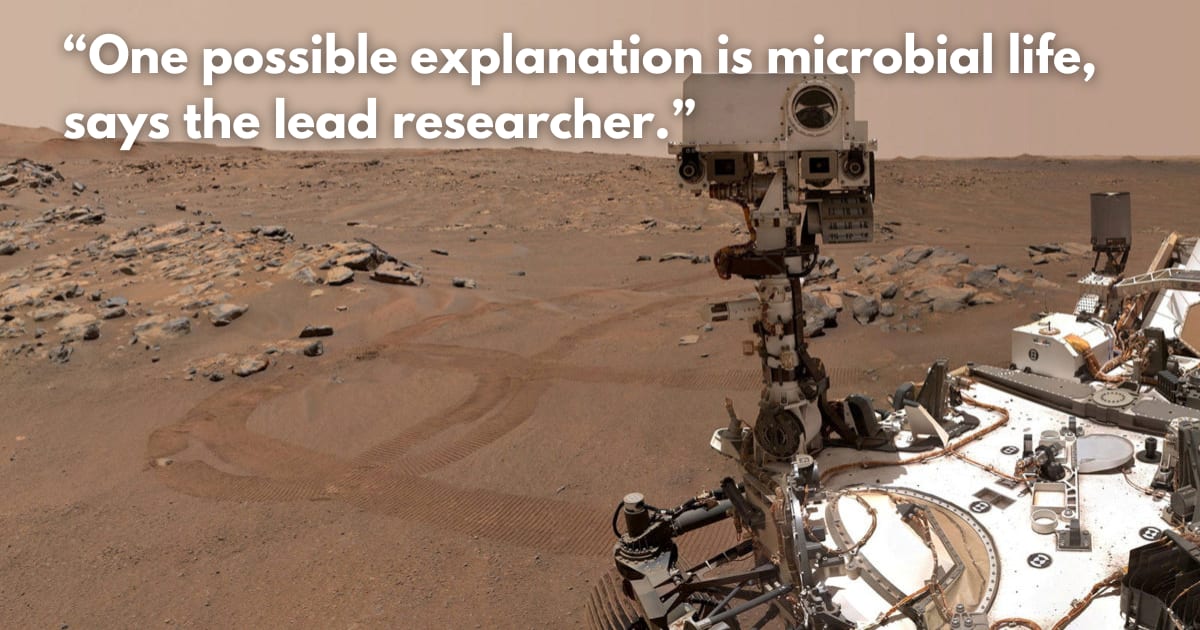
For now, Perseverance is still exploring Jezero Crater, collecting rock samples, and taking pictures of the Martian landscape. At the same time, other countries are also studying Mars. China has sent the Tianwen-1 mission, and the United Arab Emirates has the Hope probe.
A Historic Moment in the Making: Science at Its Peak
Now, the new rocks it has collected could help answer one of humanity's oldest questions. Are we truly alone, or did life once flourish in our neighbouring worlds?
As Joel Hurowitz said, “This is an exciting discovery. But it is only the beginning. To truly know, we need to bring these samples home.”
Our primary goals at FazTimes Media are to be accurate and confident and adhere to the highest journalistic standards. We check every news story we share against several trustworthy and separate sources to ensure its accuracy.
We have reviewed this report, along with articles from major news outlets worldwide, including BBC News, Reuters, Bloomberg, Al Jazeera, NDTV, The Economic Times, and The Indian Express.
We want to keep the highest standards in global journalism so that our readers can trust the information they acquire.


Discussion0
Join the conversation on this story
Loading comments...