
Former Nepal PM's Wife Injured in Protesters' Arson Attack




FazTimes Media, Kathmandu: Nepal is going through one of its most chaotic times in recent years as protests led by the country's youth have turned into serious violence. The unrest started with the government banning social media and has now grown into large protests against corruption, unfair treatment, and the rich lifestyles of political leaders.
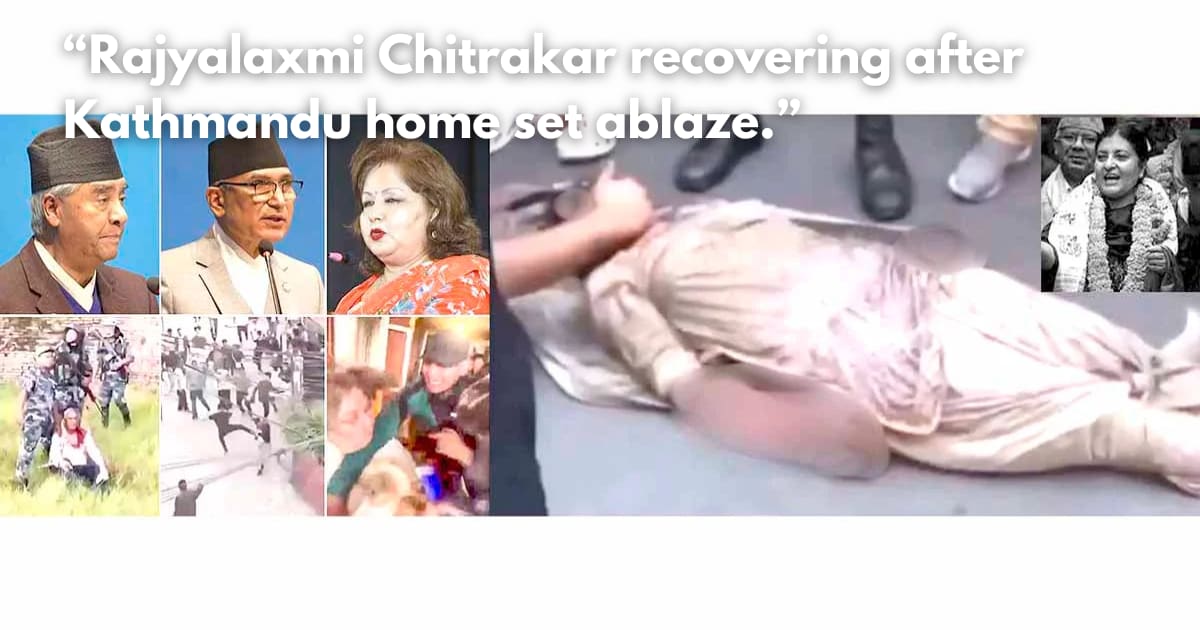
During the protests, a shocking event happened when protesters attacked the home of former Prime Minister Jhalanath Khanal in Kathmandu’s Dallu area. His wife, Rajyalaxmi Chitrakar, was badly burnt in the attack. Some people believed she had died; however, doctors at Kirtipur Burn Hospital report that she is still alive and receiving treatment.
How the Situation Started: Sparks of Unrest
The problems began when the government, led by Prime Minister KP Sharma Oli, suddenly banned social media sites. Officials said it was to stop “false information” and “social problems”. But for many young people, especially those from Generation Z who are used to the internet, the ban felt like a way to limit free speech.
Soon after the ban, protests began. However, the situation shifted when the police attempted to quell the protests through the use of force.
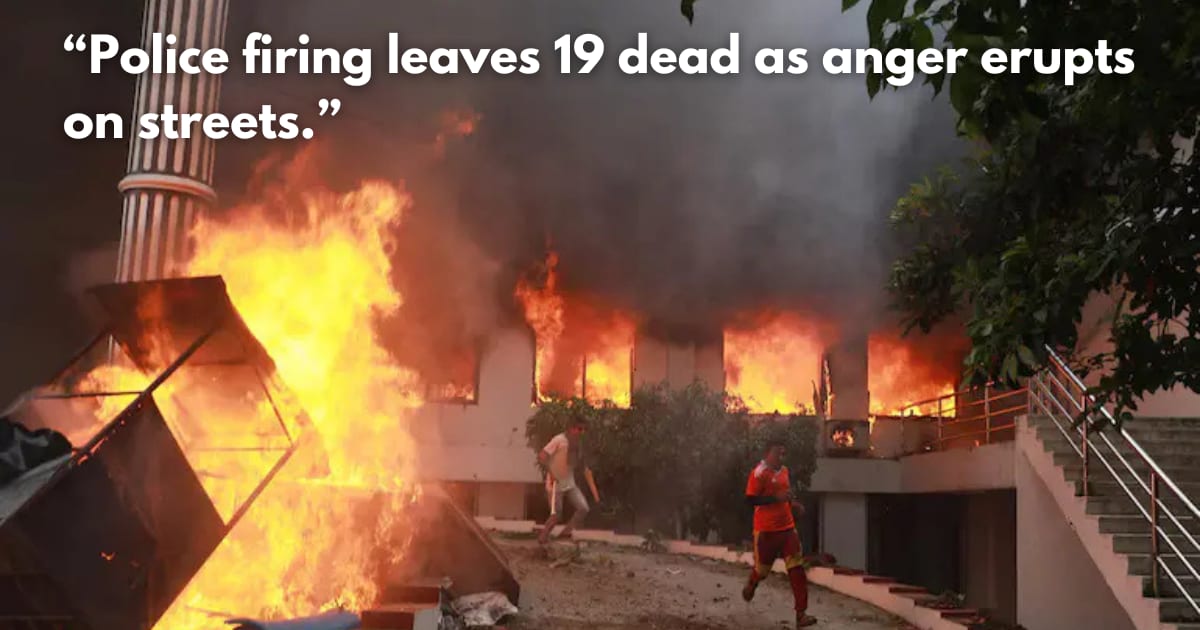
As security forces and protesters fought, public anger grew. Reports say 19 people were killed in the clashes, which made people even more upset and led to more violence on the streets.
The End of the Oli Government: A Political Turning Point
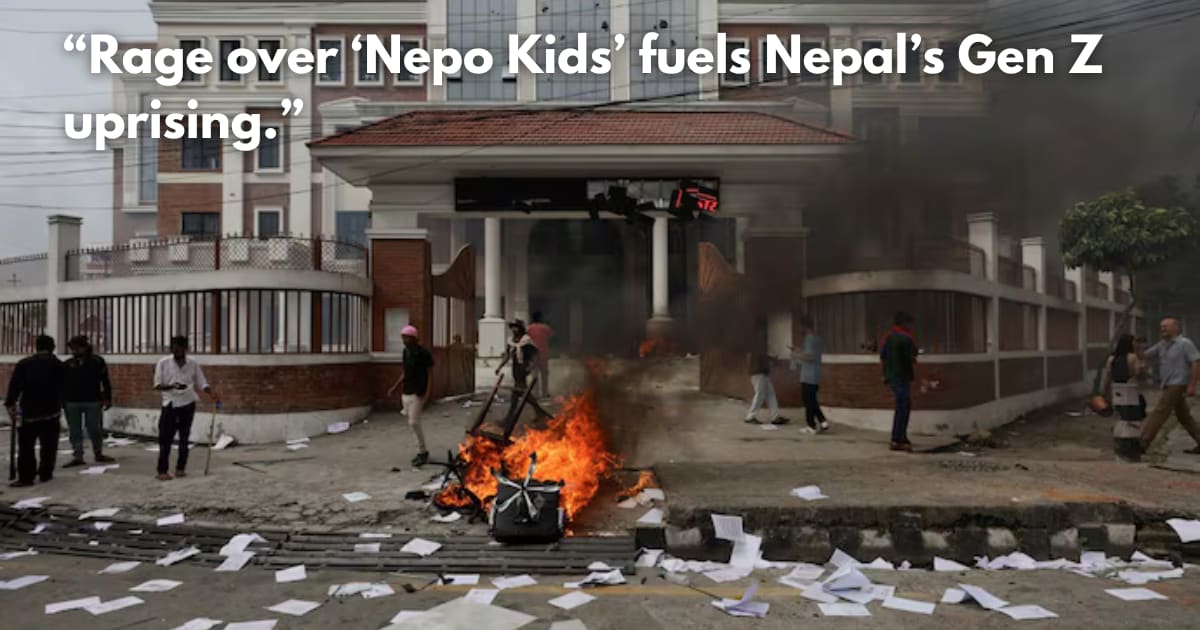
Facing growing unrest, Prime Minister KP Sharma Oli resigned on Tuesday, saying he couldn’t control the situation anymore. But his resignation didn’t bring peace. According to BBC News, angry crowds attacked places that showed power and wealth. Protesters burnt down homes of top officials, attacked government buildings, and even broke into the Nepalese Parliament. The disorder was so bad that army helicopters were used to take officials to safety, and Kathmandu’s airport was closed temporarily to stop things from getting worse.
Brutal Scenes on the Streets: Violence Grips Nepal
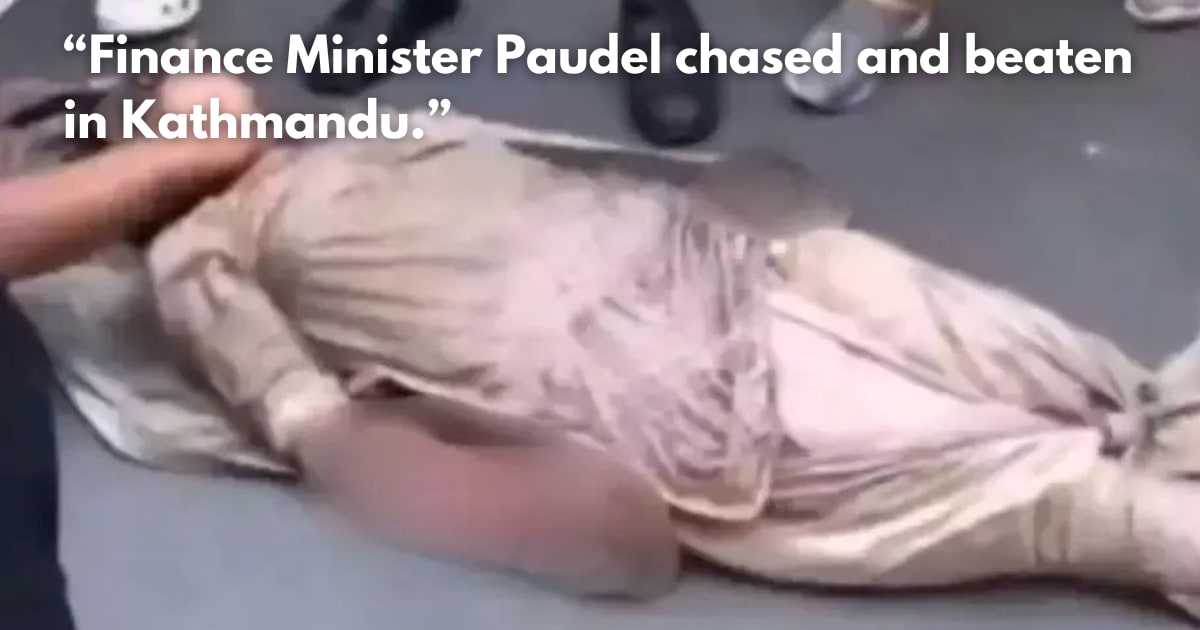
In a disturbing incident, angry protesters reportedly chased 65-year-old Finance Minister Bishnu Prasad Paudel through the capital. Witnesses told NDTV that the demonstrators beat and kicked him as he tried to run away. The pictures of ministers running for their lives show how the gap between Nepal’s political leaders and young people is getting bigger. For many protesters, the violence shows how frustrated they are with leaders they think have not given them jobs, opportunities, or fairness.
Why Generation Z Is Angry: Voices of a Frustrated Youth
Although the direct cause was the social media ban, experts say the real reasons for the protests are deeper.
Youth in Nepal have been upset for a long time about not having enough jobs, the bad government, and widespread corruption. Their anger has gotten worse because of the rise of so-called “Nepo Kids”—children of leaders who get lucrative jobs, go to foreign schools, and live comfortably, while ordinary graduates can't find work.
Political analyst Madhav Shrestha says, "Social media was just the matchstick." The real issue is anger over unfairness and corruption. Young people feel let down by a system that helps a few families but isn't concerned about most people.
A Nation on the Edge: Nepal at a Crossroads
The protests have put Nepal in a very unstable situation. Daily life in the capital has stopped, with roads blocked, shops closed, and public transport stopped. Hospitals are full of people hurt in fights, and there’s not enough food and fuel because of the chaos.
According to The Kathmandu Post, groups have burnt government cars, damaged office buildings, and taken things from stores. Security forces are out in large numbers, but their strict actions have often made things worse instead of helping.
With no clear leader showing up from the protest movement, it’s unclear how long the trouble will continue or what will come from it.
International Response: The World Reacts to Nepal’s Crisis
Western countries have also given advice to their citizens in Nepal, telling them to avoid busy places and not travel unnecessarily inside the country.
Rajyalaxmi Chitrakar’s Condition: A Symbol of the Struggle
During the political turmoil, there has been a lot of focus on the human story of Khanal’s wife, the former prime minister. Hospital officials say Rajyalaxmi Chitrakar is being treated for her burn injuries and is currently in stable condition.
Her case shows how dangerous the protests have become. Public anger now targets even those not directly involved in government, such as the family members of politicians.
Can Lifting the Ban Calm Nepal’s Angry Youth?
To try and ease the situation, the government removed the controversial social media ban on Monday night. However, the government's decision came too late to prevent the unrest from intensifying. Just allowing access to Facebook, Instagram, and TikTok again hasn’t helped with those more profound issues.
Lessons for Nepal’s Leadership: What Must Change
The events from the past week show the growing gap between generations in Nepal. Born in the digital age, Generation Z is more connected, aware of how governments should function, and less tolerant of corruption.
According to The Guardian, the youth-led protests in Nepal are similar to movements in other parts of the world, like Hong Kong and Chile, where young people have stood up against systems they believe are unfair.
Unless Nepal's leaders take real action to deal with corruption, inequality, and joblessness, the unrest could keep happening—even if the current violence stops.
What Lies Ahead: Uncertain Path Forward
The protests have made it clear that Nepal’s youth are no longer going to stay quiet when they see corruption and unfair treatment. They have also shown how quickly young people, who use the internet a lot, can come together, even in places where technology is not everywhere.
Currently, the country is at a decision point. Will this chaos start a real push for better democracy?
Conclusion: A Defining Moment for Nepal
The attack on the home of the former Prime Minister Khanal and the harm to his wife show how serious the situation has become. What started as a reaction to a social media rule has turned into a bigger fight against the political leaders. As reported by BBC News, Nepal is going through a big change that could change its politics forever.
Our primary goals at FazTimes Media are to be accurate and confident and adhere to the highest journalistic standards. We check every news story we share against several trustworthy and separate sources to ensure its accuracy.
We have reviewed this report, along with articles from major news outlets worldwide, including BBC News, Reuters, Bloomberg, Al Jazeera, NDTV, The Economic Times, and The Indian Express.
We want to keep the highest standards in global journalism so that our readers can trust the information they acquire.


Discussion0
Join the conversation on this story
Loading comments...