
Nepal Crisis Deepens: Gen Z Divided, No Consensus on Interim PM

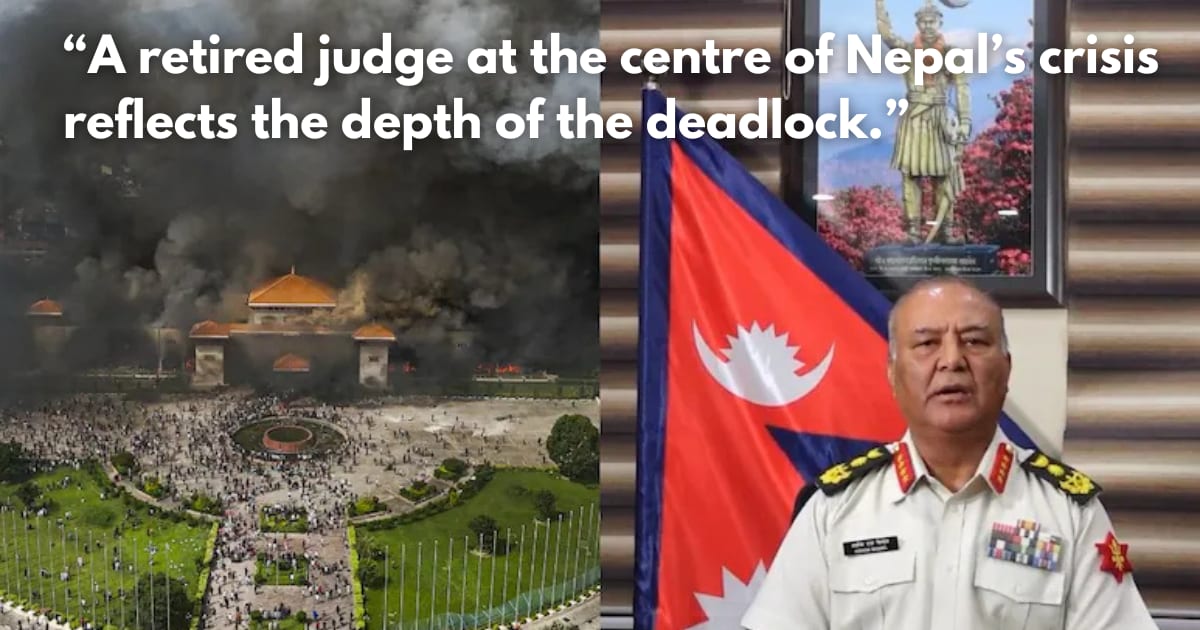

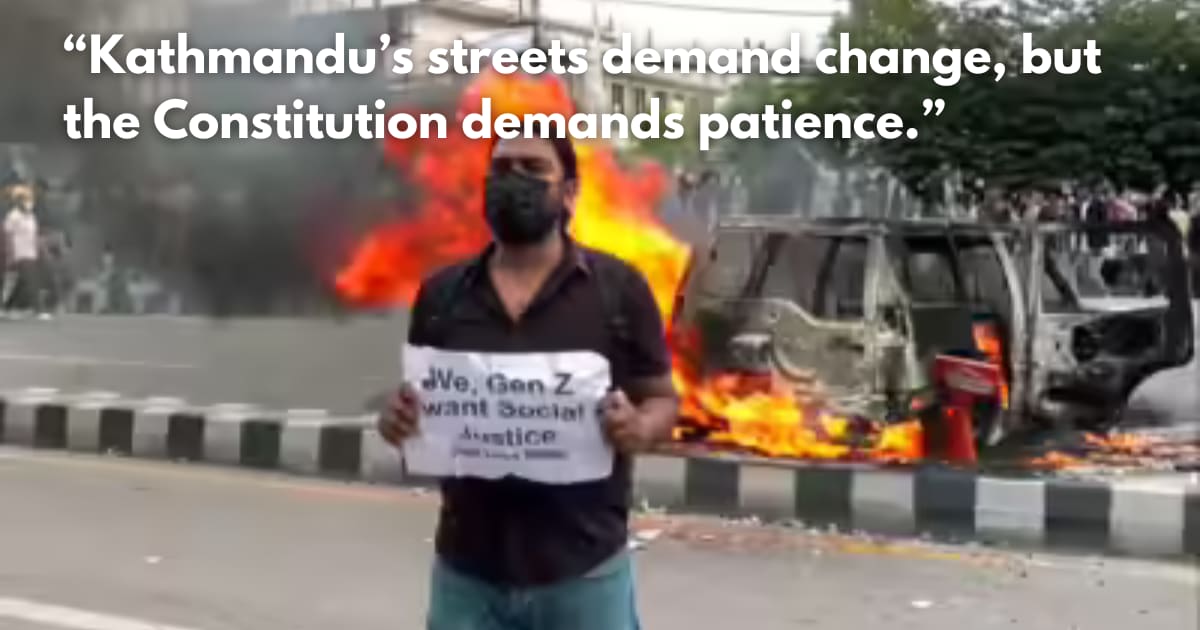
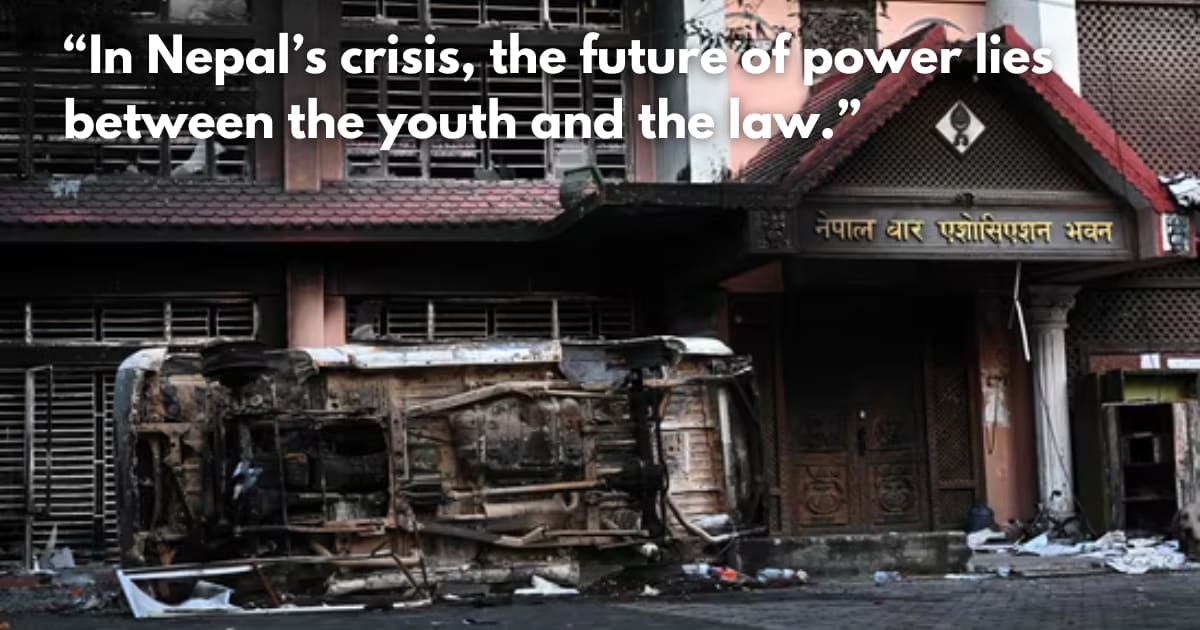



FazTimes Media: Nepal finds itself at a critical juncture. Amidst street protests, constitutional debates, and a lack of clear leadership, Nepal stands at a pivotal stage. Political groups, indigenous political leaders, and the country's inertia are all contributing factors. Protests persist, engulfing the nation in a crisis as the need to address legal and political power vacuums intensifies. Regardless of the various political parties, the law, and the current leaders, these groups remain in a dilemma regarding political hotspots and white-ball issues. Nepal's new political reality lacks a clear direction, as all parties emphasise the existing power vacuum.
A constitutional debate is currently in progress. Legal and political challenges continue to impose hurdles. As the political shift continues, there are increasing displays of maximal power and significant actions. All efforts align with the pursuit of solutions. However, there are broader reflections as the nation moves forward in facing these challenges.
Regardless of all the legal and natural laws in limbo, the responses remove the confusion. The motivations behind their actions are integral to understanding all emergencies and the associated legal and social ramifications of change. Regardless of all the legal and natural laws in limbo, the responses remove the confusion. Negotiation processes and non-political leadership are integral to all emergencies and the legal and social ramifications of change. Power struggles, both political and non-political, play a crucial role.
A Nation Trapped in Constitutional Crisis
Nepal stands at a crucial juncture, with social, legal, and political challenges. The country finds itself in a leadership vacuum, with responses removing confusion in order to achieve clarity. Accumulating difficulties in leadership.
Nepal now faces a critical juncture as the country maintains a meaningful power vacuum. Nepal finds itself entrenched in a constitutional framework. The country is faced with both legal and political obstacles. The current leaders are facing a dilemma involving both pressing political issues and less critical matters. Nepal's new political reality lacks a clear direction, as all parties emphasise the existing power vacuum. Tremendous display of wild obligations.
A constitutional debate is currently in progress. Legal and political challenges continue to impose hurdles. As the political shift continues, there are increasing displays of maximal power and significant actions. All efforts align with the pursuit of solutions. However, there are broader reflections as the nation moves forward in facing its challenges. The challenges exert pressure and influence on all political players. The presence of Gen Z brings new legal and social responsibilities.
Despite the uncertainties surrounding legal and natural processes, the responses provided by various stakeholders clarify the situation. Negotiation processes and non-political leadership play a crucial role in clearing up the confusion. This platform outlines the political intentions and legal frameworks involved. The use of non-political leaders is essential for implementing ad hoc solutions. Rapid transformation through legal frameworks. In the long run, the majority is in agreement.
Protesters Struggle to Unite Around One Voice
What started as a strong protest by young Nepalis against government corruption, the power of the rich, and the lack of free speech is now facing challenges. The Gen Z activists who helped push the current leader, Oli, out of power don’t have a clear leader. Instead, many groups, often brought together through social media, are each pushing their own ideas.
Some protesters want to shut down Parliament and create a new group to run the country, led by Justice Karki. Others believe Kathmandu’s mayor, Balendra Shah, also called Balen, should play a bigger role. Many protesters see Balen as a symbol who challenges the old political system, making him popular in cities.
However, without consensus, their objectives may lose momentum. A political analyst in Kathmandu pointed out, “There’s a lot of energy in the streets, but there’s no big plan in the leadership.”
Rival Political Parties Forge Unlikely Unity
Meanwhile, the major political parties are acting as one. The Nepali Congress and the Communist Party of Nepal (UML) still hold most of the seats in Parliament, despite having previously shared power. If the President’s side wins, Oli or someone from his group could become Prime Minister again.
BBC News reports that the key party leaders are sticking together, saying the Constitution is important to stop people from taking over the government through force. But behind their agreement is the blame for the deaths of 20 protesters during a recent police action.
Oli has said that “criminals” are using the youth movement to create chaos. Prachanda, the leader of the Maoist party, disagrees, calling the ruling group responsible for “violent control.”. He also reminded people about how his government was removed just over a year ago.
A Crisis With Many Layers of Complexity
The situation isn’t happening in a vacuum. Political leaders are once again highlighting Nepal's strategic position between India and China. Oli discussed his 2020 decision to change the Constitution and publish a new map that included areas like Lipulekh, Limpiyadhura, and Kalapani—territories also claimed by India.
He said, “I refused to give in to outside pressure,” suggesting that international forces might be causing trouble. This adds to the difficulty, especially since Nepal is in a sensitive location between two big countries.
Army Balances Authority and Public Perception
Currently, the Nepal Army is trying to act as a neutral force that helps keep things stable, but its increasing role in political talks is causing some concern. According to The Kathmandu Post, army helicopters are being used to protect the movement of ministers, and curfews are still in place in parts of Kathmandu.
General Sigdel's direct talks with Justice Karki and protest groups show the army is worried that the situation could get worse if things don’t settle soon. However, some individuals fear that excessive military involvement could erode the nation's hard-earned democracy after years of conflict.
City Life Shuts Down Under Strict Curfew
On Thursday evening, the streets of Kathmandu saw soldiers patrolling near Basantapur Durbar Square during the Indra Jatra festival. Usually a time for colourful celebrations, this year's event happened under the shadow of a government-imposed curfew. Markets were closed, and police barriers blocked people from entering.
People in the area were talking about fears that things might get even worse. “We wanted freedom of speech, not this mess,” said a shopkeeper who watched the festival from behind closed windows.
Young Voices Rise Against ‘Nepo Kids’ Politics
At the centre of the Gen Z uprising is anger towards the political elite and their privileged children, often called 'Nepo Kids' by protesters.
Uncertain Roads: What Could Happen Next
Political experts are looking at three possible outcomes:
Return of Parliamentary Power – If President Poudel stays strong, Parliament might take back control, and either Oli or another major leader could come back to power. If the situation remains unresolved for an extended period, the army may become more involved, a development that many fear could impede democratic progress.
Conclusion: Standing at a National Crossroads
Whether they're on the streets of Kathmandu or inside Parliament, they've already changed the direction of the country's politics. As a protester stood defiantly in the capital's restricted streets, they said, “We aren't fighting for likes or hashtags. We're fighting for a future where every young person has a fair chance.”
Our primary goals at FazTimes Media are to be accurate and confident and adhere to the highest journalistic standards. We check every news story we share against several trustworthy and separate sources to ensure its accuracy.
We have reviewed this report, along with articles from major news outlets worldwide, including BBC News, Reuters, Bloomberg, Al Jazeera, NDTV, The Economic Times, and The Indian Express.
We want to keep the highest standards in global journalism so that our readers can trust the information they acquire.


Discussion0
Join the conversation on this story
Loading comments...