
Japan's Centenarian Population Hits Record High of 99,763
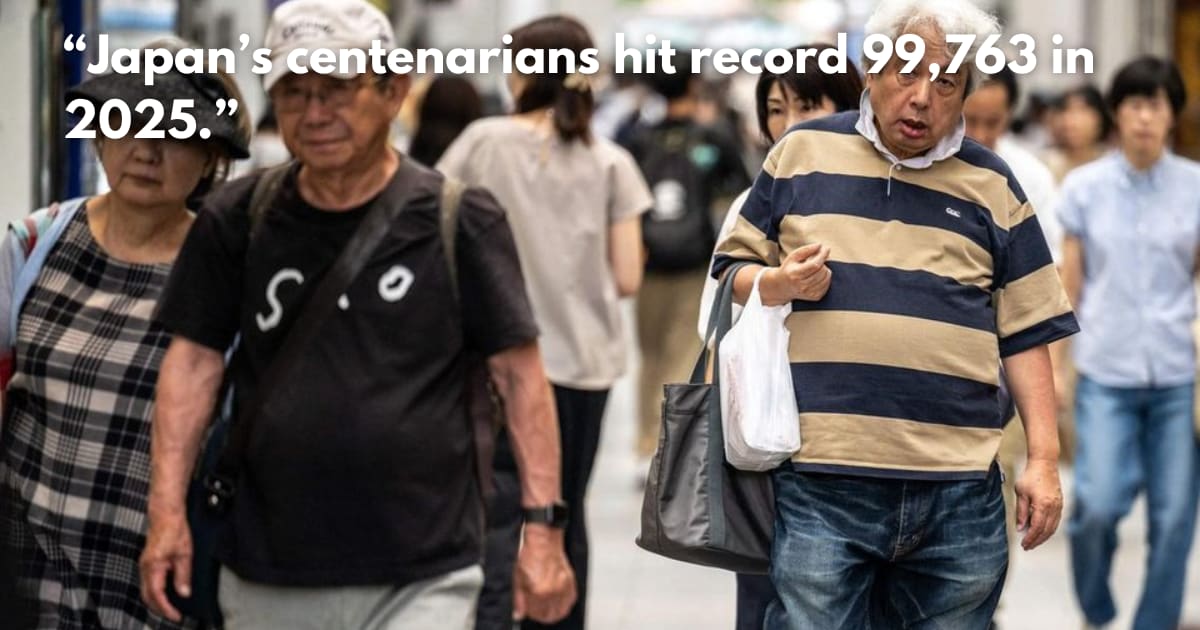



FazTimes Media, based in Tokyo, Japan, has hit another important milestone in terms of demographics. This is the 55th straight year that Japan has seen an increase in its population of centenarians. The new data also shows that Japan has 80.58 centenarians for every 100,000 people, which is higher than most other countries.
Although these numbers show impressive progress in life expectancy and improvements in healthcare, they also highlight some of the big challenges Japan is facing with its population.
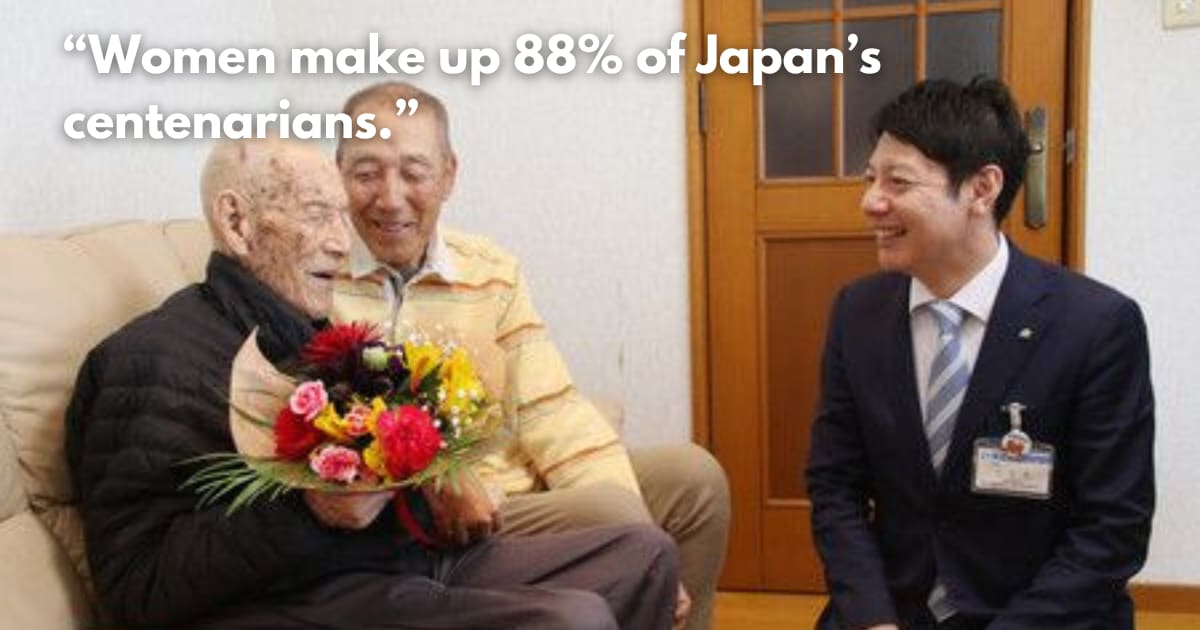
Women are the main group among the centenarians. Out of nearly 100,000 people who are 100 or older, 87,784 are women and only 11,979 are men. Experts say this large difference between the number of women and men in this age group is common around the world, but it’s especially noticeable in Japan, where women are some of the longest-living people.
As reported by BBC News, Japanese women live to an average age of 87.13 years, while men live to about 81.09 years. This trend continues to affect families and influence public health planning. This is the 13th year in a row that Shimane has held the top position, which has led to questions about whether lifestyle, diet, or community culture in these areas plays a role in helping people live longer.
A Festival Deeply Rooted in Japanese Culture
Longevity in Japan is not just about medicine—it's also a big part of their culture. Local governments often send cards or gifts to people who turn 100 years old. Cultural anthropologist Naoko Sato told Al Jazeera, "Long life in Japan is a blessing, not just for the family but for the whole society."
This deep respect has led to government programmes like health check-ups, community centres, and nutrition plans, all aimed at helping the elderly live longer and healthier lives.
The Other Side of the Story: A Shrinking Population
Although there are more centenarians to celebrate, the bigger picture shows a different story. The number of Japanese people alone fell by 837,000, the biggest drop since records started in 1950. On the other hand, the number of foreign residents went up by 243,000, reaching 3.16 million. Many of these newcomers are workers and students, helping to balance the country’s ageing population and labour shortages.
Interestingly, Tokyo was the only prefecture to see population growth for two years in a row. The city keeps attracting both domestic and international migrants because of jobs, education, and good infrastructure, even as other rural areas see big population drops.
Unraveling the Secret: Why So Many Japanese Live Past 100
Japan has always been a place where people live longer than most. Scientists and experts from around the world are interested in finding out why. Many older people in Japan keep being active after they stop working. They might take on part-time jobs or join community groups. This keeps them busy and helps them stay both mentally and physically healthy.
Strong family connections and supportive neighbourhoods also play a role. Japanese people often rely on their families and friends for help and company, which helps reduce loneliness, a problem that can be serious for older people in other countries. Dr Hiroshi Takeda, a specialist in ageing, said, “The way Japanese people grow old is being studied all over the world. But it also raises questions—how can we keep supporting such a long life without putting too much pressure on younger workers?”
The Heavy Economic Cost of an Aging Society
While living longer is a good thing, it also brings some tough problems. With more older people and fewer younger workers, the costs for healthcare and pensions are going up.
Global Takeaways: What the World Can Learn from Japan
Japan’s experience offers useful lessons for other countries that are seeing similar population trends. Many nations in Europe, North America, and parts of Asia are also dealing with longer life spans and lower birth rates.
“Japan is like a preview of what much of the developed world will face in the future,” said demographer Li Chen, speaking to Al Jazeera. “How Japan adapts—through technology, immigration, or social reforms—will be a case study for others.”
Striking a Balance Between Longevity and Sustainability
As Japan prepares to celebrate nearly 100,000 people who are 100 years or older this year, it’s both a success and a warning.
Conclusion: Preparing for the Future of Aging Nations
Japan’s record of nearly 100,000 centenarians shows resilience, tradition, and incredible longevity. A country may win the race to live longer but still face the battle to keep things running smoothly.
As the world watches, Japan must find ways to turn its centenarian boom into an opportunity for change. And if it does, its model could help many other countries on the same journey in the years ahead.
Our primary goals at FazTimes Media are to be accurate and confident and adhere to the highest journalistic standards. We check every news story we share against several trustworthy and separate sources to ensure its accuracy.
We have reviewed this report, along with articles from major news outlets worldwide, including BBC News, Reuters, Bloomberg, Al Jazeera, NDTV, The Economic Times, and The Indian Express.
We want to keep the highest standards in global journalism so that our readers can trust the information they acquire.


Discussion0
Join the conversation on this story
Loading comments...