
Gen Z Activism: The New Political Vanguard in Nepal
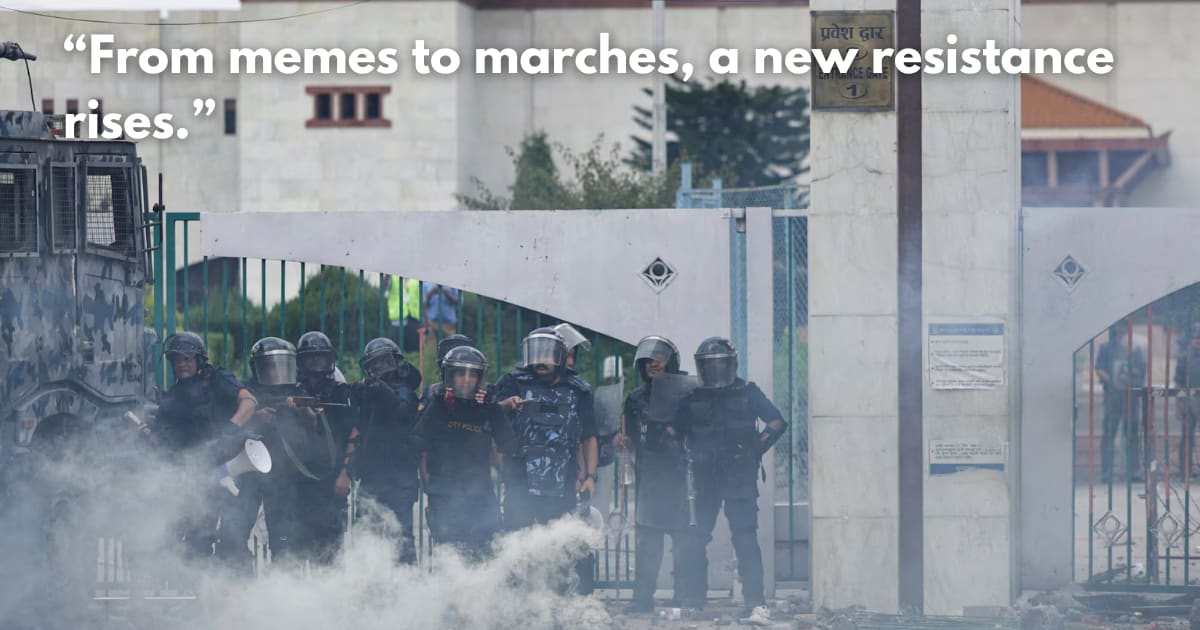
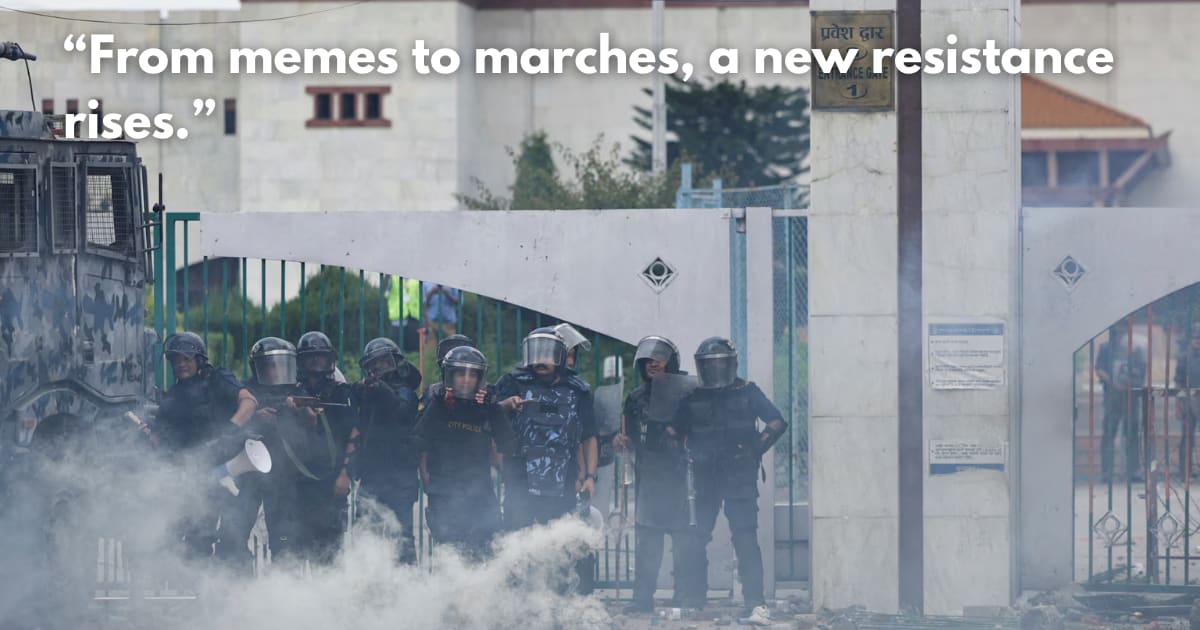
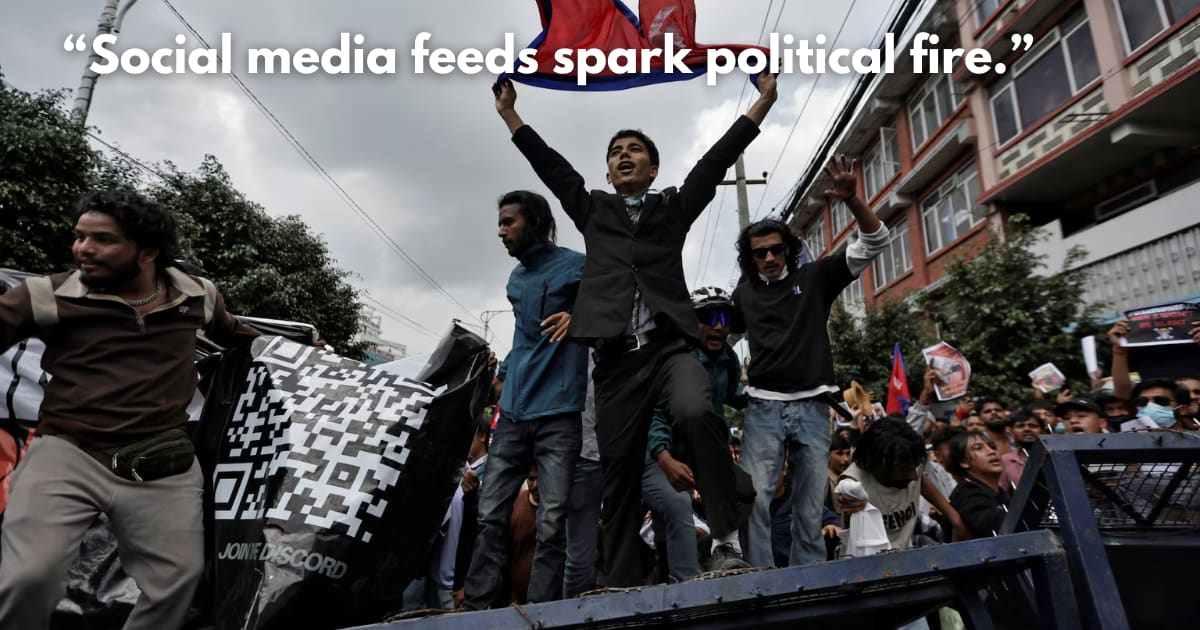
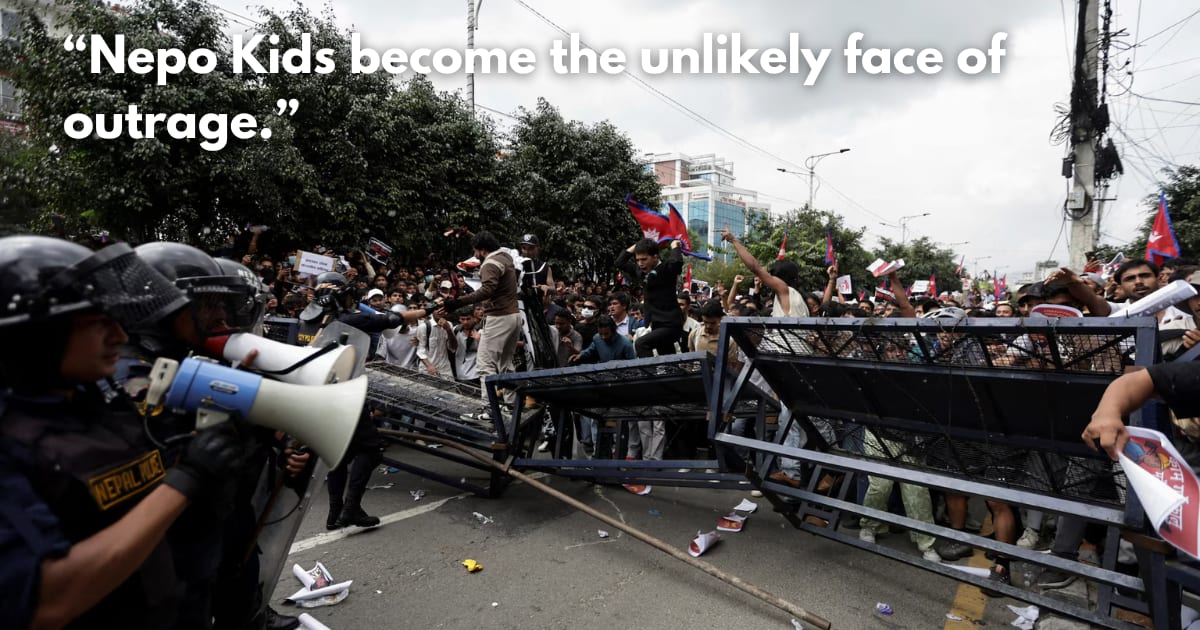
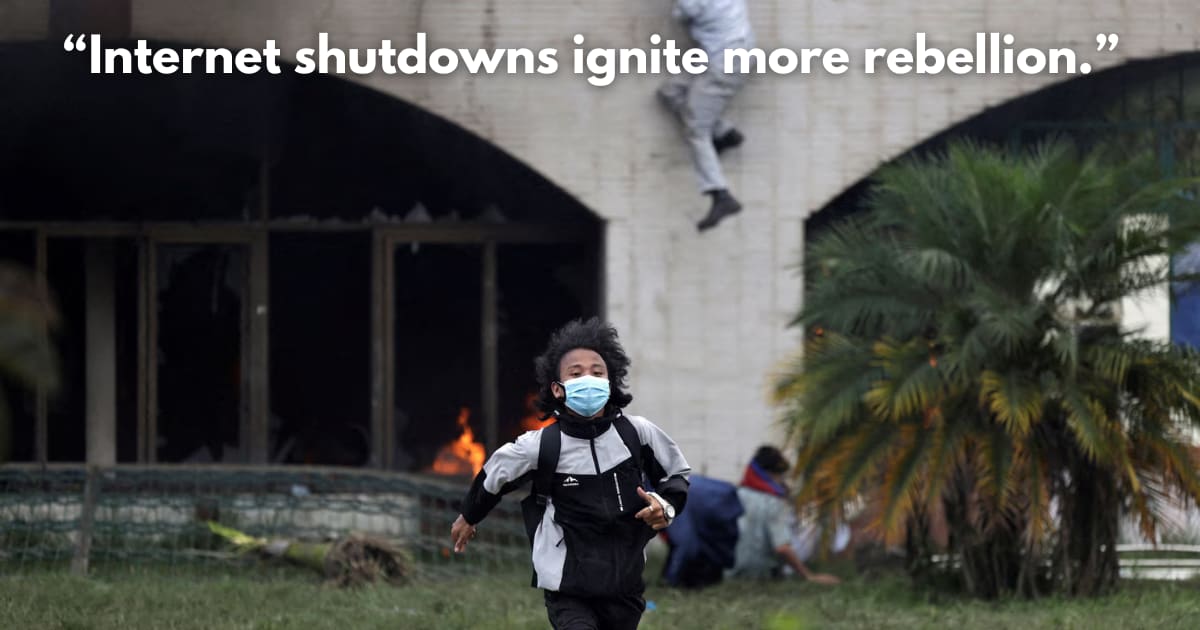
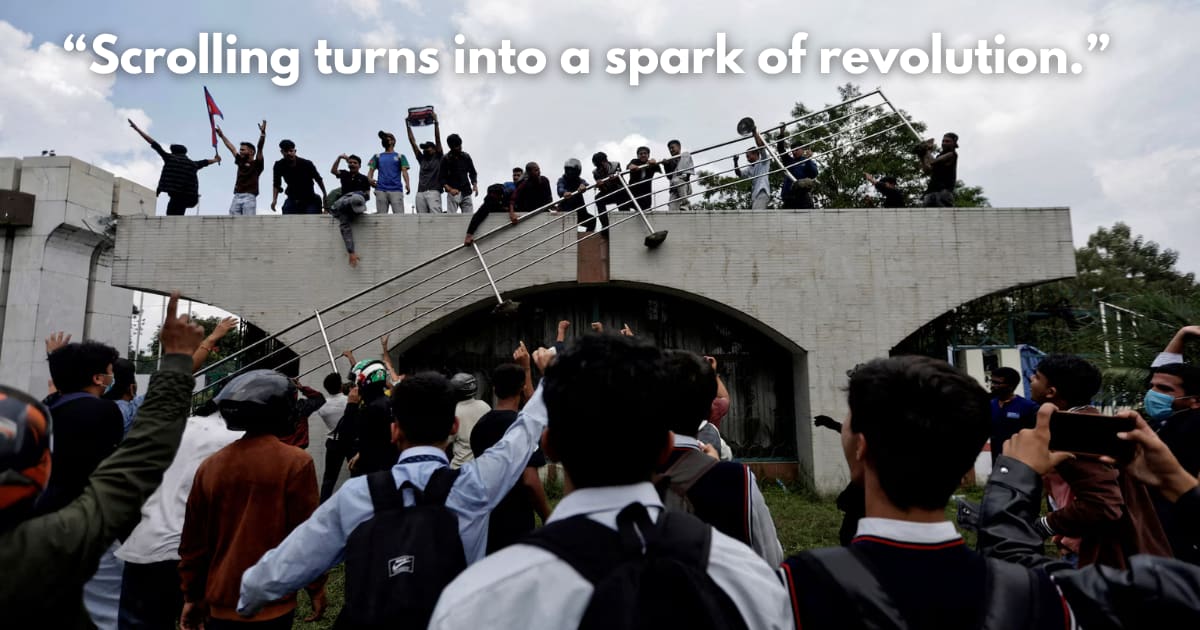

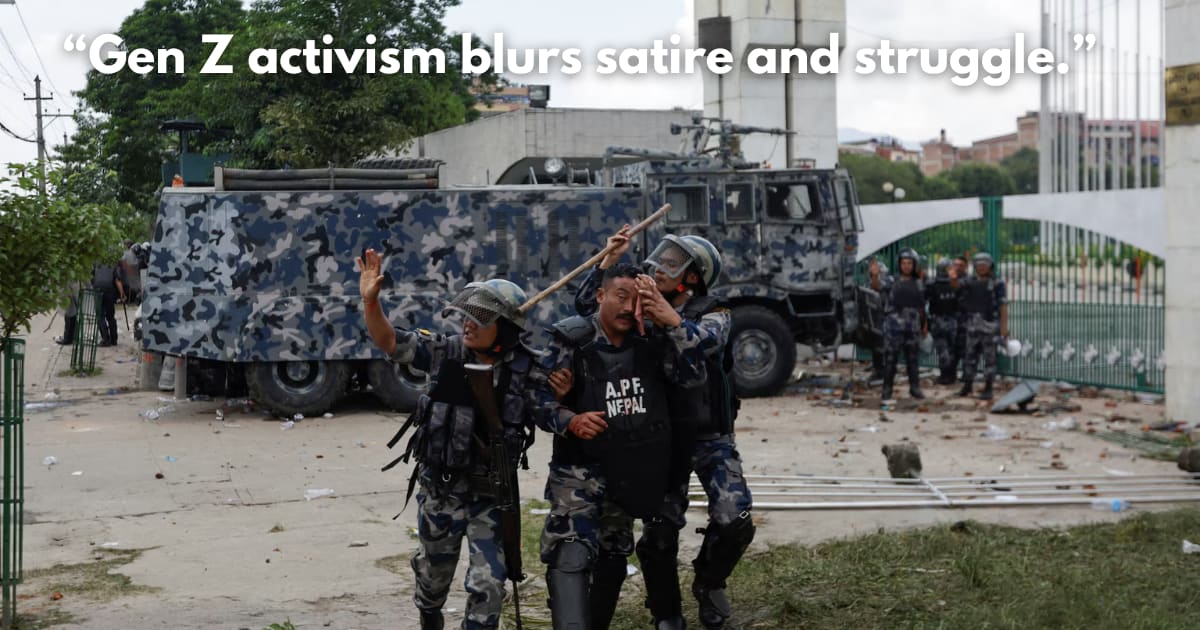

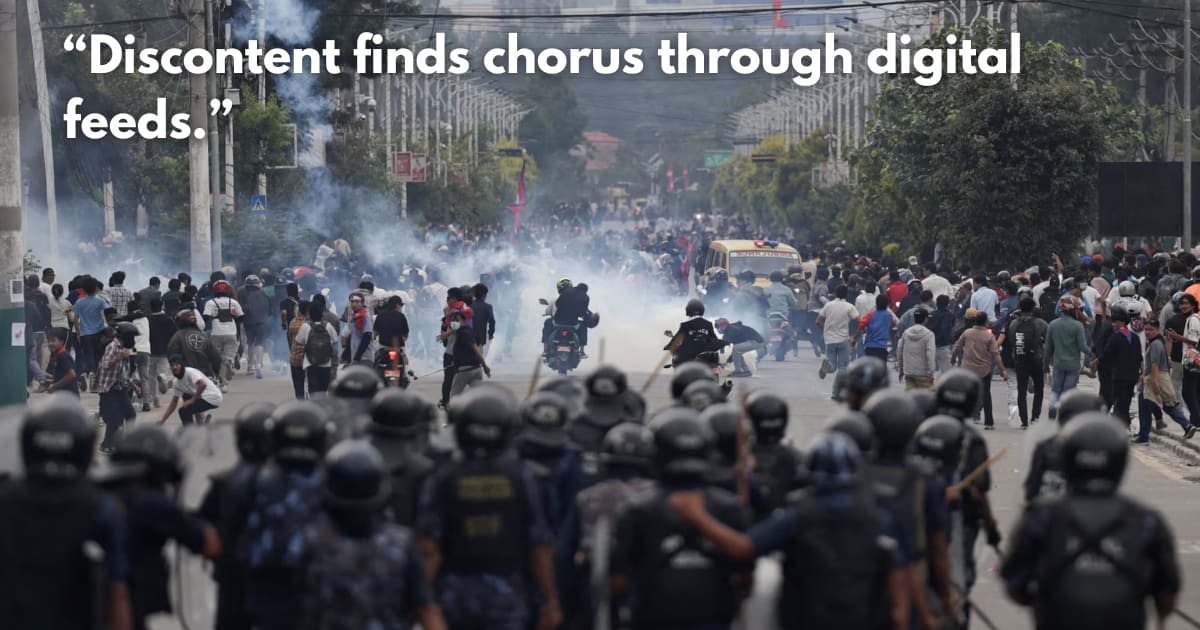

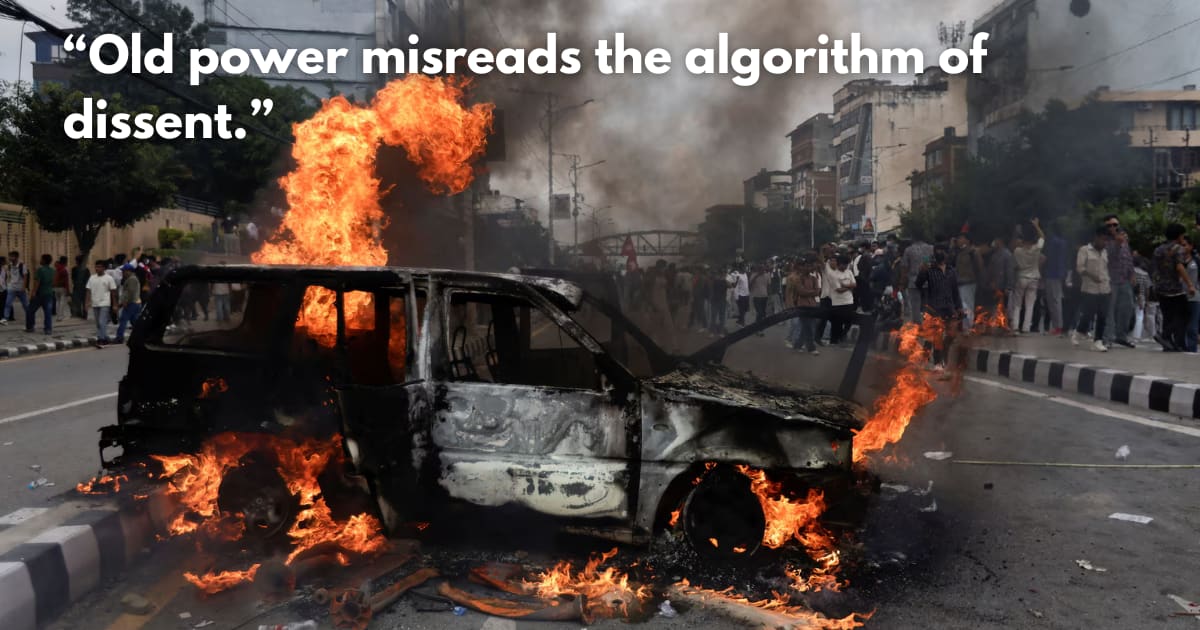

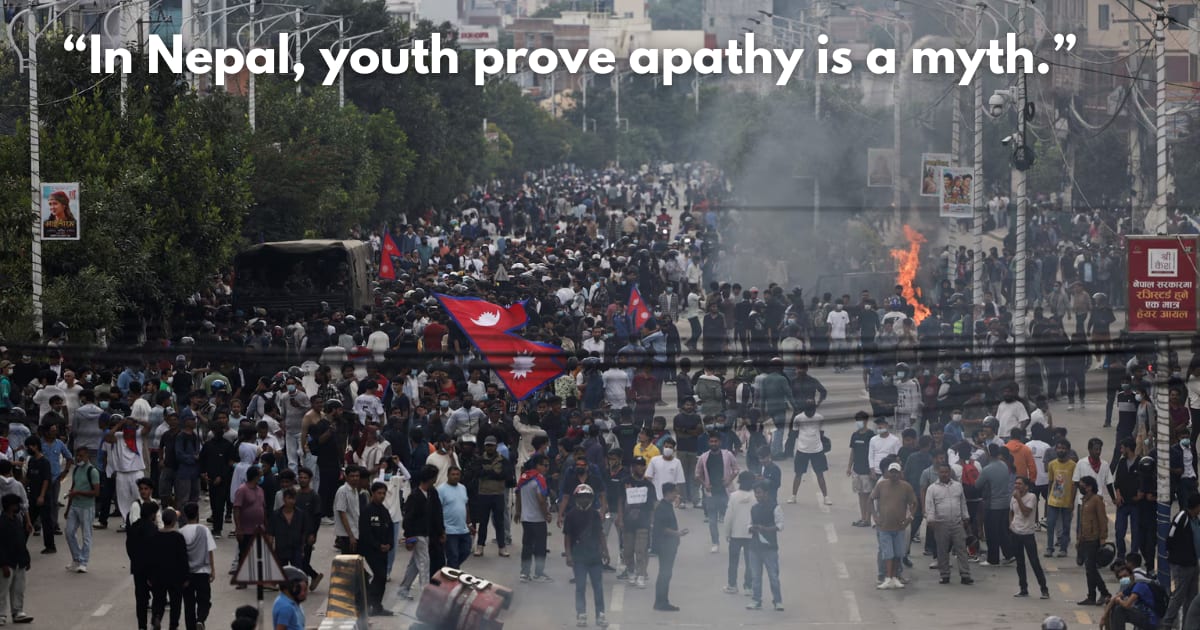

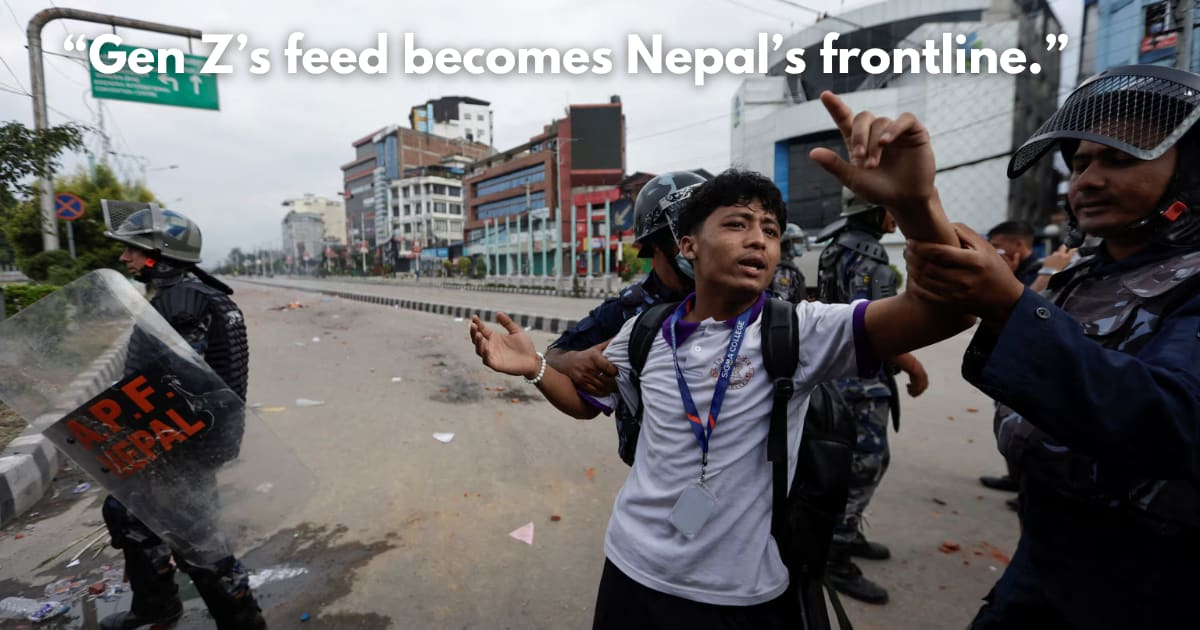
Kathmandu/Delhi – September 13, 2025: Nepal is in a new political phase, and it's not the old political parties or experienced leaders who are in charge. It's the youngest generation. This so-called "Gen Z uprising" has changed a lot in the Himalayan country. It has broken up networks of corruption that have been around for a long time and pushed older politicians out of power. Experts and government officials were both surprised when what started as anger online turned into a national movement.
According to Al Jazeera, the protests that started earlier this year were driven by frustration with unfair treatment and corruption, especially from the children of politicians who showed off their wealth on social media. What came next was something new: tens of thousands of young protesters, mostly in their late teens and twenties, took to the streets in cities like Kathmandu, Pokhara, and Biratnagar.
The Spark That Lit the Fire: How One Event Turned Into a Mass Uprising
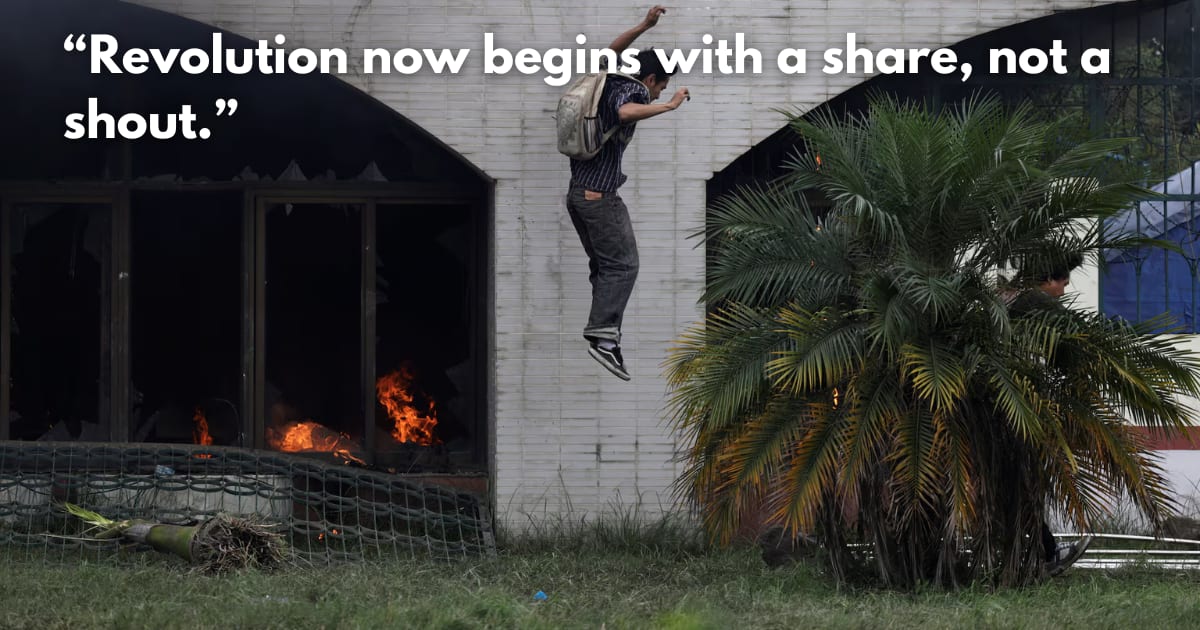
For many, it became a fight between "our kids" and "their kids"—regular young people working hard to survive versus privileged kids showing off their family advantages. Instead of stopping the protests, the government's actions made people even angrier. Within hours, videos of protests, fights, and even strange dance moves outside burning buildings filled up global platforms. Hashtags rising in Nepal quickly spread onto international social media, making the crisis known worldwide.
A Movement Rooted in Youth Identity: Gen Z’s Fight for Voice and Visibility
Unlike past uprisings in Nepal, this wave was clearly from Gen Z. The protesters used memes, edited videos, and drone footage to share their story. One viral video showed a boy scrolling through memes while lying in front of a moving truck, with the caption, "Mogged down this government." Another showed a choreographed TikTok dance in the middle of smoke and chaos.
Although they are not traditional, these videos resonated strongly with viewers. They showed that for this generation, politics and online life are closely linked. As one protester told The Kathmandu Post, "We live online." What reason is there for our revolution to be any different?"
India’s Mirror: Why Gen Z Protests Haven’t Taken Shape Here
On the other side of the border, Indian social media quickly picked up the news. Many people wondered why Indian Gen Z, who are just as tech-savvy and upset, don’t often join big protests against corruption like those seen elsewhere.
What these people don’t realise is that India has previously experienced a significant anti-corruption movement — the Anna Hazare campaign in 2011. It was led by an elderly activist who was inspired by Gandhi. The campaign brought together the middle class in cities and shook the government. It also helped create new political parties, like the Aam Aadmi Party. Their fights are often local, focused on specific issues, and tied to their daily struggles — jobs, exams, and unfair treatment.”
Fragmented Yet Persistent: The Power of Small but Determined Groups
The big difference between Nepal’s united movement and India’s scattered protests is the deep divisions in India based on caste, class, and region. Nepal, with its many groups, came together around one cause — ending political corruption. Although the protests were enjoyable, they demonstrated that youth activism can take various forms beyond just political engagement.
The Internet as a Battleground: Memes, Hashtags, and Digital Resistance
What connects the youth of South Asia is their heavy use of the internet. In Nepal, TikTok was both a tool and a way to spread news. In India, platforms like Twitter (now X), Instagram, and YouTube drive conversations faster than political parties can keep up.
They think that scrolling, posting, or sharing memes means people don’t care. However, Nepal's protests demonstrated that distraction can trigger genuine rebellion. A professor from Kathmandu University put it this way: “For Gen Z, the comment section is the new meeting place. The revolution doesn’t start on the street; it starts on the feed.”
Lessons for the Old Guard: What Traditional Leaders Can Learn from Youth Movements
The protests in Nepal offer important lessons for governments in South Asia. Trying to stop people from speaking out by cutting off the internet or calling youth anger “not serious” is not working anymore. The Guardian reports that Nepal’s older leaders didn’t understand the feelings of the younger generation. They thought the youth weren’t serious. But Generation Z proved they could mix humour with anger and creativity with strong beliefs. Their memes were just as powerful as their protests in the streets.
India’s leaders also need to find ways to connect with a generation that doesn’t fit into old categories. They enjoy global culture but have local problems. They can organise fan protests one week and push for better educational policies the next.
Our primary goals at FazTimes Media are to be accurate and confident and adhere to the highest journalistic standards. We check every news story we share against several trustworthy and separate sources to ensure its accuracy.
We have reviewed this report, along with articles from major news outlets worldwide, including BBC News, Reuters, Bloomberg, Al Jazeera, NDTV, The Economic Times, and The Indian Express.
We want to keep the highest standards in global journalism so that our readers can trust the information they acquire.


Discussion0
Join the conversation on this story
Loading comments...