
FIR Filed Over AI Deepfake Video of PM Modi & His Mother
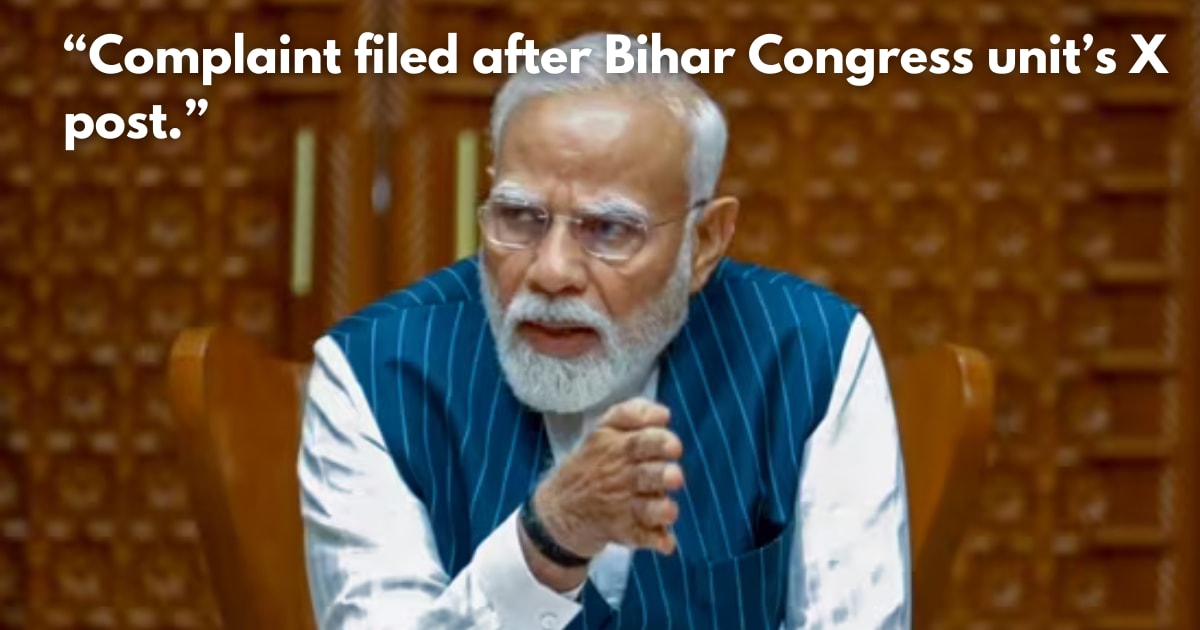
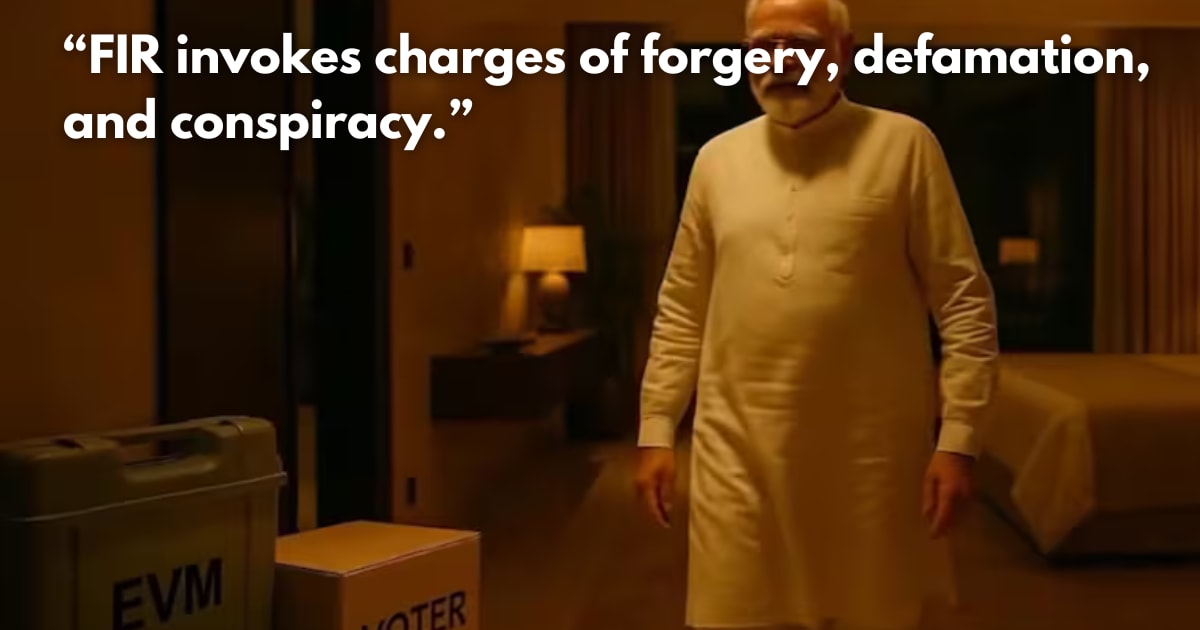
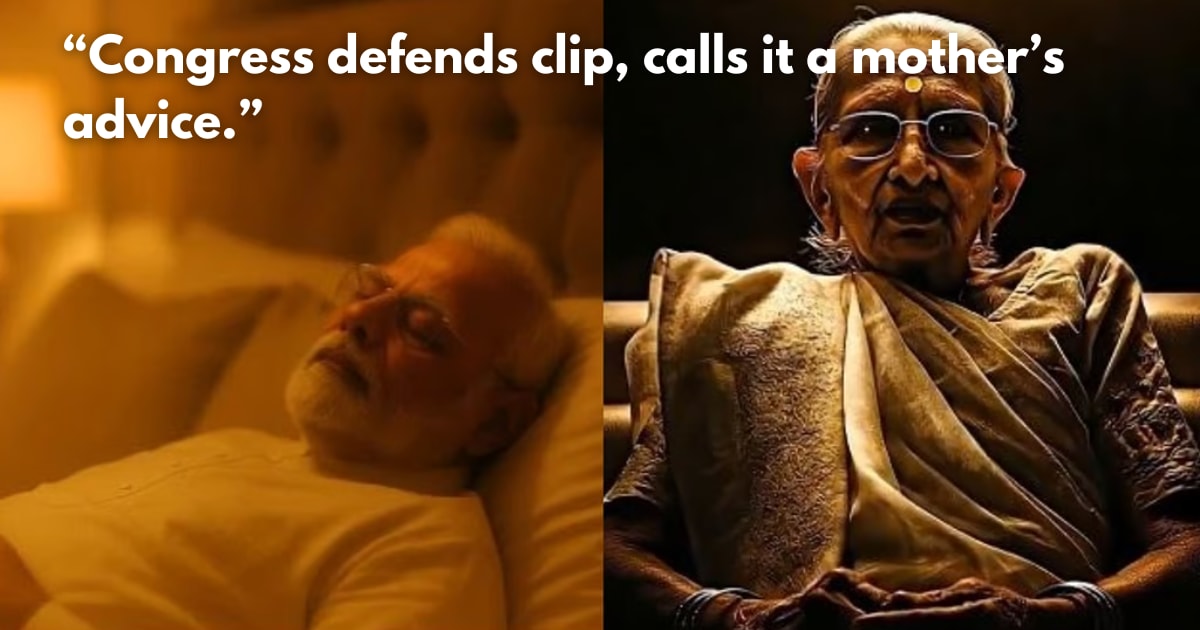
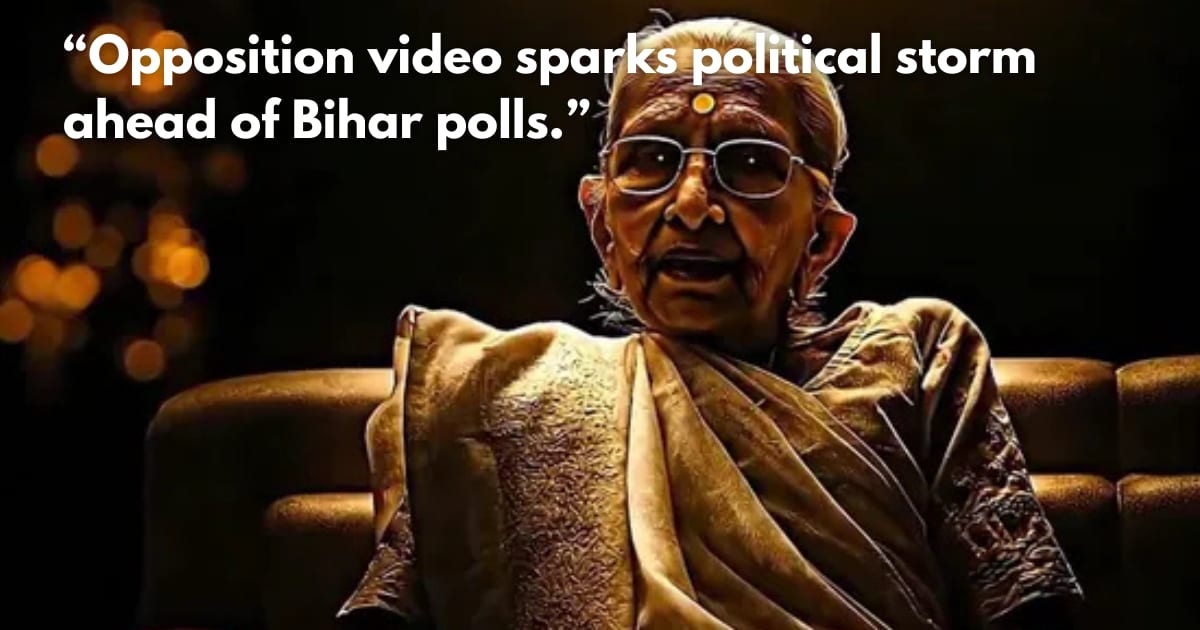

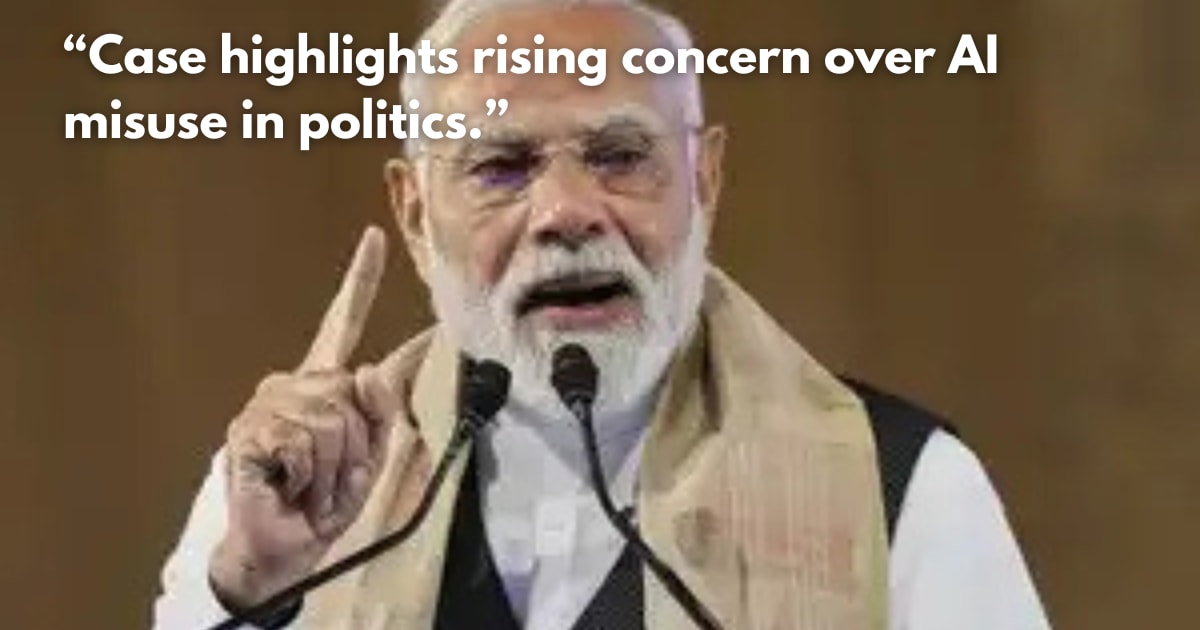
FazTimes media, New Delhi: The increasing use of artificial intelligence in politics has now taken a worrying new form in India. On Saturday, the Delhi Police filed a First Information Report (FIR) after a Bharatiya Janata Party (BJP) worker reported a fake video created using AI, which was shared on social media. The Bihar Congress party reportedly posted the video on its official X (formerly Twitter) account. It targeted Prime Minister Narendra Modi and included his late mother.
Authorities said the complaint was about the AI-generated video harming the Prime Minister's reputation and using the memory of his mother, who died in 2022.
The Video and Its Impact: How One Clip Sparked a Storm
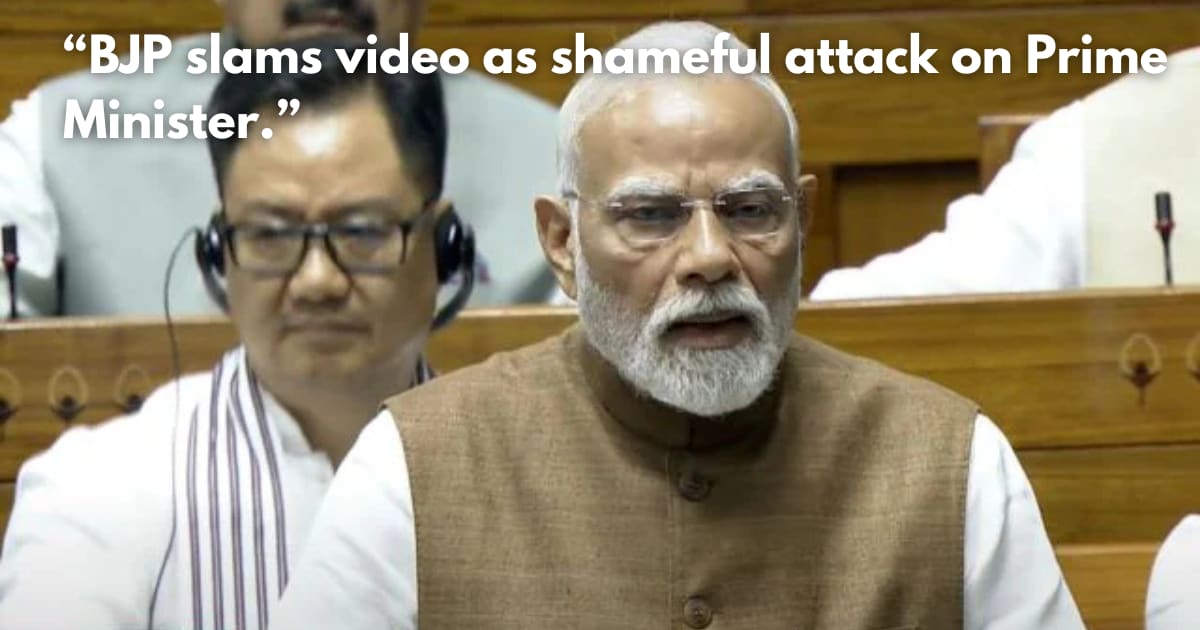
Party officials called the act "shameful" and questioned the ethics of such political competition. The Congress, however, stood by its actions. Pawan Khera, who leads the party's media and publicity team, said the video was being misunderstood. "Where is the disrespect? Showing a mother guiding her son is not an insult. We deeply respect the Prime Minister’s mother and have no intention to disrespect her memory," he stated.
This situation shows how the use of AI tools in politics is changing the way campaigns are fought, making it often hard to tell the difference between humour, criticism, and defamation.
Legal Reasons: Courts Step Into the Digital Battlefield
The FIR was filed under different parts of the Bharatiya Nyaya Sanhita (BNS), which is India's new criminal code that took the place of the old Indian Penal Code.
The charges are:
Section 336: Making fake things
Section 340(2): Making or using fake electronic records
Section 352: Deliberate insults that could cause trouble with the peace
Section 356(2): Slander
Section 61(2): Conspiracy to commit a crime
Lawyers think that this case could help Indian courts decide how to handle deepfake technology under the BNS. A lawyer in Delhi said, "There are laws against forgery and defamation, but AI-generated videos are new." Now, courts have to figure out how to use old laws to deal with new problems.
Deepfakes and Indian Politics: When Technology Fuels Election Heat
The misuse of artificial intelligence has garnered global attention. Deepfakes are videos that are altered to show something that didn't really happen. These are especially dangerous in democracies, where false information can influence voters.
The risks are even higher in India, home to one of the world's largest internet user bases. The country is getting ready for several important elections, including the 2026 Assembly polls in many states. Social media is closely linked to politics, allowing false content to spread quickly and affect millions in a short time.
The Ethics Debate: Drawing the Line Between Free Speech and Manipulation
A political analyst from Jawaharlal Nehru University said, “This isn’t just about what is legal—it’s about what is morally right in politics. When AI is used to create situations involving family members of politicians, it can look disrespectful. But at the same time, satire has always been part of democratic discussions. The challenge lies in determining the boundary between satire and slander.
A Pattern of Digital Battles: India’s New Political Weapon
This isn’t the first time AI or altered digital content has caused issues in India. Earlier this year, fake videos of opposition leaders spread during state elections, leading fact-checkers to step in and correct the misinformation.
Around the world, deepfakes have also caused problems. In the U.S., individuals shared fake videos of President Joe Biden on TikTok and other platforms. In Ukraine, authorities have accused Russia of utilising deepfake technology to sway public opinion.
Experts say the Indian situation shows a bigger issue: laws often can’t keep up with new technology.
Public Reactions: Outrage, Humor, and Growing Concern
Some opposition voices accused the BJP of using the FIR to stop criticism. They felt the ruling party had used strong digital campaigns before and now didn’t want to face the same tactics from their rivals. A social media user wrote, “This is just selective anger.” They added, “We don’t mind AI videos that support the government if they go viral.” But when someone questions the story, they suddenly face legal trouble.
The Road Ahead: Can Regulation Catch Up With Technology?
The Delhi Police are likely to question people connected to the Bihar Congress party once they file the FIR. Cybercrime experts may also be called in to determine how the video was made, who approved its posting, and if outside groups were involved.
Some politicians are already talking about requiring clear labels on AI videos so viewers know the content was made by artificial intelligence.
Conclusion: A Wake-Up Call for Democracy in the Digital Age
As BBC News reports, many democracies are facing the same issue. India’s situation might become a key example for other countries in the Global South on how to handle these tricky problems. For now, the video could be a sign of things to come: as elections get closer, the online space is likely to become more confusing, and AI’s influence on how people see the world will only increase. a
Our primary goals at FazTimes Media are to be accurate and confident and adhere to the highest journalistic standards. We check every news story we share against several trustworthy and separate sources to ensure its accuracy.
We have reviewed this report, along with articles from major news outlets worldwide, including BBC News, Reuters, Bloomberg, Al Jazeera, NDTV, The Economic Times, and The Indian Express.
We want to keep the highest standards in global journalism so that our readers can trust the information they acquire.


Discussion0
Join the conversation on this story
Loading comments...