
Israeli Settlers Illegally Enter Al-Aqsa, Violate Status Quo


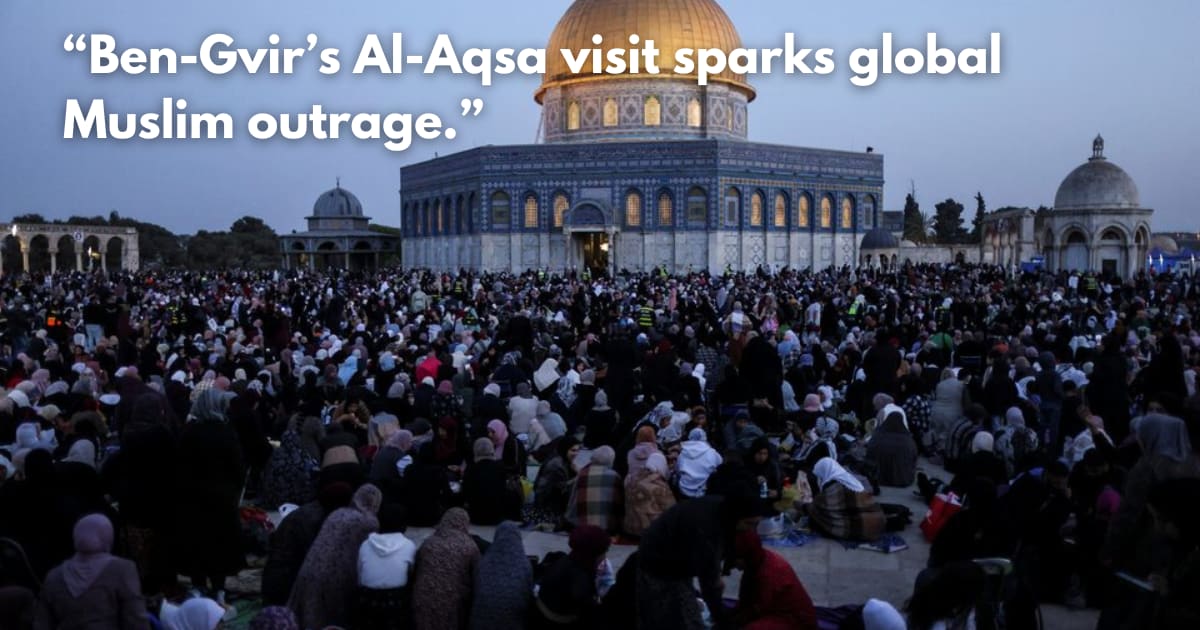
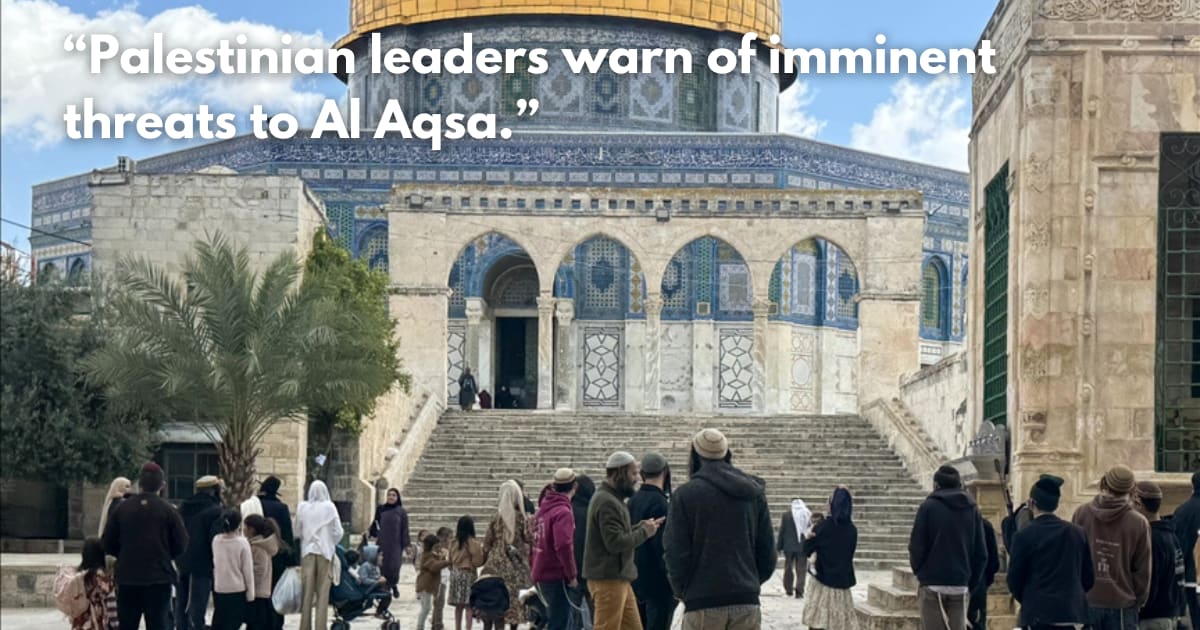


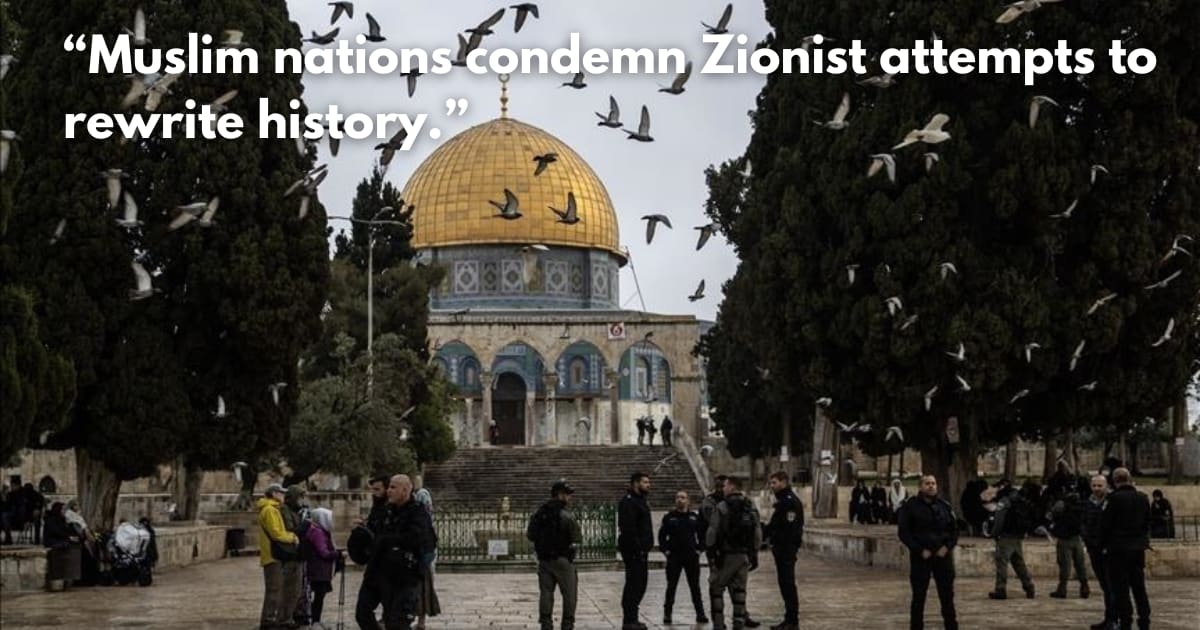
FazTimes Media, Jerusalem: Jerusalem, a city that is one of the most disputed places in the world, is once again in the middle of rising tensions. The dispute is because reports say that there have been repeated illegal entries into the Al-Aqsa Mosque compound, which is one of the holiest places in Islam. Eyewitnesses and international media say that Israeli settlers, along with police, have been entering the area more and more, doing things that go against long-standing rules called “status quo”.
For millions of Muslims around the world, Al-Aqsa is not just a place to pray—it is also a symbol of their culture and identity. The ongoing incidents of settlers entering the compound, with heavy police backing, have caused anger in Palestine and led to criticism from many Muslim countries.
The Incursion and Its Scale: A Flashpoint That Shook the Region
News from local and international sources shows that dozens of settlers have entered the Al-Aqsa compound on several occasions. Palestinian witnesses described these small groups as performing "Talmudic rituals" in the courtyards.
According to the Iranian news agency ABNA, 915 settlers entered the site in one day with Israeli police. In August alone, over 8,100 settlers reportedly visited the compound, causing worry among Palestinians who see these actions as part of a planned effort to disrupt the delicate balance at the holy site.
The Fragile “Status Quo”: Tensions Balanced on a Knife’s Edge
The main issue is the long-standing “status quo” agreement. Muslims, on the other hand, have full religious rights inside the mosque. This agreement has been unstable for a long time, but recent changes in Israel have made it even more fragile. Earlier this year, Israeli far-right minister Itamar Ben-Gvir, accompanied by some supporters, publicly prayed inside the compound, a move perceived by Palestinians and many in the Muslim world as a significant departure from the status quo.
Ben-Gvir later said he wants Israel to have full control over the Al-Aqsa compound and also over Gaza, which led to strong criticism. Al Jazeera reported that the Palestinian president’s office called this move “crossing all red lines”.
Why It Matters for Muslims Worldwide: Faith, Identity, and Shared Concern
For Muslims, Al-Aqsa is one of the most important religious sites after Makkah and Madinah. Any sign of harm to its sacredness causes worry not just in Jerusalem but also leads to protests in many parts of the Middle East and countries where most people are Muslim.
People see these actions as part of a bigger problem, not just one-time events. Palestinian leaders say that some far-right groups in Israel are giving settlers more power to challenge the religious and political rules around Al-Aqsa. “This is a serious threat to our identity, our religion, and our history,” said a representative from the Palestinian Authority.
Allegations of Historical Engineering: Rewriting the Past to Shape the Present
Besides the visible actions, there are growing claims that the Israeli government is trying to change the site's history. Palestinian officials say that underground digging is happening near and under Al-Aqsa to create fake “archaeological proof” that connects the site to ancient Jewish history.
Many Muslim countries have spoken out against these digs. They believe that changing the site’s structure could twist history and damage the mosque physically.
International Reactions: Condemnations, Calls for Calm, and Diplomatic Pressure
According to Al Jazeera, Palestinian officials accuse the U.S. government of quietly supporting Israel’s actions. They claim that by not pushing Israel to keep the status quo, the U.S. is indirectly allowing more violations to happen.
Its Special Coordinator for the Middle East Peace Process has warned that actions at holy sites could make an already tense situation even worse.
Political Motives Behind the Moves: Power Plays in a Divided Land
The Israeli government, led by Prime Minister Benjamin Netanyahu, depends a lot on far-right supporters like Ben-Gvir. Taking symbolic actions at important places helps these leaders win more support from their followers.
“A far-right leader showing up at Al-Aqsa and challenging the current situation sends a message to their supporters that they are firm in their belief of Israeli control,” said a researcher from the Middle East, as reported by BBC News.
However, these political actions have effects beyond Israel. Since Al-Aqsa is one of the most important religious sites globally, any changes there can affect relations with other countries.
Impact on Palestinian Daily Life: From Worship to Survival Under Strain
For people living in Jerusalem and the occupied areas, these actions are more than just political moves—they affect their daily lives. Many Palestinians say that when settlers go to the mosque, Israeli police often block Muslim worshippers from entering or make strict checks that stop religious activities.
“This isn’t just settlers walking around,” said a resident of Jerusalem. “It’s about us not being able to pray freely in our mosque. It feels like humiliation, every single day.”
These restrictions increase the feeling of being displaced and oppressed, especially for Palestinians who already face difficult challenges like land being taken, more settlements being built, and limited freedom of movement.
Muslim World’s Anger: Protests, Statements, and Demands for Action
In the Muslim world, the situation at Al-Aqsa has caused a lot of anger. Religious and political leaders have publicly criticised their actions. In many countries, people have taken to the streets, holding Palestinian flags and asking their leaders to take stronger steps.
The Organisation of Islamic Cooperation (OIC) has held urgent meetings to talk about what’s happening and has asked the global community to hold Israel accountable for its actions.
A Warning for the Future: Lessons Ignored Could Spark Larger Fires
Experts caution that if these actions continue unchecked, the tranquillity in Jerusalem may collapse, resulting in further unrest similar to previous protests. A Palestinian religious leader said, “Al-Aqsa is a key line. Crossing it can lead to unimaginable consequences.
Conclusion: A Crisis That Demands Global Attention
The repeated entries by Israeli settlers into Al-Aqsa Mosque, with police support, show how fragile the religious and political situation in Jerusalem really is. As reported by BBC News, the current situation at Al-Aqsa has stayed mostly the same for many years, even though it's always been a bit unstable. But now, with more extreme groups in Israel pushing limits and not much action from the international community, that stability is in more danger than ever.
For Palestinians, the situation is more than just about a building—it's about keeping their culture, history, and beliefs safe. For the rest of the world, it shows that peace in the Middle East is still far off as long as holy places keep getting used as fronts for political battles.
Our primary goals at FazTimes Media are to be accurate and confident and adhere to the highest journalistic standards. We check every news story we share against several trustworthy and separate sources to ensure its accuracy.
We have reviewed this report, along with articles from major news outlets worldwide, including BBC News, Reuters, Bloomberg, Al Jazeera, NDTV, The Economic Times, and The Indian Express.
We want to keep the highest standards in global journalism so that our readers can trust the information they acquire.


Discussion0
Join the conversation on this story
Loading comments...