
Air India Delhi-Washington Flight Halted in Vienna Over Technical Snag
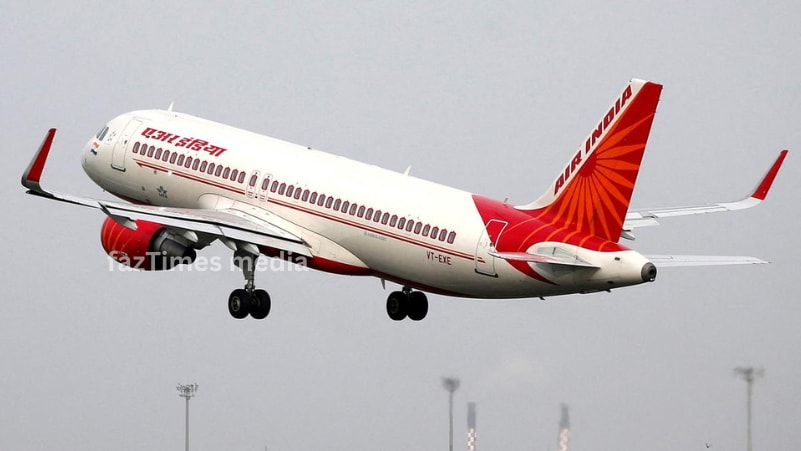
fazTimes Media: New Delhi, India— Air India, the country's main airline, is getting a lot of attention again after a string of recent flight problems have made people worry about how reliable the airline is and whether it keeps passengers safe. The latest problem happened with flight AI 103, which was supposed to fly from New Delhi to Washington, D.C. However, a technical issue arose during a scheduled fuel stop in Vienna, resulting in an abrupt halt to the flight. The passengers expected a smooth and long trip, but it turned into a traumatic experience. While the crew worked to fix the problem, many passengers found themselves stuck in Austria.
An unexpected stop happened in Vienna.
Flight AI 103 left Delhi on Wednesday, July 2, at 12:45 a.m. and was meant to arrive in Washington, D.C., by 8:45 p.m. Because of that, the flight from Vienna to Washington was cancelled, and the passengers were safely taken off the plane. This also led to the cancellation of the return flight AI 104 from Washington to Delhi, impacting a significant number of travelers.
Passenger Fallout and Hotel Arrangements
The airline said it made alternative plans to reduce the hassle for passengers. People who had valid Schengen visas or could enter Austria without a visa were given hotel rooms in Vienna while they waited for the next flight.
The spokesperson said, “For those who didn’t have the proper permission to enter, temporary housing was arranged and closely watched until Austrian officials checked their immigration and security details.”
Air India said they gave full refunds or let passengers change their flights, based on what each person wanted.
But many travelers shared their anger on social media about the slow updates, unclear information, and trouble rearranging their connecting flights.
Recurring Technical Issues Raise Red Flags
This isn't just one problem. Air India has had several technical issues lately, causing problems for both international and local flights. Just last week, flight AI 357, a Boeing 787 Dreamliner flying from Tokyo (Haneda) to New Delhi, had to divert to Kolkata because the cabin was too warm.
A passenger on board AI 357 said, “The temperature kept going up even after we turned off the seatbelt signs.
Parents with babies were really upset. We were told it was a ‘precautionary landing,’ but they didn’t explain anything else.”
One passenger on flight AI 357 reported that the temperature continued to rise even after they turned off the seatbelt signs. “Parents with babies were really worried. The crew informed us that it was a 'precautionary landing,' but they did not explain.
The plane landed safely and is now being checked carefully by Air India’s maintenance team. Another worrying incident happened on June 27, when Air India flight AI 639, flying from Mumbai to Chennai, had to return to Mumbai shortly after taking off because the crew smelled something burning inside the cabin.
The plane landed safely, and all passengers were helped out without any injuries. According to Al Jazeera, problems with Indian aviation—especially with old planes and tired maintenance staff—are worrying global aviation experts.
Fleet Pressure and Operational Load
Air India, now part of the Tata Group, runs a combined fleet with Air India Express, flying more than 1,100 flights each day and carrying over 150,000 passengers. As the airline works hard to update and grow its network under new management, some experts think the workload might be using up existing resources too much.
“Air India is in a change period,” said Aarav Singh, an aviation analyst with SkyRoute Analytics in Delhi. “They’ve added newer planes, but many older ones are still flying. It’s important to follow maintenance plans carefully, especially when dealing with long flights back-to-back.”
According to BBC News, the Indian Directorate General of Civil Aviation (DGCA) has told all airlines to improve their ground checks and is carrying out a special investigation into Air India’s recent technical problems.
Passenger Reactions: Frustration and Fatigue
Many passengers agree that technical problems can happen with any airline, but the number of issues is getting harder to ignore. Sana Khatun, a regular traveler from Hyderabad, said she no longer feels comfortable booking international flights with Air India.
After a disruption on Air India flight 103, the airline rebooked her on a Lufthansa flight to the U.S. “The communication was slow, and it felt like the staff didn’t know what was going on,” she said. Other passengers were unhappy with how the airline handled things through its mobile app and customer service. Rahul Kapoor, a software engineer traveling to Washington for work, shared his frustration. “The app said the flight was on time even after the cancellation was announced,” he said. “It was a mess.”
Air India’s Response and Future Plans
In an official statement, Air India said it “deeply regrets the inconvenience caused and remains committed to prioritizing passenger safety. They are also planning to get rid of older planes faster and improve the training for the staff.
The Hindu Business Line reported that the Tata Group has a long-term plan to invest more than $400 million in improving the infrastructure, updating the plane fleet, and making the passenger services more digital.
A Delicate Balancing Act
There's a clear goal to make Air India a top-tier airline, but keeping things running smoothly and safely on such a large scale is tough. As the airline tries to regain the confidence of international travelers and business passengers, providing steady service and being open about what's happening is essential.
"The world is watching," said aviation consultant Hiba Rahman. "Air India isn't just an Indian airline anymore—it wants to be known worldwide. These little problems are part of growing up, but how they deal with them will decide what happens next."
Looking Ahead
For passengers and people in the aviation industry, the recent events remind everyone that safety in flying is essential. Whether it's a strange smell in the plane or a longer check at a maintenance center in Vienna, there's almost no room for mistakes in flying.
As the monsoon season starts in India and long flights are still full, airlines like Air India need to pay extra attention to their technical checks, make sure their staff are ready, and respond quickly to customer needs.
Right now, the news might focus on planes that are not flying and routes that have changed.
But if the airline takes strong steps and truly works to improve, India’s national carrier still has the chance to fly high again.
At FazTimes, we prioritize accuracy, credibility, and journalistic integrity. Every piece of news we publish is thoroughly verified through multiple trusted and independent sources.
This report has been cross-referenced with coverage from globally recognized news organizations, including BBC News, Reuters, Bloomberg, South China Morning Post, Al Jazeera, NDTV, The Economic Times, and The Indian Express, and we are committed to upholding the highest standards in global journalism to ensure our readers receive reliable and fact-checked information.


Discussion0
Join the conversation on this story
Loading comments...