
Are Readymade Chapathis Healthy? Pros, Cons & Preservatives


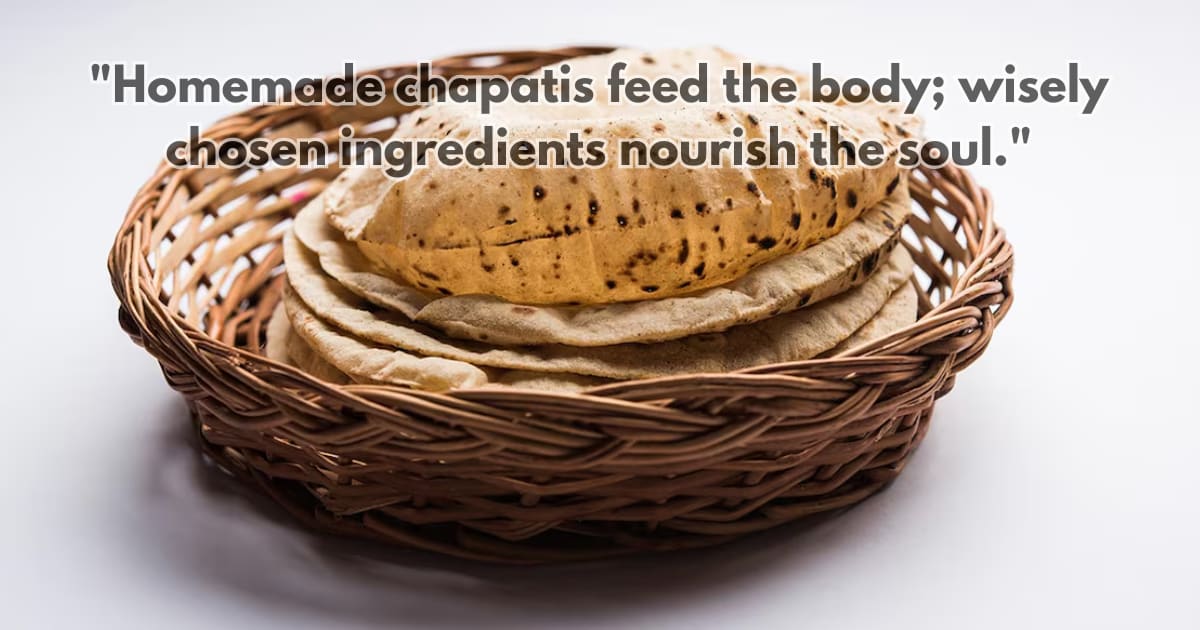
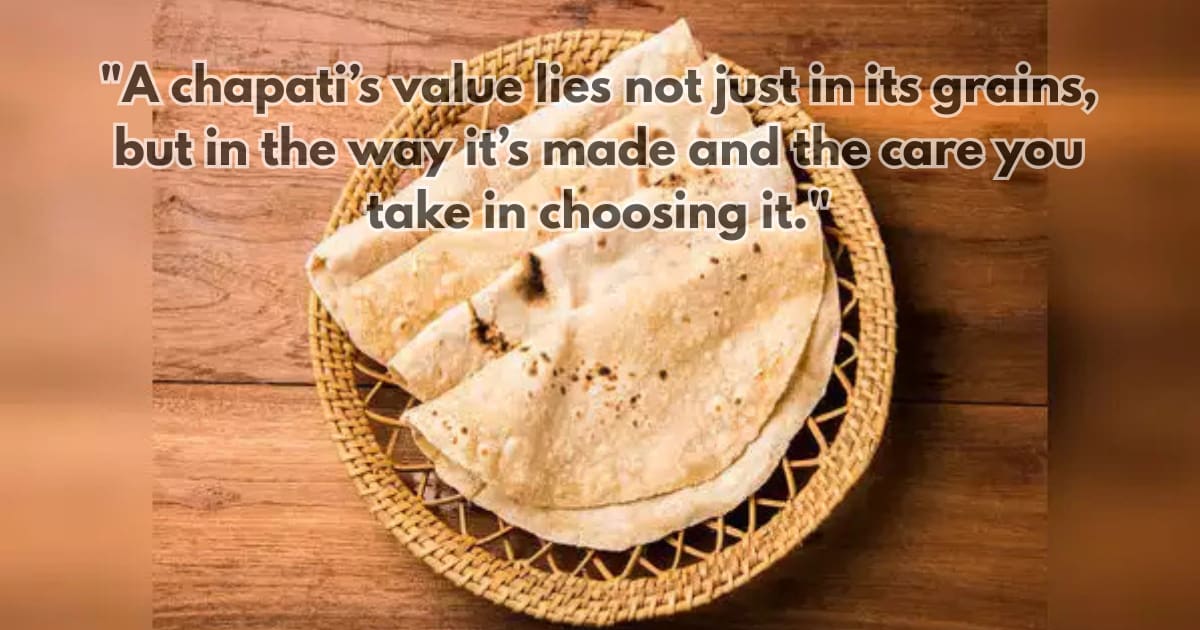
The FazTimes Media: Recently, chapati has slowly started to show up in more and more homes in Kerala, taking the place of rice on dinner tables. Many people are making this change because they believe chapati is healthy, lighter, and better for keeping their weight in check. BBC News says that people in India's cities are eating different foods. Meals made with wheat are becoming more popular in places where rice was the main food.
While chapati is beneficial for health, the question of whether store-bought or homemade chapatis are equally healthy is often overlooked.
Getting more popular than rice
Chapati takes longer to digest, which is a big reason why people choose it over rice. A fresh whole wheat chapati will keep you full for longer, so you won't want to eat as many high-calorie snacks during the day.
There's no way to tell when you've eaten too much rice. But chapati makes it easy to record how many calories you eat because you can quickly count how many you eat.
Nutritionists told Al Jazeera that eating whole wheat chapatis instead of rice for one meal a day can help people cut their daily calorie intake by a lot, as long as they're not eaten too much. It's beneficial for people with diabetes because it has a low glycaemic index.
People who want to control their blood sugar should know about the glycaemic index (GI). The GI of foods tells you how quickly their sugar levels rise. Low-GI foods, on the other hand, tell you how slowly their sugar levels rise. The GI for whole wheat chapati is between 52 and 55, and the GI for white rice is between 70 and 89. Chapati is a better choice for people with diabetes or who are trying to keep their blood sugar levels in check because of this.
As nutritionist Dr Anjana Menon puts it, "Whole wheat chapati digests slowly, giving steady energy without making blood sugar spikes."
Heart-healthy and full of nutrients
Chapatis that are made right now are low in fat and high in fibre, which helps keep cholesterol levels in check. They also have a good amount of protein, calcium, potassium, and B-complex vitamins, which are all important nutrients for good health.
Since chapati is made from complex carbs, it gives you energy all day long. This makes it a beneficial choice for people who work hard or don't do much physical activity.
The Gluten Point of View
Chapati doesn't make everyone feel the same way. As you may know, gluten is a type of protein that can make some people allergic or upset their stomach. Regular chapatis are not a good choice for people who have coeliac disease or can't handle gluten.
But there are other choices.
Ragi, jowar, cornmeal, arrowroot powder, or soybean flour can be used to make gluten-free chapatis. Many families now combine various types of flour to create multigrain chapatis. The mixture makes the food healthier and gives you more options for what you eat.
How many times a day should you eat chapati?
You can eat chapati three times a day, but watch how much you eat. It's best for a healthy adult who doesn't do much to eat two to three chapatis at each meal. The exact number can be different for each person based on their age, temperament, and how active they are.
Challah should be eaten with lean meats, veggies, and healthy fats if someone is trying to lose weight.
The Talk About Ready-Made Chapatis
This is a tough spot. Ready-made chapatis are simple to use, but not the best daily food. Preservatives, emulsifiers, and sometimes hydrogenated oils are added to a lot of prepared chapatis to keep them fresh and improve the texture. These additives can reduce their nutritional value, and consuming them frequently may negatively impact your health.
The Hindu says that some store-bought chapatis have more salt than home-baked ones, which can be hazardous for people with high blood pressure. Putting together the right dishes to go with chapati
Chapati pairs well with both vegetarian and non-vegetarian dishes.
Here are some common pairs:
There are dal curry, mixed veggie curry, tomato curry, green peas masala, and bottle gourd curry for vegetarians. You can get chicken curry, fish curry, or egg masala if you're not a vegetarian.
If you want to lose weight, don't eat sides that are deep-fried. Instead, choose sides that are boiled, grilled, or lightly cooked.
For a healthy diet:
Eggs: three times a week at most
Two to three medium-sized pieces of chicken twice a week
Fish: 50 to 60 grammes a day, or 350 to 400 grammes a week.
How to Make Chapatis That Are Better for You
Here are some tips that will help you enjoy the taste of chapati while staying healthy:
Instead of white flour, use whole wheat flour.
For extra omega-3 fatty acids, add ground flaxseed or chia seeds.
Add spinach or other fresh greens to the dough.
When you cook the chapatis, don't use too much oil or ghee.
Reduce the size of the chapatis to help you eat less.
In conclusion, fresh food is better than packaged food. There is nothing wrong with eating chapati. For many people, it's a tasty choice. If you buy pre-made chapatis, you should eat them immediately. Sometimes, like on busy days, they're fine, but if you eat them every day, you might be getting more preservatives and less protein.
The nutritionist Nisha Kurian says, "Your health shouldn't be sacrificed for ease of use." You can make the dough ahead of time and store it for a day, but fresh chapatis are still better than ones that come in a package.
Last Thoughts
Kerala residents are increasingly choosing chapati over rice, part of a larger trend of being more careful about what we eat. Either make them from scratch at home or buy them in a box occasionally. The important thing is to eat them in moderation and with healthy sides.
When you grab a pack of ready-made chapatis, remember: they're quick and easy, but your body may reward you more if you make a new batch.
Our primary goals at FazTimes Media are to be accurate and confident and adhere to the highest journalistic standards. We check every news story we share against several trustworthy and separate sources to ensure its accuracy.
We have read this report along with articles from major news outlets throughout the world, including BBC News, Reuters, Bloomberg, Al Jazeera, NDTV, The Economic Times, and The Indian Express.
We want to keep the highest standards in global journalism so that our readers can trust the information they acquire.


Discussion0
Join the conversation on this story
Loading comments...