
Baloch Group Accuses Pakistan of Rights Abuses: Surge in Disappearances & Killings
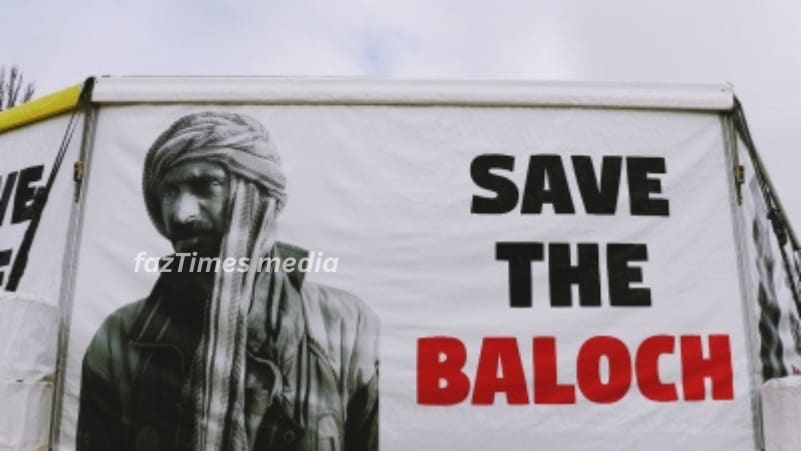
fazTimes media: Quetta— A new wave of people being taken away without explanation and killed without law in Pakistan’s Balochistan province has caused strong criticism from human rights groups, Baloch activists, and families of those who were harmed. These groups say the government is running a planned campaign of violence and fear. In July, Paank—the Human Rights Department of the Baloch National Movement (BNM)—published a detailed and alarming report.
The report documented 84 instances of forcible removals and 33 recorded killings in June 2025 alone. The report, named Balochistan Human Rights Report—June 2025, claims that Pakistani security forces are committing what they call “war crimes” in Balochistan and other cities like Karachi and Islamabad, where many Baloch people live. A spokesperson from Paank said, “These aren’t just random events. We are seeing a big, organized effort to target Baloch youth—especially students and workers—in places where they should feel secure.”
The group says areas like Kech and Mastung had the most cases of people being taken without permission last month. Secret places often hold these individuals for weeks or even months. Some are brought back to their families with injuries from torture, while others are never seen again.
Al Jazeera reports that forced disappearances have been a major problem in Balochistan for many years.
The case of Aman Ullah Baloch shocked the community. He was a young man from Mashkai Shareeki. According to Paank, Aman Ullah was constantly called to a local military base where he was forced to act as an informer. He refused these demands, but the pressure and harassment didn’t stop.
On June 16, 2025, Aman Ullah couldn’t handle the stress and shame anymore. He took his life. Activists use his story as a powerful symbol, highlighting the immense mental pain ordinary Baloch people endure. Dr. Saba Jan, a rights activist based in Quetta, stated, "This represents the slow disappearance of an entire generation." It’s not just about being taken or killed—it’s the fear, the silence, and the lasting pain in every home.
Karachi, Islamabad: New Frontlines?
The report reveals a concerning trend, with the government increasingly targeting Baloch communities in Karachi and Islamabad. These cities are not near the usual areas where conflicts in Balochistan happen, yet they are now experiencing regular police searches, unfair treatment based on race, and the disappearance of Baloch students and workers.
Family members and human rights groups say the government is watching and arresting young Baloch people just because of their ethnicity.
“We have lived in Karachi for many generations,” said Faheem Baloch, a community leader from Lyari. “But now we are treated like strangers—even like criminals—in our country.” The Islamabad High Court is looking into a case about racial profiling involving Baloch students in the capital.
However, the court has yet to make a significant decision or provide assistance. International media have noticed the situation, with BBC News reporting earlier this month that Pakistan’s security forces are getting more attention for human rights abuses in areas like Balochistan and Khyber Pakhtunkhwa.
But activists say the way these operations are carried out, without caring about age, job, or following proper legal steps, hurts the basic ideas of fairness and democracy.
A Disturbing Trend
The June 2025 report is different from earlier human rights studies because it includes detailed information from 14 districts and also covers cases from big cities. Families sometimes discover the bodies of their missing relatives days or weeks after their abduction.
According to The Guardian, Pakistan has faced criticism for a long time over its use of extrajudicial killings and enforced disappearances. Groups like Amnesty International and Human Rights Watch have also expressed concern about this issue.
The Pakistani government and military have stayed quiet after a report showed serious problems. Families are asking for help in finding missing people, like Aman Ullah Baloch, but there has been no official reply.
Activists say this silence is very worrying.
Malik Nazir, a lawyer who has helped many families with missing persons cases, said, “This silence isn’t because they don’t know—it’s an intentional move. They want us to give up hope and stop looking for answers.”
At the same time, people from the Baloch community living abroad are protesting in places like London, Toronto, and Berlin.
They are calling for the world to push Pakistan to stop the practice of forced disappearances and let independent groups check into these cases.
The Road Ahead
These violations are already causing lasting harm. Mental health experts in Balochistan say there are more cases of PTSD, anxiety, and depression, especially among women and children whose family members have disappeared without explanation.
Leaders in civil society warn that without quick action and real change, Pakistan could make its internal problems worse and push Baloch people even further away from trusting the government.
At FazTimes, we prioritize accuracy, confidence, and strong journalistic standards. To ensure every news story we share is real, we verify it with multiple trustworthy and independent sources.
We’ve compared this report with coverage from major news outlets around the world, including BBC News, Reuters, Bloomberg, South China Morning Post, Al Jazeera, NDTV, The Economic Times, and The Indian Express.
Our dedication lies in upholding the highest standards in global journalism, ensuring our readers can trust the information they receive.


Discussion0
Join the conversation on this story
Loading comments...