
"Blood Moon" Lunar Eclipse to Illuminate Skies Over Saudi Arabia & Arab Region on September 7

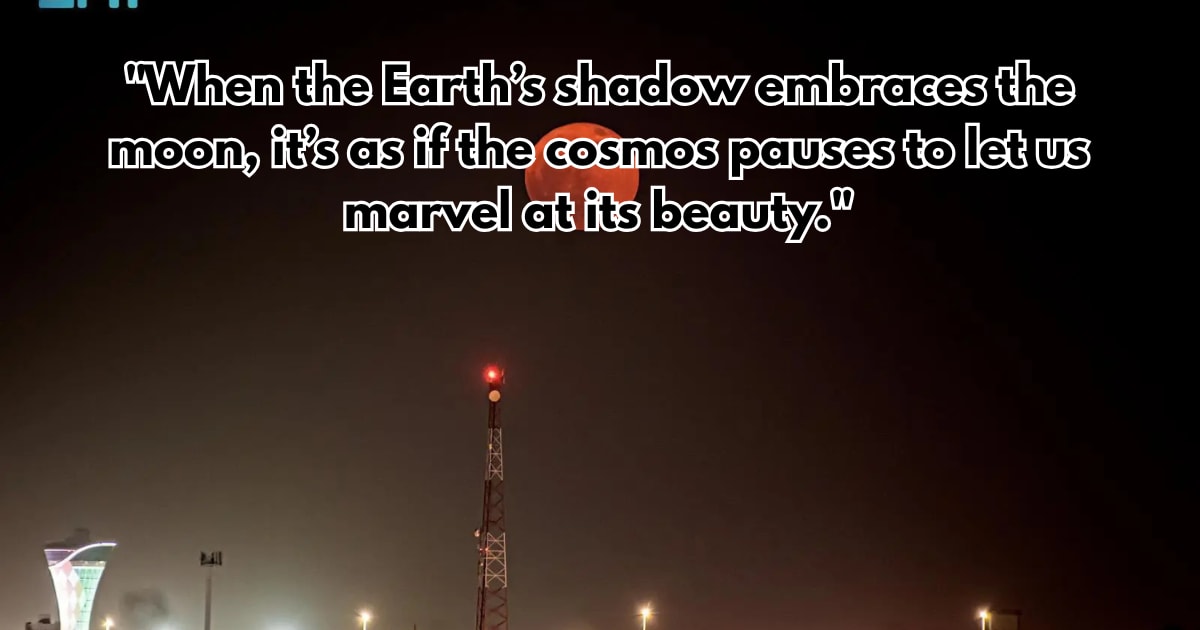

FazTimes Media, Riyadh, August 2025 – People who love looking at the stars in Saudi Arabia and other parts of the Arab world are getting ready for an exceptional event in September. The night sky will show something amazing—a total lunar eclipse, where the moon will turn a deep red colour. The Jeddah Astronomy Society says this event, often called a “blood moon”, will happen on Sunday, September 7, 2025. Whether you're in the quiet Umluj Islands near the Red Sea or the busy city of Riyadh, both fans of the stars and people who just enjoy watching the sky will get to see this rare event.
Why Does the Moon Turn Red?
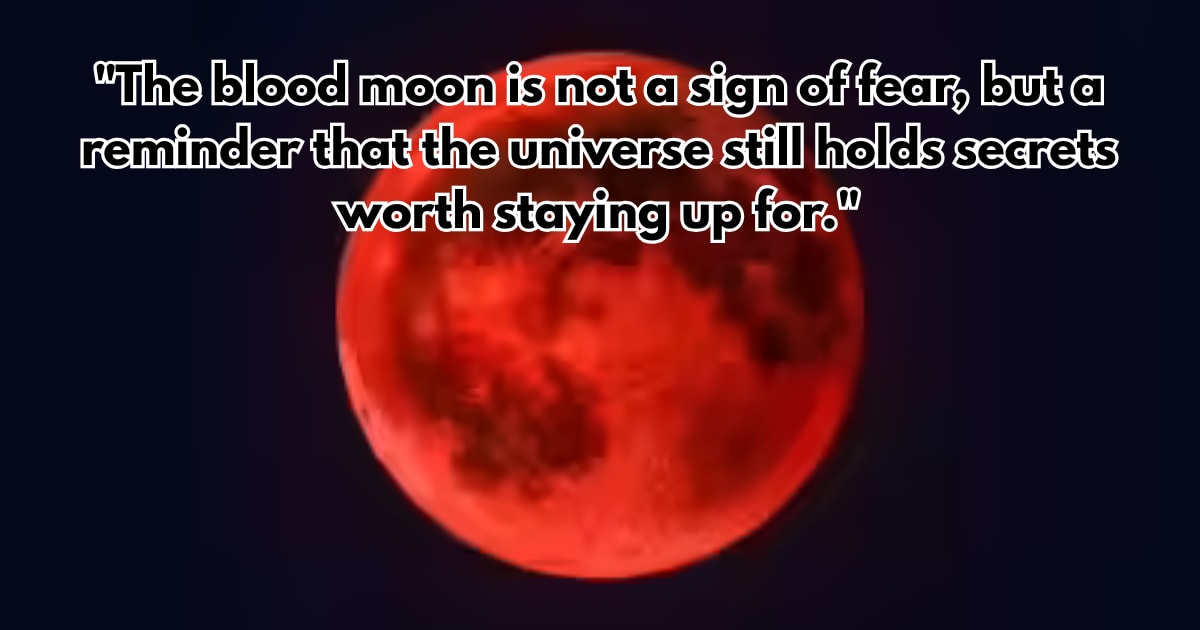
During a total lunar eclipse, the Earth is exactly between the sun and the moon, so it blocks the sunlight from reaching the moon. But instead of being completely dark, the moon looks red. This is because the sunlight passes through the Earth’s atmosphere. The blue light gets scattered away, while the red light continues through and shines on the moon.
An astronomer from the society explained to FaceTime, “It’s like seeing every sunset on Earth at the same time from the moon.” That red colour is what makes the event so special and gives it the name “blood moon”.
Opportunities for Viewing Across the Kingdom and the Arab Nations
Skywatchers in Saudi Arabia will have excellent viewing conditions in several prime locations, such as Amman, Riyadh, and the beautiful Red Sea coastline. The eclipse will also be visible across large portions of the Arab world, creating a collective cultural and scientific experience for countless individuals.
As reported by Al Jazeera, the 2025 lunar eclipse is merely one of a series of significant astronomical events scheduled to unfold in the upcoming years. There will be a partial lunar eclipse on August 28, 2026, and a penumbral lunar eclipse on February 20, 2027.
A Historic Solar Eclipse
The most exciting cosmic event of the decade is set to happen on Saturday, August 2, 2025. This will be the longest total solar eclipse of the 21st century, and it will pass over parts of the Arab region.
On this special day, the moon will be at its closest point to Earth, completely covering the sun and making the surroundings dark for a remarkable 6 minutes and 22 seconds. Scientists say this is a rare chance — something that won’t happen again in this century.
Path of Totality: Focusing on Arab Countries
BBC News reports that the path of totality will cover 11 countries, with nine of them being Arab nations—Morocco, Algeria, Tunisia, Libya, Egypt, Sudan, Saudi Arabia, Yemen, and Somalia. The eclipse will also pass over Gibraltar and parts of southern Spain.
The shadow of the eclipse will be about 258 kilometres wide and will travel over 2.5 million square kilometres of land and water. For people directly in the path, the change from light to darkness will be both strange and amazing.
Timetable for the 2027 Total Solar Eclipse (Saudi Local Time)
Partial Eclipse Begins: 7:30 am
Total Eclipse Begins: 8:23 am
Peak Darkness: 10:07 am
Total Eclipse Ends: 11:50 am
Final Partial Phase Ends: 12:44 pm
Experts suggest people should start planning early, as hotels and places to watch the eclipse in popular areas are expected to book up months in advance.
Why This Eclipse Is Special
The 2027 eclipse is unique because it lasts a long time, and the sun, moon, and Earth line up almost perfectly.
While solar eclipses occur approximately every 18 months on Earth, few are as long-lasting or visible across such a vast expanse.
Dr Hisham Al-Qahtani, an astrophysicist from Riyadh, said, "It's not just another eclipse—it's the biggest astronomical event of our lifetime. For the Arab region, it's also a chance to inspire the next generation to look up and get interested in science."
The eclipse will be visible in parts of Europe, Africa, and Asia, but much of North America, large parts of Asia, and all of Australia won't see it. This makes the Arab region one of the best places to experience this event.
The 2025 blood moon and the 2027 solar eclipse are both considered important moments for science, public interest, and astro-tourism — a growing activity that mixes travel with stargazing.
Save the Dates for Upcoming eclipses.
Besides the September 2025 lunar eclipse and the big solar eclipse in 2027, here are the eclipses that skywatchers in the region can look forward to:
September 21, 2025 – Partial Solar Eclipse
August 28, 2026–Partial Lunar Eclipse
February 20, 2027 – Penumbral Lunar Eclipse
Astronomers say the August 2027 eclipse will be the best, even if the others are interesting.
Guidelines for Safe Viewing
If you want to watch the blood moon or the total solar eclipse, you should prepare properly:
For Lunar Eclipses: You don’t need any special gear. You can see it with just your eyes, but using binoculars or a telescope will enhance the view even further.
For Solar Eclipses: Never look at the sun directly without proper eclipse glasses. Regular sunglasses are not safe for viewing the sun.
Photography: Make sure your camera or telescope has solar filters to protect your equipment.
Local astronomy clubs are expected to hold guided viewing events, including educational talks, in cities such as Jeddah, Riyadh, and Dammam.
A Cultural Tie to the Heavens
The Arab world has a long history of astronomical studies. Scientists from the Islamic Golden Age made important discoveries in astronomy. For many, eclipses and other sky events are not just captivating but also moments for reflection.
One observer from Umluj said, “Seeing an eclipse or a blood moon reminds me of where we fit in the universe.
It’s humbling to see how perfectly the sky moves.”
In Conclusion
With the blood moon on September 21, 2025, kicking off the excitement, and the historic solar eclipse on August 20, 2027, as the big event, the next few years have a lot of amazing sky events for people who love the stars in the Arab region.
From the ancient deserts to modern city skies, millions will pause to watch the cosmos perform its beautiful, silent show. Whether you're a casual viewer with a smartphone or a professional with fancy equipment, these special moments are for everyone under the same sky.
As Al Jazeera said, “In a world that is often divided by borders and politics, the heavens are the one place where we all get the same front-row view.”
Our primary goals at FazTimes Media are to be accurate and confident and adhere to the highest journalistic standards. We check every news story we share with a number of trustworthy and separate sources to make sure it's true.
We have read this report along with articles from major news outlets throughout the world, including BBC News, Reuters, Bloomberg, Al Jazeera, NDTV, The Economic Times, and The Indian Express.
We want to keep the highest standards in global journalism so that our readers can trust the information they acquire.


Discussion0
Join the conversation on this story
Loading comments...