
Breakthrough Robotic Skin "Feels" Heat, Pain & Pressure Like Humans
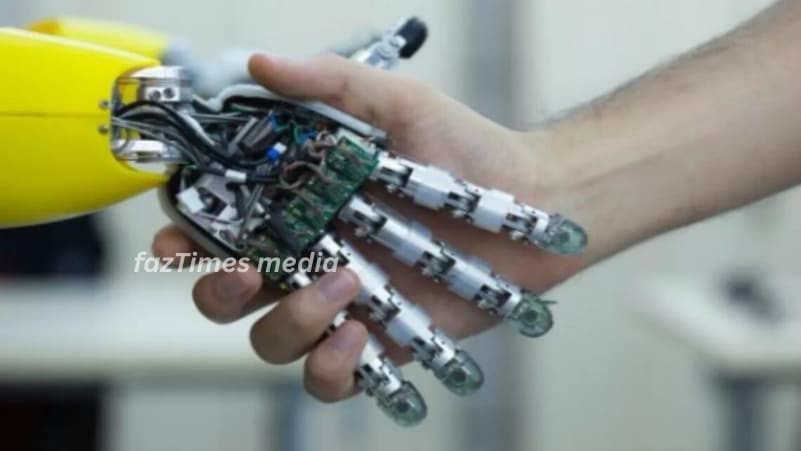
fazTimes Media: Imagine a world where robots can do more than just walk, talk, and help with surgeries. They can also feel what it's like to be in the world, just like people do. Thanks to a group of scientists in the UK, that idea is getting closer to being true. They made new skin for robots that can "feel" pain, heat, pressure, and even tiny pinpricks, almost as well as real skin can.
The bots can now detect needle pricks.
Not only have they made robots look more like people, but they have also created technology that can think, react, and show understanding through touch. BBC News says this new skin is a big step forward. We may soon need to rethink how we make tools, care for patients, and distinguish between people and robots.
Robotic skin is a kind of material that makes robots feel things like touch, heat, and pressure. To achieve these functions, robots typically rely on various devices. Each monitor is responsible for a specific task, like finding damage or heat. This setup does work, but it can be heavy, expensive, and hard to keep in good shape.
UK scientists have created a new type of robotic skin that can do all of these things in one layer. The main thing that makes it work is hydrogel, which is like a soft, moldable jelly. It's unique because it can carry electricity, which lets it respond instantly to different types of touch and alerts.
This artificial skin could sense its surroundings similarly to human skin, but instead of using nerves, it would utilize electricity to transmit and receive signals. This capability makes it very sensitive and useful.
How Does This Skin Feel?
It feels like real skin because it is made of a very thin layer of gelatin that has tiny wires inside it. These probes detect changes in electrical signals when you touch or move the skin.
As an example:
The electricity flow almost stops if the skin is cut.
The lightning moves faster if it touches something metal.
When heat or pressure is applied, it makes certain electrical patterns.
Such data is picked up by the AI system and read in real time, which lets the robot skin "understand" what kind of damage or touch it has received. The lead researcher told the BBC, "It's like the skin can talk to the robot's brain."
The AI turns these thoughts into useful knowledge, kind of like an interpreter. The ability to perceive the world without physical contact is remarkable. The cool thing about this robotic skin is that it can feel things like temperature and humidity without touching anything.
In the same way that you might feel sticky on a rainy day or cold in the winter, a robot with this skin could "feel" how warm or cool the air is in a room or how wet it is. These skills could help robots better adapt to their surroundings, which would make them safer and better at doing different jobs.
What applications could this technology find in the real world?
In real life, this type of innovation doesn't just happen in labs.
The robotic skin can be used in the real world, especially in places where people and robots work together closely.
Here are some ideas that come to mind:
Smart artificial limbs
One day, people who have lost limbs might be able to use fake hands or arms with this skin on them to feel again. Imagine a mechanical hand with the ability to sense objects such as a cup of tea or a handshake.
Doctor robots
Surgical robots or helper tools could be used to be more careful and gentle with patients during treatments. This would make them more relaxed and help them heal faster.
Automation in Industry
Robots in workplaces could be more careful with small items, notice when materials change, or keep parts from breaking.
Autos that drive themselves
This skin would let cars feel things like pressure or contact from the outside, which would make them more aware and safer to drive.
Robots for your home
Robots in homes might be able to respond better to touch, change how they hold things, or figure out when something is wrong.
But what about problems?
Despite the advanced nature of the technology, it still faces certain challenges that require resolution.
Researchers have identified two key issues:
The first thing is that the hydrogel used is very sensitive to its surroundings. Over time, it might lose its shape and not work as well if it becomes too hot or too wet.
Another concern is that the material and wires may not have a long lifespan. Because the skin is soft and bendable, frequent use could cause the parts to break or stop working properly.
Another tough part is making sure that the signals from the skin can be consistently sent to the robot for a long time. Engineers are striving to improve this link, enabling robots to respond swiftly and accurately without frequent maintenance.
Experts say that this idea is still a big step forward in soft robots and the way people and computers talk to each other.
What It Means for People in the Area
In places like India, where technology is rapidly evolving and finding application in industry, education, and healthcare, this new idea presents numerous possibilities. In health care, this kind of skin could help make cheaper substitutes that people who have been hurt or sick can use.
Dr. Smith could use soft robots to assist patients in making repairs in hard-to-reach places in rural areas.
Schools could benefit from the use of robots that comprehend and respond to touch. Learning would become more enjoyable and accessible to all.
As India backs AI research and works on making its tech through programs like "Digital India" and "Make in India," this technology has a good chance of becoming widely available.
The People Behind Machines
This new idea is more than just science and technology; it touches on something very human. It's not just the body that can feel; it's also the feelings. We are linked to the world, to other people, and to ourselves through our skin. A machine needs to be able to bridge the gap between cold metal and warm skin to feel.
Making digital skin that can be touched raises a lot of moral and philosophical questions:
Should we treat robots differently if they possess the ability to feel?
What are our responsibilities as the ones who made them if they feel "pain"?
We're not quite there yet when it comes to making truly smart machines, but we're getting closer to making robots that can understand how people feel without using words.
In conclusion, science will lead to a peaceful future.
Making robots better isn't the only goal of this robotic skin. Developing technologies that can coexist and collaborate with people in a nicer, safer, and more sensitive manner is also a key goal. Machines might not take over in the future. Instead, they might help us through touch, care, and understanding.
More and more, our lives are digital. This soft, jelly-like skin reminds us of the power of touch and the quiet, strong language that touch brings.
At FazTimes, we prioritize accuracy, confidence, and strong journalistic standards. To ensure every news story we share is real, we verify it with multiple trustworthy and independent sources.
We’ve compared this report with coverage from major news outlets around the world, including BBC News, Reuters, Bloomberg, South China Morning Post, Al Jazeera, NDTV, The Economic Times, and The Indian Express.
Our dedication lies in upholding the highest standards in global journalism, ensuring our readers can trust the information they receive.



Discussion0
Join the conversation on this story
Loading comments...